Tangra Sh & Tr — Supplier
About Tangra Sh & Tr - Grains and Seeds Supplier in Bulgaria
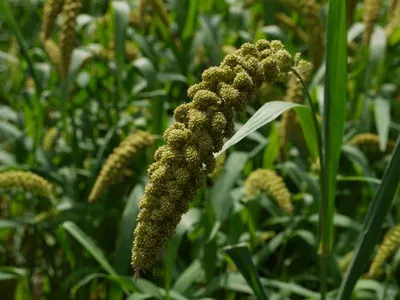
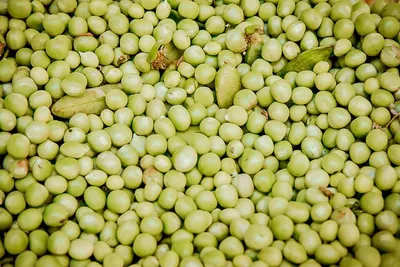
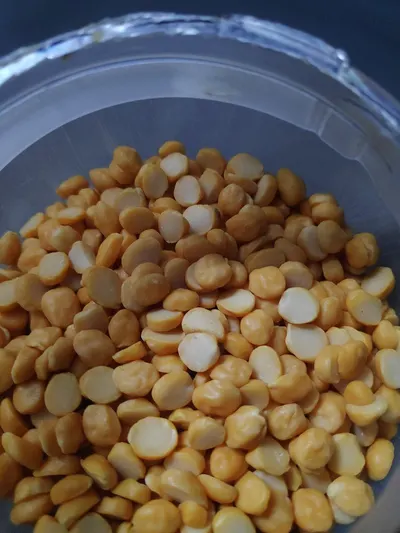
Bulgaria, a country in Southeastern Europe, is home to Tangra Sh & Tr, a supplier with an active product count of 11. The company lists a variety of grains and seeds, including Millet, Coriander Seeds, Flax Seeds, Chickpeas, Peas, and Malt, among others. These products are typically traded globally, with buyers in regions such as Asia, Europe, and the Americas. The HS code families involved in the trade of these goods include 1201 for millet, 1207 for coriander seeds, and 1205 for flax seeds.
Tangra Sh & Tr's product range encompasses different types of seeds and grains, with specifications and standards varying according to the type and intended use. For instance, millet is often graded according to its size and color, with common specifications including a minimum purity of 99% and a maximum moisture content of 12%. Coriander seeds, on the other hand, are typically graded based on their oil content and admixture, with a common standard being a minimum oil content of 12% and a maximum admixture of 2%.
Product Range and Specialties of Tangra Sh & Tr
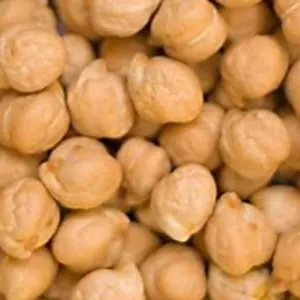
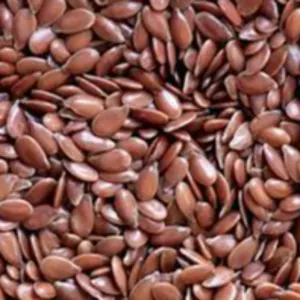
The supplier's catalogue includes a range of grains and seeds, each with its own set of characteristics and standards. For example, the flax seeds listed by Tangra Sh & Tr are likely to have a high oil content, typically around 35-40%, and a low moisture content, usually below 10%. Chickpeas, another product listed, come in different varieties, with common specifications including a minimum size of 6mm and a maximum moisture content of 12%. The company's product range is enriched by industry knowledge, with buyers typically requiring certifications such as ISO 22000 for food safety and ISCC for sustainability.
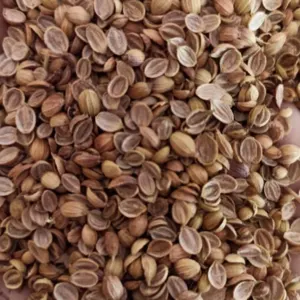
Buyers of grains and seeds usually require specific quality parameters and test reports to ensure the goods meet their standards. For instance, a buyer of millet might request a test report showing the product's purity, moisture content, and size distribution. Similarly, a buyer of coriander seeds might ask for a certificate of origin and a phytosanitary certificate to ensure the seeds are free from pests and diseases.
Trade and Export Information - Tangra Sh & Tr
Exporters of grains and seeds, like Tangra Sh & Tr, typically trade with buyers in regions such as Asia, Europe, and the Americas. The goods are often shipped in containers, with common Incoterms including FOB and CIF. The HS code families involved in the trade of these goods, such as 1201 for millet and 1207 for coriander seeds, are crucial for customs clearance and regulatory compliance. Buyers should be aware of the certifications and standards required for these goods, such as ISO 22000 for food safety and ISCC for sustainability, to ensure they meet the necessary quality and regulatory requirements.
Sourcing from Tangra Sh & Tr - Buyer Guidance
When sourcing from Tangra Sh & Tr, buyers should request specific specifications, samples, and test reports to ensure the goods meet their standards. For example, a buyer of chickpeas might request a sample with a minimum size of 6mm and a maximum moisture content of 12%. Similarly, a buyer of flax seeds might ask for a test report showing the product's oil content and moisture content. Buyers should also verify the supplier's certifications and compliance with regulatory requirements, such as ISO 22000 for food safety and ISCC for sustainability, to ensure the goods are safe and sustainable.
Frequently Asked Questions About Tangra Sh & Tr
What is the typical moisture content of millet?
The typical moisture content of millet is around 12%, but it can vary depending on the type and intended use. Buyers should request a test report to confirm the moisture content of the specific product they are purchasing.
What is the common oil content of flax seeds?
The common oil content of flax seeds is around 35-40%, but it can vary depending on the type and intended use. Buyers should request a test report to confirm the oil content of the specific product they are purchasing.
What certifications are typically required for grains and seeds?
Typically, certifications such as ISO 22000 for food safety and ISCC for sustainability are required for grains and seeds. Buyers should request these certifications from the supplier to ensure the goods meet the necessary quality and regulatory requirements.
What is the typical packaging for grains and seeds?
The typical packaging for grains and seeds includes bags, containers, or bulk shipments, depending on the type and intended use. Buyers should confirm the packaging with the supplier to ensure it meets their requirements.
What is the common Incoterm for grains and seeds?
The common Incoterm for grains and seeds includes FOB and CIF, depending on the type and intended use. Buyers should confirm the Incoterm with the supplier to ensure it meets their requirements.
How do buyers verify the quality of grains and seeds?
Buyers can verify the quality of grains and seeds by requesting test reports, certificates of origin, and phytosanitary certificates. They should also inspect the goods upon arrival to ensure they meet the specified standards.
What is the typical lead time for grains and seeds?
The typical lead time for grains and seeds can vary depending on the type and intended use, but it is usually around 2-4 weeks. Buyers should confirm the lead time with the supplier to ensure they can meet their delivery requirements.
What is the minimum order quantity (MOQ) for grains and seeds?
The MOQ for grains and seeds can vary depending on the type and intended use, but it is usually around 1-5 tons. Buyers should confirm the MOQ with the supplier to ensure they can meet their purchasing requirements.




 , Bulgaria