S.b. International — Verified Supplier
About S.b. International - Incense Sticks Supplier in India
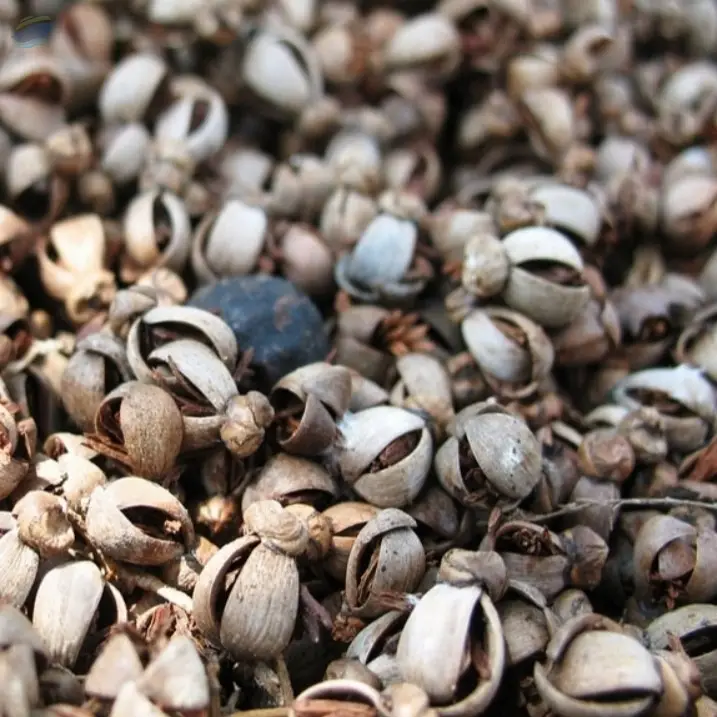
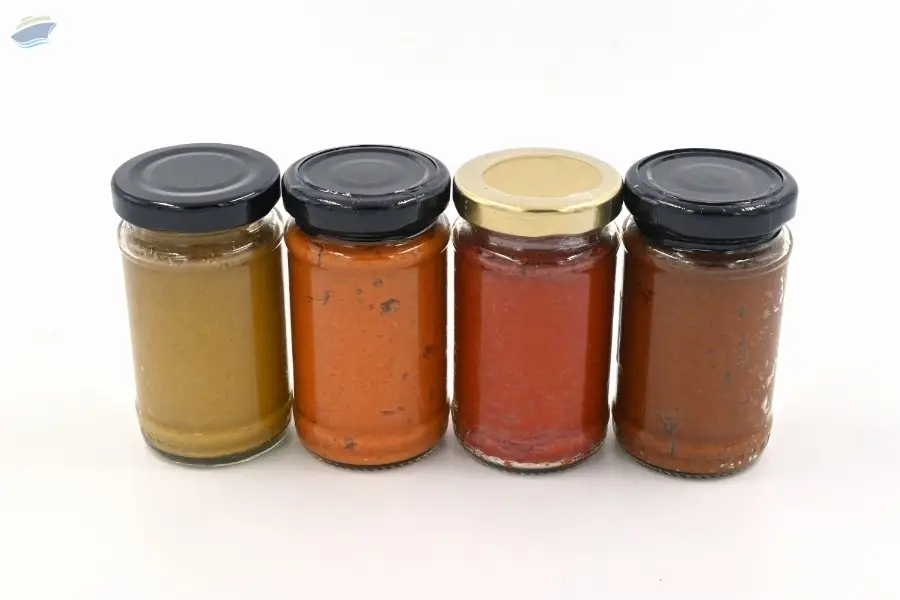
India‑based S.b. International lists 57 active products across multiple categories, including incense sticks, essential oils, candles, betel nut and assorted handicrafts. The catalogue records items such as hand‑rolled incense sticks, incense cones, Nag Champa and sandalwood incense sticks, as well as essential oils like lemon grass, lavender and eucalyptus. A single agricultural entry, Betel Nut, is recorded with HS code 0802.80 and described as raw Areca catechu whole seed. The supplier also offers glass jars, cotton T‑shirts, copper imitation jewellery and coconut shell products, reflecting a diverse product portfolio.
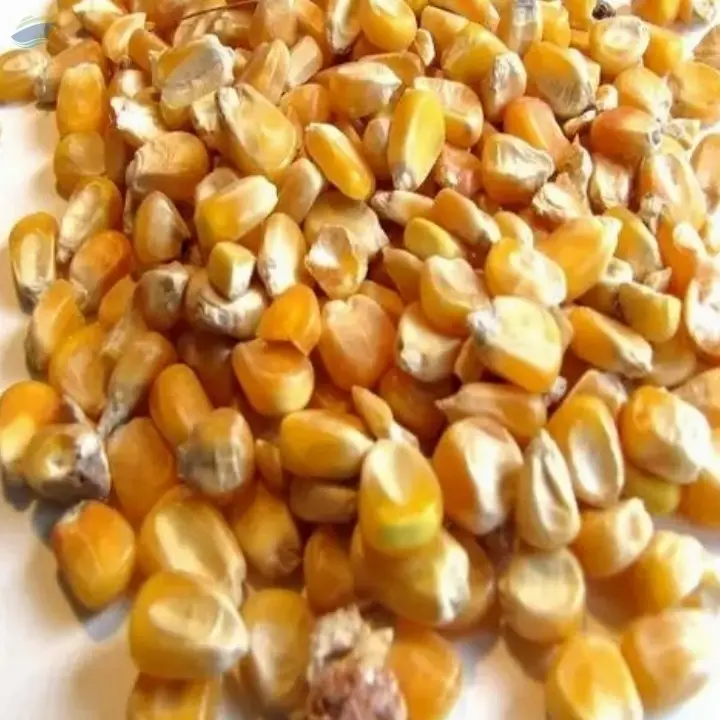
The incense offering covers traditional stick formats, dhoop sticks and cone forms, each linked to HS chapter 33 for aromatic products. Essential oils are listed without HS codes but fall under HS 3301 for essential oils and extracts. Candles and scented wax items correspond to HS 3307 for candles and related articles. The inclusion of raw agricultural commodities such as betel nut and maize aligns with HS 0802 and HS 1005 respectively, though only betel nut carries an explicit code in the data.
Product Range and Specialties of S.b. International
S.b. International’s catalogue contains 57 items, with a strong focus on aromatic goods. Products include hand‑rolled incense sticks, incense cones, perfumed sticks (e.g., Nag Champa, sandalwood, lavender, rose), and dhoop sticks, which in the industry are typically graded by fragrance intensity, burn time (30‑60 minutes) and ash residue. Essential oils such as lemon grass, lavender and eucalyptus are usually supplied at ≥90 % purity and verified by GC‑MS analysis. Candle items - wax (soy, paraffin) and scented candles - are commonly measured by weight (e.g., 200 g to 1 kg) and wick size, with a standard melt point of 45‑55 °C for soy wax. The betel nut entry, classified under HS 0802.80, is traded as raw areca seed, often packaged in 25 kg bulk bags for export.
Industry standards for these categories include ICUMSA‑type grading for raw agricultural nuts, ISO 9001 quality management for manufacturing, and GMP for essential oil processing. Buyers typically request certificates of analysis (COA) stating purity, specific gravity and flash point for oils, and burn‑time tests for incense. Packaging norms involve airtight jars for oils, kraft paper or foil for incense sticks, and bulk containers for agricultural commodities.
Trade and Export Information - S.b. International
India is a major exporter of aromatic products, with incense sticks and essential oils shipped to the Middle East, Europe and North America. HS chapter 33 covers most of S.b. International’s offerings: incense sticks (HS 3307.90), essential oils (HS 3301.29), scented candles (HS 3307.99) and related decorative items. Typical import regulations require a Certificate of Origin, a phytosanitary certificate for raw plant materials such as betel nut, and a COA for essential oils. Buyers often request ISO 9001 or GMP compliance documentation, although the supplier’s own certifications are not listed in the provided facts.
Logistics for these goods usually involve 20‑foot containers for bulk agricultural items and 40‑foot containers for packaged incense and candles. Incoterms such as CIF or FOB are common, with moisture‑resistant packaging for oils and moisture‑proof liners for incense to preserve fragrance during transit. Exporters from India benefit from established customs procedures for HS 3300 series items, but must ensure compliance with destination country standards, such as REACH registration for essential oils entering the EU.
Sourcing from S.b. International - Buyer Guidance
When sourcing incense sticks from S.b. International, request a sample batch and verify burn time, fragrance load and ash residue against industry benchmarks. For essential oils, ask for a recent COA, GC‑MS report, and confirm that the oil meets ≥90 % purity and complies with any destination‑specific limits on limonene or eugenol content. For betel nut, obtain a phytosanitary certificate and confirm that the bulk packaging meets the buyer’s moisture and contamination standards.
Verify the supplier’s export documentation before placing a full order: certificate of origin, any required ISO or GMP certificates, and compliance with HS‑specific customs codes. Confirm packaging dimensions (e.g., 20 kg jute bags for betel nut, 500 ml glass jars for oils) and container loading plans to avoid freight discrepancies. Establish clear lead‑time expectations, which for bulk agricultural goods typically range from 30‑45 days, while processed aromatic items may require 20‑35 days depending on production scheduling.
Frequently Asked Questions About S.b. International
What aromatic product categories does S.b. International list?
The catalogue includes hand‑rolled incense sticks, incense cones, dhoop sticks, perfumed sticks (e.g., Nag Champa, sandalwood), essential oils such as lemon grass, lavender and eucalyptus, soy and paraffin wax candles, and related decorative items.
Which HS code applies to the betel nut product?
Betel nut is recorded with HS code 0802.80 and described as raw Areca catechu whole seed. This code is used for customs clearance of raw areca nuts.
What quality documentation should a buyer request for essential oils?
Buyers should request a Certificate of Analysis, a GC‑MS report confirming ≥90 % purity, and any relevant REACH or ISO 9001 compliance documents for the oil batch.
What are typical minimum order quantities (MOQ) for incense sticks?
Incense sticks are commonly ordered in cartons of 1 000 sticks or larger bulk packs; exact MOQ depends on the specific fragrance and packaging format.
What packaging is standard for bulk agricultural items like betel nut?
Bulk betel nut is usually packed in 20 kg or 25 kg jute bags, sealed to prevent moisture ingress, and loaded into 20‑foot containers for export.
Which certifications are typically required for scented candles exported from India?
Exporters of scented candles often provide ISO 9001 quality management certificates and safety data sheets indicating flash point, wick material and compliance with destination fire safety regulations.
How long does it usually take to ship incense products from India?
Lead times for processed aromatic goods such as incense sticks and candles range from 20 to 35 days, covering production, quality checks and freight forwarding.
What incoterms are commonly used for these product categories?
Buyers and Indian exporters frequently use CIF (Cost, Insurance, Freight) or FOB (Free on Board) terms for incense, essential oils and candles, depending on the buyer’s preferred logistics arrangement.




 , India








.jpg.png)