Successor's Ideas Nig Ltd. — Supplier
About Successor's Ideas Nig Ltd. - Heavy Machinery Supplier in Niger
Successor's Ideas Nig Ltd. is based in Niger and currently lists 11 active products across several commodity groups. The catalogue includes heavy‑machinery related items such as scrap vessels, mineral commodities like copper ore (HS 2603.00) and manganese ore (HS 2602.00), and a set of petroleum derivatives ranging from diesel oil to Bonny Light Crude Oil. Each product is identified by its standard HS‑code family where available, for example the copper and manganese ores are classified under Chapter 26 for mineral products. The supplier is marked as an imported tier with a harbor trust tier, indicating it operates through established trade channels.
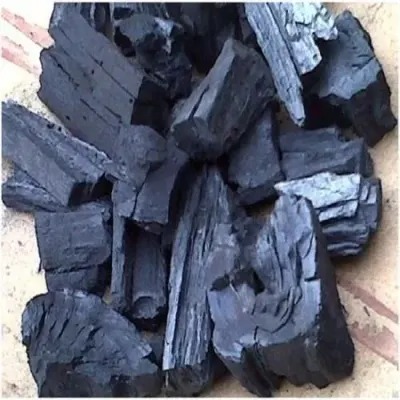
The listed categories cover Heavy Machinery, Non‑Metallic Elements, Petroleum By‑Products, Used Oil, Copper Ore and Manganese Ore. Products such as charcoal, bitumen 60/70 grade and used red cooking oil are also present, reflecting a mix of raw material and refined commodity offerings. The inclusion of both refined fuels (e.g., Premium Motor Spirit) and bulk mineral ores suggests the supplier can handle both containerised and bulk shipments, typical for Niger’s export logistics.
Product Range and Specialties of Successor's Ideas Nig Ltd.
The catalogue offers a variety of petroleum products: diesel oil, automotive gas oil, low pour fuel oil (LPFO), bitumen 60/70 grade, Bonny Light Crude Oil and premium motor spirit. In the industry, diesel and automotive gas oil are commonly graded to ISO 8217 C‑5 or C‑7 specifications, with cetane numbers above 48. LPFO typically meets a flash point of at least 68 °C and a viscosity of 1.5 - 3 cSt at 40 °C. Bitumen 60/70 grade conforms to the EN 12591 standard with a penetration of 60‑70 0.1 mm at 25 °C. Bonny Light Crude is usually described by an API gravity of 31 - 33 °API and sulfur content below 0.2 %. Premium motor spirit is generally sold at 95 R+ octane rating.
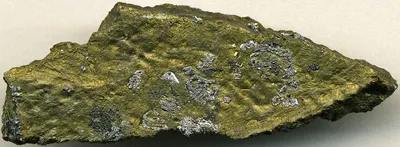
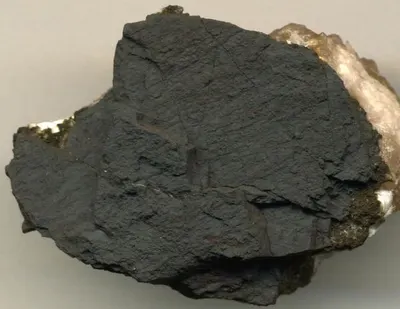
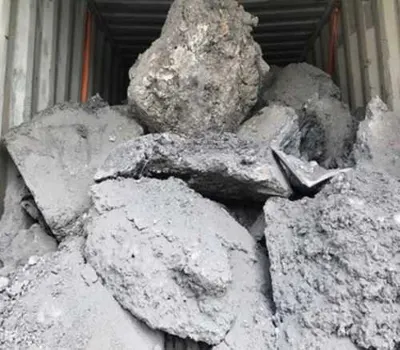
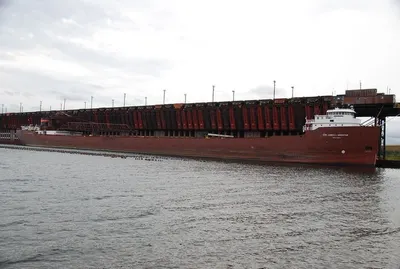
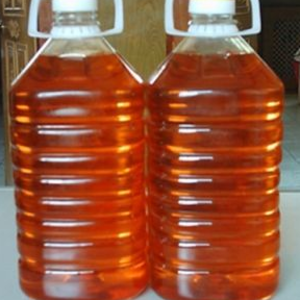
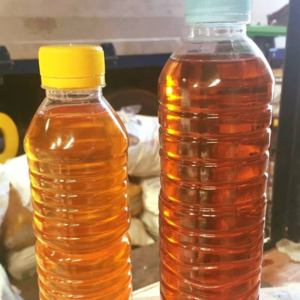
For the mineral segment, copper ore (HS 2603.00) is typically traded with copper content ranging from 0.5 % to 2 % and a moisture limit below 5 %. Manganese ore (HS 2602.00) is usually supplied with manganese grades of 35‑47 % and limited silica and phosphorous impurities. Charcoal is often evaluated by fixed carbon content (70‑80 %) and moisture below 10 %. Used red cooking oil is commonly filtered and assessed for free fatty acid (FFA) content under 1 % before re‑refining. Scrap vessels are classified under HS 8806 and are measured by tonnage, with common specifications including hull steel grade and residual equipment condition.
Trade and Export Information - Successor's Ideas Nig Ltd.
Niger’s export profile for mineral ores and petroleum derivatives typically targets markets in the European Union, West Africa, the Middle East and East Asia. HS 2602 and HS 2603 fall under Chapter 26, which is subject to customs valuation based on weight and metal content, and often requires a certificate of assay and a declaration of origin. Petroleum products such as diesel, LPFO and bitumen are classified under Chapter 27 and usually need a quality certificate complying with ISO 9001 or API Q1, along with a Material Safety Data Sheet (MSDS) for hazardous handling. Buyers often request pre‑shipment inspections by SGS or Bureau Veritas, especially for bulk shipments exceeding 20 tonnes.
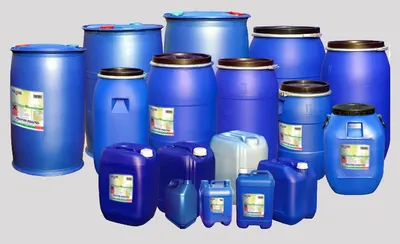
Logistically, bulk ores are shipped in 20‑ft or 40‑ft containers or in bulk carriers using steel drums or bulk bags, while petroleum liquids are usually moved in ISO tank containers (20 ft, 25 t capacity) or in bulk tankers. Common Incoterms for Nigerese exporters include FOB Niamey port and CIF destinations in Europe or Asia. Export documentation generally includes a commercial invoice, packing list, bill of lading, certificate of origin and, where required, a phytosanitary or hazardous material declaration.
Sourcing from Successor's Ideas Nig Ltd. - Buyer Guidance
When sourcing from Successor's Ideas Nig Ltd., buyers should request the latest assay reports for copper and manganese ores to verify metal grades, as well as an MSDS for all petroleum liquids. For fuel oils, a conformity certificate to ISO 8217 and a flash point test report are standard verification documents. Samples of bitumen and charcoal should be examined for penetration grade and fixed carbon content respectively before confirming a contract.
Buyers are advised to confirm the packaging format - whether ISO tank containers for liquids or bulk bags for ores - and to verify that the supplier can provide a certificate of origin acceptable to the importing country's customs regime. Minimum order quantities are typically set by shipment size: a 20‑ft container for oils (≈20 t) or a bulk cargo of 15‑30 t for ores. Lead times from order confirmation to shipment usually range from 30 to 60 days, depending on product availability and required inspections.
Frequently Asked Questions About Successor's Ideas Nig Ltd.
What petroleum products does Successor's Ideas Nig Ltd. list and what standards should I check?
The supplier lists diesel oil, automotive gas oil, low pour fuel oil, bitumen 60/70 grade, Bonny Light Crude Oil and premium motor spirit. Buyers usually verify ISO 8217 compliance for diesel and gas oil, EN 12591 for bitumen, and API specifications for crude oil.
Are copper ore and manganese ore accompanied by assay certificates?
The catalogue includes copper ore (HS 2603.00) and manganese ore (HS 2602.00). Industry practice requires an independent assay report showing Cu % or Mn % content and moisture levels before shipment.
What packaging is typical for the listed mineral ores?
Copper and manganese ores are commonly packed in bulk bags (1 t each) or in 20‑ft containers for larger volumes. The packaging must protect the material from moisture and allow easy unloading at the port.
Which certifications are normally required for the petroleum liquids?
Buyers normally request an ISO 9001 or API Q1 quality certificate, an MSDS, and a flash‑point test report for low pour fuel oil. These documents support compliance with hazardous‑goods regulations.
What is the usual shipping method for used red cooking oil?
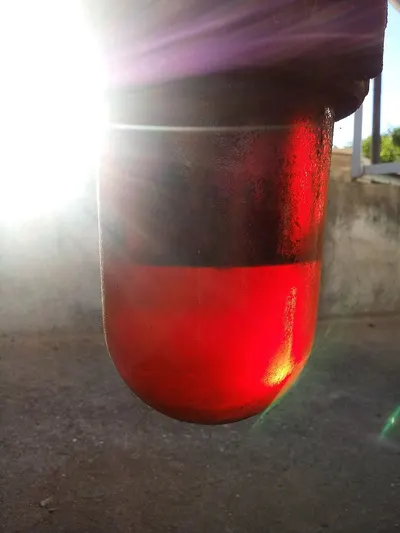
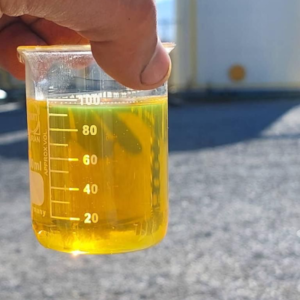
Used cooking oil is typically shipped in sealed 200 L steel drums or ISO tank containers, complying with UN 1825 hazardous material classification.
Can I obtain a sample of the bitumen before placing a full order?
Yes, suppliers generally provide a small sample (≈5 kg) for laboratory testing of penetration grade and softening point, which should be confirmed against EN 12591 standards.
What Incoterms does the supplier commonly use?
Typical Incoterms are FOB from Niamey port for bulk shipments and CIF for containerised petroleum products destined for Europe or Asia.
How long does it take to prepare a shipment after order confirmation?
Lead times range from 30 days for standard fuel oil batches to 60 days for mineral ores that require assay verification and bulk handling preparation.




 , Niger










.jpg.png)