PMR PETROLEUM TRADING FZ LLC — Verified Suppliers
About PMR PETROLEUM TRADING FZ LLC - Petroleum By Products Supplier in Germany
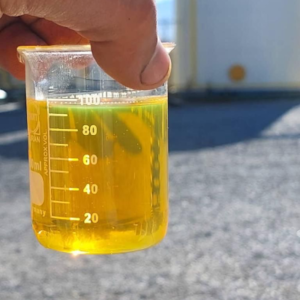
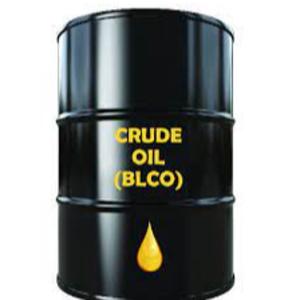
Germany, operating out of Dubai, lists 27 active petroleum‑related products in its catalogue. The range covers refined diesel (EN590 10 ppm, AGO, HSD), aviation fuels (Jet A1, JP‑54), heavy fuel oil (Mazut M‑100), light crude oil, cutter stock naphtha, base oils, bitumen, urea, sulphur and potash, each mapped to HS codes such as 2710.19 for most fuels, 2709.00 for light crude, 2707.50 for cutter stock, 2714.90 for bitumen, 2503.00 for sulphur, 3102.10 for urea, 3104.20 for potash and 8502.11 for diesel generators. Several freight terms (FOB Fujairah, CIF ASWP, etc.) are also listed, indicating a focus on bulk export logistics.
The catalogue also includes equipment entries such as a diesel generator (HS 8502.11) and references to bulk shipments of petroleum coke and bitumen. All entries use standard HS‑code families for refined petroleum products, reflecting typical customs classification for bulk oil, fuel and related petro‑chemical commodities.
Product Range and Specialties of PMR PETROLEUM TRADING FZ LLC
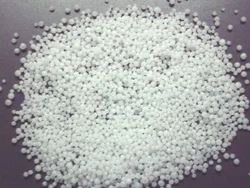
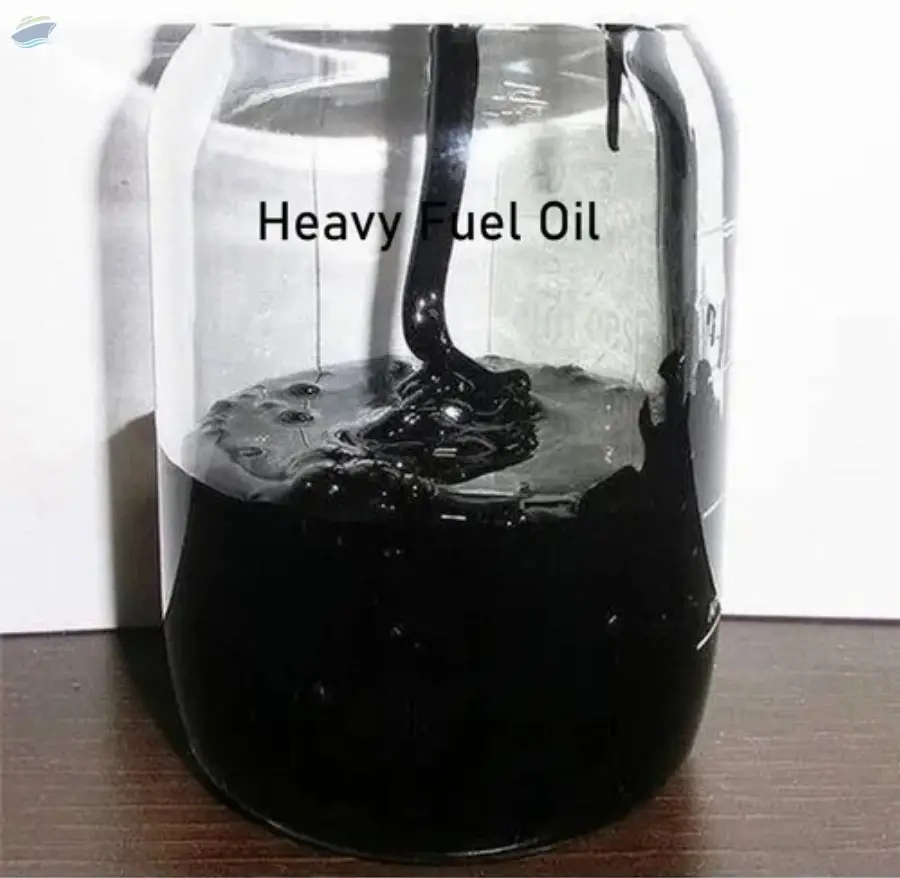
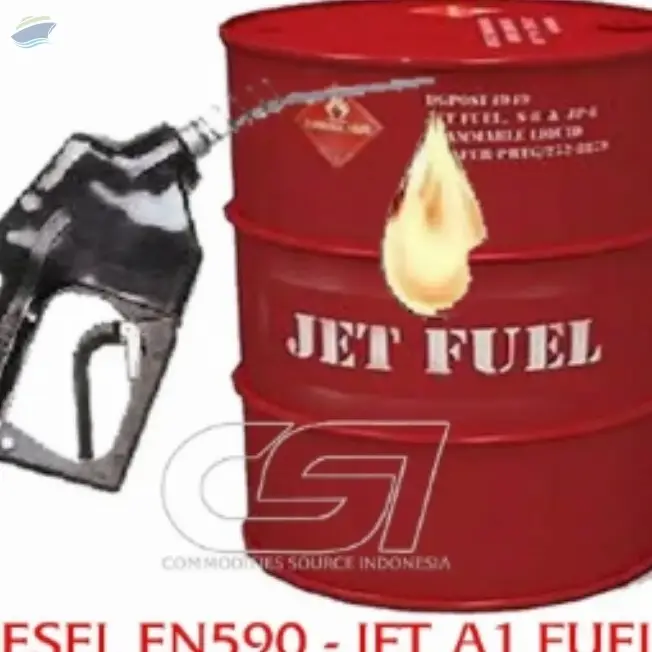
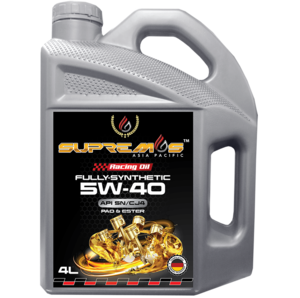
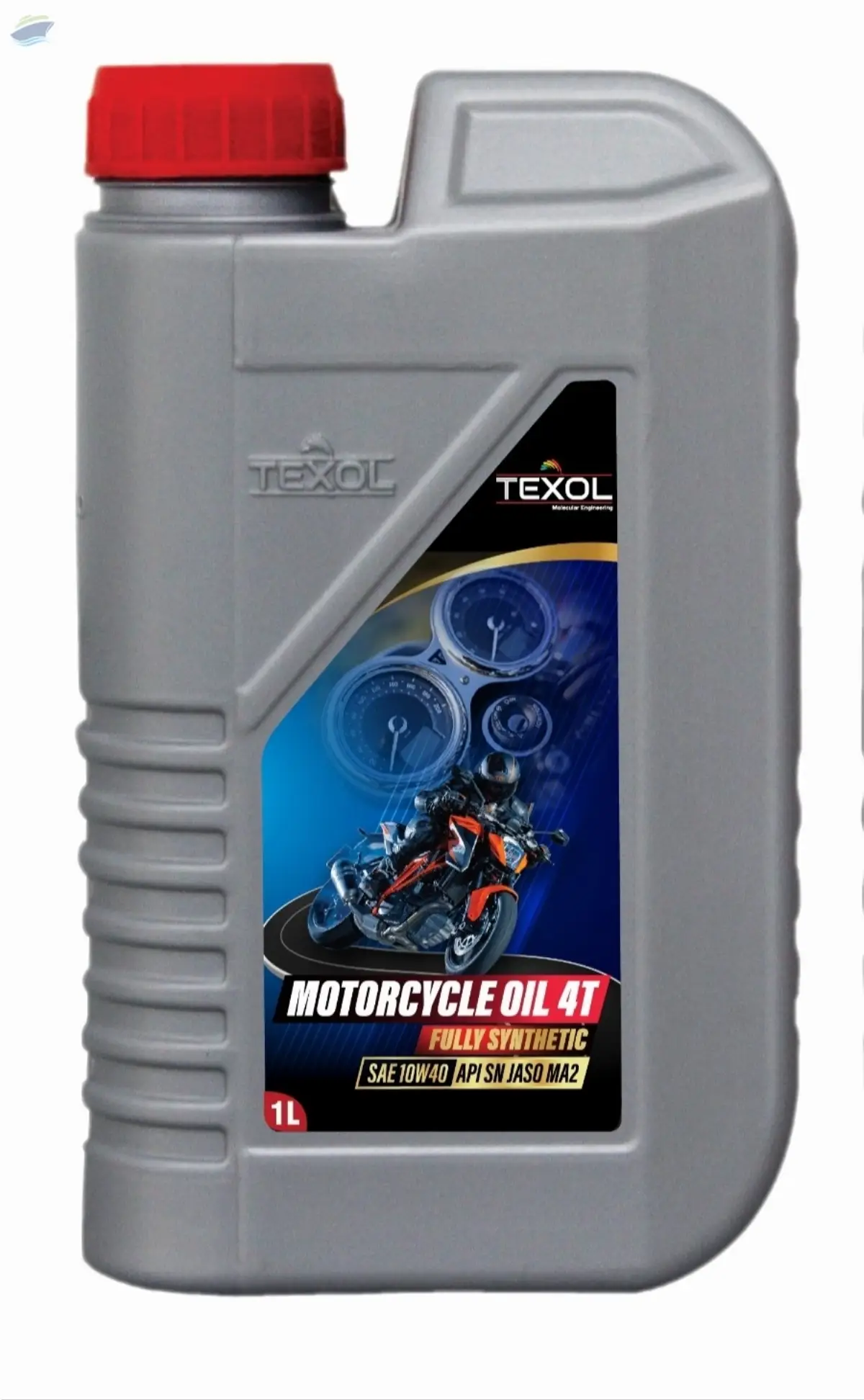
The product list includes EN590 diesel with a maximum sulfur limit of 10 ppm, Jet A1 aviation turbine fuel, low‑sulfur diesel D2 (GOST 305‑82), automotive gas oil (AGO), high‑speed diesel (HSD), and heavy fuel oil (Mazut M‑100). In the industry, EN590 diesel must meet EU spec EN 590 (cetane number ≥ 51, density 0.820‑0.845 kg/L) and Jet A1 must comply with ASTM D1655 (flash point ≥ 38 °C, freezing point ≤ ‑47 °C). Base oils (SN 150, SN 500, BS150) are API Group I neutral oils used for lubricants, while bitumen grades 60/70 and 80/100 are standard penetration grades for road paving. Urea is typically supplied at 46 % nitrogen (NH₂CONH₂) for fertilizer blending, and sulphur is delivered as native elemental sulphur for industrial use. Potash products (KCl, K₂SO₄) follow standard fertilizer grades used in agribusiness.
Industry buyers normally request specifications such as sulfur content, density, flash point, cetane number, API gravity and viscosity for fuels, and penetration grade or softening point for bitumen. Standard certifications include ISO 9001 quality management, API Q1 for refinery products, and compliance with EN 590 or ASTM standards depending on the destination market.
Trade and Export Information - PMR PETROLEUM TRADING FZ LLC
Germany is a major exporter of refined petroleum products, and Dubai serves as a logistical hub for re‑export to Asia, Africa and the Middle East. HS 2710.19 fuels are commonly inspected under the COC (Certificate of Origin) and accompanied by SGS or BVQI laboratory test reports. Typical import regions for EN590 diesel and Jet A1 include Southeast Asia, East Africa, and the Gulf Cooperation Council, where buyers often require compliance with local environmental sulfur limits and fuel quality standards. Heavy fuel oil (Mazut) and bitumen are frequently shipped in bulk carriers under CIF or FOB terms, with buyers demanding moisture content checks and penetration tests for bitumen.
Sourcing from PMR PETROLEUM TRADING FZ LLC - Buyer Guidance
When sourcing from this supplier, request the latest laboratory analysis report for each fuel grade, confirming sulfur, cetane number, density and flash point. Verify that the supplier can provide a Certificate of Analysis (COA) issued by an internationally recognised lab such as SGS, Intertek or Bureau Veritas, and ask for a pre‑shipment inspection report under the buyer’s chosen Incoterm. For solid products like urea, sulphur, potash and bitumen, request moisture content, particle size distribution (for potash) and penetration grade (for bitumen) certificates, as well as a weight‑verification statement before loading.
Frequently Asked Questions About PMR PETROLEUM TRADING FZ LLC
What HS code is used for EN590 diesel and how is it classified?
EN590 diesel is listed under HS code 2710.19, which covers refined petroleum diesel fuels with a sulfur limit of up to 10 ppm.
Which specifications should I verify for Jet A1 fuel?
Buyers should verify compliance with ASTM D1655 or EN 229, confirming a flash point above 38 °C, freezing point at or below ‑47 °C, and sulfur content typically below 30 ppm.
What documentation is standard for bulk crude oil shipments?
Standard documents include a Certificate of Origin, a laboratory Certificate of Analysis showing API gravity and sulfur content, and a pre‑shipment inspection report.
Are there typical certifications I should ask for on lubricant base oils?
Base oils are usually supplied with an ISO 9001 quality management certificate and an API Q1 or API Q2 audit report confirming the neutral oil grade.
What are common packaging and shipping methods for bitumen?
Bitumen is commonly shipped in bulk tankers or in 20‑ft/40‑ft containers on wooden pallets, with moisture content and penetration grade certificates attached.
What minimum order quantities (MOQ) are typical for urea and potash?
Bulk petro‑chemical buyers often set MOQs of at least 10 metric tonnes for urea and potash, but exact quantities depend on the freight term and destination port.
How can I verify the sulfur content of the supplied sulphur?
Request a laboratory test report showing purity (typically 99 % elemental sulphur) and a moisture content analysis, both of which are standard for native sulphur shipments.
Which Incoterms are most frequently used for these petroleum products?
FOB (Free on Board) from Fujairah, Rotterdam or Houston and CIF (Cost, Insurance, Freight) to major Asian ports are the most common Incoterms for the listed fuels.





 , Germany