Zdravko Milushev — Verified Supplier
About Zdravko Milushev - Petroleum By Products Supplier in Bulgaria
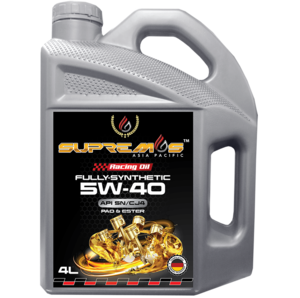
Zdravko Milushev operates from Sofia, Bulgaria and lists nine distinct petroleum‑derived products. The catalogue includes Jet A1 fuel, aviation kerosene JP‑54, Virgin D6 fuel, Diesel D2 oil, Mazut M‑100, liquefied natural gas, light cycle oil, base oil and liquefied petroleum gas. All items fall under the HS‑code families 2710.19 for refined petroleum products and 2711.11 for gaseous fuels. The supplier classifies its offerings across categories such as Petroleum By Products, Diesel, Kerosene Oil and LPG Cylinders, reflecting a broad but specific product set.
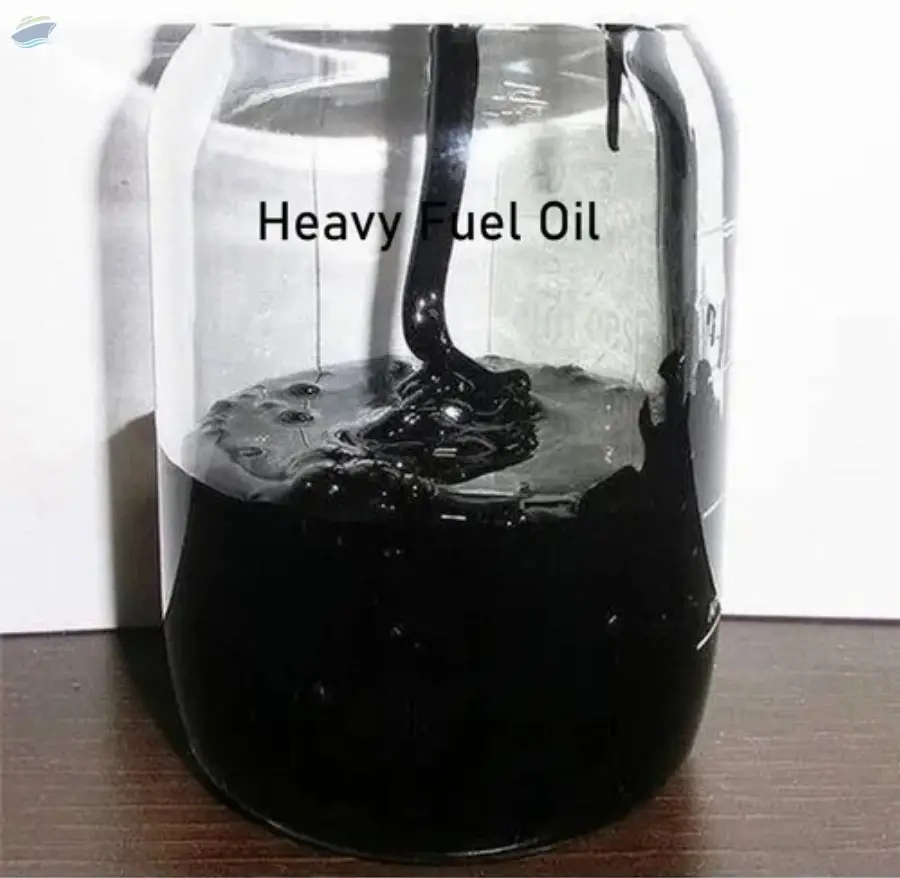
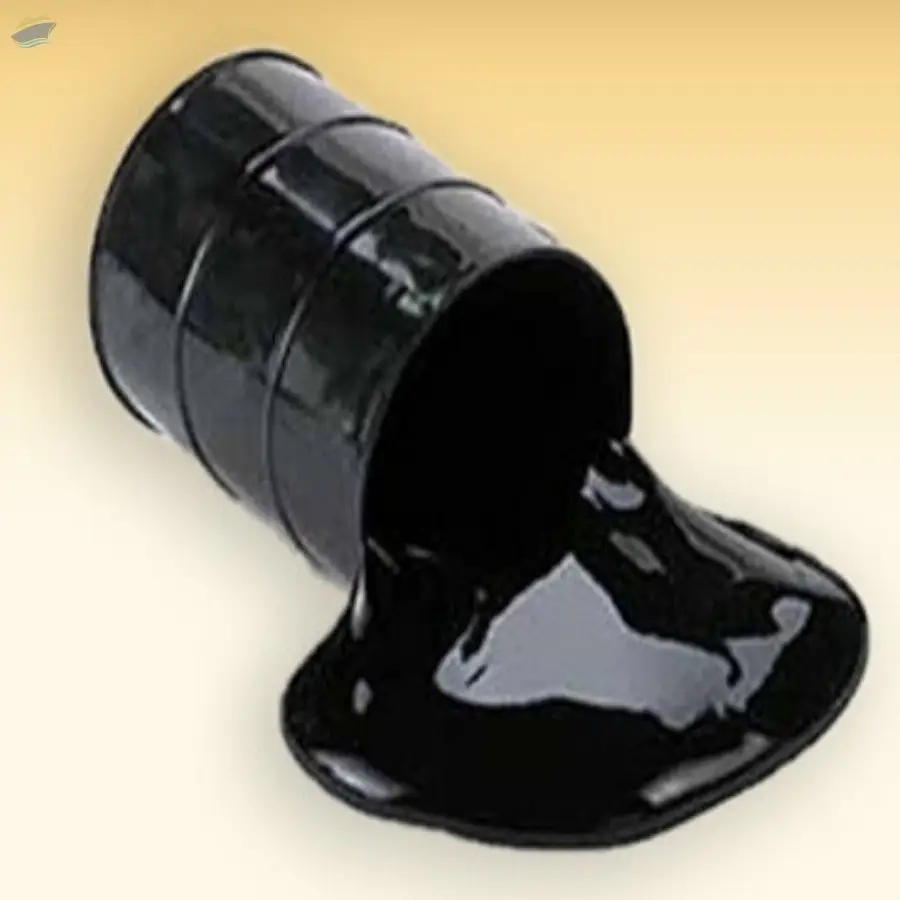
The Jet A1 and JP‑54 entries share HS code 2710.19 and are kerosene‑based aviation turbine fuels, while the D6 Virgin Fuel and D2 Diesel are distillate oils also under 2710.19. Mazut M‑100 is a heavy residual fuel oil, and Light Cycle Oil is an aromatic‑rich FCC fraction, both coded 2710.19. LNG is recorded under HS 2711.11 as methane, and LPG under 2711.19 as a propane/butane mixture. Base oil, another 2710.19 item, is a refined mineral oil used in lubricants.
Product Range and Specialties of Zdravko Milushev
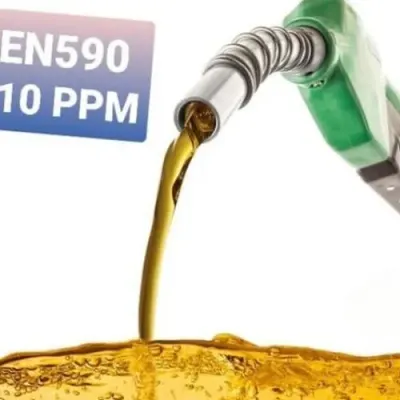
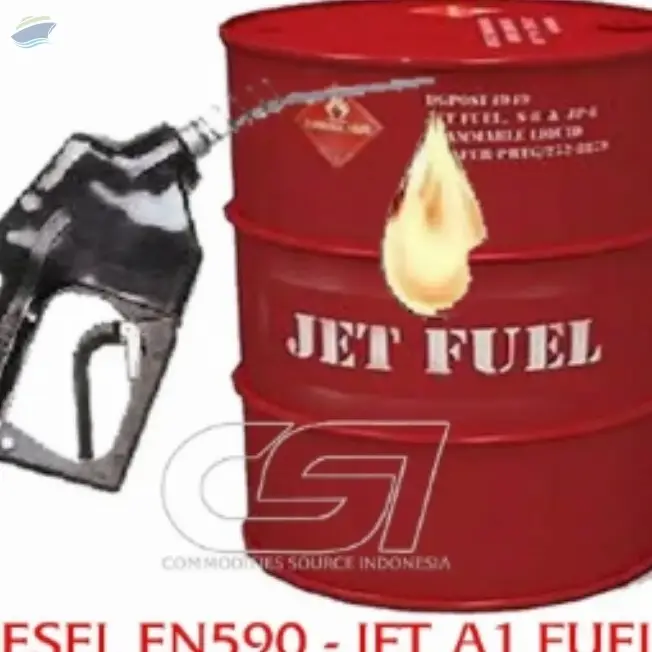
The supplier’s catalogue covers standard grades used in global fuel markets. Jet A1 typically complies with ASTM D1655 and ICAO Doc 9705, featuring a flash point above 38 °C and a sulfur limit of 30 ppm. JP‑54 (NATO grade) follows NATO F‑34 specifications, with a similar flash point and a maximum of 300 ppm sulfur. Diesel D2 conforms to EN‑590, requiring a cetane number of at least 51 and sulfur ≤10 ppm. Virgin D6 fuel is a high‑viscosity distillate used in industrial burners, often specified by a viscosity range of 100 - 200 cSt at 40 °C. Light Cycle Oil is a petrochemical feedstock with aromatic content around 50 % and a boiling range of 200 - 350 °C. Base oil grades are usually described by API numbers (e.g., API GL‑5) and viscosity classes (ISO VG‑46 to VG‑150). LNG is supplied as liquefied methane at - 162 °C, and LPG is a commercial propane/butane mix typically 60 % propane, 40 % butane by volume.
Trade and Export Information - Zdravko Milushev
Bulgarian exporters of refined petroleum products commonly ship bulk cargoes via sea‑borne tankers for fuel oils and via 20‑ft or 40‑ft containers for LPG and LNG cylinders. HS 2710.19 products are subject to IMO sulfur caps (0.5 % S from 2020) and often require a Certificate of Origin and a quality inspection report (e.g., SGS, Bureau Veritas). HS 2711.11 items such as LNG and LPG are regulated under the EU Gas Directive and may need CE marking for equipment and a safety data sheet. Typical destination markets include EU member states, the Middle East, North Africa and parts of Asia, where aviation fuel, diesel and LPG are in steady demand.
Buyers usually request ISO 9001 quality‑management certification, API product sheets, and compliance documents such as EN‑590 certificates for diesel or ASTM D1655 for Jet A1. Incoterms like FOB Varna or CIF Istanbul are frequently used, with payment terms often tied to a Letter of Intent (LOI) and a Bank Guarantee (B/G). Export licences from the Bulgarian Ministry of Economy are required for controlled fuels, and customs classification follows the 10‑digit HS system for accurate duty assessment.
Sourcing from Zdravko Milushev - Buyer Guidance
When sourcing from Zdravko Milushev, request the latest product specification sheets that reference ASTM, ISO or EN standards relevant to the fuel type. Obtain an independent laboratory test report (e.g., SGS, Intertek) confirming flash point, sulfur content, density and calorific value before finalising a contract. Verify the supplier’s export licence, the HS code used for each product, and ask for a Certificate of Origin to satisfy customs requirements.
For bulk fuel oils such as Mazut or Light Cycle Oil, confirm the viscosity range and sulfur limit in writing, and arrange a pre‑shipment sample analysis. LPG and LNG buyers should request cylinder pressure certificates and a safety data sheet outlining handling procedures. Confirm the intended Incoterm, packaging (e.g., 20‑ft container for LPG, ISO‑tank for fuel oil) and any required pre‑payment documents such as a Bank Guarantee or RWA before shipment.
Frequently Asked Questions About Zdravko Milushev
What HS codes does Zdravko Milushev use for its fuel products?
All listed refined petroleum products, including Jet A1, JP‑54, Virgin D6, Diesel D2, Mazut and Base Oil, use HS code 2710.19. Liquefied Natural Gas is coded 2711.11 and LPG is coded 2711.19.
Which international standards apply to the Jet A1 fuel offered?
Jet A1 supplied by the company meets ASTM D1655 and ICAO Doc 9705 specifications, with a flash point above 38 °C and sulfur content typically limited to 30 ppm.
Can I obtain a quality inspection report for Diesel EN‑590?
Yes, buyers should request an independent laboratory report (e.g., SGS or Intertek) that verifies cetane number, sulfur level (≤10 ppm) and density in accordance with EN‑590.
What documentation is needed for LNG shipments?
LNG exports require a Certificate of Origin, a safety data sheet, and a compliance certificate referencing the EU Gas Directive. A pre‑shipment test report confirming methane purity and temperature is also standard.
How are LPG products packaged for export?
LPG is typically shipped in 20‑ft or 40‑ft containers with certified pressure‑rated cylinders, complying with the HS code 2711.19 and accompanied by a safety data sheet and pressure test certificate.
What are the typical payment terms for orders from this supplier?
The supplier requests a Letter of Intent (LOI) or Irrevocable Corporate Purchase Order (ICPO) together with a Bank Guarantee (B/G) or Ready‑to‑Weigh (RWA) before dispatch. No pre‑payment documents such as SCO or FCO are demanded.
Which markets commonly import the listed fuel oils from Bulgaria?
European Union countries, the Middle East, North Africa and select Asian nations are the primary importers of Bulgarian fuel oils, driven by demand for aviation, marine and industrial fuels.
Are there any environmental regulations affecting the exported fuels?
Yes, exported fuels must comply with the IMO 2020 sulfur cap (0.5 % sulfur max) and EU REACH regulations for hydrocarbon content. Documentation proving compliance is usually required at customs.




 , Bulgaria