Sol Rafal Cieciwa — Verified Supplier

About Sol Rafal Cieciwa - Poultry Supplier in Not specified

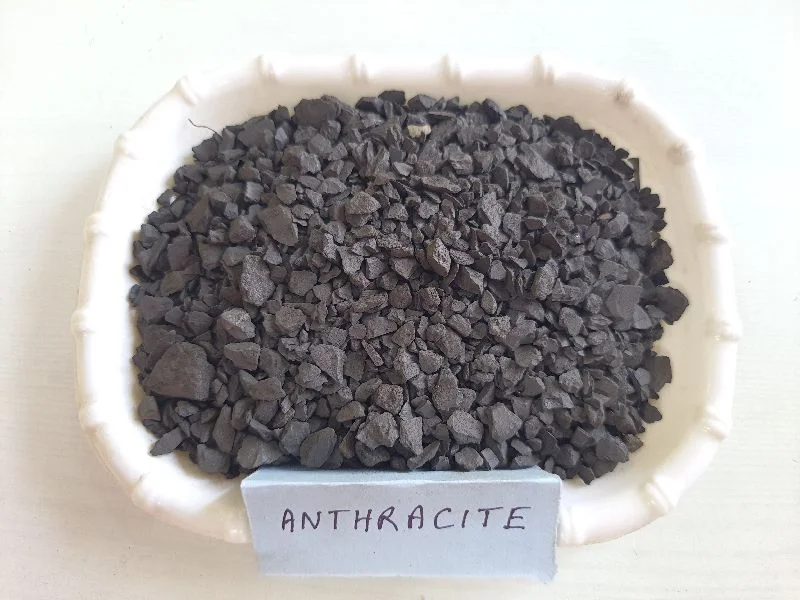
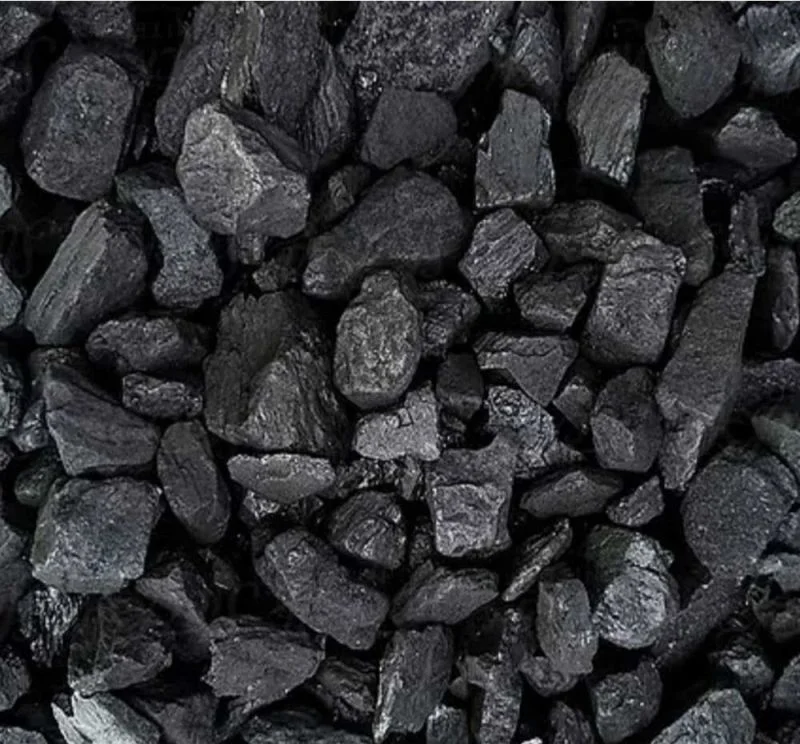
Sol Rafal Cieciwa's listed location is not specified in the supplied data, and the catalogue records five active products. The supplier lists items across poultry, coal, wheat and soybean categories, including quail eggs, anthracite coal (HS code 2701.11), steam coal 6200, hard wheat and non‑GMO soybean. Each product appears under a distinct HS‑code family, with the coal entry providing material composition of anthracite (Carbon 87 %, Ash 1.2 %, Volatile Matter 8.5 %). The catalogue does not disclose additional specifications such as packaging dimensions or shipment terms.

The five products cover two agricultural food items - quail eggs and hard wheat - plus a legume (non‑GMO soybean) and two grades of coal. Quail eggs fall under the poultry category, while the wheat and soybean are classified under grains and oilseeds respectively. Coal products are listed under the mineral fuels chapter, with anthracite identified by HS 2701.11 and steam coal lacking a specific HS code in the data. The supplier’s catalogue therefore spans both food‑grade commodities and energy commodities, offering a mixed product portfolio for international buyers.

Product Range and Specialties of Sol Rafal Cieciwa

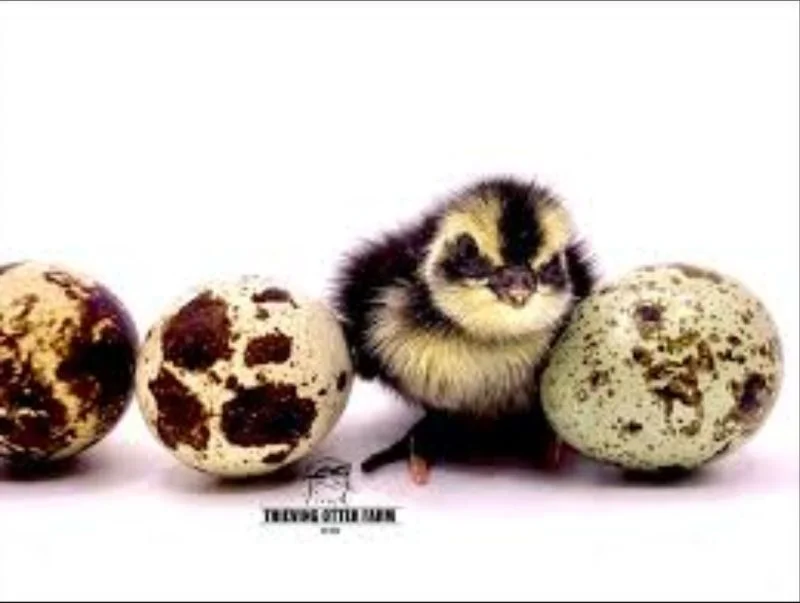
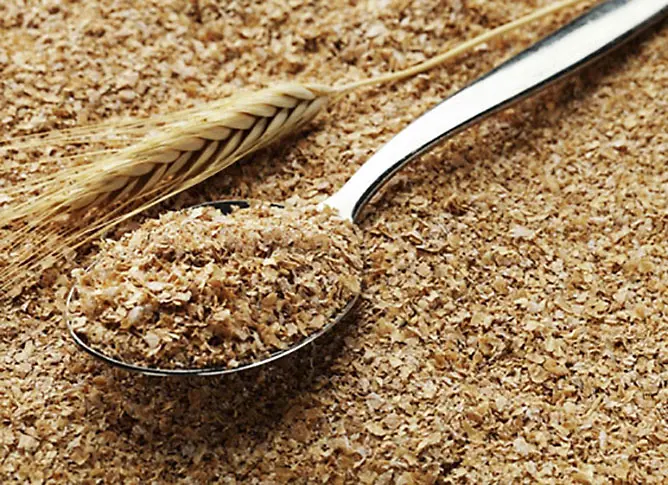
The catalogue lists quail eggs, anthracite coal (HS 2701.11, carbon 87 %, ash 1.2 %, VM 8.5 %), steam coal 6200, hard wheat and non‑GMO soybean. In the poultry segment, quail eggs are typically graded by size (small, medium, large) and shell quality, with moisture content below 70 % and a standard of 27 - 30 % protein. Anthracite coal is usually classified by calorific value (≈7,000 kcal/kg) and low sulfur content, while steam coal 6200 generally conforms to a calorific range of 5,800 - 6,200 kcal/kg and ash below 15 %. Hard wheat is commonly evaluated for protein (10‑12 %), moisture (≤14 %) and test weight (≈78 kg/hl). Non‑GMO soybean is verified by genetic testing and often supplied with a purity of ≥98 % and oil content around 18‑20 %.

Trade and Export Information - Sol Rafal Cieciwa

Exporters of anthracite and steam coal from Europe and Central Asia commonly ship to power‑generation and steel‑making regions in the EU, Middle East and South‑East Asia. HS 2701.11 for anthracite is subject to customs verification of sulfur and ash limits, and buyers typically request a Certificate of Analysis and a Material Safety Data Sheet. Quail eggs fall under HS 0407 and require a phytosanitary certificate, temperature‑controlled containers (usually 10 °C) and compliance with EU animal health regulations. Hard wheat (HS 1001) is a staple import for North Africa, the Middle East and Southeast Asia, with buyers often demanding a certificate of origin, moisture and protein test reports, and compliance with EU pesticide residue limits (maximum residue levels). Non‑GMO soybean (HS 1201) is exported to processors in China, the EU and Brazil, where non‑GMO verification, a GMO‑free declaration and a fumigation certificate are standard. Shipping is typically arranged in 20‑ft or 40‑ft containers for grains and legumes, while coal is moved in bulk cargo vessels or covered hopper cars, and eggs are packed in insulated cartons on air‑freight or refrigerated sea cargo.

Sourcing from Sol Rafal Cieciwa - Buyer Guidance

When sourcing quail eggs, request a recent phytosanitary certificate, a sample for shell integrity and a temperature‑controlled shipping quote. For anthracite coal, ask for a laboratory analysis confirming carbon, ash and volatile matter percentages, as well as a safety data sheet and bulk density (≈1.3 t/m³). Steam coal buyers should obtain a calorific value test report and sulfur content analysis before finalising contracts. Hard wheat purchasers usually require a certificate of analysis showing protein, moisture, test weight and any pesticide residues, together with a sample for milling trial. Non‑GMO soybean buyers should request a GMO‑free certification, a purity test, and a moisture content report (typically ≤13 %). Verify packaging details - bulk bags of 1 t for wheat and soybean, insulated cartons for eggs, and bulk bulk‑carrier specifications for coal - to ensure compatibility with your logistics chain.

Frequently Asked Questions About Sol Rafal Cieciwa

What product codes are associated with the coal items?

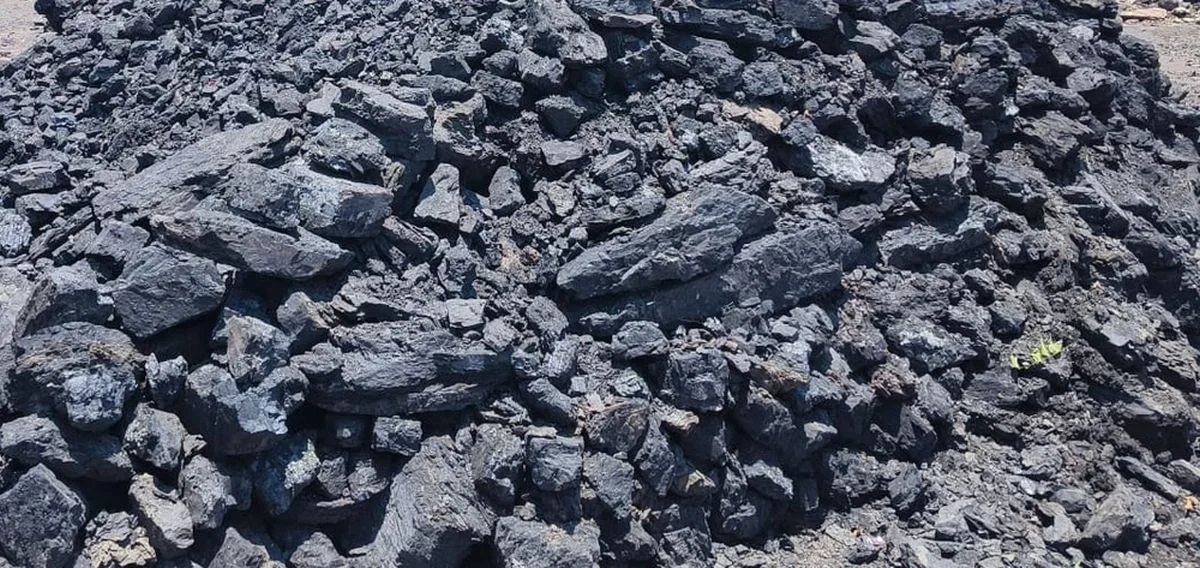
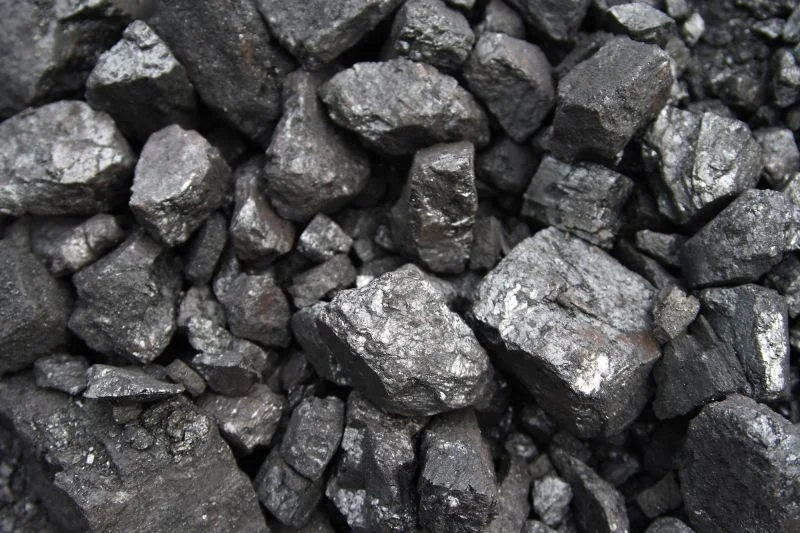
Anthracite coal is listed under HS 2701.11 with a composition of 87 % carbon, 1.2 % ash and 8.5 % volatile matter. Steam coal 6200 does not have an HS code in the supplied data, but it falls under the general HS 2701 series for mineral coal.

Which certifications should I request for the quail eggs?

Buyers typically request a phytosanitary certificate, a health certificate from the exporting authority, and, if required by the destination, an EU animal health compliance document.

What quality parameters are standard for hard wheat?

Hard wheat is commonly evaluated for protein content (10‑12 %), moisture (≤14 %), test weight (≈78 kg/hl) and compliance with maximum residue limits for pesticides.

How is non‑GMO soybean verified?

Verification is usually provided through a GMO‑free certificate issued by an accredited laboratory, supported by DNA test results confirming the absence of transgenic material.

What documentation is typical for anthracite coal shipments?

A Certificate of Analysis detailing carbon, ash and volatile matter, a Material Safety Data Sheet, and a certificate of origin are standard documents for anthracite exports.

What are the usual packaging formats for these products?

Quail eggs are packed in insulated cartons, anthracite and steam coal are shipped in bulk carriers or covered hopper cars, hard wheat and soybean are typically loaded in 1‑ton bulk bags or 20‑ft/40‑ft containers.

Which regions most often import the listed commodities?

Coal is frequently exported to Europe, the Middle East and South‑East Asia; wheat and soybean are major imports for North Africa, the Middle East, China and the EU; quail eggs are primarily shipped to specialty food markets in Europe and Asia.

What HS codes apply to the agricultural products?

Quail eggs fall under HS 0407, hard wheat under HS 1001, and non‑GMO soybean under HS 1201. These codes are used for customs classification and regulatory checks.

Featured Products from this Supplier

Other Suppliers in Primary Category

Top Trusted Suppliers

Related Products

Trending in Parent Category

More Suppliers in Category

Related Products

Other Suppliers

EximNext
58.5K+ live requirements
Register Free🎁 Reach verified global buyers
Post Requirement
🌍 Trusted by 224.6K+ businesses in 200+ countries|
58.5K+ active requirements right now
✉️ [email protected]
|
Sell on EximNextPost Requirement
EximNext
AgricultureApparelConstructionElectronicFoodHomeIndustrialMineralsMiscellaneous
🔥 Deals|✨ AI Match|🏭 Suppliers|📋 Buy Leads|💰 Trade Finance
58.5K+ live RFQs·194.6K+ suppliers
🎁 Reach global buyers →
EximNext
EximNext
Register Free
🎁 Reach verified global buyers
Sign In
📋Post Requirement💬Get QuotesAI Match📋RFQ Marketplace
All Categories
Services & Tools
🏭Supplier Directory🔥Today's Deals💰Trade Finance
Sell on EximNext
AboutContactBlogHelp
🏭

Sol Rafal Cieciwa

Harbor
,
🛡️
54/100
Trust Score

Sol Rafal Cieciwa Product Catalog

Showing 5 of 5 products
View all products →
Quail Eggs
Harbor
Quail Eggs
Contact
MOQ: 1 Unit
Anthracite coal
Harbor
Anthracite coal
Contact
MOQ: 1 Unit
Steam Coal 6200
Harbor
Steam Coal 6200
Contact
MOQ: 1 Unit
Hard Wheat
Harbor
Hard Wheat
Contact
MOQ: 1 Unit
Soybean NON GMO
Harbor
Soybean NON GMO
Contact
MOQ: 1 Unit

About Sol Rafal Cieciwa - Poultry Supplier in Not specified

Sol Rafal Cieciwa's listed location is not specified in the supplied data, and the catalogue records five active products. The supplier lists items across poultry, coal, wheat and soybean categories, including quail eggs, anthracite coal (HS code 2701.11), steam coal 6200, hard wheat and non‑GMO soybean. Each product appears under a distinct HS‑code family, with the coal entry providing material composition of anthracite (Carbon 87 %, Ash 1.2 %, Volatile Matter 8.5 %). The catalogue does not disclose additional specifications such as packaging dimensions or shipment terms.

The five products cover two agricultural food items - quail eggs and hard wheat - plus a legume (non‑GMO soybean) and two grades of coal. Quail eggs fall under the poultry category, while the wheat and soybean are classified under grains and oilseeds respectively. Coal products are listed under the mineral fuels chapter, with anthracite identified by HS 2701.11 and steam coal lacking a specific HS code in the data. The supplier’s catalogue therefore spans both food‑grade commodities and energy commodities, offering a mixed product portfolio for international buyers.

Product Range and Specialties of Sol Rafal Cieciwa

The catalogue lists quail eggs, anthracite coal (HS 2701.11, carbon 87 %, ash 1.2 %, VM 8.5 %), steam coal 6200, hard wheat and non‑GMO soybean. In the poultry segment, quail eggs are typically graded by size (small, medium, large) and shell quality, with moisture content below 70 % and a standard of 27 - 30 % protein. Anthracite coal is usually classified by calorific value (≈7,000 kcal/kg) and low sulfur content, while steam coal 6200 generally conforms to a calorific range of 5,800 - 6,200 kcal/kg and ash below 15 %. Hard wheat is commonly evaluated for protein (10‑12 %), moisture (≤14 %) and test weight (≈78 kg/hl). Non‑GMO soybean is verified by genetic testing and often supplied with a purity of ≥98 % and oil content around 18‑20 %.

Trade and Export Information - Sol Rafal Cieciwa

Exporters of anthracite and steam coal from Europe and Central Asia commonly ship to power‑generation and steel‑making regions in the EU, Middle East and South‑East Asia. HS 2701.11 for anthracite is subject to customs verification of sulfur and ash limits, and buyers typically request a Certificate of Analysis and a Material Safety Data Sheet. Quail eggs fall under HS 0407 and require a phytosanitary certificate, temperature‑controlled containers (usually 10 °C) and compliance with EU animal health regulations. Hard wheat (HS 1001) is a staple import for North Africa, the Middle East and Southeast Asia, with buyers often demanding a certificate of origin, moisture and protein test reports, and compliance with EU pesticide residue limits (maximum residue levels). Non‑GMO soybean (HS 1201) is exported to processors in China, the EU and Brazil, where non‑GMO verification, a GMO‑free declaration and a fumigation certificate are standard. Shipping is typically arranged in 20‑ft or 40‑ft containers for grains and legumes, while coal is moved in bulk cargo vessels or covered hopper cars, and eggs are packed in insulated cartons on air‑freight or refrigerated sea cargo.

Sourcing from Sol Rafal Cieciwa - Buyer Guidance

When sourcing quail eggs, request a recent phytosanitary certificate, a sample for shell integrity and a temperature‑controlled shipping quote. For anthracite coal, ask for a laboratory analysis confirming carbon, ash and volatile matter percentages, as well as a safety data sheet and bulk density (≈1.3 t/m³). Steam coal buyers should obtain a calorific value test report and sulfur content analysis before finalising contracts. Hard wheat purchasers usually require a certificate of analysis showing protein, moisture, test weight and any pesticide residues, together with a sample for milling trial. Non‑GMO soybean buyers should request a GMO‑free certification, a purity test, and a moisture content report (typically ≤13 %). Verify packaging details - bulk bags of 1 t for wheat and soybean, insulated cartons for eggs, and bulk bulk‑carrier specifications for coal - to ensure compatibility with your logistics chain.

Frequently Asked Questions About Sol Rafal Cieciwa

What product codes are associated with the coal items?

Anthracite coal is listed under HS 2701.11 with a composition of 87 % carbon, 1.2 % ash and 8.5 % volatile matter. Steam coal 6200 does not have an HS code in the supplied data, but it falls under the general HS 2701 series for mineral coal.

Which certifications should I request for the quail eggs?

Buyers typically request a phytosanitary certificate, a health certificate from the exporting authority, and, if required by the destination, an EU animal health compliance document.

What quality parameters are standard for hard wheat?

Hard wheat is commonly evaluated for protein content (10‑12 %), moisture (≤14 %), test weight (≈78 kg/hl) and compliance with maximum residue limits for pesticides.

How is non‑GMO soybean verified?

Verification is usually provided through a GMO‑free certificate issued by an accredited laboratory, supported by DNA test results confirming the absence of transgenic material.

What documentation is typical for anthracite coal shipments?

A Certificate of Analysis detailing carbon, ash and volatile matter, a Material Safety Data Sheet, and a certificate of origin are standard documents for anthracite exports.

What are the usual packaging formats for these products?

Quail eggs are packed in insulated cartons, anthracite and steam coal are shipped in bulk carriers or covered hopper cars, hard wheat and soybean are typically loaded in 1‑ton bulk bags or 20‑ft/40‑ft containers.

Which regions most often import the listed commodities?

Coal is frequently exported to Europe, the Middle East and South‑East Asia; wheat and soybean are major imports for North Africa, the Middle East, China and the EU; quail eggs are primarily shipped to specialty food markets in Europe and Asia.

What HS codes apply to the agricultural products?

Quail eggs fall under HS 0407, hard wheat under HS 1001, and non‑GMO soybean under HS 1201. These codes are used for customs classification and regulatory checks.

About Sol Rafal Cieciwa - Poultry Supplier in Not specified

Sol Rafal Cieciwa's listed location is not specified in the supplied data, and the catalogue records five active products. The supplier lists items across poultry, coal, wheat and soybean categories, including quail eggs, anthracite coal (HS code 2701.11), steam coal 6200, hard wheat and non‑GMO soybean. Each product appears under a distinct HS‑code family, with the coal entry providing material composition of anthracite (Carbon 87 %, Ash 1.2 %, Volatile Matter 8.5 %). The catalogue does not disclose additional specifications such as packaging dimensions or shipment terms.

The five products cover two agricultural food items - quail eggs and hard wheat - plus a legume (non‑GMO soybean) and two grades of coal. Quail eggs fall under the poultry category, while the wheat and soybean are classified under grains and oilseeds respectively. Coal products are listed under the mineral fuels chapter, with anthracite identified by HS 2701.11 and steam coal lacking a specific HS code in the data. The supplier’s catalogue therefore spans both food‑grade commodities and energy commodities, offering a mixed product portfolio for international buyers.

Product Range and Specialties of Sol Rafal Cieciwa

The catalogue lists quail eggs, anthracite coal (HS 2701.11, carbon 87 %, ash 1.2 %, VM 8.5 %), steam coal 6200, hard wheat and non‑GMO soybean. In the poultry segment, quail eggs are typically graded by size (small, medium, large) and shell quality, with moisture content below 70 % and a standard of 27 - 30 % protein. Anthracite coal is usually classified by calorific value (≈7,000 kcal/kg) and low sulfur content, while steam coal 6200 generally conforms to a calorific range of 5,800 - 6,200 kcal/kg and ash below 15 %. Hard wheat is commonly evaluated for protein (10‑12 %), moisture (≤14 %) and test weight (≈78 kg/hl). Non‑GMO soybean is verified by genetic testing and often supplied with a purity of ≥98 % and oil content around 18‑20 %.

Trade and Export Information - Sol Rafal Cieciwa

Exporters of anthracite and steam coal from Europe and Central Asia commonly ship to power‑generation and steel‑making regions in the EU, Middle East and South‑East Asia. HS 2701.11 for anthracite is subject to customs verification of sulfur and ash limits, and buyers typically request a Certificate of Analysis and a Material Safety Data Sheet. Quail eggs fall under HS 0407 and require a phytosanitary certificate, temperature‑controlled containers (usually 10 °C) and compliance with EU animal health regulations. Hard wheat (HS 1001) is a staple import for North Africa, the Middle East and Southeast Asia, with buyers often demanding a certificate of origin, moisture and protein test reports, and compliance with EU pesticide residue limits (maximum residue levels). Non‑GMO soybean (HS 1201) is exported to processors in China, the EU and Brazil, where non‑GMO verification, a GMO‑free declaration and a fumigation certificate are standard. Shipping is typically arranged in 20‑ft or 40‑ft containers for grains and legumes, while coal is moved in bulk cargo vessels or covered hopper cars, and eggs are packed in insulated cartons on air‑freight or refrigerated sea cargo.

Sourcing from Sol Rafal Cieciwa - Buyer Guidance

When sourcing quail eggs, request a recent phytosanitary certificate, a sample for shell integrity and a temperature‑controlled shipping quote. For anthracite coal, ask for a laboratory analysis confirming carbon, ash and volatile matter percentages, as well as a safety data sheet and bulk density (≈1.3 t/m³). Steam coal buyers should obtain a calorific value test report and sulfur content analysis before finalising contracts. Hard wheat purchasers usually require a certificate of analysis showing protein, moisture, test weight and any pesticide residues, together with a sample for milling trial. Non‑GMO soybean buyers should request a GMO‑free certification, a purity test, and a moisture content report (typically ≤13 %). Verify packaging details - bulk bags of 1 t for wheat and soybean, insulated cartons for eggs, and bulk bulk‑carrier specifications for coal - to ensure compatibility with your logistics chain.

Frequently Asked Questions About Sol Rafal Cieciwa
What product codes are associated with the coal items?
Anthracite coal is listed under HS 2701.11 with a composition of 87 % carbon, 1.2 % ash and 8.5 % volatile matter. Steam coal 6200 does not have an HS code in the supplied data, but it falls under the general HS 2701 series for mineral coal.
Which certifications should I request for the quail eggs?
Buyers typically request a phytosanitary certificate, a health certificate from the exporting authority, and, if required by the destination, an EU animal health compliance document.
What quality parameters are standard for hard wheat?
Hard wheat is commonly evaluated for protein content (10‑12 %), moisture (≤14 %), test weight (≈78 kg/hl) and compliance with maximum residue limits for pesticides.
How is non‑GMO soybean verified?
Verification is usually provided through a GMO‑free certificate issued by an accredited laboratory, supported by DNA test results confirming the absence of transgenic material.
What documentation is typical for anthracite coal shipments?
A Certificate of Analysis detailing carbon, ash and volatile matter, a Material Safety Data Sheet, and a certificate of origin are standard documents for anthracite exports.
What are the usual packaging formats for these products?
Quail eggs are packed in insulated cartons, anthracite and steam coal are shipped in bulk carriers or covered hopper cars, hard wheat and soybean are typically loaded in 1‑ton bulk bags or 20‑ft/40‑ft containers.
Which regions most often import the listed commodities?
Coal is frequently exported to Europe, the Middle East and South‑East Asia; wheat and soybean are major imports for North Africa, the Middle East, China and the EU; quail eggs are primarily shipped to specialty food markets in Europe and Asia.
What HS codes apply to the agricultural products?
Quail eggs fall under HS 0407, hard wheat under HS 1001, and non‑GMO soybean under HS 1201. These codes are used for customs classification and regulatory checks.

🏭
Sol Rafal Cieciwa
,
Harbor
54/100
Trust Score
📦
5
Products
Free to contact — no commission
Escrow payment available
Verified business identity
Compare more suppliers
Post a requirement — get 10 quotes free
Let verified suppliers compete for your business. Free, fast, no commitment.
EximNext Verified Supplier
Business identity verified
Physical address confirmed
Financial history checked
Certifications authenticated
Trade references validated
Due Diligence
Verify this supplier's real shipping history.
Every shipment, every buyer, every port. Trade data that can't be faked.
Run due diligence →
Discover More

Related Suppliers & Products

Explore similar suppliers, related products and trending categories

Featured Products from this Supplier

Other Suppliers in Primary Category

Top Trusted Suppliers

Related Products

Trending in Parent Category

More Suppliers in Category

Stay ahead in global trade
Weekly market insights & new supplier alerts.
EximNext
Exim Next is a leading global B2B marketplace, connecting over 205,000 verified suppliers and buyers across 200+ countries. As a trusted import export marketplace, it serves as the essential B2B portal for businesses worldwide, empowering them to expand their international reach. With Exim Next, businesses can trade smarter and grow faster.
SECURE PAYMENTS
VISAMastercardPayPalSWIFTL/CEscrow
Follow us
© 2026 EximNext