Epama Agro Farm — Verified Trader & Wholesale Supplier
About Epama Agro Farm - Agricultural Products Supplier in Nigeria
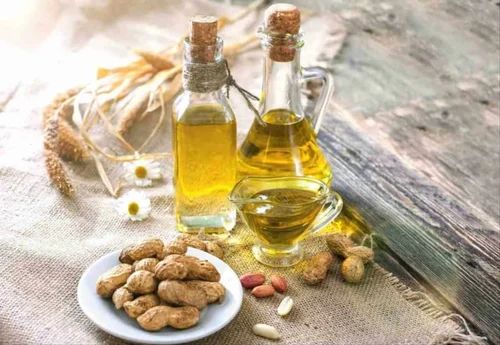
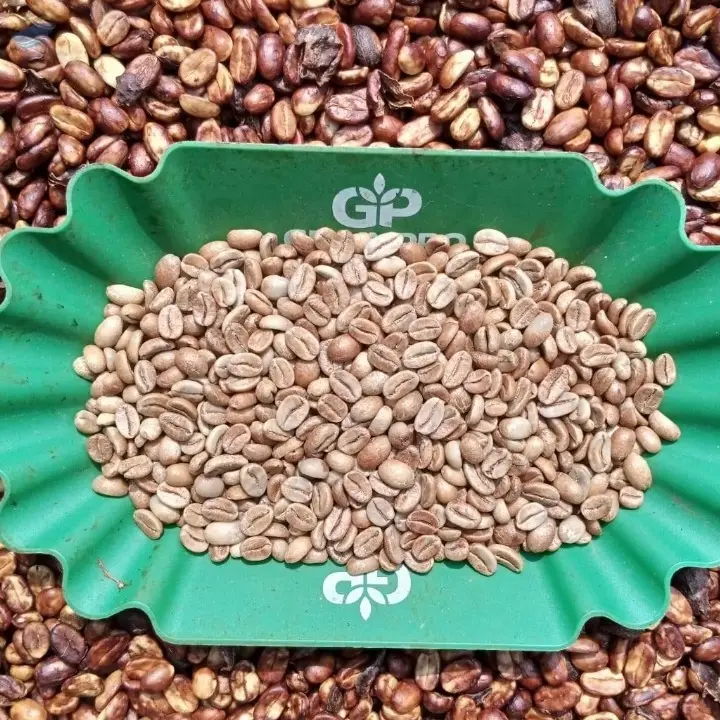
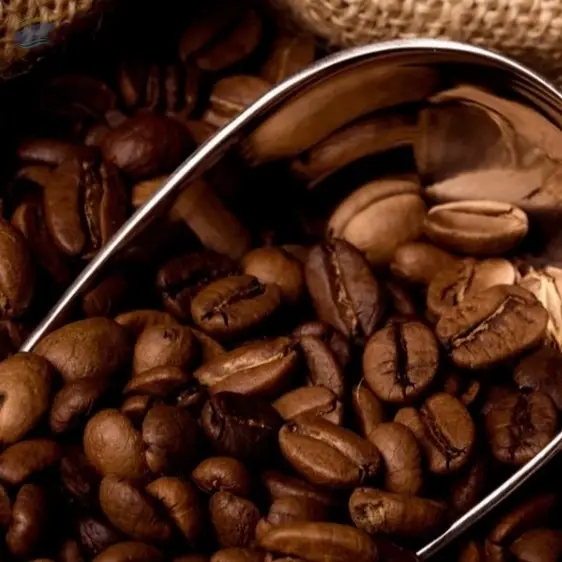
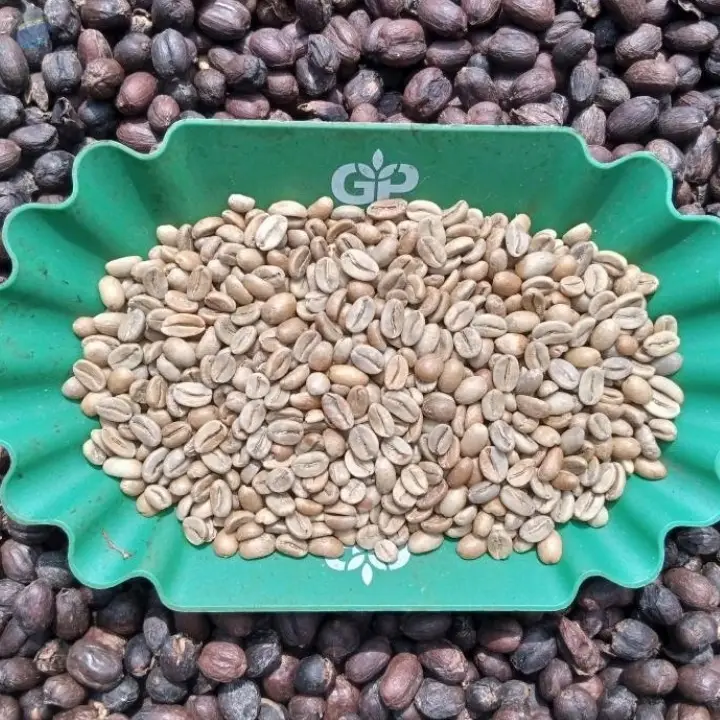
Nigeria, a major agricultural producer in West Africa, is home to Epama Agro Farm, which has an active product count of 10. The company is located in the region and specializes in the sales and distribution of various natural commodities. Epama Agro Farm lists a diverse range of products, including Coffee Beans, classified under HS code 0901.11, and Cocoa Beans, classified under HS code 1801.00. The company also offers Shea butter, classified under HS code 1515.90, and Palm Oil, classified under HS code 1511.10.
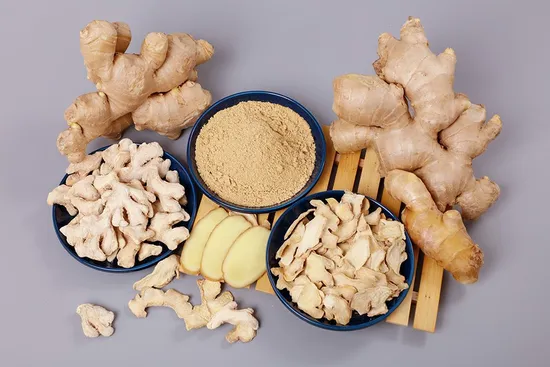
Epama Agro Farm's product range includes Sesame Seeds, classified under HS code 1207.40, Soya Beans, classified under HS code 1201.90, and Maize, classified under HS code 1005.90. The company's catalogue also features Charcoal, classified under HS code 4402.10, Ginger, classified under HS code 0910.11, and Cashew Nut, classified under HS code 1515.90. With its extensive network, Epama Agro Farm delivers superior agricultural goods directly from the source to customers worldwide, ensuring freshness and purity with every purchase.
Product Range and Specialties of Epama Agro Farm
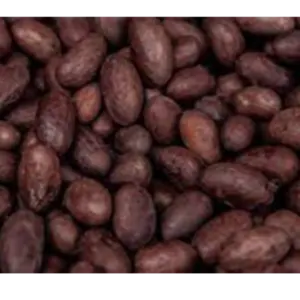
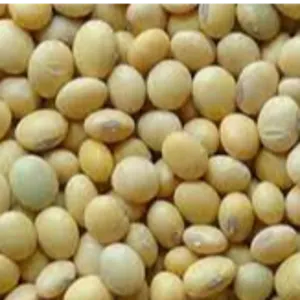
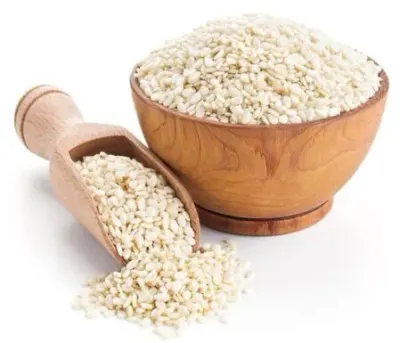
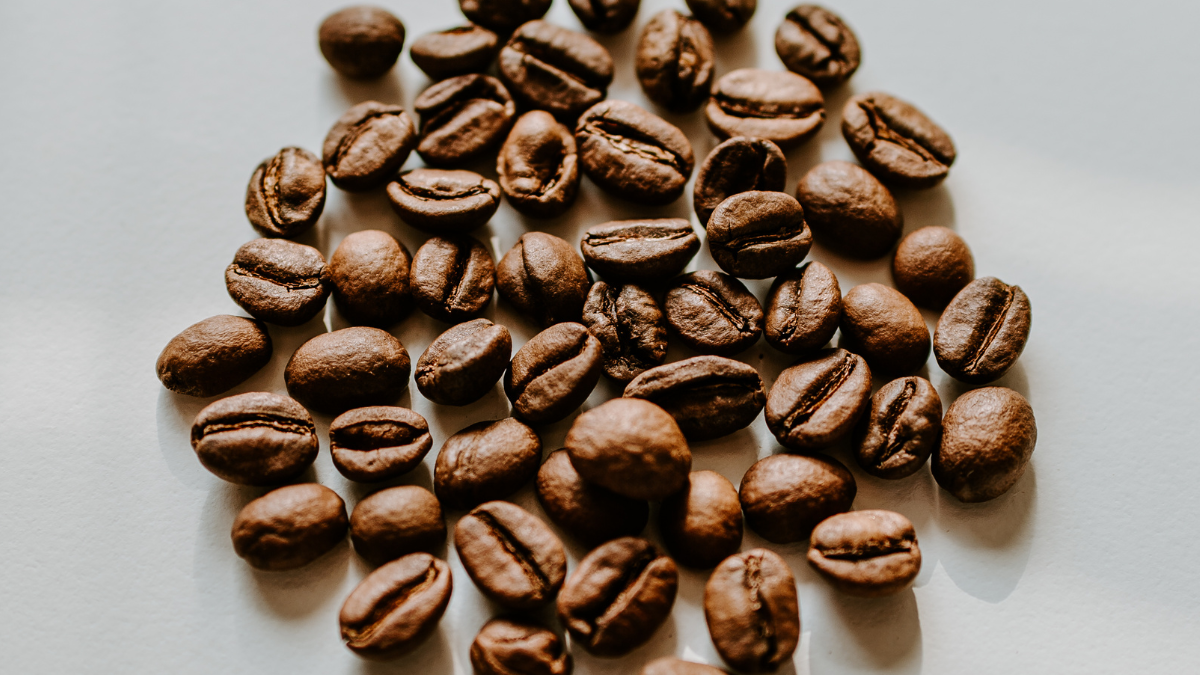
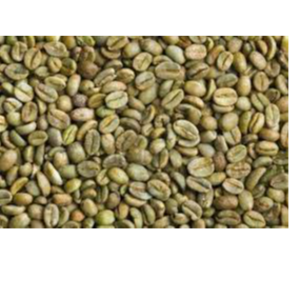
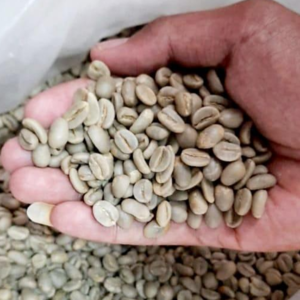
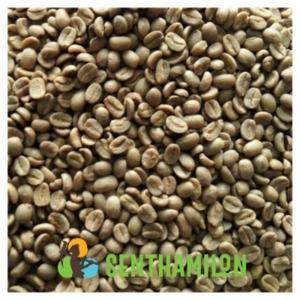
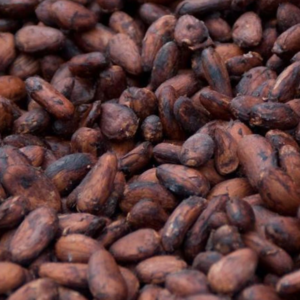
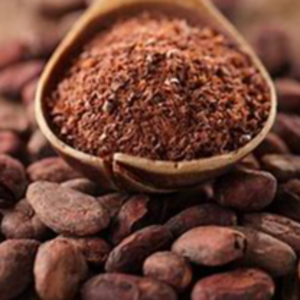
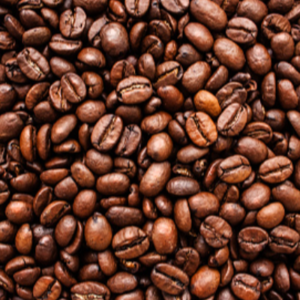
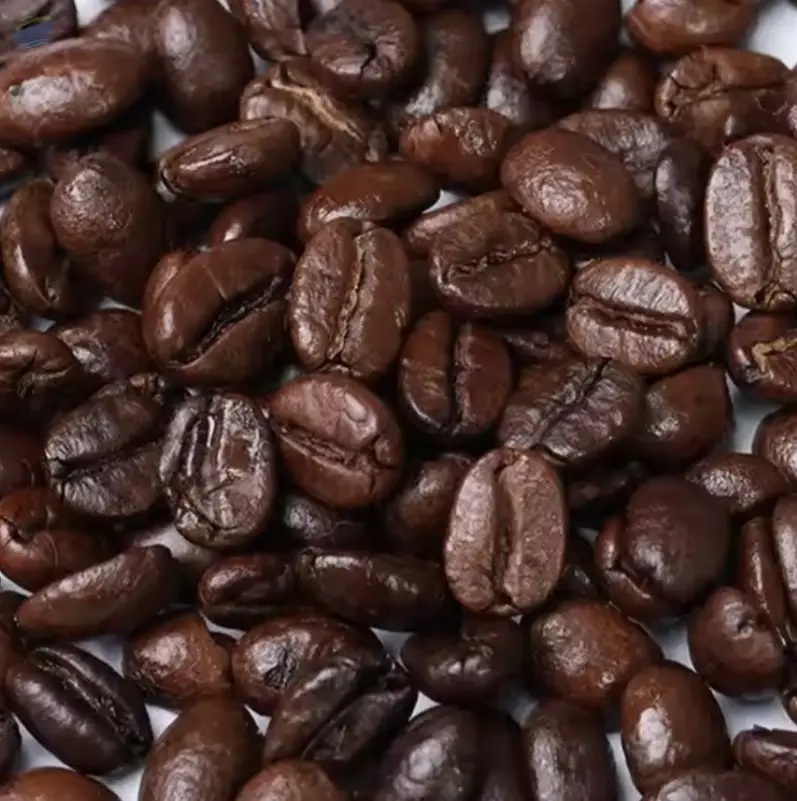
Epama Agro Farm's product range encompasses various agricultural commodities, including Coffee Beans, which are typically graded according to their altitude, processing method, and bean size. For instance, Arabica beans are often considered to be of higher quality than Robusta beans. The company's catalogue also features Cocoa Beans, which are commonly classified according to their variety, such as Forastero, Trinitario, and Criollo. Sesame Seeds and Soya Beans are other products listed by the company, with Sesame Seeds often being graded according to their oil content and Soya Beans being classified according to their protein content.
Trade and Export Information - Epama Agro Farm
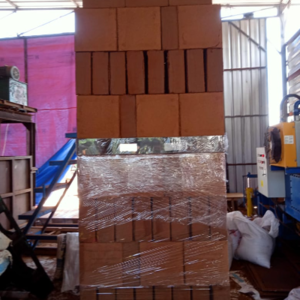
Exporters of agricultural products from Nigeria, like Epama Agro Farm, typically ship their goods to regions such as Europe, Asia, and the Americas. The HS code families involved in the export of these products include 09 for coffee, 18 for cocoa, and 12 for oilseeds. Buyers of these products usually require certifications such as ISO 9001 for quality management and HACCP for food safety. The packaging and logistics norms for these products often involve containers, such as 20 ft or 40 ft containers, and Incoterms like CIF or FOB. The origin country's export context for these products involves compliance with regulations such as those related to phytosanitary and sanitary measures.
Sourcing from Epama Agro Farm - Buyer Guidance
When sourcing from Epama Agro Farm, buyers should request specifications, samples, and test reports for the products they are interested in. For instance, buyers of Coffee Beans should request information on the bean's altitude, processing method, and size. Buyers of Cocoa Beans should request information on the variety and classification of the beans. It is also important for buyers to verify the certifications and documents required for the products, such as ISO 9001 and HACCP, before ordering. Additionally, buyers should confirm the packaging and shipping details, including the container size and Incoterms, to ensure smooth delivery of the products.
Frequently Asked Questions About Epama Agro Farm
What is the HS code for Coffee Beans?
The HS code for Coffee Beans is 0901.11. This code is used for green Arabica coffee beans that are unroasted and raw.
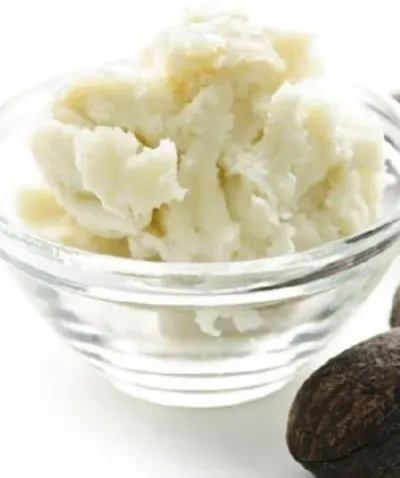
What is the material of Shea butter?
The material of Shea butter is Natural Vegetable Fat, Shea Nut Extract. This material is used for its moisturizing and skin-healing properties.
What is the typical packaging for Palm Oil?
The typical packaging for Palm Oil is in containers, such as 20 ft or 40 ft containers, and is often shipped using Incoterms like CIF or FOB. The packaging should be designed to prevent damage and contamination during transport.
What certifications should buyers request for Cocoa Beans?
Buyers should request certifications such as ISO 9001 for quality management and HACCP for food safety when sourcing Cocoa Beans. These certifications ensure that the products meet international standards for quality and safety.
What is the origin country's export context for agricultural products?
The origin country's export context for agricultural products involves compliance with regulations such as those related to phytosanitary and sanitary measures. Exporters must ensure that their products meet these regulations to avoid delays or rejection of shipments.
How do buyers confirm the quality of Sesame Seeds?
Buyers can confirm the quality of Sesame Seeds by requesting specifications, samples, and test reports from the supplier. They should also verify the certifications and documents required for the product, such as ISO 9001 and HACCP, before ordering.
What is the MOQ for Soya Beans?
The MOQ for Soya Beans may vary depending on the supplier and the specific product. Buyers should confirm the MOQ with the supplier before ordering to ensure that they can meet the minimum quantity requirements.
What is the lead time for delivery of Maize?
The lead time for delivery of Maize may vary depending on the supplier, the destination, and the shipping method. Buyers should confirm the lead time with the supplier before ordering to ensure that they can receive the products in a timely manner.




 , Nigeria