DIRHAM IMPORTAÇÃO E EXPORTAÇÃO LTDA — Verified Suppliers
About DIRHAM IMPORTAÇÃO E EXPORTAÇÃO LTDA - Multi‑Category Supplier in Brazil
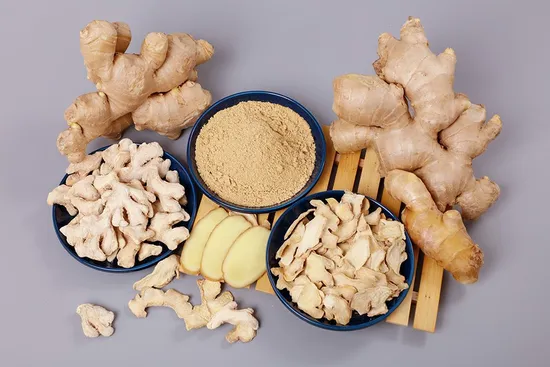
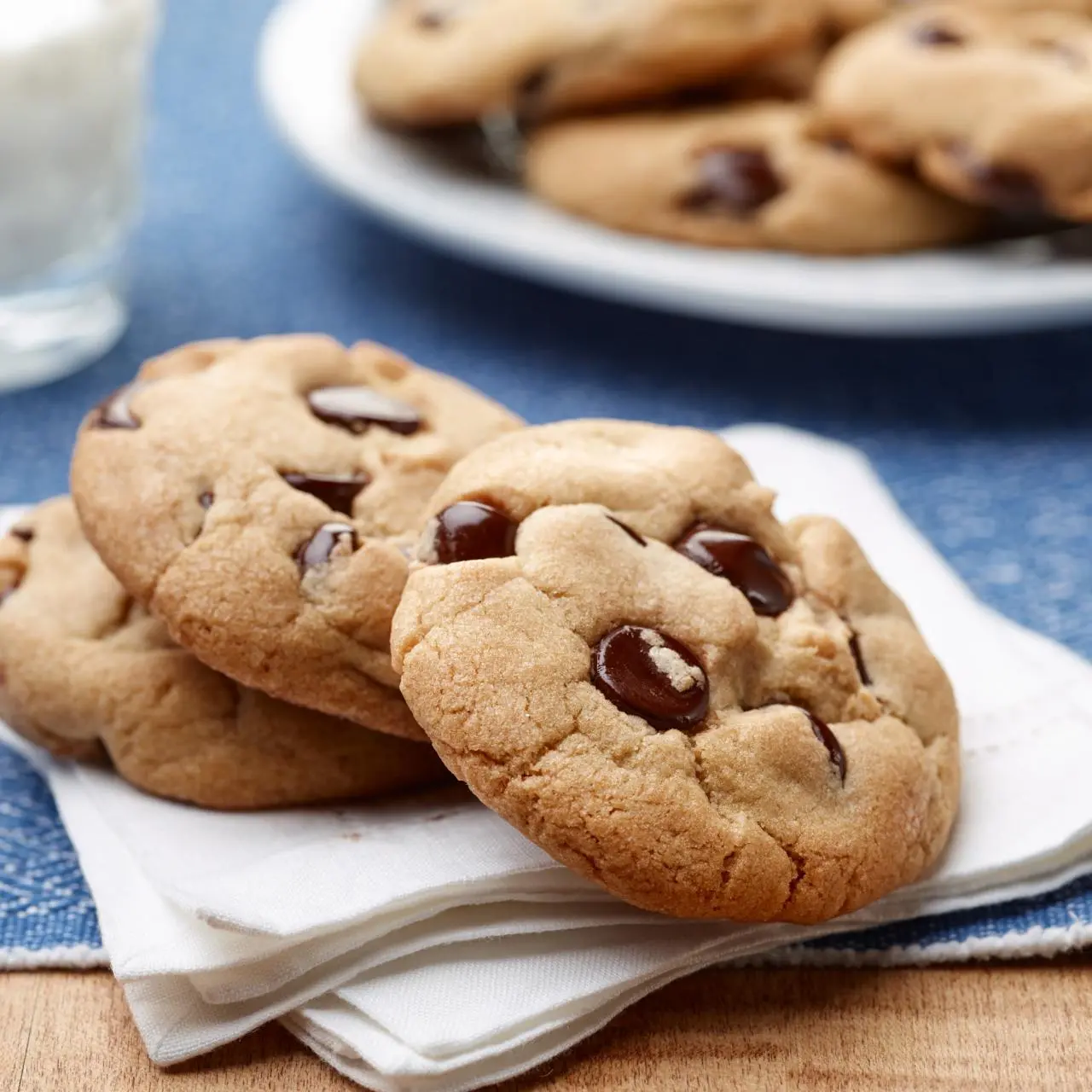
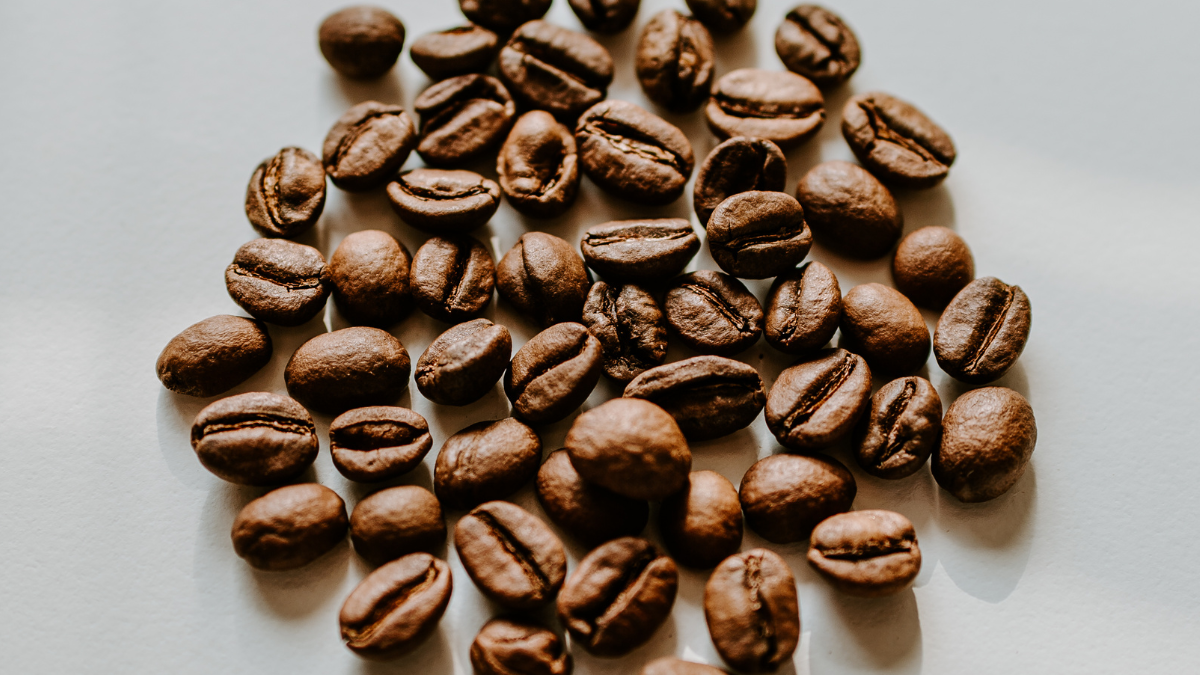
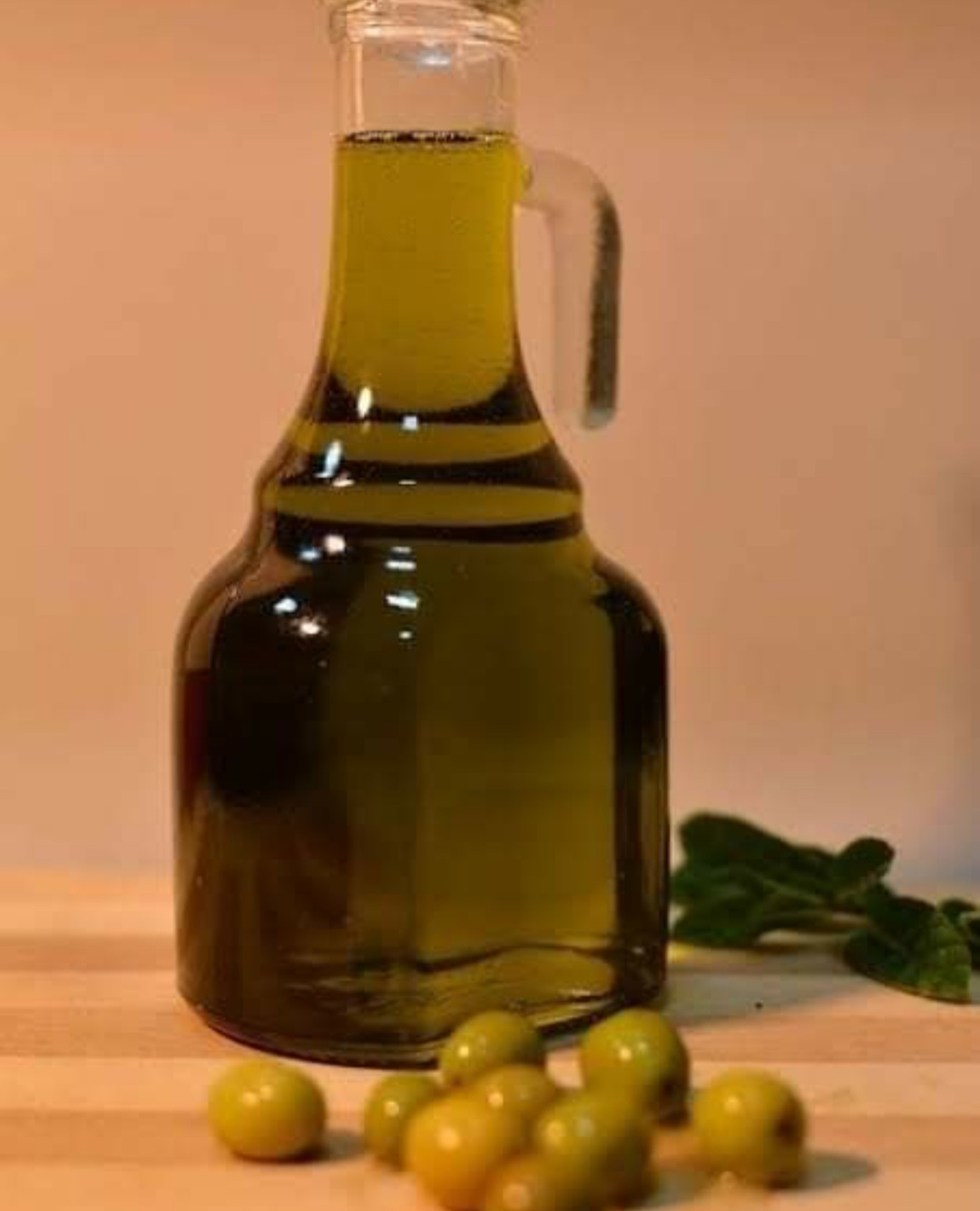
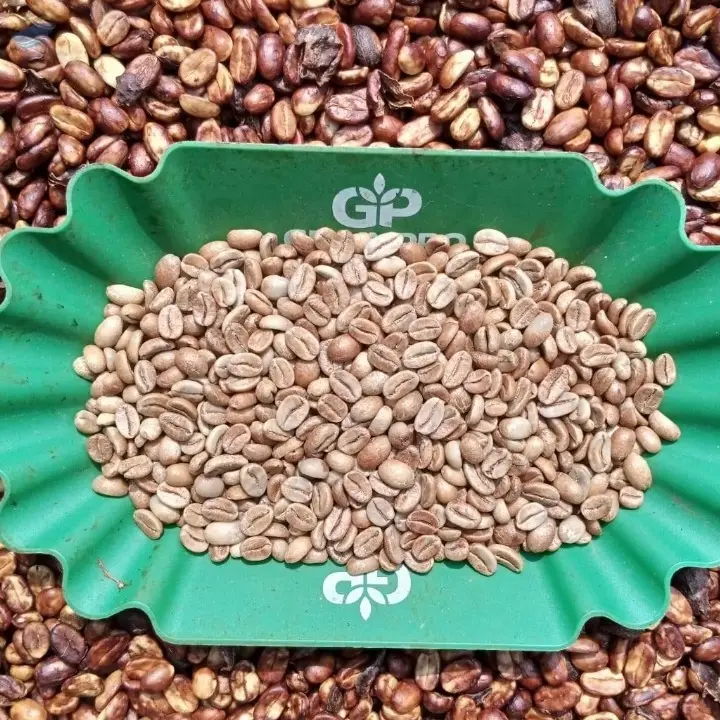
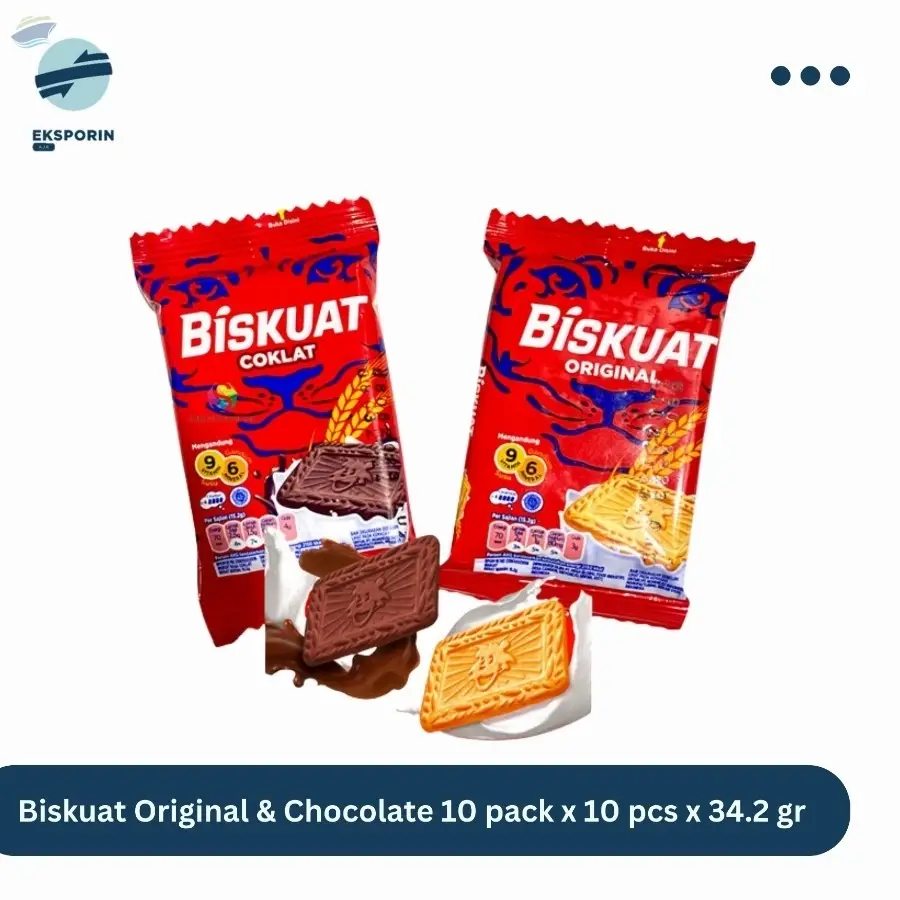
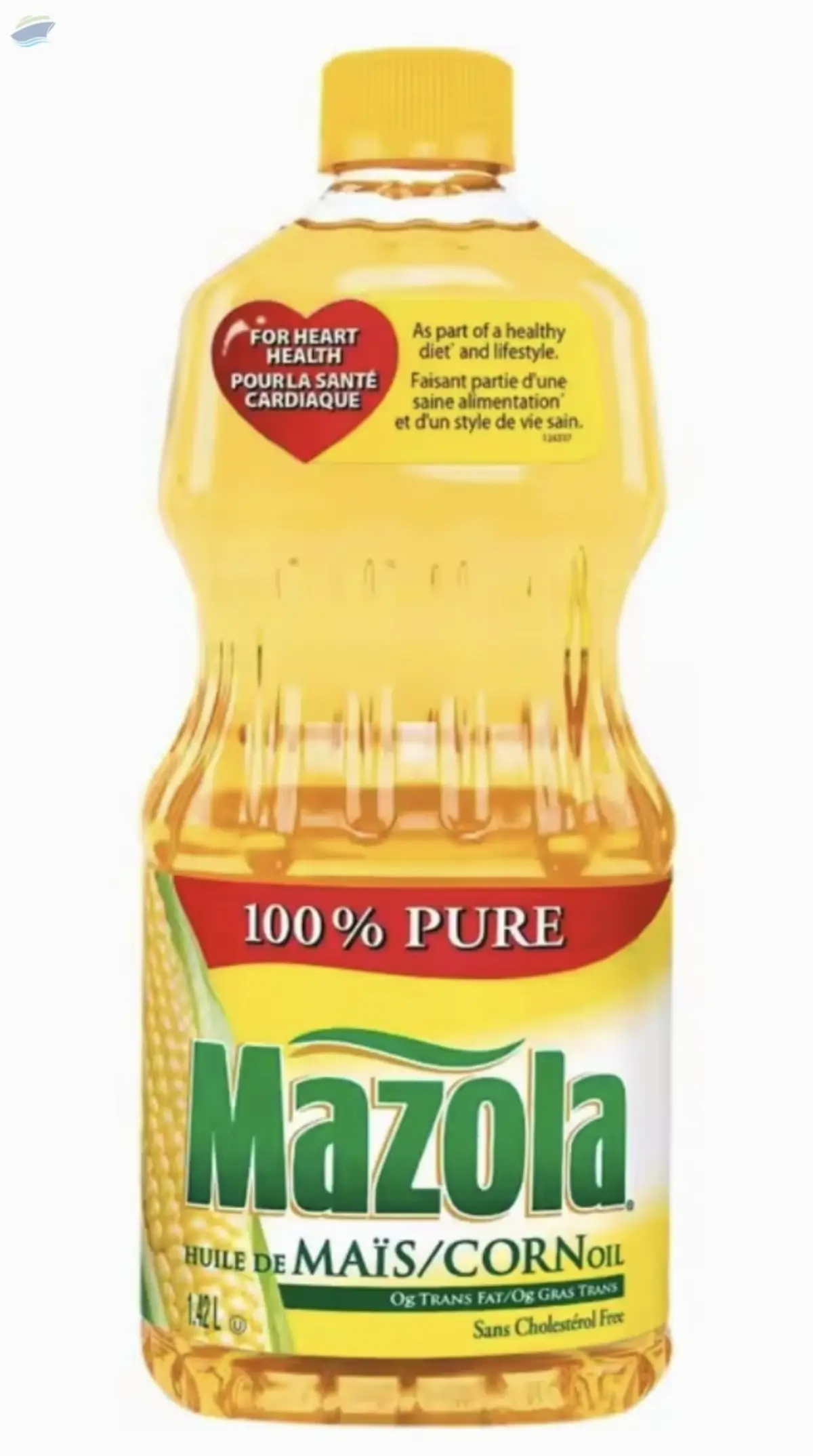
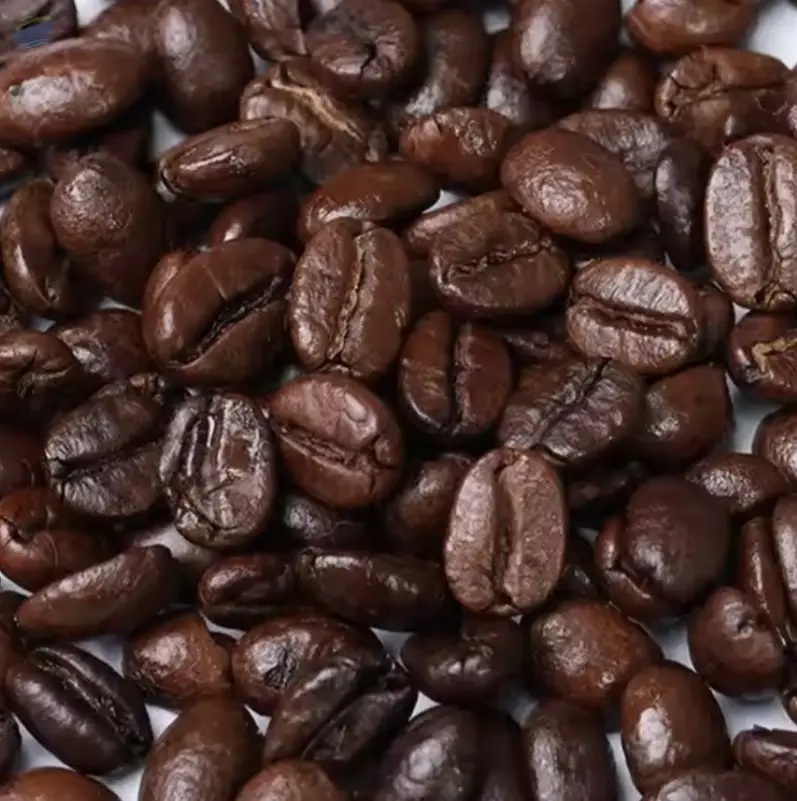
Brazil, state of São Paulo, hosts DIRHAM IMPORTAÇÃO E EXPORTAÇÃO LTDA which currently lists ten active products across food, cosmetic and machinery categories. The catalogue comprises commodities such as broken white rice (HS 1006.40), yellow soybeans (HS 1201.90), green coffee beans (HS 0901.11), açaí pulp (HS 0804.90), dehydrated ginger (HS 0910.11), whole aniseed seeds (HS 0909.61), refined bleached deodorised soy oil (HS 1507.90), a mixed‑grade cosmetic chemical blend (HS 3304.99), bakery‑type cookies (HS 1905.31) and cast‑iron based industrial machinery (HS 8458.11).
Product Range and Specialties of DIRHAM IMPORTAÇÃO E EXPORTAÇÃO LTDA
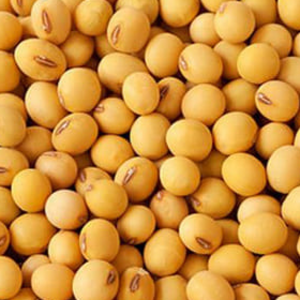
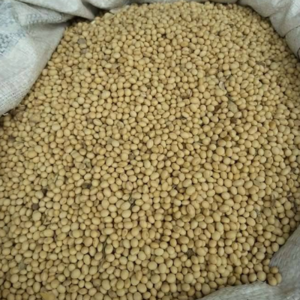
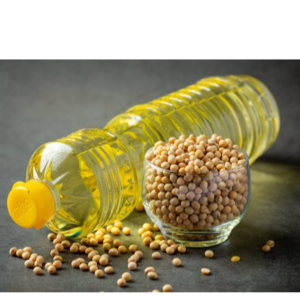
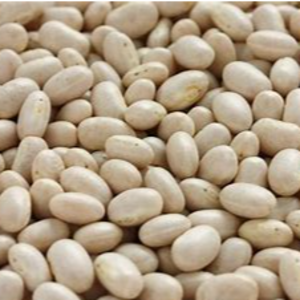
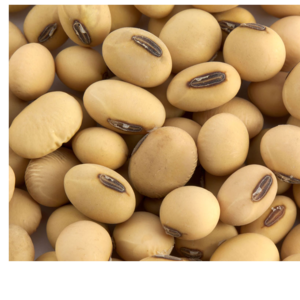
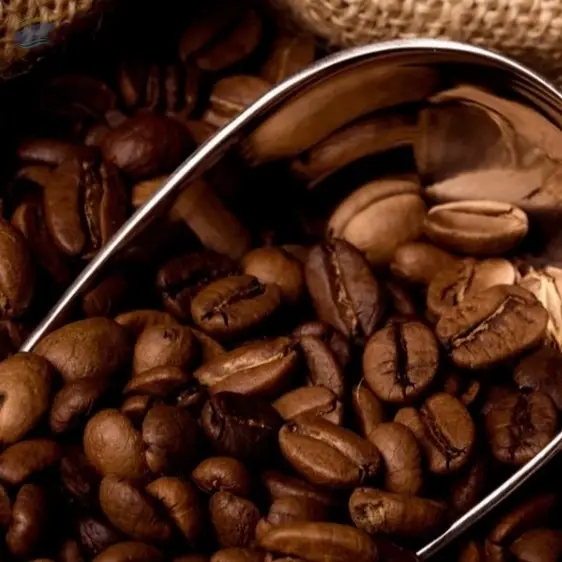
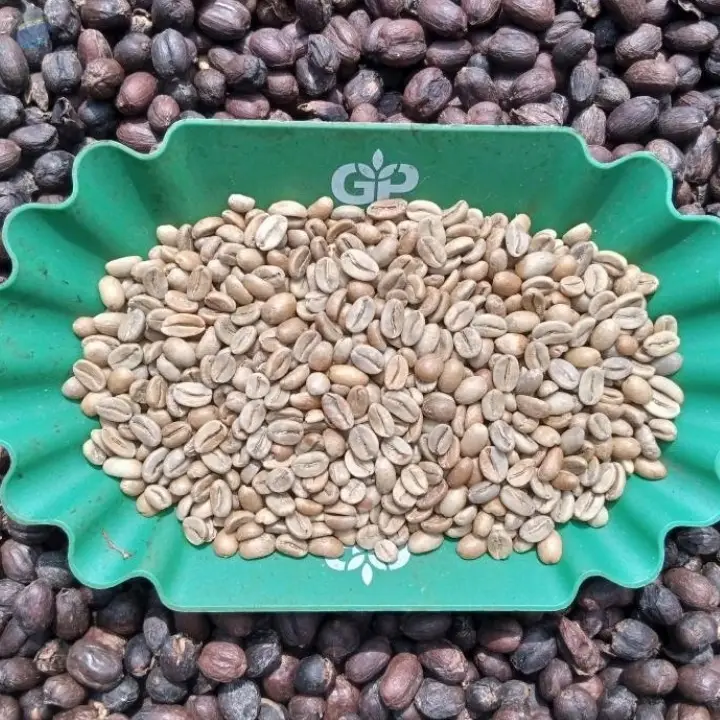
The rice offering is 100 % broken white milled rice, a grade commonly measured by moisture content below 14 % and broken percentage around 30‑40 %. Soybeans are supplied as yellow seeds, typically evaluated for protein content of 35‑40 % and oil content of 18‑22 %. Green coffee beans include both Arabica and Robusta varieties; buyers often request cup‑grade specifications such as screen size 12‑14 mm and moisture under 12 %. The açaí pulp is a fruit puree that usually meets a Brix of 10‑12 % and a microbial load below 10 CFU/g. Dehydrated ginger is dried to a moisture level under 12 % and is commonly shipped in 25 kg bags. Whole aniseed seeds are sold for spice applications, with essential oil content around 2‑3 %. Refined bleached deodorised soy oil conforms to food‑grade standards such as ICUMSA 45 and free fatty acid (FFA) below 0.1 %. The cosmetic chemical blend falls under HS 3304.99 and is typically a multi‑component formulation with purity exceeding 99 % and compliance with EU Cosmetic Regulation (Regulation 1223/2009). Cookies are produced with wheat flour, sugar, vegetable oil and cocoa, packaged in 10 kg or 20 kg bulk packs. The machinery item is a cast‑iron base unit equipped with hardened steel guideways and tungsten‑carbide cutting tools, classified under HS 8458.11 for metal‑working machinery.
Trade and Export Information - DIRHAM IMPORTAÇÃO E EXPORTAÇÃO LTDA
Brazil is a leading exporter of agricultural commodities; rice, soybeans, coffee, açaí, ginger and spice seeds from Brazil regularly ship to the European Union, United States, Middle East and Asian markets. The HS‑code families present in this catalogue (1000‑1009 for cereals, 1200‑1206 for oilseeds, 0900‑0999 for coffee and spices, 1500‑1509 for vegetable oils, 0800‑0899 for fruits and vegetables, 1900‑1999 for prepared foods, 3300‑3399 for cosmetic preparations and 8450‑8499 for machinery) dictate the tariff treatment and required documentation. Typical export documentation includes a phytosanitary certificate for rice, soybeans, ginger and aniseed, a certificate of origin, and a commercial invoice. Buyers frequently request ISO 22000 or HACCP compliance for food items and GMP or ISO 22716 for cosmetic chemicals. Standard containerisation uses 20‑ft or 40‑ft dry containers; for bulk grains such as rice or soybeans a 40‑ft high‑cube container can hold 25‑30 metric tonnes, while packaged goods like cookies or cosmetics are palletised on Euro‑pallets (120 cm × 80 cm).
Sourcing from DIRHAM IMPORTAÇÃO E EXPORTAÇÃO LTDA - Buyer Guidance
When sourcing from DIRHAM IMPORTAÇÃO E EXPORTAÇÃO LTDA, request a product data sheet that lists moisture, protein, oil content or purity values together with recent laboratory analysis reports (e.g., AOAC, ISO 17025). For food items, buyers should ask for a phytosanitary certificate, a certificate of origin and any relevant pesticide residue test results (EU Maximum Residue Limits or US FDA limits). Cosmetic blends require a Safety Data Sheet (SDS), a formulation declaration and evidence of compliance with GMP or ISO 22716. Verify the HS code on the commercial invoice matches the product description to avoid customs delays. Typical minimum order quantities are 5 metric tonnes for bulk grains, 2 metric tonnes for soy oil and 500 kg for specialty items such as açaí pulp; machinery orders usually start at one unit with a lead time of 30‑45 days after payment and final technical approval.
Frequently Asked Questions About DIRHAM IMPORTAÇÃO E EXPORTAÇÃO LTDA
What HS codes are used for the food products listed by DIRHAM?
Rice is classified under HS 1006.40, soybeans under 1201.90, coffee beans under 0901.11, açaí pulp under 0804.90, dehydrated ginger under 0910.11, aniseed seeds under 0909.61 and refined soy oil under 1507.90.
Which quality parameters should I check for the rice offering?
Check the broken percentage (typically 30‑40 %), moisture content below 14 %, and absence of foreign matter. A recent moisture analysis and grain size report are standard verification documents.
Are phytosanitary certificates required for the spice and grain products?
Yes, most importing countries require a phytosanitary certificate for rice, soybeans, ginger and aniseed seeds to confirm they are free from pests and disease.
What certifications are commonly requested for the cosmetic chemical blend?
Buyers usually request a Safety Data Sheet, GMP compliance evidence and, where applicable, ISO 22716 certification to demonstrate proper manufacturing practices.
What are typical packaging formats for the soy oil and cookies?
Refined soy oil is often shipped in 20 L food‑grade drums or 1 000 L IBC totes; cookies are commonly packed in 10 kg or 20 kg bulk bags on Euro‑pallets.
What is the standard lead time for the machinery unit?
The cast‑iron based machinery typically requires 30‑45 days from order confirmation to shipment, allowing time for final quality inspection and export documentation.
Which markets does Brazil usually export these commodities to?
Brazilian exporters of rice, soybeans, coffee, açaí, ginger and spices mainly serve the EU, United States, Middle East and Asian regions such as China, Japan and South Korea.
What documentation should I request before placing an order?
Request a commercial invoice with the correct HS code, a certificate of origin, recent laboratory analysis reports, phytosanitary certificates for plant products and, for cosmetics, an SDS and GMP compliance statement.




 , Brazil