Cobanoglu Yem — Supplier
About Cobanoglu Yem - Animal & Cattle Feed Supplier in Turkey
Cobanoglu Yem is based in Turkey and currently lists 22 distinct feed products in its catalogue. The catalogue covers four main categories: Animal & Cattle Feed, Agriculture Products, Poultry, and Grains & Cereals. Product titles include calf feed, growing feed, breeder feed, various broiler and chicken feeds, as well as sheep and lamb specific formulations such as lamb starter and fattening feed. Each item is classified under the broader HS chapter 23 (animal feeding stuffs). The supplier is recorded as an imported tier with a harbor trust rating.
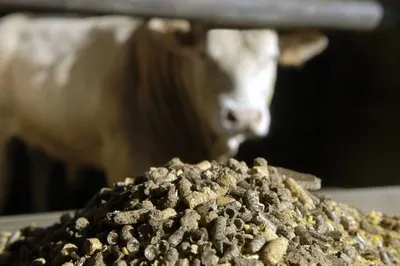
The listed feeds address life‑stage nutrition for ruminants, swine and poultry, ranging from starter pellets for calves and chicks to high‑energy fattening mixes for beef cattle and broilers. In the industry, starter feeds commonly contain 18‑22 % crude protein and are formulated to meet EU/FAO nutrient guidelines, while fattening feeds may exceed 14 % protein with added digestible energy sources. Turkish feed manufacturers often produce mash or pelleted formats in 25 kg polypropylene bags or bulk 1 ton containers. The catalogue’s breadth reflects the sector’s practice of offering both species‑specific and multi‑species formulations to serve regional markets.
Product Range and Specialties of Cobanoglu Yem
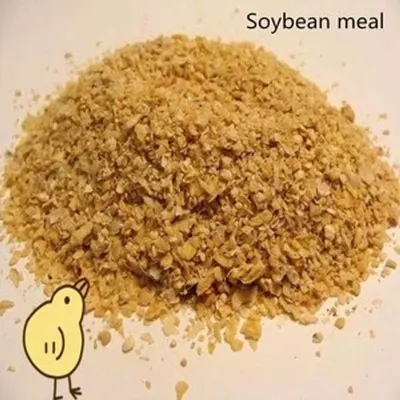
Cobanoglu Yem’s catalogue enumerates feeds such as calf starter, heifer, beef cattle, dairy cattle (16 % protein variant), as well as a full suite of poultry feeds including broiler chick starter, pre‑cut broiler, broiler, and egg‑layer formulations. The feed list also contains lamb starter, growing, and fattening mixes, plus specialized ovary chick feed and sheep milk feeds. Industry standards for these categories differentiate by crude protein (CP) levels, metabolizable energy (ME) values and mineral premix composition; for example, broiler starter feeds are typically 22‑24 % CP with 13 MJ ME/kg, while dairy cattle feeds often target 16 % CP and 1.60 % calcium. Common raw materials include corn, wheat bran, soybean meal, barley, and mineral‑vitamin complexes, processed into mash or pellets.
Typical quality grades for animal feeds are defined by the International Feed Industry Federation (IFIF) specifications and national feed hygiene regulations. Buyers usually request analysis reports covering proximate composition, mycotoxin limits (e.g., aflatoxin < 20 µg/kg), and microbiological counts. Turkish exporters frequently certify compliance with ISO 22000 or HACCP schemes, although specific certifications must be confirmed with the supplier.
Trade and Export Information - Cobanoglu Yem
Turkey ranks among the top exporters of compound animal feeds in the Mediterranean, supplying markets in the Middle East, North Africa, and parts of Eastern Europe. Feed products fall under HS code 2301 xx xx, which covers preparations of a kind used in animal feeding. Export shipments are commonly packed in 25 kg polypropylene bags, bulk 1 ton containers, or 20‑ft/40‑ft ocean containers for larger volumes. Buyers typically expect the exporter to provide phytosanitary certificates, a certificate of origin, and a declaration of compliance with the EU feed hygiene directive when shipping to EU destinations.
Logistics from Turkey’s western ports such as İzmir and Mersin follow standard Incoterms CIF or FOB, with freight rates reflecting the dense maritime connections to the Mediterranean basin. Importers often require the supplier to present test reports for mycotoxins, heavy metals, and nutrient composition, as well as evidence of GMP or ISO 9001 if available. Due to Turkey’s proximity to key livestock‑intensive regions, lead times for sea freight are typically 2‑4 weeks, while air freight is used for urgent sample deliveries.
Sourcing from Cobanoglu Yem - Buyer Guidance
When sourcing feeds from Cobanoglu Yem, buyers should request a recent analysis sheet that lists crude protein, metabolizable energy, fiber fractions, mineral premix levels, and any mycotoxin screening results. It is advisable to obtain a sample of the specific formulation (e.g., broiler chick starter) for trial feeding and laboratory verification before committing to full‑scale orders. Buyers should also verify whether the supplier holds ISO 22000, HACCP, or FSSC 22000 certification, and request copies of those certificates or audit reports.
Typical minimum order quantities for compound feeds range from one 25 kg bag for trial purposes up to full 20 ft container loads of approximately 20 tons. Lead times for production and packaging are generally 7‑14 days after purchase order confirmation, with additional time for customs clearance. Ensure that packaging specifications (bag material, moisture content below 12 %) and shipping terms are clearly defined in the contract to avoid discrepancies.
Frequently Asked Questions About Cobanoglu Yem
What types of animal feed does Cobanoglu Yem offer?
The catalogue lists 22 products covering calf starter, growing and breeder feeds, various poultry feeds such as broiler chick starter, pre‑cut broiler and egg‑layer formulations, as well as sheep and lamb feeds including starter, growing and fattening mixes. The range spans ruminant, swine and poultry life‑stage nutrition.
Are the feeds compliant with international standards?
Turkish feed producers normally adhere to EU feed hygiene regulations and IFIF specifications. Buyers should request the supplier’s ISO 22000, HACCP or FSSC 22000 certificates and a recent laboratory analysis to confirm compliance.
Which HS code applies to the feed products?
Compound animal feeds are classified under HS Chapter 23, specifically code 2301 xx xx for preparations used in animal feeding. The exact sub‑heading depends on the formulation type (e.g., mixed feeds, protein concentrates).
What packaging options are available for bulk orders?
Standard packaging includes 25 kg polypropylene bags, bulk 1 ton bags, and full‑container loads in 20‑ft or 40‑ft containers. Buyers can specify moisture‑resistant liners for longer storage.
What is the typical minimum order quantity and lead time?
Minimum order quantities start at a single 25 kg bag for trial purposes; larger orders are usually shipped in full containers of about 20 tons. Production and packaging lead time is typically 7‑14 days after order confirmation, plus transit time.
Which certifications should a buyer request before purchasing?
Buyers should ask for ISO 22000 or HACCP audit reports, FSSC 22000 if available, and any GMP or ISO 9001 certificates the supplier holds. Additional documents such as a phytosanitary certificate and a certificate of origin are standard for export.
Which regions are the main import destinations for Turkish animal feed?
Turkish animal feed is commonly exported to the Middle East (e.g., Saudi Arabia, United Arab Emirates), North Africa (e.g., Egypt, Algeria), Eastern European countries, and the European Union. Demand is driven by intensive livestock and poultry production in these markets.




 , Turkey