Agriculture Export — Verified Manufacturer & Wholesale Supplier
About Agriculture Export - Dehydrated Vegetables Supplier in India
India, Surat in Gujarat, hosts Agriculture Export which lists 17 active products spanning dehydrated vegetables, spices, grains and legumes. The supplier’s catalogue is organized under top categories such as Dehydrated Onion, Dehydrated Garlic, Dehydrated Spices, Vegetable Powder and other dehydrated vegetables, reflecting the breadth of its product portfolio.
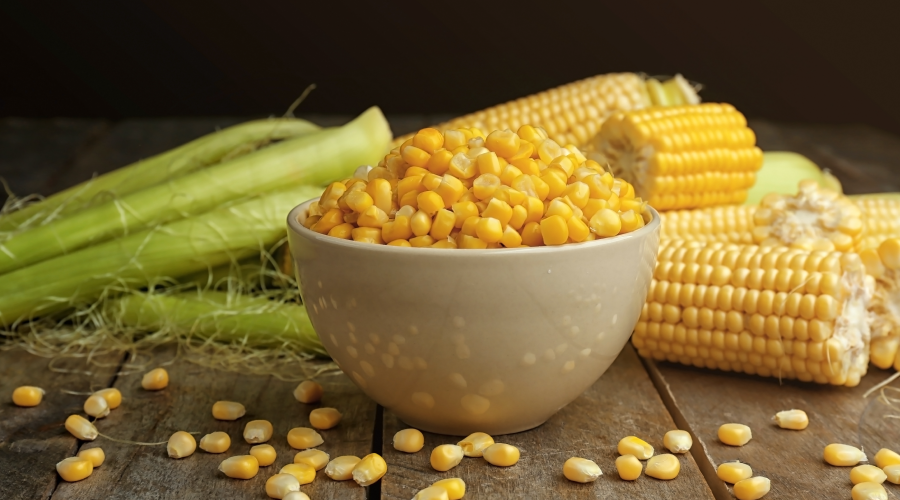
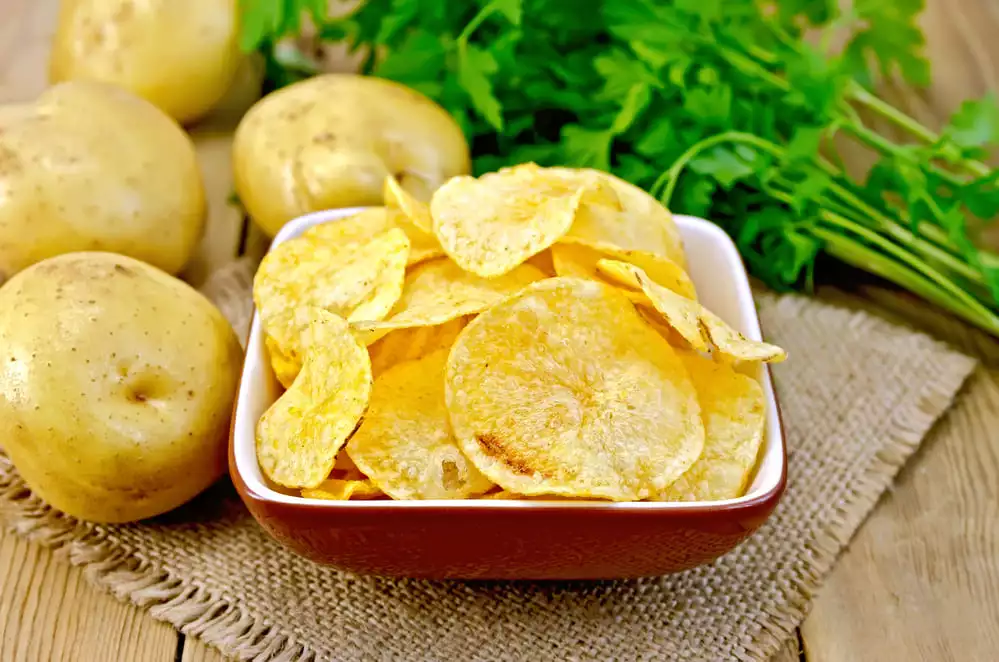
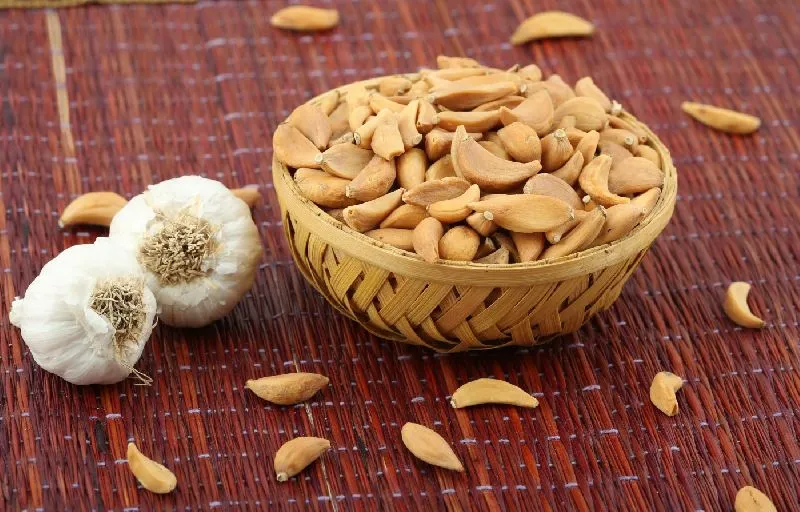
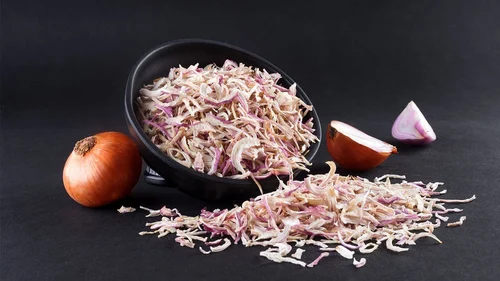
The product list includes Dehydrate Garlic Powder (HS 0910.99, material Garlic Powder), Dehydrate Garlic Flakes (HS 0712.90, material Garlic Flakes and Chopped), Dehydrate Onion Powder (HS 0712.31, material Onion Powder), Dehydrate Onion Flakes (HS 0712.20, material Onion Flakes), Dehydrate Potato Flakes (HS 1105.20, material Dehydrate Potato), Jaggery Powder (HS 1701.14, material Jaggery Powder), Maize (Corn) (HS 1005.90, material Maize), Millet (Pearl Millet - Bajra) (HS 1008.29, material Millet), Soyabean Seed (HS 1201.90, material Soyabean Seed) and several items without listed HS codes such as Dried Onion Powder, Dried Garlic Flakes, and Dried Potato Flakes.
Product Range and Specialties of Agriculture Export
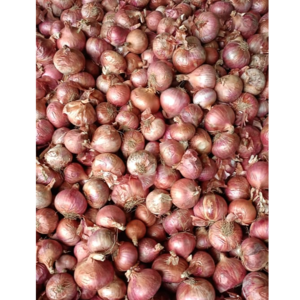
Agriculture Export’s catalogue covers dehydrated garlic powder and flakes, onion powder and flakes, potato flakes, jaggery powder, maize, millet and soybean seed, together with assorted dried vegetable powders. In the dehydrated vegetable segment, buyers typically look for food‑grade products with moisture limits below 12 % for powders and below 10 % for flakes, particle size around 100‑200 µm for powders, and bulk density between 0.4‑0.6 g/cm³. Standard specifications also include microbial limits of ≤10³ CFU/g for total plate count and absence of E. coli and Salmonella, as well as pesticide residue compliance with Codex limits.
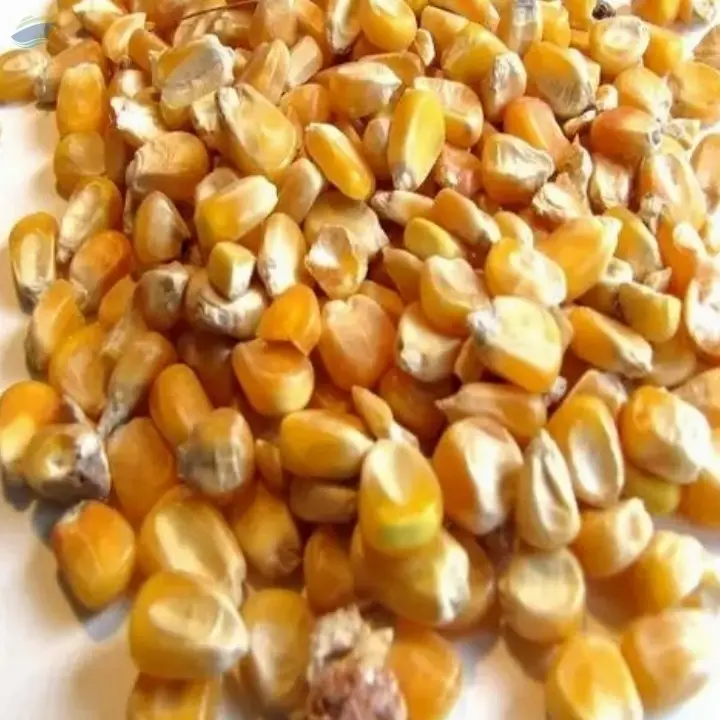
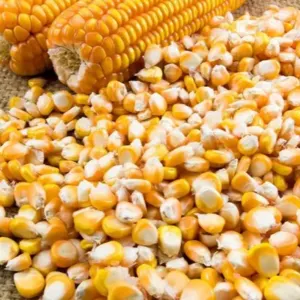
For grains such as maize, millet and soybean, the common grade is “A” with moisture ≤14 %, foreign matter ≤0.5 % and protein content meeting market specifications. Packaging is usually in food‑grade polyethylene bags of 25 kg or 50 kg, with a 20‑ft container holding roughly 4 000 kg of product. Industry practice also demands ISO 22000 or FSSC 22000 certification for processing facilities, and many Indian exporters hold organic certifications that are recognized by EU and US markets.
Trade and Export Information - Agriculture Export
Indian exporters of dehydrated vegetables and spices primarily serve the Middle East, European Union, United States and Southeast Asian regions. The relevant HS code families fall under Chapter 07 (vegetables), Chapter 09 (spices and aromatics), Chapter 10 (cereal, flour, starches) and Chapter 11 (nuts, seeds, fruit, legumes). Buyers frequently require certificates such as FSSAI registration, ISO 22000/FSSC 22000, and, for organic lines, India Organic certification or comparable third‑party organic certificates. Phytosanitary certificates, Certificate of Origin and compliance with EU Regulation 2019/1381 on food safety are standard documentary requirements.
Logistically, shipments are commonly dispatched FOB Surat and transported in 20‑ft or 40‑ft containers with food‑grade inner liners. Typical container loading rates are 1 800 kg for 20‑ft and 3 600 kg for 40‑ft containers of dehydrated powders, while bulk grains can fill a container to around 22 000 kg. Exporters follow Indian customs procedures that include inspection under the Directorate General of Foreign Trade (DGFT) and may need to meet additional destination‑country import permits, especially for organic or halal‑certified products.
Sourcing from Agriculture Export - Buyer Guidance
When sourcing from Agriculture Export, request a detailed specification sheet that lists moisture content, ash, particle size distribution, microbial limits and pesticide residue analysis for each dehydrated product. Verify that the HS code on the commercial invoice matches the product description, and ask for the latest FSSAI license, ISO 22000 or FSSC 22000 audit report, and any organic certification if the product is marketed as organic.
Request a physical sample of the powder or flake to assess colour, aroma and solubility before confirming a bulk order. Confirm packaging details such as bag material, weight, sealing method and container loading plan, and ensure that a phytosanitary certificate and Certificate of Origin will be provided. Typical lead times for Indian dehydrated vegetable exports range from 30 to 45 days after purchase order acceptance, subject to seasonal crop availability.
Frequently Asked Questions About Agriculture Export
What HS codes apply to the dehydrated garlic products?
Dehydrated Garlic Powder is classified under HS 0910.99, while Dehydrated Garlic Flakes fall under HS 0712.90. Both codes belong to the Chapter 07 family for vegetables and Chapter 09 for spices and aromatics.
Which quality specifications should I verify for onion powder?
Buyers should check moisture content ≤12 %, particle size around 150 µm, total plate count ≤10³ CFU/g, and absence of E. coli and Salmonella. A certificate of analysis confirming these parameters is standard.
Are organic certifications available for your products?
The supplier holds organic status as indicated by the "organic" supplier tier, but buyers should request the specific organic certificate (e.g., India Organic or equivalent) and the latest audit report before placing orders.
What packaging formats are used for the grain products?
Grain items such as maize, millet and soybean seed are typically packed in food‑grade polyethylene bags of 25 kg or 50 kg, sealed with heat‑seal or zip‑lock closures, and loaded into 20‑ft or 40‑ft containers for export.
Which documents are required for customs clearance in the EU?
Customs clearance usually requires a commercial invoice with the correct HS code, a Certificate of Origin, a phytosanitary certificate, the supplier’s FSSAI registration, and any applicable organic or halal certificates.
What is the typical lead time for an order of dehydrated vegetable powders?
Lead times generally range from 30 to 45 days after purchase order confirmation, depending on product availability and seasonal harvest cycles.
How can I obtain a sample before a full shipment?
Buyers can request a 500 g to 1 kg sample of the specific powder or flake; the supplier will ship the sample under standard courier terms, accompanied by a brief specification sheet.
What container size is most efficient for shipping dehydrated powders?
A 20‑ft container can accommodate approximately 1 800 kg of dehydrated powder in 25 kg bags, while a 40‑ft container can hold about 3 600 kg, providing optimal space utilization for bulk orders.




 Surat, India





.jpg.png)