Kawa Service Polska Sp. Z O.O. — Verified Supplier
About Kawa Service Polska Sp. Z O.O. - Edible Oils Supplier in Poland
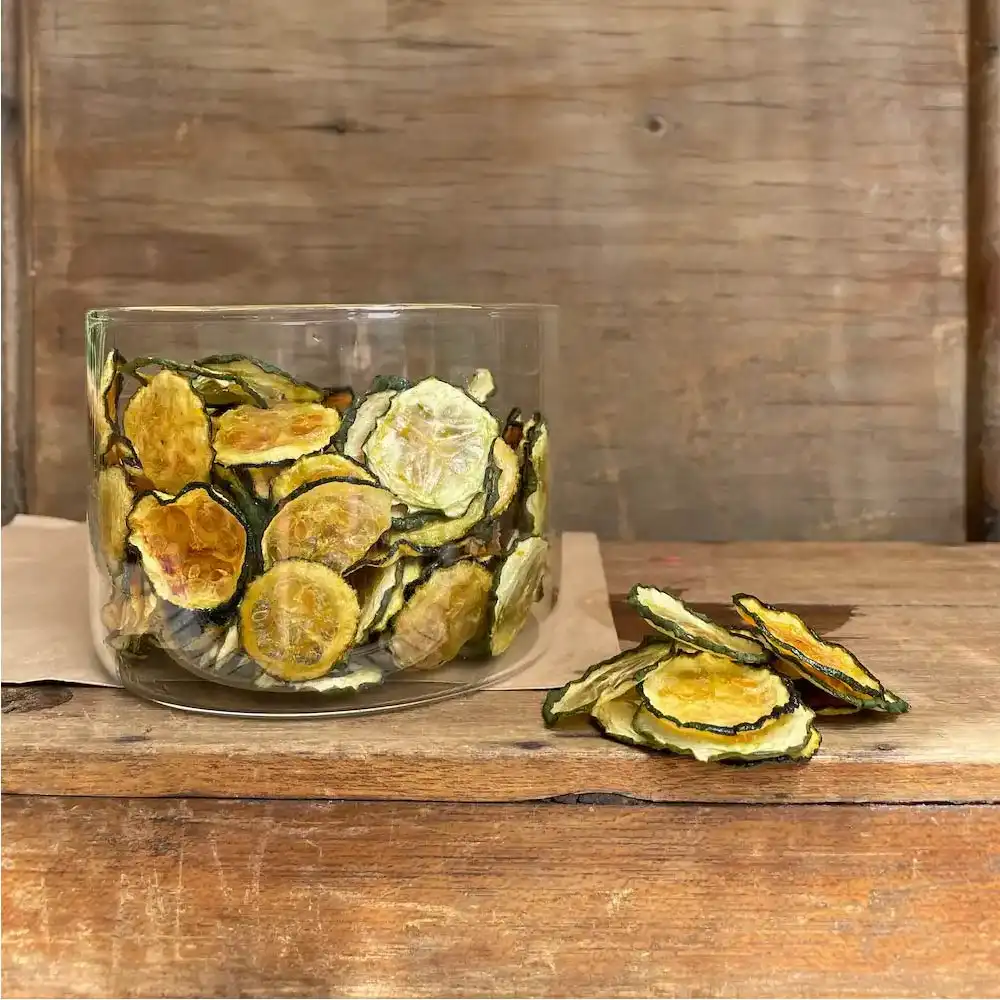
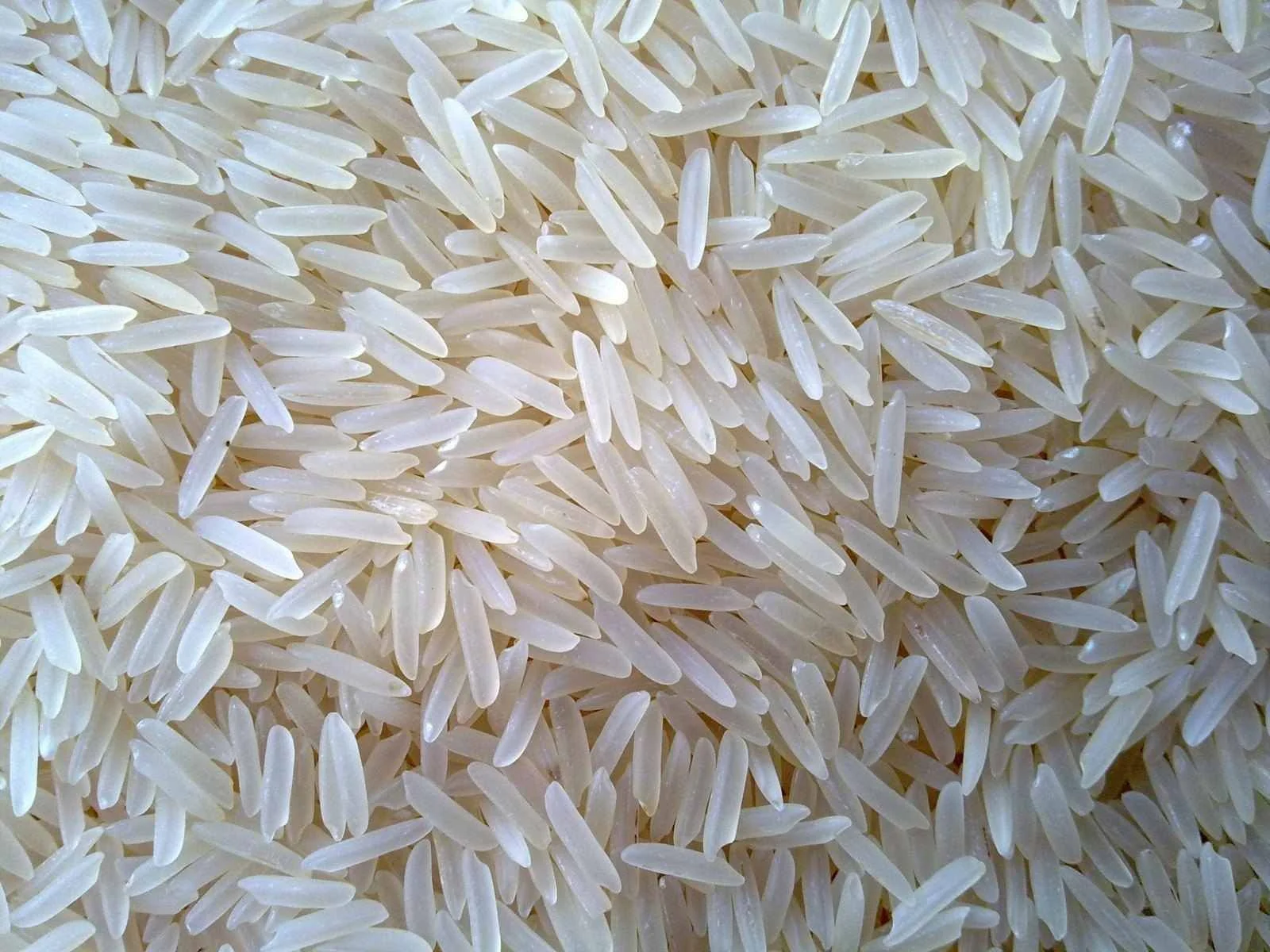
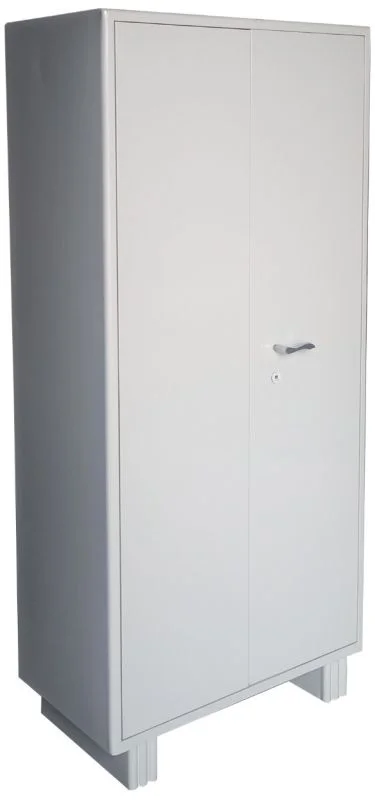
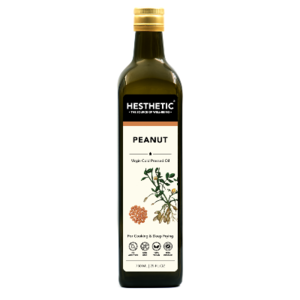
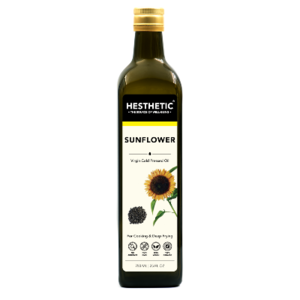
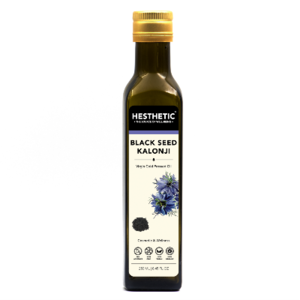
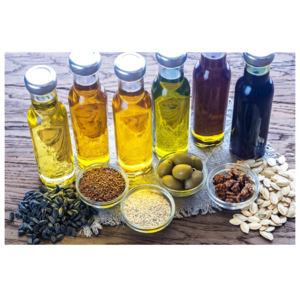
Poland hosts Kawa Service Polska Sp. Z O.O., which lists 20 active products across several food and non‑food categories. The catalogue includes cooking oil, fresh Polish apples, fruit juices, dry fruit and nuts, pasta, poultry, tomato paste, towels, milk powder, an ice maker, office paper, jute bags, refrigerated counters and cupboards, used trucks, tyres, cakes, sweets and candies, canned fruits (HS 2008.99 in lacquered tinplate cans), rice and dehydrated vegetables. Each entry aligns with the supplier’s imported‑harbor tier classification and the stated HS‑code families where provided.
The supplier’s top categories are recorded as Edible Oils, Apple, Fruit Juices, Dehydrated Fruits, Noodles & Pasta, Poultry, Tomato Paste & Purees, and Kitchen Linens. No additional product specifications, certifications or company history are supplied beyond the listed items and the active product count.
Product Range and Specialties of Kawa Service Polska Sp. Z O.O.
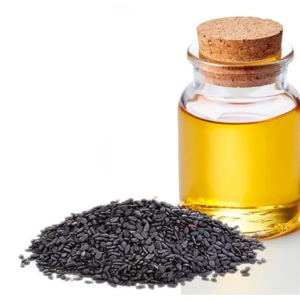
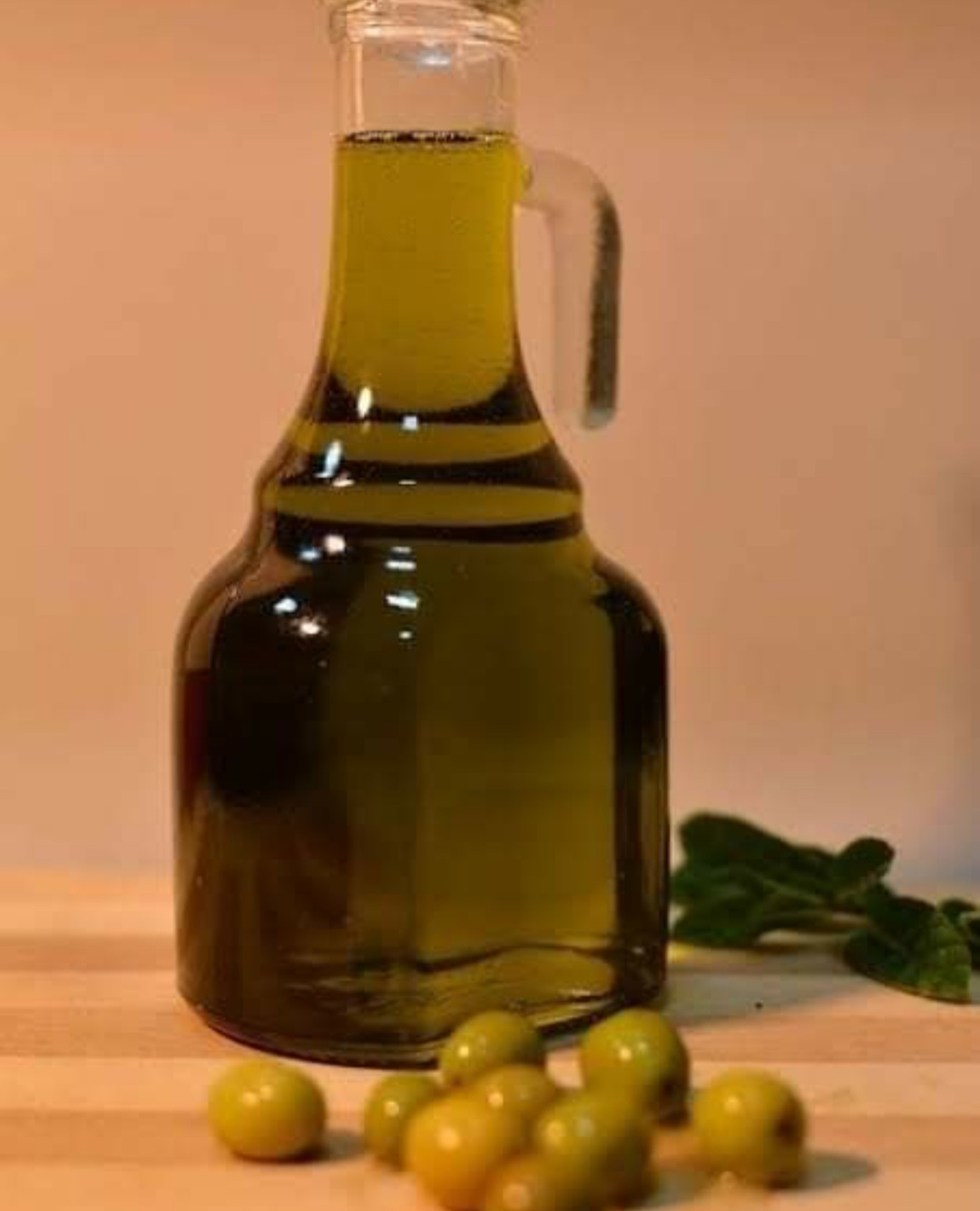
The product range covers common commodity formats: refined cooking oil typically sold in bulk drums or 25 kg IBCs, fresh apples packed in mesh bags, fruit juices in cartons or PET bottles, and dried fruits and nuts supplied in bulk or 1 kg retail packs. Pasta is offered as durum‑wheat semolina strands, while poultry is listed as chilled cuts. Tomato paste is supplied in tinplate cans (HS 2008.99) and milk powder in 25 kg bags. Standard industry grades include ICUMSA 45 for refined oils, Brix 11‑14 for fruit juices, moisture ≤ 12 % for dried fruits, and protein 13‑15 % for durum pasta. Towels fall under textile HS 6302 with typical GSM 300‑400, and canned fruits follow EU food‑contact metal standards.
Industry practice adds that buyers often request HACCP plans, ISO 22000 or BRC certificates for food items, and CE marking for equipment such as the ice maker. For non‑food items like jute bags and used trucks, ISO 9001 quality management and vehicle inspection reports are common verification documents.
Trade and Export Information - Kawa Service Polska Sp. Z O.O.
Polish exporters of edible oils, fresh fruit, poultry and processed tomato products mainly serve EU markets such as Germany, the United Kingdom, the Netherlands and Scandinavia, as well as Middle‑East importers. HS‑code families involved include 1512 for refined vegetable oils, 0808 for fresh apples, 2009 for fruit juices, 0805 for dried fruit, 1902 for pasta, 0207 for poultry, 2002 for tomato paste, 6302 for textiles, 0402 for milk powder, 2008 for canned fruit, 1006 for rice and 2008 for dehydrated vegetables. Buyers typically require compliance with EU food safety regulations, import health certificates, and phytosanitary certificates for fresh produce. Standard logistics involve 20‑ft or 40‑ft containers, bulk pallets for oil drums, and temperature‑controlled reefers for poultry and fresh apples. Common Incoterms are FOB or CIF, with customs clearance handled by freight forwarders familiar with EU and UK import procedures.
Poland’s export infrastructure supports rail and road links to major ports such as Gdańsk and Szczecin, facilitating containerised shipments. Exporters often provide product safety data sheets, material safety data sheets for non‑food items, and certificate of origin to satisfy trade agreements.
Sourcing from Kawa Service Polska Sp. Z O.O. - Buyer Guidance
When sourcing cooking oil from Kawa Service Polska, request a specification sheet that includes acid value, peroxide value and ICUMSA grade, along with a recent HACCP audit report. For fresh apples, ask for a phytosanitary certificate, EU pesticide residue analysis and typical packing dimensions (e.g., 1 kg mesh bags on Euro pallets). Poultry orders should be accompanied by a chilled transport plan, veterinary health certificate and BRC or ISO 22000 certification.
For canned fruits, verify the tinplate material complies with EU food‑contact regulations, request a lab test for metal leaching, and confirm the HS 2008.99 classification matches the packaging. Non‑food items such as jute bags or used trucks require inspection reports, CE conformity (where applicable) and proof of ownership or registration. Sample quantities are usually 5‑10 kg for oils, 10‑20 kg for dry fruits, and a single pallet for textiles, with lead times ranging from 30 to 45 days depending on product and destination.
Frequently Asked Questions About Kawa Service Polska Sp. Z O.O.
What product categories are listed by Kawa Service Polska Sp. Z O.O.?
The catalogue includes cooking oil, fresh Polish apples, fruit juices, dry fruit and nuts, pasta, poultry, tomato paste, towels, milk powder, an ice maker, office paper, jute bags, refrigerated counters and cupboards, used trucks, tyres, cakes, sweets and candies, canned fruits (HS 2008.99), rice and dehydrated vegetables.
Which HS code is associated with the canned fruit product?
The canned fruit is recorded under HS code 2008.99 and is packaged in lacquered tinplate cans suitable for food contact.
What typical specifications should a buyer request for the cooking oil?
Buyers should request the oil’s ICUMSA grade (commonly 45), acid value below 0.5 mg KOH/g, peroxide value under 10 meq O₂/kg and compliance with HACCP or ISO 22000.
Are any certifications mentioned for this supplier?
No certifications are listed in the supplied facts; buyers should request relevant food safety certificates such as HACCP, ISO 22000 or BRC for edible products.
What packaging formats are common for the pasta and rice products?
Polish exporters typically ship pasta in 25 kg bulk bags or 1 kg retail packs, while rice is packed in 20 kg polypropylene bags or 25 kg bulk containers for bulk shipments.
What documentation is needed for importing fresh apples from Poland?
Importers usually need a phytosanitary certificate, EU pesticide residue analysis report, and a certificate of origin, together with packing details on Euro pallets.
How are refrigerated products like poultry and fresh apples transported?
These items are shipped in temperature‑controlled reefers maintaining 0‑4 °C for poultry and 0‑2 °C for fresh apples, often under CIF terms to the buyer’s destination port.
What are the typical lead times for orders from this supplier?
Lead times generally range from 30 to 45 days, depending on the product type, required certifications and the destination market’s import procedures.




 , Poland