Seven Seas Holdings Ceylon Pvt. Ltd. — Verified Supplier

About Seven Seas Holdings Ceylon Pvt. Ltd. - Fresh Seaweed Supplier in Sri Lanka

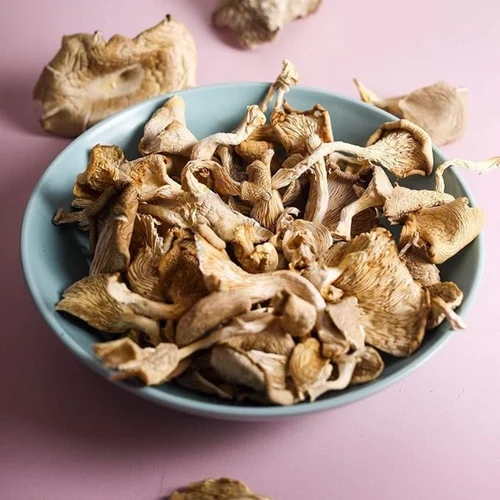
Seven Seas Holdings Ceylon Pvt. Ltd. is based in Sri Lanka and lists six active product lines. The catalogue includes seaweeds, essential oils, coconut shell material, oil seeds, tamarind and a range of cinnamon and other spices, matching the six product count reported in the supplier data. Each entry is presented under its generic category without further sub‑division, reflecting the supplier’s current scope of listings. The company’s trust tier is identified as “harbor,” indicating a moderate level of verification within the platform’s rating system. Buyers can therefore expect a defined set of product types that are commonly traded from Sri Lanka in these categories.

Product Range and Specialties of Seven Seas Holdings Ceylon Pvt. Ltd.

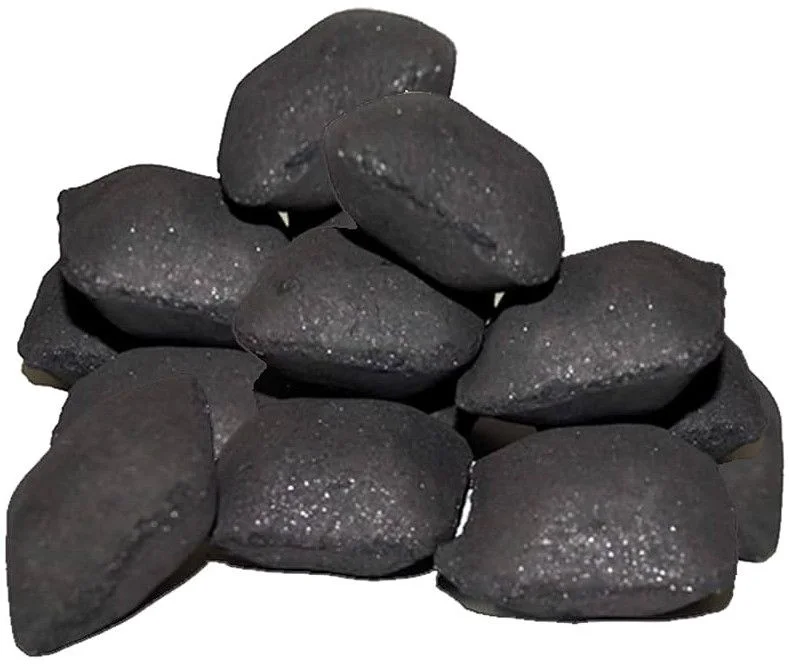
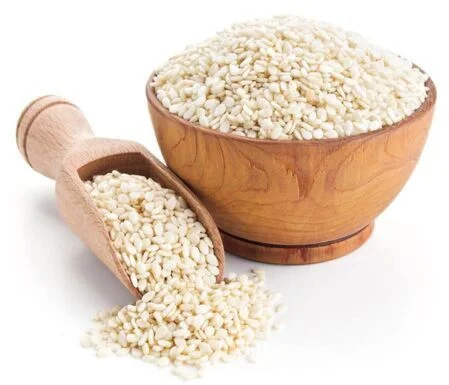
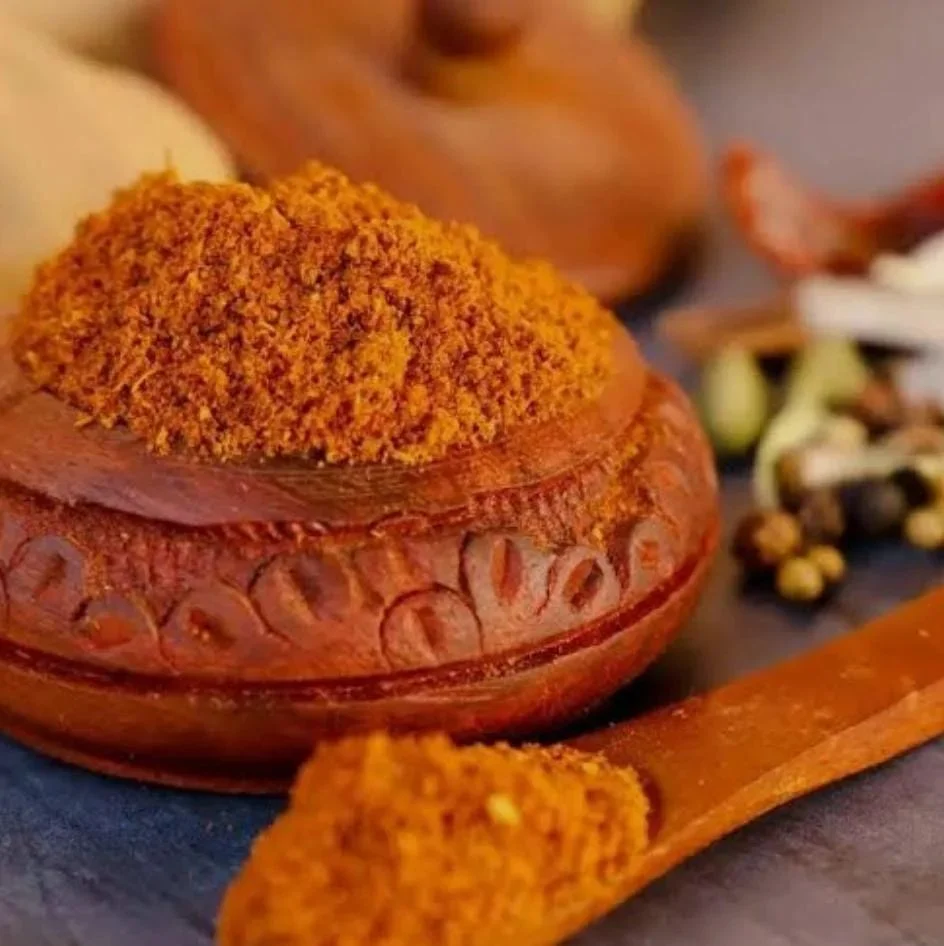
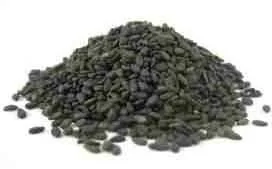
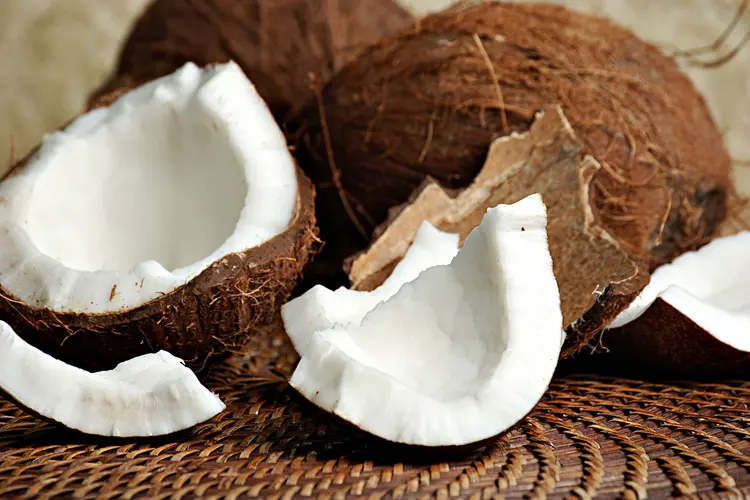
The supplier’s catalogue enumerates seaweeds, essential oils, coconut shell, oil seeds, tamarind and cinnamon‑type spices. In the global market seaweeds are typically graded by moisture content (e.g., 8‑12 % for dried carrageenan‑grade material) and by species such as Gracilaria or Eucheuma. Essential oils are usually specified by botanical name, purity (often ≥ 90 % by GC‑MS) and may carry ISO 22000 or organic certification. Coconut shell material is traded as a lignocellulosic feedstock, often measured in metric tonnes with a moisture limit of ≤ 12 %. Oil seeds from Sri Lanka include sesame, mustard and linseed, commonly classified by oil content (45‑55 % w/w) and free fatty acid level (< 0.5 %). Tamarind pods are exported as dried pulp with a typical moisture range of 10‑12 % and a pulp‑to‑seed ratio around 3:1. Cinnamon and related spices are graded by length (e.g., 4‑6 mm quills) and essential oil content (≥ 2 % for Ceylon cinnamon).

Trade and Export Information - Seven Seas Holdings Ceylon Pvt. Ltd.

Sri Lankan exporters of seaweed, essential oils and spices primarily serve markets in the European Union, United States and Southeast Asia, where demand for natural food additives and aromatics is strong. HS chapters involved include Chapter 12 for oil seeds and related products, Chapter 13 for nuts, fruit and vegetable preparations, and Chapter 09 for coffee, tea, mate and spices. Buyers often require certificates such as ISO 9001, HACCP, and where applicable organic or fair‑trade documentation. Standard packaging includes 20‑ft or 40‑ft containers with bulk bags for seaweed and oil seeds, and moisture‑proof cartons for spices. Incoterms most frequently used are FOB Colombo and CIF major European ports, reflecting Sri Lanka’s well‑developed container handling facilities.

Sourcing from Seven Seas Holdings Ceylon Pvt. Ltd. - Buyer Guidance

When sourcing seaweed or essential oils from this supplier, buyers should request a recent laboratory analysis report confirming moisture, ash and purity levels, as well as a phytosanitary certificate. For coconut shell and oil seeds, a material safety data sheet (MSDS) and a test report on lignin content or oil extraction yield respectively are standard verification documents. Tamarind and cinnamon shipments should be accompanied by a certificate of analysis indicating moisture, foreign matter and essential oil percentage. In all cases, asking for a sample batch and checking conformity with the buyer’s specification sheet before confirming a full order helps mitigate quality risk.

Frequently Asked Questions About Seven Seas Holdings Ceylon Pvt. Ltd.

What product categories does Seven Seas Holdings Ceylon Pvt. Ltd. list?

The supplier lists seaweeds, essential oils, coconut shell material, oil seeds, tamarind and cinnamon plus other spices, totaling six active product lines.

Which HS chapters are relevant for the listed products?

Typical HS chapters are 12 for oil seeds, 13 for nuts, fruit and vegetable preparations, and 09 for spices and aromatic products.

What quality specifications are common for seaweed exports?

Seaweed is usually specified by moisture content (8‑12 %), ash level and species identification; buyers often request a laboratory moisture test report.

What documentation should a buyer request for essential oils?

Buyers should ask for a GC‑MS purity certificate, a phytosanitary certificate and any applicable organic or ISO 22000 compliance documents.

How are coconut shell products typically packaged for export?

Coconut shell material is generally shipped in bulk bags or shipped loose in 20‑ft or 40‑ft containers with moisture‑proof liners.

What are the common grading criteria for cinnamon and related spices?

Cinnamon is graded by quill length (4‑6 mm typical for Ceylon cinnamon), essential oil content (≥ 2 %) and low foreign matter percentage.

Which certifications are usually required for oil seeds from Sri Lanka?

Buyers often require an ISO 9001 or HACCP audit report, a pesticide residue analysis and, for certain markets, an organic certification.

What incoterms are most frequently used for shipments from this supplier?

FOB Colombo and CIF to major European ports are the most common incoterms used for these product categories.


Featured Products from this Supplier

Other Suppliers in Primary Category

Top Trusted Suppliers

Related Products

Trending in Parent Category

More Suppliers in Category

Related Products

Other Suppliers

EximNext
58.5K+ live requirements
Register Free🎁 Reach verified global buyers
Post Requirement
🌍 Trusted by 224.6K+ businesses in 200+ countries|
58.5K+ active requirements right now
✉️ [email protected]
|
Sell on EximNextPost Requirement
EximNext
AgricultureApparelConstructionElectronicFoodHomeIndustrialMineralsMiscellaneous
🔥 Deals|✨ AI Match|🏭 Suppliers|📋 Buy Leads|💰 Trade Finance
58.5K+ live RFQs·194.6K+ suppliers
🎁 Reach global buyers →
EximNext
EximNext
Register Free
🎁 Reach verified global buyers
Sign In
📋Post Requirement💬Get QuotesAI Match📋RFQ Marketplace
All Categories
Services & Tools
🏭Supplier Directory🔥Today's Deals💰Trade Finance
Sell on EximNext
AboutContactBlogHelp
🏭

Seven Seas Holdings Ceylon Pvt. Ltd.

Harbor
Country flag , Sri Lanka
🛡️
54/100
Trust Score

Seven Seas Holdings Ceylon Pvt. Ltd. Product Catalog

Showing 6 of 6 products
View all products →
Seaweeds
Harbor
Seaweeds
Contact
MOQ: 1 Unit
Essential oils
Harbor
Essential oils
Contact
MOQ: 1 Unit
Coconut shell
Harbor
Coconut shell
Contact
MOQ: 1 Unit
Oil Seeds
Harbor
Oil Seeds
Contact
MOQ: 1 Unit
Tamarind
Harbor
Tamarind
Contact
MOQ: 1 Unit
Cinnamon and other spices
Harbor
Cinnamon and other spices
Contact
MOQ: 1 Unit

About Seven Seas Holdings Ceylon Pvt. Ltd. - Fresh Seaweed Supplier in Sri Lanka

Seven Seas Holdings Ceylon Pvt. Ltd. is based in Sri Lanka and lists six active product lines. The catalogue includes seaweeds, essential oils, coconut shell material, oil seeds, tamarind and a range of cinnamon and other spices, matching the six product count reported in the supplier data. Each entry is presented under its generic category without further sub‑division, reflecting the supplier’s current scope of listings. The company’s trust tier is identified as “harbor,” indicating a moderate level of verification within the platform’s rating system. Buyers can therefore expect a defined set of product types that are commonly traded from Sri Lanka in these categories.

Product Range and Specialties of Seven Seas Holdings Ceylon Pvt. Ltd.

The supplier’s catalogue enumerates seaweeds, essential oils, coconut shell, oil seeds, tamarind and cinnamon‑type spices. In the global market seaweeds are typically graded by moisture content (e.g., 8‑12 % for dried carrageenan‑grade material) and by species such as Gracilaria or Eucheuma. Essential oils are usually specified by botanical name, purity (often ≥ 90 % by GC‑MS) and may carry ISO 22000 or organic certification. Coconut shell material is traded as a lignocellulosic feedstock, often measured in metric tonnes with a moisture limit of ≤ 12 %. Oil seeds from Sri Lanka include sesame, mustard and linseed, commonly classified by oil content (45‑55 % w/w) and free fatty acid level (< 0.5 %). Tamarind pods are exported as dried pulp with a typical moisture range of 10‑12 % and a pulp‑to‑seed ratio around 3:1. Cinnamon and related spices are graded by length (e.g., 4‑6 mm quills) and essential oil content (≥ 2 % for Ceylon cinnamon).

Trade and Export Information - Seven Seas Holdings Ceylon Pvt. Ltd.

Sri Lankan exporters of seaweed, essential oils and spices primarily serve markets in the European Union, United States and Southeast Asia, where demand for natural food additives and aromatics is strong. HS chapters involved include Chapter 12 for oil seeds and related products, Chapter 13 for nuts, fruit and vegetable preparations, and Chapter 09 for coffee, tea, mate and spices. Buyers often require certificates such as ISO 9001, HACCP, and where applicable organic or fair‑trade documentation. Standard packaging includes 20‑ft or 40‑ft containers with bulk bags for seaweed and oil seeds, and moisture‑proof cartons for spices. Incoterms most frequently used are FOB Colombo and CIF major European ports, reflecting Sri Lanka’s well‑developed container handling facilities.

Sourcing from Seven Seas Holdings Ceylon Pvt. Ltd. - Buyer Guidance

When sourcing seaweed or essential oils from this supplier, buyers should request a recent laboratory analysis report confirming moisture, ash and purity levels, as well as a phytosanitary certificate. For coconut shell and oil seeds, a material safety data sheet (MSDS) and a test report on lignin content or oil extraction yield respectively are standard verification documents. Tamarind and cinnamon shipments should be accompanied by a certificate of analysis indicating moisture, foreign matter and essential oil percentage. In all cases, asking for a sample batch and checking conformity with the buyer’s specification sheet before confirming a full order helps mitigate quality risk.

Frequently Asked Questions About Seven Seas Holdings Ceylon Pvt. Ltd.

What product categories does Seven Seas Holdings Ceylon Pvt. Ltd. list?

The supplier lists seaweeds, essential oils, coconut shell material, oil seeds, tamarind and cinnamon plus other spices, totaling six active product lines.

Which HS chapters are relevant for the listed products?

Typical HS chapters are 12 for oil seeds, 13 for nuts, fruit and vegetable preparations, and 09 for spices and aromatic products.

What quality specifications are common for seaweed exports?

Seaweed is usually specified by moisture content (8‑12 %), ash level and species identification; buyers often request a laboratory moisture test report.

What documentation should a buyer request for essential oils?

Buyers should ask for a GC‑MS purity certificate, a phytosanitary certificate and any applicable organic or ISO 22000 compliance documents.

How are coconut shell products typically packaged for export?

Coconut shell material is generally shipped in bulk bags or shipped loose in 20‑ft or 40‑ft containers with moisture‑proof liners.

What are the common grading criteria for cinnamon and related spices?

Cinnamon is graded by quill length (4‑6 mm typical for Ceylon cinnamon), essential oil content (≥ 2 %) and low foreign matter percentage.

Which certifications are usually required for oil seeds from Sri Lanka?

Buyers often require an ISO 9001 or HACCP audit report, a pesticide residue analysis and, for certain markets, an organic certification.

What incoterms are most frequently used for shipments from this supplier?

FOB Colombo and CIF to major European ports are the most common incoterms used for these product categories.

About Seven Seas Holdings Ceylon Pvt. Ltd. - Fresh Seaweed Supplier in Sri Lanka

Seven Seas Holdings Ceylon Pvt. Ltd. is based in Sri Lanka and lists six active product lines. The catalogue includes seaweeds, essential oils, coconut shell material, oil seeds, tamarind and a range of cinnamon and other spices, matching the six product count reported in the supplier data. Each entry is presented under its generic category without further sub‑division, reflecting the supplier’s current scope of listings. The company’s trust tier is identified as “harbor,” indicating a moderate level of verification within the platform’s rating system. Buyers can therefore expect a defined set of product types that are commonly traded from Sri Lanka in these categories.

Product Range and Specialties of Seven Seas Holdings Ceylon Pvt. Ltd.

The supplier’s catalogue enumerates seaweeds, essential oils, coconut shell, oil seeds, tamarind and cinnamon‑type spices. In the global market seaweeds are typically graded by moisture content (e.g., 8‑12 % for dried carrageenan‑grade material) and by species such as Gracilaria or Eucheuma. Essential oils are usually specified by botanical name, purity (often ≥ 90 % by GC‑MS) and may carry ISO 22000 or organic certification. Coconut shell material is traded as a lignocellulosic feedstock, often measured in metric tonnes with a moisture limit of ≤ 12 %. Oil seeds from Sri Lanka include sesame, mustard and linseed, commonly classified by oil content (45‑55 % w/w) and free fatty acid level (< 0.5 %). Tamarind pods are exported as dried pulp with a typical moisture range of 10‑12 % and a pulp‑to‑seed ratio around 3:1. Cinnamon and related spices are graded by length (e.g., 4‑6 mm quills) and essential oil content (≥ 2 % for Ceylon cinnamon).

Trade and Export Information - Seven Seas Holdings Ceylon Pvt. Ltd.

Sri Lankan exporters of seaweed, essential oils and spices primarily serve markets in the European Union, United States and Southeast Asia, where demand for natural food additives and aromatics is strong. HS chapters involved include Chapter 12 for oil seeds and related products, Chapter 13 for nuts, fruit and vegetable preparations, and Chapter 09 for coffee, tea, mate and spices. Buyers often require certificates such as ISO 9001, HACCP, and where applicable organic or fair‑trade documentation. Standard packaging includes 20‑ft or 40‑ft containers with bulk bags for seaweed and oil seeds, and moisture‑proof cartons for spices. Incoterms most frequently used are FOB Colombo and CIF major European ports, reflecting Sri Lanka’s well‑developed container handling facilities.

Sourcing from Seven Seas Holdings Ceylon Pvt. Ltd. - Buyer Guidance

When sourcing seaweed or essential oils from this supplier, buyers should request a recent laboratory analysis report confirming moisture, ash and purity levels, as well as a phytosanitary certificate. For coconut shell and oil seeds, a material safety data sheet (MSDS) and a test report on lignin content or oil extraction yield respectively are standard verification documents. Tamarind and cinnamon shipments should be accompanied by a certificate of analysis indicating moisture, foreign matter and essential oil percentage. In all cases, asking for a sample batch and checking conformity with the buyer’s specification sheet before confirming a full order helps mitigate quality risk.

Frequently Asked Questions About Seven Seas Holdings Ceylon Pvt. Ltd.
What product categories does Seven Seas Holdings Ceylon Pvt. Ltd. list?
The supplier lists seaweeds, essential oils, coconut shell material, oil seeds, tamarind and cinnamon plus other spices, totaling six active product lines.
Which HS chapters are relevant for the listed products?
Typical HS chapters are 12 for oil seeds, 13 for nuts, fruit and vegetable preparations, and 09 for spices and aromatic products.
What quality specifications are common for seaweed exports?
Seaweed is usually specified by moisture content (8‑12 %), ash level and species identification; buyers often request a laboratory moisture test report.
What documentation should a buyer request for essential oils?
Buyers should ask for a GC‑MS purity certificate, a phytosanitary certificate and any applicable organic or ISO 22000 compliance documents.
How are coconut shell products typically packaged for export?
Coconut shell material is generally shipped in bulk bags or shipped loose in 20‑ft or 40‑ft containers with moisture‑proof liners.
What are the common grading criteria for cinnamon and related spices?
Cinnamon is graded by quill length (4‑6 mm typical for Ceylon cinnamon), essential oil content (≥ 2 %) and low foreign matter percentage.
Which certifications are usually required for oil seeds from Sri Lanka?
Buyers often require an ISO 9001 or HACCP audit report, a pesticide residue analysis and, for certain markets, an organic certification.
What incoterms are most frequently used for shipments from this supplier?
FOB Colombo and CIF to major European ports are the most common incoterms used for these product categories.

🏭
Seven Seas Holdings Ceylon Pvt. Ltd.
Country flag , Sri Lanka
Harbor
54/100
Trust Score
📦
6
Products
Free to contact — no commission
Escrow payment available
Verified business identity
Compare more suppliers
Post a requirement — get 10 quotes free
Let verified suppliers compete for your business. Free, fast, no commitment.
EximNext Verified Supplier
Business identity verified
Physical address confirmed
Financial history checked
Certifications authenticated
Trade references validated
Due Diligence
Verify this supplier's real shipping history.
Every shipment, every buyer, every port. Trade data that can't be faked.
Run due diligence →
Discover More

Related Suppliers & Products

Explore similar suppliers, related products and trending categories

Featured Products from this Supplier

Other Suppliers in Primary Category

Top Trusted Suppliers

Related Products

Trending in Parent Category

More Suppliers in Category

Stay ahead in global trade
Weekly market insights & new supplier alerts.
EximNext
Exim Next is a leading global B2B marketplace, connecting over 205,000 verified suppliers and buyers across 200+ countries. As a trusted import export marketplace, it serves as the essential B2B portal for businesses worldwide, empowering them to expand their international reach. With Exim Next, businesses can trade smarter and grow faster.
SECURE PAYMENTS
VISAMastercardPayPalSWIFTL/CEscrow
Follow us
© 2026 EximNext