Sarovar Nutrifert And Bio Organic Private — Verified Supplier
About Sarovar Nutrifert And Bio Organic Private - Zinc Products Supplier in India
Sarovar Nutrifert And Bio Organic Private is based in Nashik, Maharashtra, India and currently lists 18 active products in its catalogue. The catalogue covers agricultural chemicals, polymeric water‑retention materials and fresh horticultural produce. Products include Super Absorbent Polymers classified under HS code 3906.90, a range of zinc and other micronutrient compounds such as Zinc Sulphate Heptahydrate (HS 2833.26) and Chelated Zinc‑EDTA (HS 2835.29), as well as magnesium, calcium and iron formulations. The company also offers fresh commodities like young coconut (HS 0801.19) and mango fruit (HS 0804.50). All items are grouped under HS chapters 28, 31, 39 and 08, reflecting typical customs classifications for fertilizers, chemicals and fresh produce.
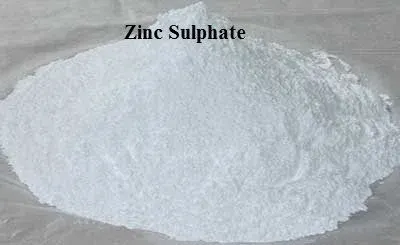
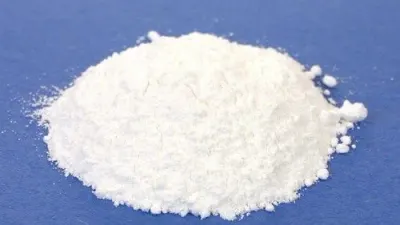
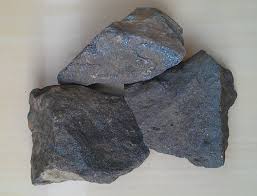
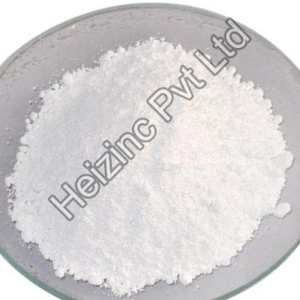
The zinc‑focused line comprises zinc sulphate (mono‑ and heptahydrate), zinc oxide, zinc alloy and zinc‑based chelates, each recorded with the appropriate HS sub‑heading in the 2833‑2835 range. Micronutrient blends such as Mixmicro and Calcium‑Magnesium‑Boron are listed under HS 3105.90, indicating their status as fertilizer mixtures. Polymer offerings include cross‑linked sodium polyacrylate SAPs for agricultural hydrogel applications and a starch‑based biodegradable SAP, all filed under HS 3906.90. The fresh produce entries specify water content and fruit type, matching the HS descriptions for fresh coconuts and mangoes.
Product Range and Specialties of Sarovar Nutrifert And Bio Organic Private
The supplier’s polymer portfolio contains three variants of super absorbent polymer. Conventional cross‑linked sodium polyacrylate (SAP) typically absorbs 20 - 300 times its weight in water, is supplied in granular form with particle size 0.5 - 2 mm, and is packaged in 20‑ft containers or bulk bags of 1 ton. The starch‑based SAP offers a biodegradable alternative, usually meeting ISO 14021 criteria for compostability and a moisture content below 5 %. In the micronutrient segment, zinc sulphate heptahydrate is commonly offered at ≥99 % purity, with typical analysis certificates required for fertilizer applications. Chelated forms such as Zn‑EDTA (≈12 % Zn) and Zn‑HEDP (≈17 % Zn) meet the solubility standards of 100 % dissolution in water at pH 7, a specification frequently demanded by horticultural growers. Iron‑EDTA (≈12 % Fe) and ferrous sulphate (≈19 % Fe) follow similar purity and solubility expectations. Fresh mangoes under HS 0804.50 are generally exported as whole fruit of 300 - 500 g per piece, with a total soluble solids content of 12 - 15 °Brix, while fresh young coconuts (HS 0801.19) are shipped with 80 - 90 % water content and a husk weight of 0.5 - 1 kg.
Trade and Export Information - Sarovar Nutrifert And Bio Organic Private
India is a major exporter of agricultural chemicals and horticultural produce, and shipments from Maharashtra frequently use the ports of Mumbai and Nhava Sheva. HS chapter 28 chemicals such as zinc sulphate, magnesium sulphate and copper sulphate are routinely imported by fertilizer manufacturers and soil amendment firms in Southeast Asia, the Middle East and Africa. Buyers in these regions often require ISO 9001 quality‑management certification, a Certificate of Analysis (CoA) and, where applicable, a phytosanitary certificate for plant‑derived inputs. Super absorbent polymers fall under HS 3906.90 and are subject to customs inspections for polymer content and moisture level; bulk shipments are typically loaded in 20‑ft or 40‑ft containers with moisture barriers to preserve performance. Fresh produce from HS 08 chapters must comply with the importing country’s plant health regulations, including treatment certificates and maximum residue limits (MRLs) for pesticide residues.
Sourcing from Sarovar Nutrifert And Bio Organic Private - Buyer Guidance
When sourcing chemicals from this supplier, buyers should request the latest Certificate of Analysis, specification sheet indicating purity (≥99 % for sulfates) and solubility data for chelated micronutrients. For polymer orders, a material safety data sheet (MSDS) and absorption capacity test report (g water per g polymer) are standard documents. Fresh mangoes and coconuts require a phytosanitary certificate, a pre‑export inspection report and, where required, a fumigation statement. Verify that the HS code on the commercial invoice matches the product description to avoid customs delays. Typical minimum order quantities are 1 ton for bulk chemicals, 500 kg for polymer grades and 10 metric tons for fresh fruit, with lead times of 30 - 45 days from order confirmation.
Frequently Asked Questions About Sarovar Nutrifert And Bio Organic Private
What product categories does Sarovar Nutrifert And Bio Organic Private offer?
The catalogue includes super absorbent polymers (HS 3906.90), a range of zinc, magnesium, iron and copper sulphates and chelates (HS 2833‑2835), fertilizer blends such as Mixmicro and Calcium‑Magnesium‑Boron (HS 3105.90), and fresh horticultural produce like mangoes (HS 0804.50) and young coconuts (HS 0801.19).
How can I obtain a sample of the super absorbent polymer?
Buyers can request a 5 kg sample packaged in a sealed bag; the supplier provides an MSDS and absorption test results with the sample. Samples are usually dispatched under FOB terms from the Nashik facility.
Which certifications should I ask for before purchasing the micronutrient chemicals?
Request a Certificate of Analysis, ISO 9001 quality‑management certification, and, if required by the destination, an organic or phytosanitary certificate for soil‑applied inputs.
What are the typical minimum order quantities for the zinc chelate products?
The standard MOQ is 1 metric ton for chelated zinc products such as Zn‑EDTA (HS 2835.29) and Zn‑HEDP (HS 2835.39). Smaller trial quantities may be arranged as 100 kg samples.
What packaging is used for fresh mango shipments?
Fresh mangoes are packed in ventilated wooden crates or cardboard boxes, each crate holding approximately 200 kg, and loaded in 20‑ft containers with temperature control to maintain 12 - 15 °Brix.
Which HS code applies to the copper sulphate product?
Copper sulphate pentahydrate is classified under HS 2833.25, which falls within the broader chapter for inorganic chemicals used in agriculture.
What Incoterms are commonly used for these exports?
The supplier typically works with FOB (Port of Mumbai) and CIF (major Asian and European ports), allowing buyers to select the term that matches their logistics preferences.




 Nashik, India