CARDTEQ GLOBAL SERVICES LIMITED — Verified Trader & Wholesale Supplier
About CARDTEQ GLOBAL SERVICES LIMITED - Cacao Nuts Supplier in Nigeria
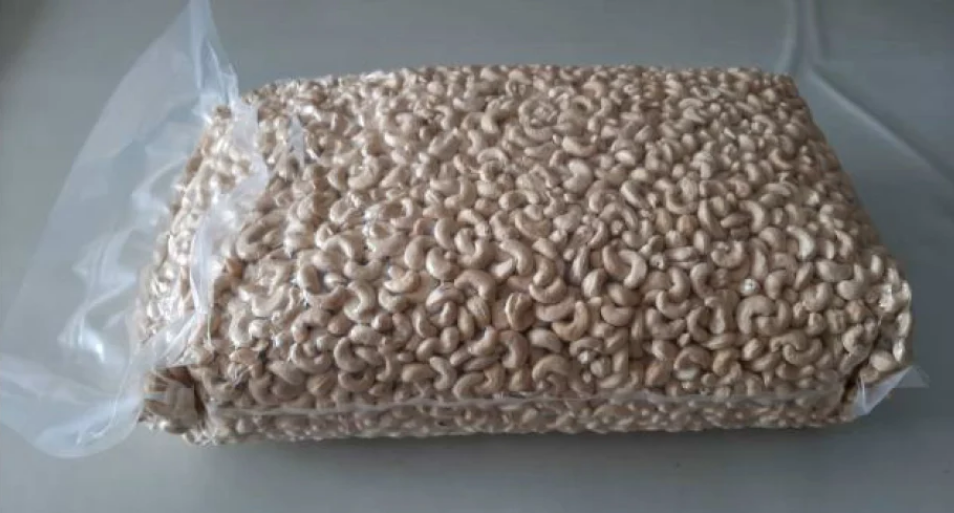
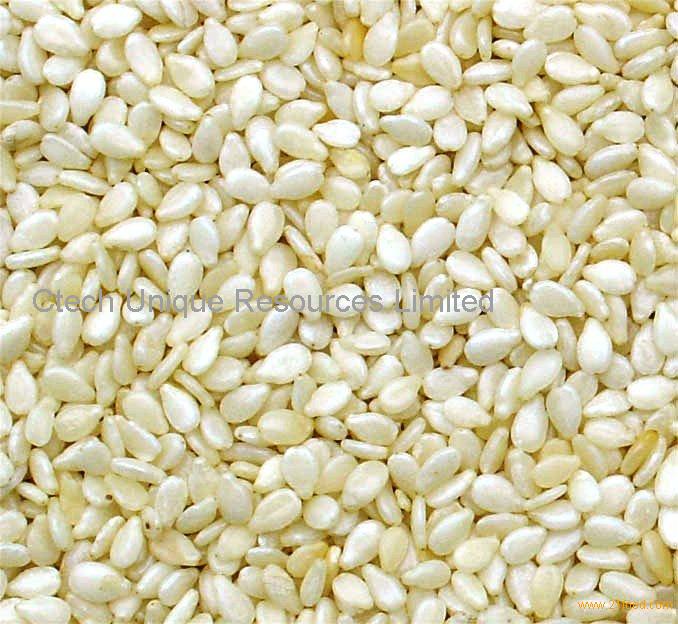
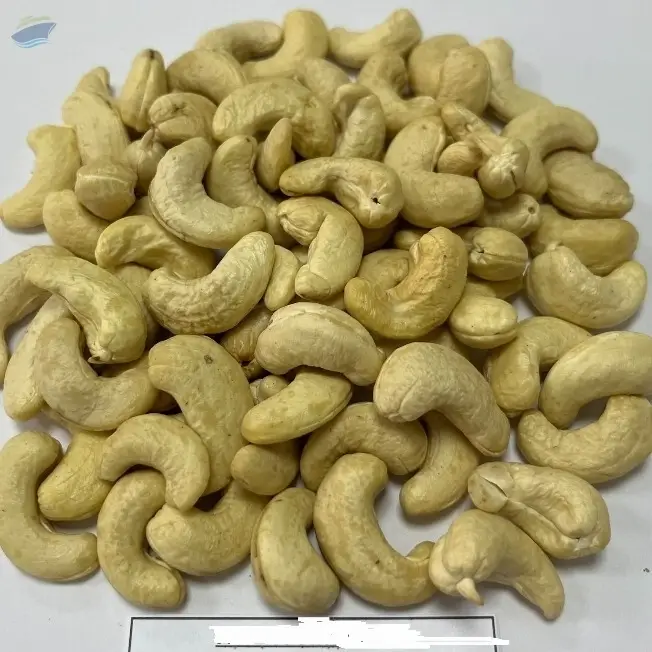
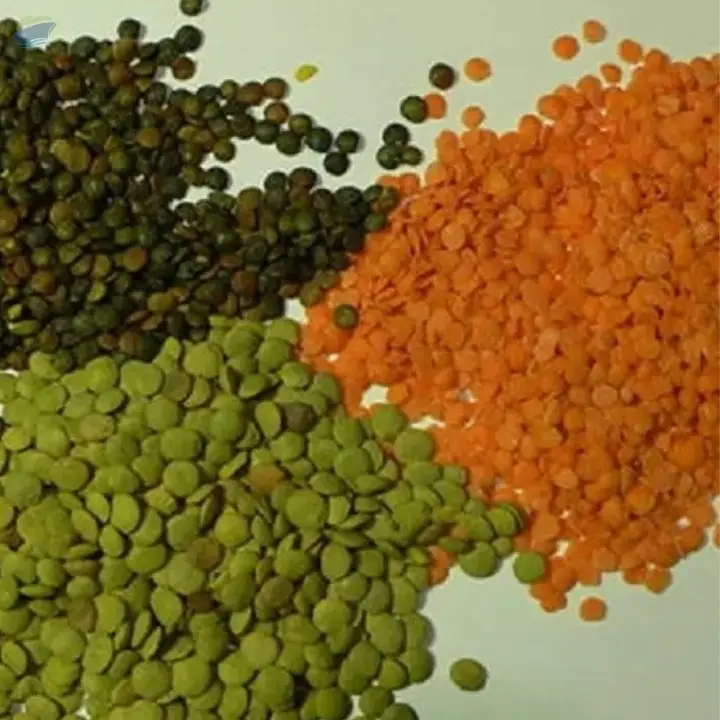
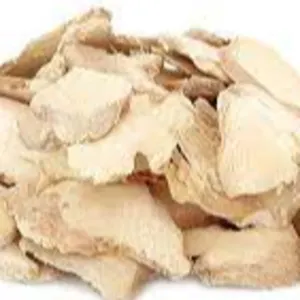
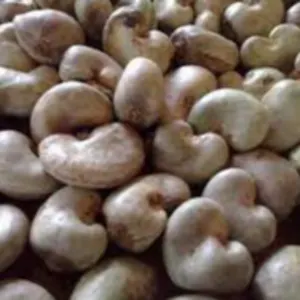
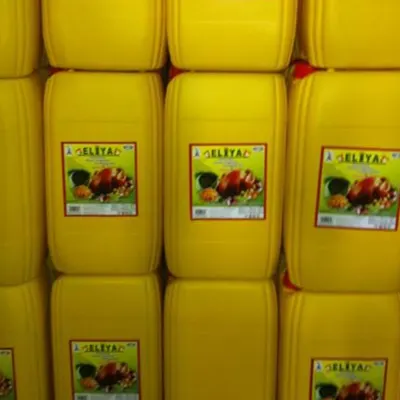
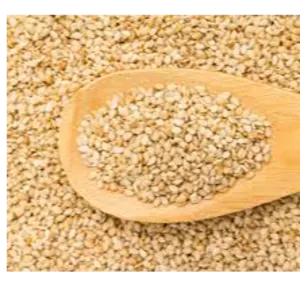
Nigeria, Lagos province hosts CARDTEQ GLOBAL SERVICES LIMITED, which currently lists twelve active agricultural products in its catalogue. The inventory includes Cleaned Sesame Seed (99.9 % purity), Soyabeans (98 % purity), RED PIGEON PEA classified under HS 0713.90, Shea Nut under HS 1207.99, Palm Oil, Raw Cashew Nut (48 KOR), Hibiscus Petals, Dried Split Ginger, Maize under HS 1005.90, Cocoa Bean under HS 1801.00, Raw Coconut and Processed Cashew. Each entry is recorded as a raw or minimally processed commodity, reflecting the company’s focus on primary agricultural outputs.
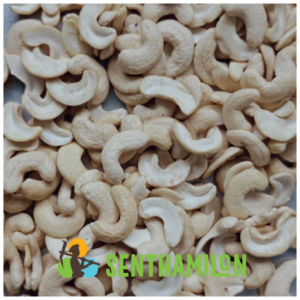
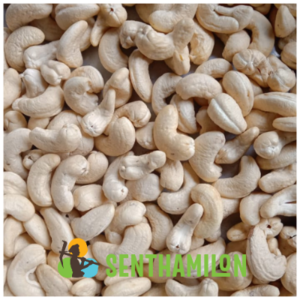
The supplier’s top‑level categories are listed as Cacao Nuts, Cashew Kernel, Betel nut, Cashew Nuts, Spice Seeds, Vegetable Seeds, Chickpeas and Soybean. These categories represent both seed and nut products that are commonly traded as bulk agricultural commodities. The catalogue’s mix of seed, nut and oilseed items aligns with typical export streams from West Africa, where raw kernels, oilseeds and legumes are shipped in bulk bags or containerised bulk for processing downstream.
Product Range and Specialties of CARDTEQ GLOBAL SERVICES LIMITED
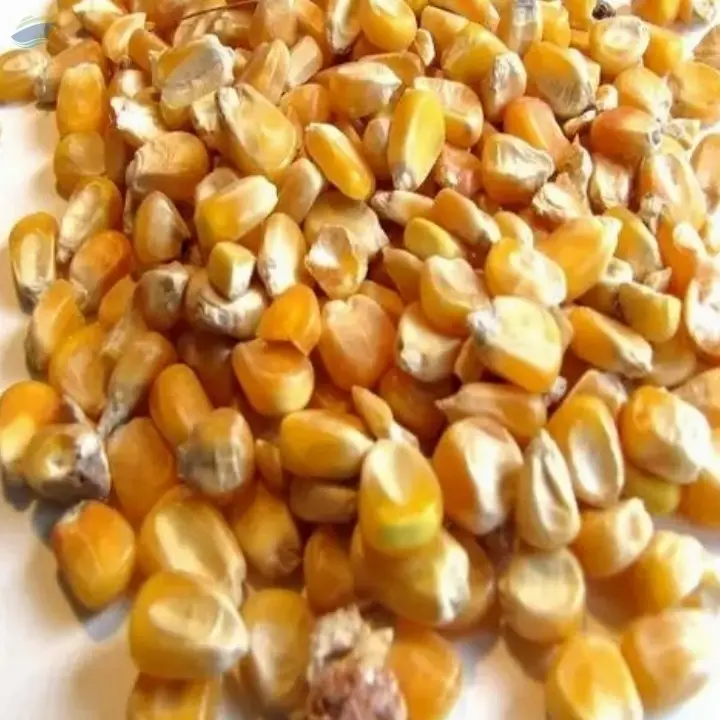
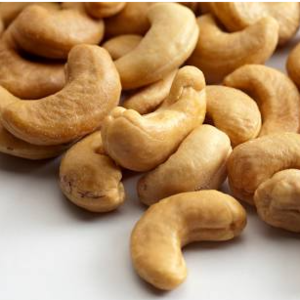
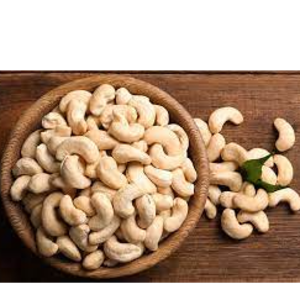
CARDTEQ GLOBAL SERVICES LIMITED’s catalogue features twelve distinct items ranging from oilseeds such as Cleaned Sesame Seed (purity 99.9 %) and Palm Oil, to legumes like Soyabeans (98 % purity) and Red Pigeon Pea (HS 0713.90). In the nut segment, Raw Cashew Nut is identified with a 48 KOR kernel‑outturn rating, while Shea Nut (HS 1207.99) and Processed Cashew are also listed. Additional products include Hibiscus Petals, Dried Split Ginger, Maize (HS 1005.90), Cocoa Bean (HS 1801.00) and Raw Coconut, each representing a standard export commodity from Nigeria.
In global trade, sesame seeds are often graded by oil content and moisture below 5 %, soybeans by protein content (40‑45 % typical) and moisture under 13 %, and pigeon peas by size and moisture below 12 %. Nigerian cashew kernels are usually classified by kernel‑outturn (KOR) where 48 KOR denotes a medium‑grade kernel. Shea nuts are evaluated for butter oil content (typically 45‑55 %) and purity. Cocoa beans are commonly exported as fermented, dried beans meeting ICUMSA 45‑55 grade, while maize is shipped as yellow grain with moisture 13‑14 % and standard test weight around 770 kg/hl. These industry benchmarks provide buyers with reference points for the products listed by the supplier.
Trade and Export Information - CARDTEQ GLOBAL SERVICES LIMITED
Nigeria is a major exporter of oilseeds, nuts and legumes to markets in Europe, the Middle East and Asia. Export shipments of sesame, soybeans and cashew kernels usually fall under HS chapters 12‑15 and are transported in 20‑ft or 40‑ft containers packed in 25 kg polypropylene bags or bulk bulk‑heads. Buyers typically require phytosanitary certificates, certificates of origin and, where applicable, ISO 22000 or HACCP compliance for food safety. For cocoa beans, buyers often request a cocoa quality certificate that confirms ICUMSA grade and fermentation level. Palm oil exports from Nigeria are subject to free‑fatty‑acid specifications (≤0.5 %) and may need a refinery declaration if refined grades are requested.
The Nigerian export framework mandates that agricultural commodities carry a phytosanitary certificate issued by the National Plant Protection Organization, and many importers also ask for a laboratory analysis report covering moisture, pesticide residues and mycotoxin limits (e.g., aflatoxin <10 µg/kg for nuts). Standard Incoterms used include FOB Lagos Port and CIF destination ports. Logistics frequently involve rail or road transport to the Lagos seaport, followed by container loading that complies with the International Maritime Organization’s cargo securing regulations.
Sourcing from CARDTEQ GLOBAL SERVICES LIMITED - Buyer Guidance
When sourcing from CARDTEQ GLOBAL SERVICES LIMITED, buyers should request a recent phytosanitary certificate, a certificate of origin and, where relevant, an ISO 22000 or HACCP audit report. For nut and seed items, ask for analytical test results that detail purity, moisture content, oil content (for sesame and palm oil) and any pesticide residue levels in accordance with EU or US maximum residue limits.
It is advisable to obtain a sample batch for laboratory verification of the declared specifications such as 99.9 % purity for sesame or 48 KOR for cashew kernels. Verify that the HS codes supplied (e.g., 0713.90 for pigeon pea, 1207.99 for shea nut, 1005.90 for maize, 1801.00 for cocoa beans) match the commodity description on shipping documents to avoid customs discrepancies. Confirm packaging details - typical bulk shipments use 25 kg polypropylene bags, 1‑ton bulk containers or wooden crates for raw coconut - to ensure compatibility with your handling facilities.
Frequently Asked Questions About CARDTEQ GLOBAL SERVICES LIMITED
What product categories are listed in CARDTEQ GLOBAL SERVICES LIMITED’s catalogue?
The catalogue lists twelve products: Cleaned Sesame Seed, Soyabeans, Red Pigeon Pea (HS 0713.90), Shea Nut (HS 1207.99), Palm Oil, Raw Cashew Nut (48 KOR), Hibiscus Petals, Dried Split Ginger, Maize (HS 1005.90), Cocoa Bean (HS 1801.00), Raw Coconut and Processed Cashew.
Which HS codes are associated with the listed commodities?
The catalogue provides HS codes for four items: Red Pigeon Pea 0713.90, Shea Nut 1207.99, Maize 1005.90 and Cocoa Bean 1801.00. The remaining products fall under standard HS chapters for oilseeds, nuts and spices.
What certifications are typically required for these Nigerian agricultural exports?
Importers usually request a phytosanitary certificate, a certificate of origin and food‑safety certifications such as ISO 22000 or HACCP. For organic‑specific buyers, an organic certification should be verified separately.
What are common minimum order quantities for bulk shipments from Nigeria?
Bulk agricultural commodities are often sold in multiples of 25 kg bags, with a typical minimum order of 1 ton (40 bags) for seeds and nuts, and 2 tons for bulk oilseeds or legumes, depending on the buyer’s logistics capacity.
What packaging formats are used for the supplier’s products?
Products are commonly packed in 25 kg polypropylene bags for seeds, nuts and legumes, while bulk items like raw coconut may be shipped in wooden crates or 1‑ton bulk containers. Finished oil products such as Palm Oil are usually dispatched in 200 L drums.
What lead times can buyers expect for shipments from Lagos?
Lead times vary by product but generally range from 2 weeks for ready‑to‑ship seed batches to 4‑6 weeks for processed nuts that require additional quality testing and packaging preparation.
Which quality parameters are tested for cocoa beans exported from Nigeria?
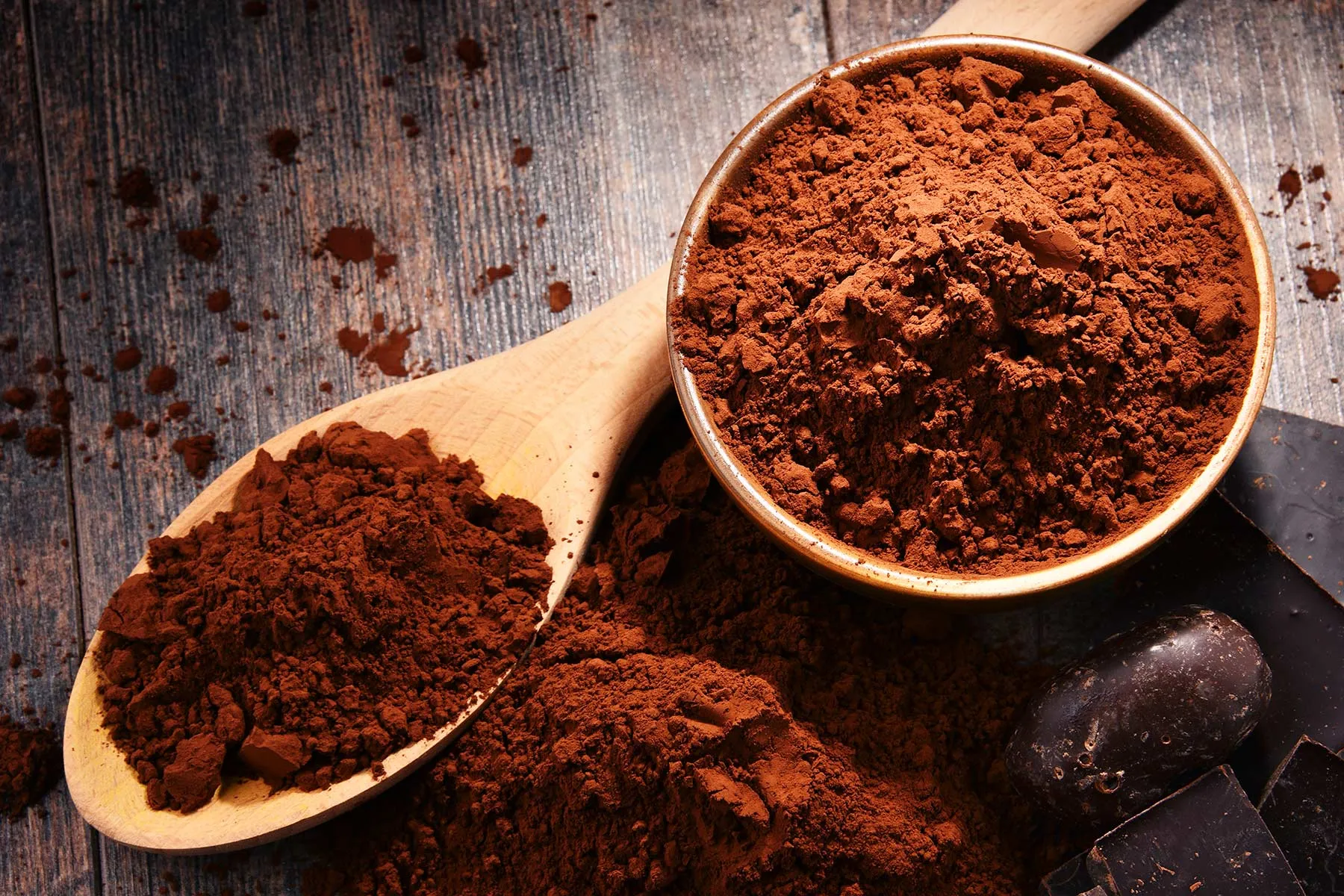
Cocoa beans are assessed for fermentation level, moisture content (typically ≤7 %), ICUMSA colour grade (commonly 45‑55), bean size and the presence of foreign matter. Buyers often request a laboratory report confirming these parameters.
How can a buyer request a sample from CARDTEQ GLOBAL SERVICES LIMITED?
Buyers should submit a formal sample request specifying the product, desired quantity (usually 1 kg per sample) and the required analysis parameters. The supplier will arrange shipment of the sample under agreed Incoterms, typically FOB Lagos.





 , Nigeria




.jpg.png)