PT Ekspor Berkah Bersama — Verified Trader & Wholesale Supplier
About PT Ekspor Berkah Bersama - Organic Supplier in Indonesia
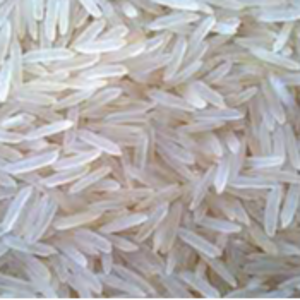
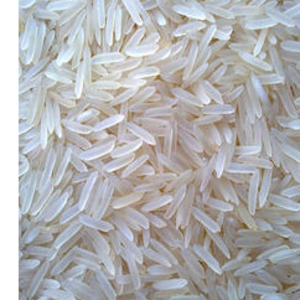
Based in Sukoharjo, Indonesia, PT Ekspor Berkah Bersama lists eleven active products in its catalogue. The product set spans agricultural and food‑grade items such as Pure Rice Bran (HS 2302.30), Rice Husk (HS 1213.00), Animal Feed (HS 2309.90), Coco Peat (HS 5305.90), Coco Fiber (HS 5305.00.10), Coco Mesh (HS 5305.29), virgin coconut oil (HS 1513.11), Modified Cassava Flour - MOCAF (HS 1106.20), IR 64 Rice (HS 1006.30), Copra (HS 1203.00) and Coconut Milk (HS 2001.90). The catalogue is organized under top categories that include Short Grain Rice, Livestock, Rice Bran, Animal By‑Products, Rice Flour, Rice Starch, Animal & Cattle Feed and Rice. Each entry specifies the material composition, for example the coco products are derived from 100 % coconut husk fiber and the rice items from Oryza sativa varieties.
The supplier is classified in the organic tier and holds a voyage trust tier. It targets international markets with natural products for food processing, animal nutrition and horticultural applications. The listed HS codes place the goods within standard customs tariff chapters for cereals (10), vegetable oils (15), coconut products (53) and other food preparations (20, 23). The catalogue therefore covers both raw agricultural commodities and processed derivatives such as virgin coconut oil and modified cassava flour.
Product Range and Specialties of PT Ekspor Berkah Bersama
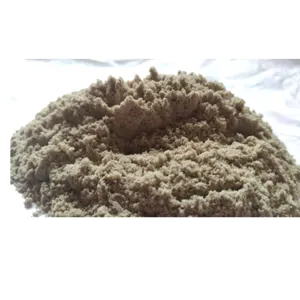
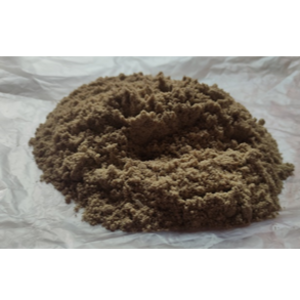
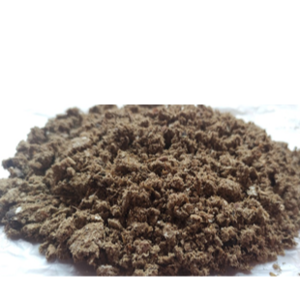
The catalogue covers a range of rice‑derived and coconut‑derived commodities. Pure rice bran (HS 2302.30) is typically supplied with moisture below 12 % and free‑fatty‑acid (FFA) levels under 0.5 %, meeting specifications used for oil extraction and animal feed. Rice husk (HS 1213.00) is a coarse lignocellulosic material often graded by bulk density (0.12 - 0.15 g cm‑3) and ash content, suitable for fuel or silica production. Animal feed (HS 2309.90) is a compound grain‑based formulation that commonly includes protein concentrates and vitamin‑mineral premixes, with protein content around 18 - 22 %.
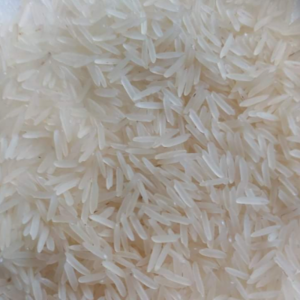
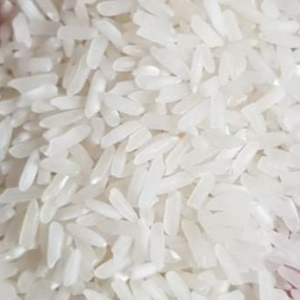
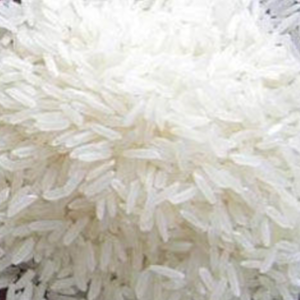
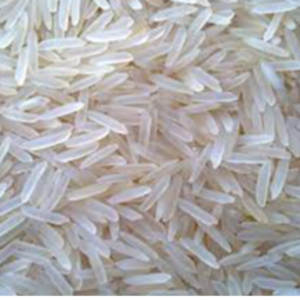
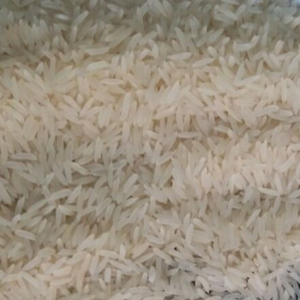
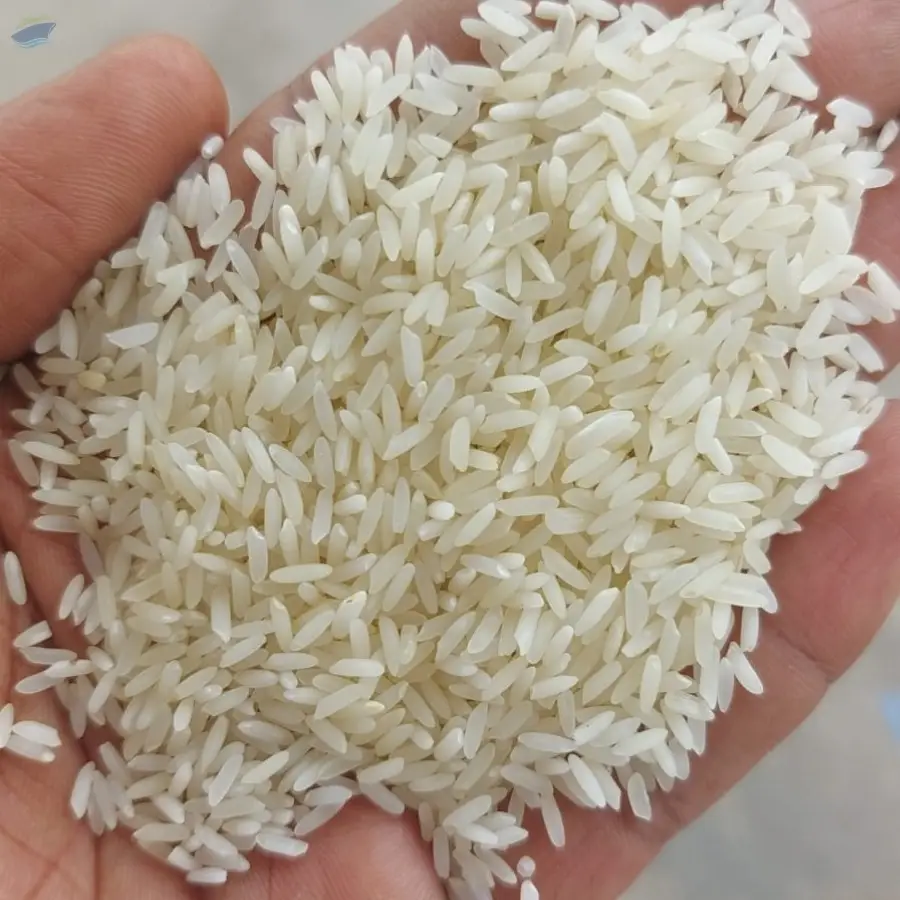
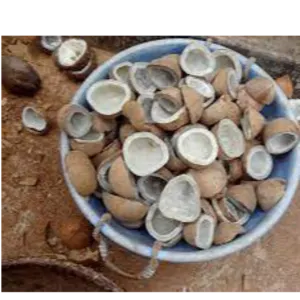
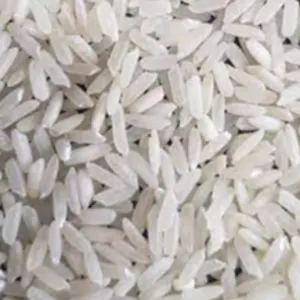
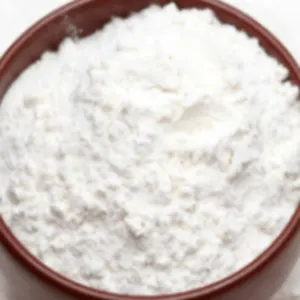
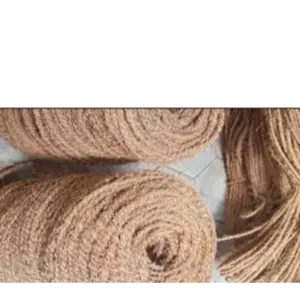
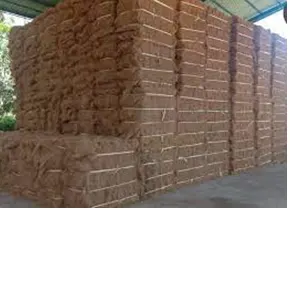
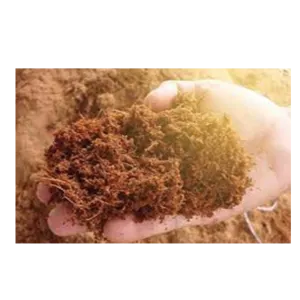
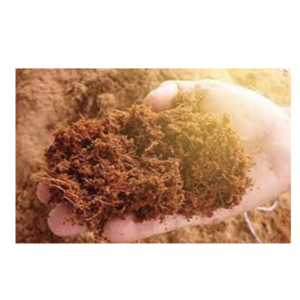
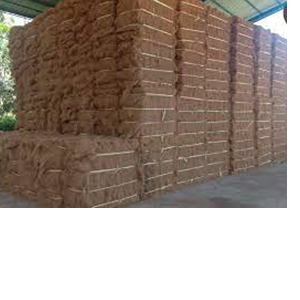
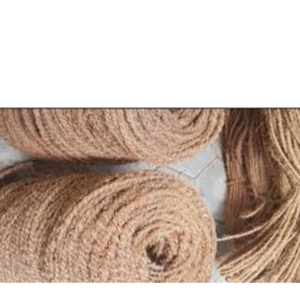
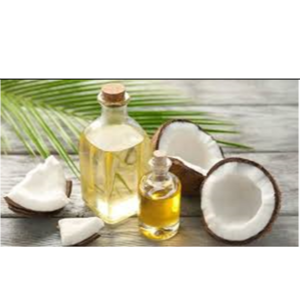
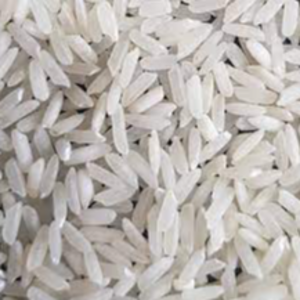
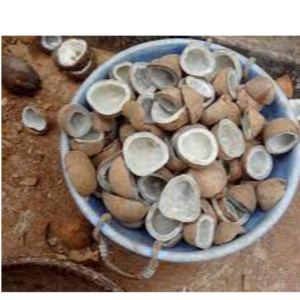
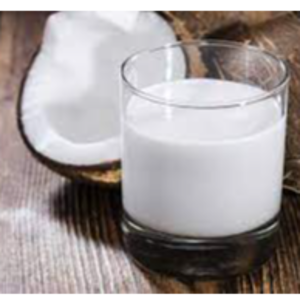
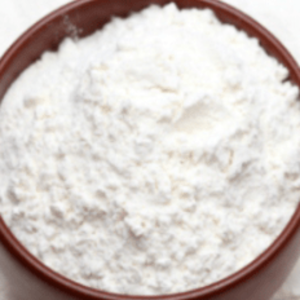
Coco peat (HS 5305.90) and coco fiber (HS 5305.00.10) are horticultural substrates; standard specifications call for pH 5.5 - 6.5, water‑holding capacity 60 - 80 % and bulk density 0.12 - 0.18 g cm‑3. Coco mesh (HS 5305.29) is a woven coir product used for erosion control and landscaping, generally supplied in rolls of 10 m length. Virgin coconut oil (HS 1513.11) is a cold‑pressed oil with iodine value 6 - 10, FFA ≤0.1 % and peroxide value ≤10 meq O2 kg‑1. Modified cassava flour (HS 1106.20) is a fine powder with moisture ≤12 % and starch content ≥80 %. IR 64 rice (HS 1006.30) is a polished long‑grain rice, commonly graded by head‑rice yield (70 - 75 %) and moisture 12 - 14 %. Copra (HS 1203.00) is dried coconut meat with oil content 60 - 68 % and moisture ≤6 %. Coconut milk (HS 2001.90) is a liquid extract with fat content 20 - 22 % and total solids 10 - 12 %.
Trade and Export Information - PT Ekspor Berkah Bersama
Indonesia is a major exporter of coconut and rice products to Southeast Asia, the Middle East, Europe and North America. HS chapter 53 (coconut products) and chapter 10 (cereals) are routinely shipped in 20‑ft or 40‑ft containers, with bulk coconut husk materials packed in woven polypropylene bags (10 - 20 kg) and rice grains in jute or PP bags (25 kg). Buyers often require ISO 22000 or HACCP food‑safety certification, phytosanitary certificates and, for organic‑labelled items, certification from bodies such as USDA Organic or EU Organic. Virgin coconut oil and coconut milk are subject to food‑safety regulations like the EU Food Hygiene Regulation and US FDA import requirements, including labelling of fat content and allergen statements.
Typical buyers include food processors, animal‑feed manufacturers, horticultural supply firms and cosmetics producers. For these sectors, compliance with Codex Alimentarius standards for cereal products (e.g., Codex STAN 70‑1981 for rice) and coconut oil (Codex STAN 91‑1981) is common. Freight terms frequently used are FOB Surabaya or CIF Jakarta, with transit times of 15 - 30 days to major ports in the EU, China and the United States. Inspection agencies such as SGS or BV often perform pre‑shipment sampling under the buyer’s specifications.
Sourcing from PT Ekspor Berkah Bersama - Buyer Guidance
When sourcing from PT Ekspor Berkah Bersama, buyers should request a Certificate of Analysis that confirms moisture, FFA, protein and microbiological limits for each commodity. For organic‑tier products, an up‑to‑date organic certification and the corresponding traceability documents are essential. Phytosanitary certificates issued by the Indonesian Ministry of Agriculture are required for rice bran, rice husk and animal feed shipments.
Buyers are advised to verify that the HS code on the commercial invoice matches the product description (e.g., HS 1513.11 for virgin coconut oil). Sample quantities of 5 - 10 kg for powders or 20 L for liquids are typical for quality assessment. Minimum order quantities usually start at one 20‑ft container for bulk commodities, with lead times of 4 - 6 weeks after order confirmation, depending on processing and packaging schedules.
Frequently Asked Questions About PT Ekspor Berkah Bersama
What rice‑derived products does PT Ekspor Berkah Bersama offer and under which HS codes?
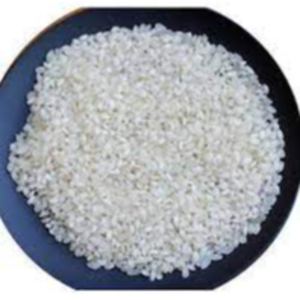
The supplier lists Pure Rice Bran (HS 2302.30), Rice Husk (HS 1213.00), IR 64 Rice (HS 1006.30) and Animal Feed (HS 2309.90), each supplied as the material indicated in the catalogue.
Which coconut‑based items are available and how are they classified for customs?
Available coconut items include Coco Peat (HS 5305.90), Coco Fiber (HS 5305.00.10), Coco Mesh (HS 5305.29), virgin coconut oil (HS 1513.11), Copra (HS 1203.00) and Coconut Milk (HS 2001.90), covering the standard HS chapters for coconut products.
What typical quality parameters should a buyer verify for virgin coconut oil?
Buyers should check free‑fatty‑acid content ≤0.1 %, iodine value 6 - 10, peroxide value ≤10 meq O2 kg‑1 and ensure the oil meets ISO 660 or Codex STAN 91‑1981 specifications.
Are there standard certifications required for the organic tier products?
Organic‑tier exports generally require an internationally recognised organic certification (USDA Organic, EU Organic) together with food‑safety certifications such as ISO 22000 or HACCP and a phytosanitary certificate for plant‑based goods.
What packaging formats are commonly used for the bulk coconut and rice commodities?
Bulk coconut husk fibers and coco peat are usually packed in 10 - 20 kg woven polypropylene bags, rice grains in 25 kg jute or PP bags, and liquids such as coconut milk in food‑grade drums or bulk tanker containers.
What are typical minimum order quantities and lead times for these products?
Minimum orders often start at one 20‑ft container (≈18 metric tonnes for bulk dry goods) with lead times of 4 - 6 weeks after order confirmation, subject to processing and packaging schedules.
Which markets most frequently import the supplier’s product categories?
Indonesian coconut and rice products are commonly shipped to the European Union, United States, China, Japan and Middle‑East countries for use in food processing, animal nutrition and horticultural applications.




 , Indonesia





.jpg.png)