AVDHESH INDUSTRIES — Verified Manufacturer & Wholesale Supplier
About AVDHESH INDUSTRIES - Foundry Patterns and Dies Supplier in India
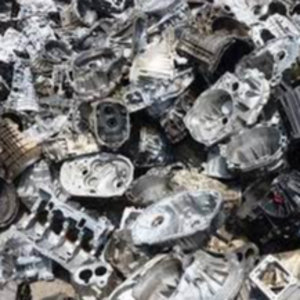
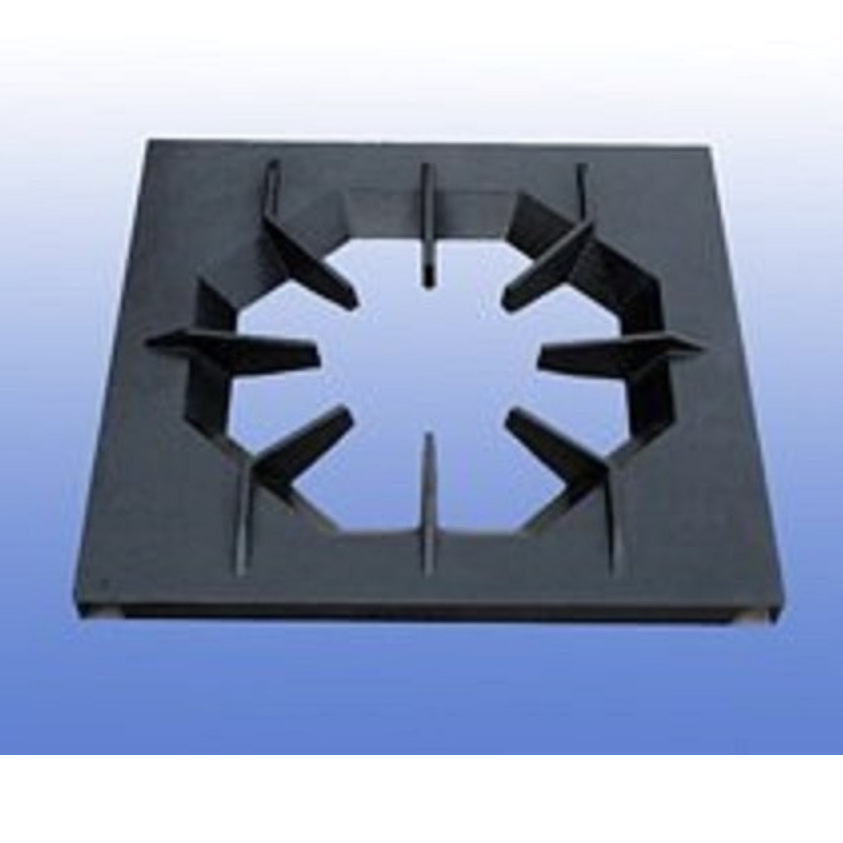
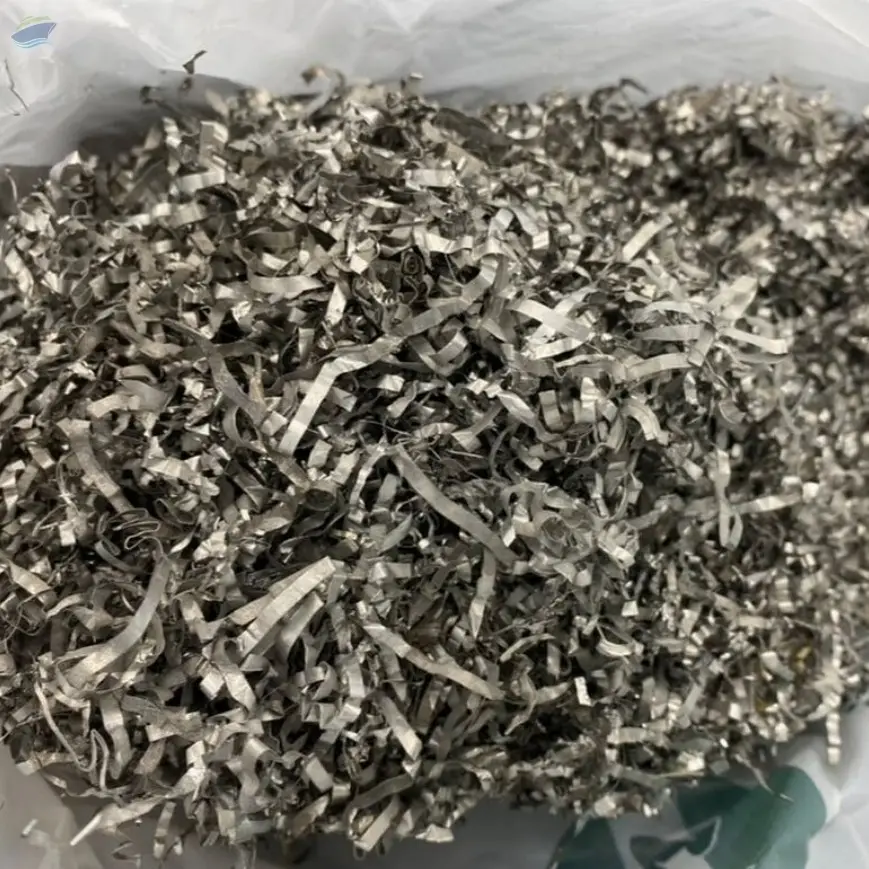
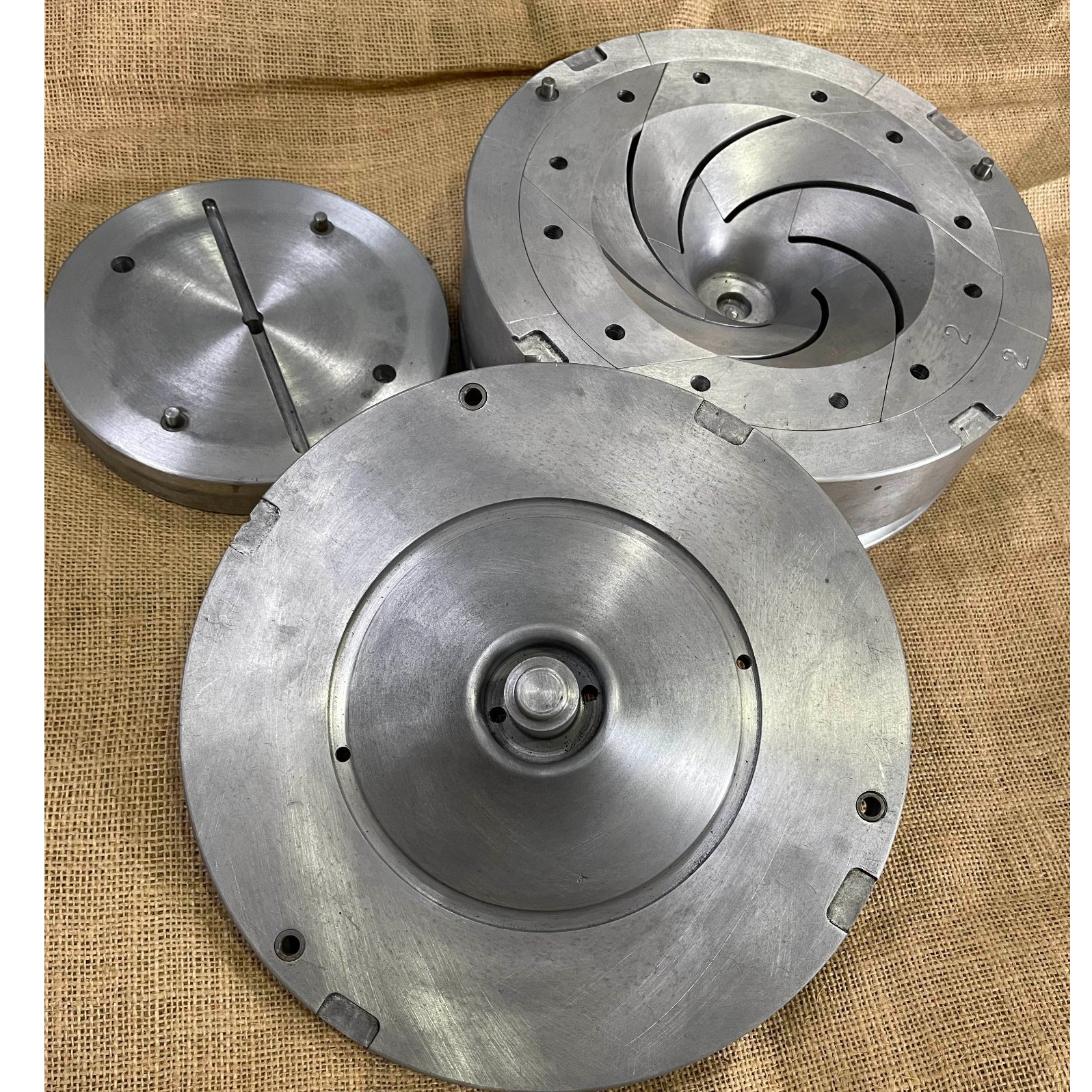
AVDHESH INDUSTRIES is located in Ahmedabad, Gujarat, India and currently lists seven active products in its catalogue. The catalogue includes Investment Casting Die (HS 8480.41) made from aluminium alloy or H13 tool steel, Machine Moulding Pattern & Dies (HS 7602.00) using LM6/LM25 aluminium alloys, Pressure Casting Die / Gravity Casting Die (HS 8480.41) in tool steel H13 or P20, Lost Foam Casting / Lost Wax Casting Die (HS 8480.41) from aluminium, tool steel or heat‑treated cast iron, Hand Mould Wooden Pattern (no HS code), Hand Mould Aluminium Pattern (HS 8480.30) in 6061‑T6 or 6082‑T6 aluminium alloy, and Shell Core Die and Shell Moulding Die (HS 7204.49) from heat‑treated tool or alloy steel. The supplier also references broader categories such as Aluminium Casting Scrap, Steel Casting, Bees By‑Product & Wax, Flooring products and Aluminium Oxide, indicating a diversified material handling capability.
The listed products cover both metal and wooden patterns, with material specifications that include aluminium alloys (LM6, LM25, 6061‑T6, 6082‑T6), tool steels H13 and P20, and cast iron that is heat‑treated for dimensional stability. Each die or pattern is described with its corresponding HS‑code family, allowing buyers to identify the correct customs classification for metalworking and casting accessories. The mix of aluminium and steel materials reflects common practices in the foundry industry where durability, thermal resistance and machinability are critical.
Product Range and Specialties of AVDHESH INDUSTRIES
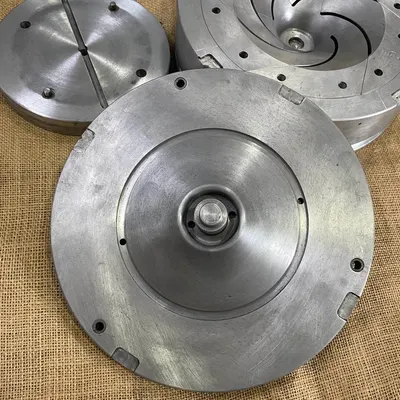
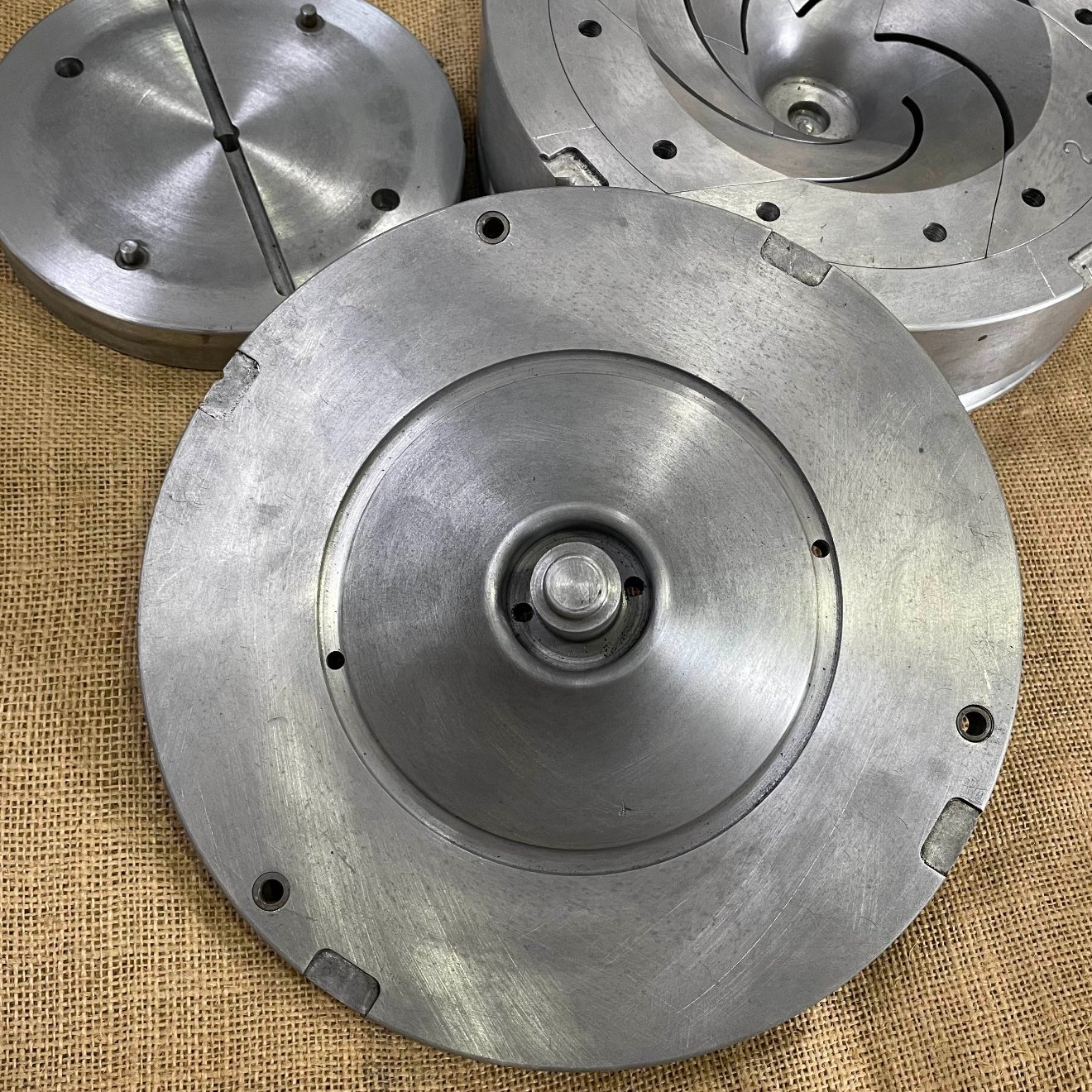
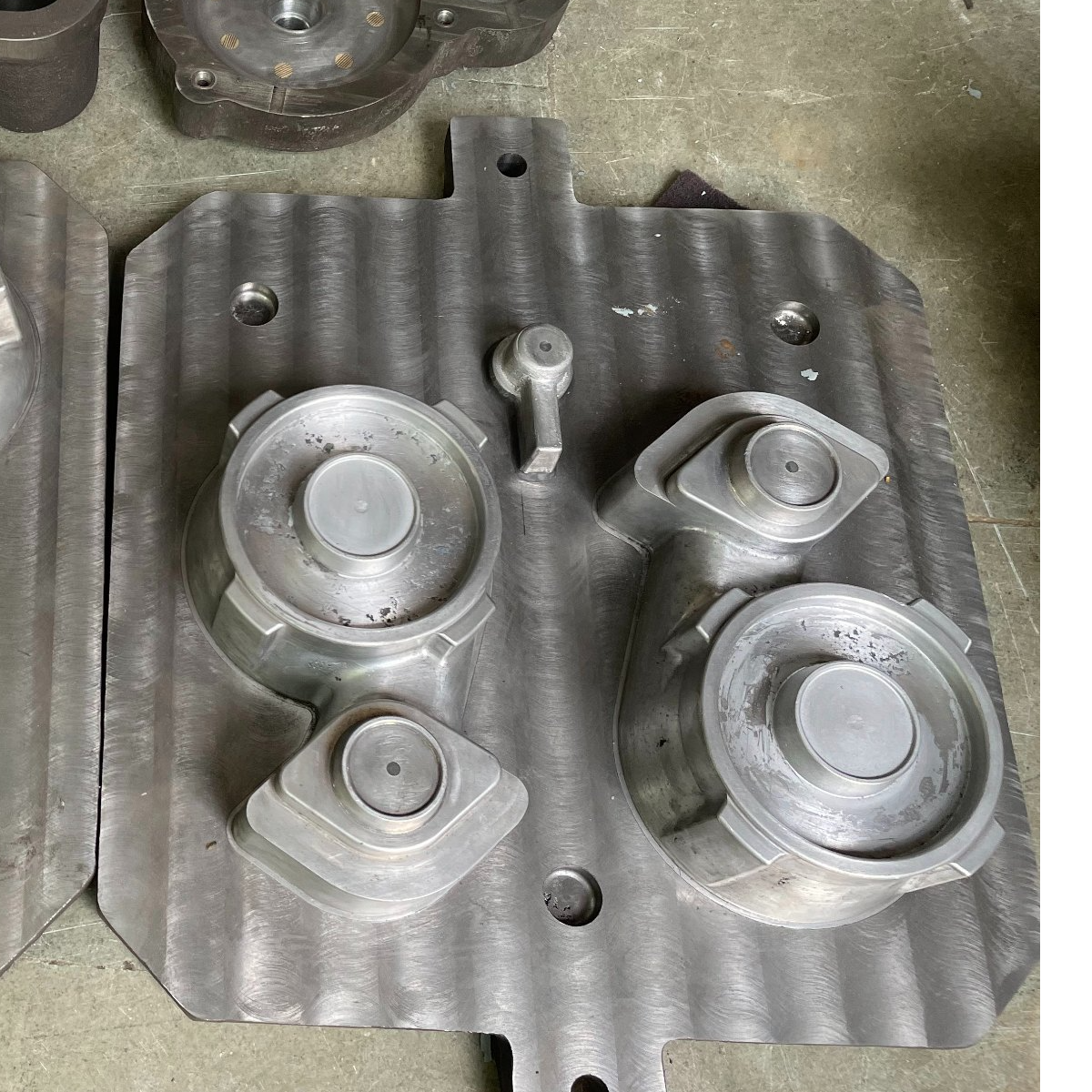
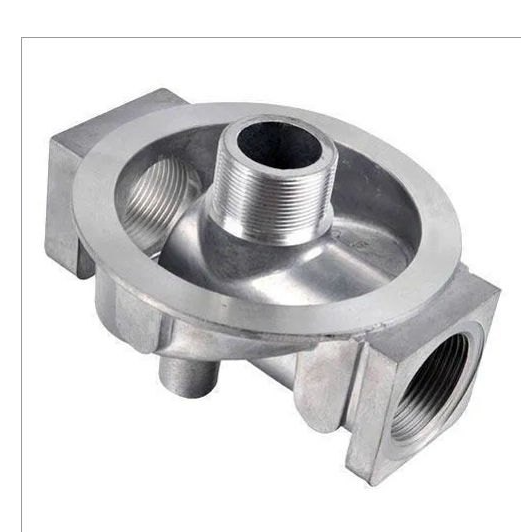
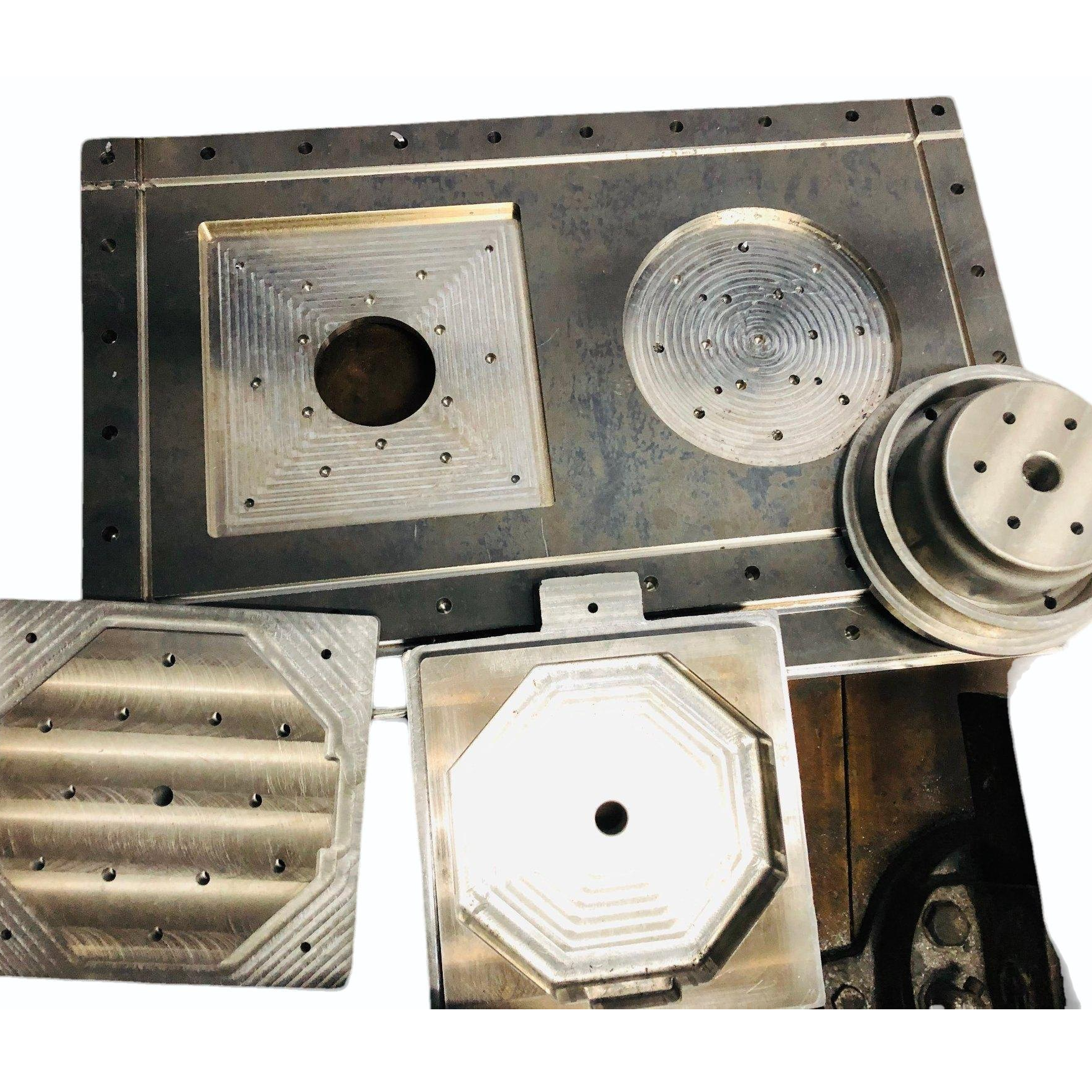
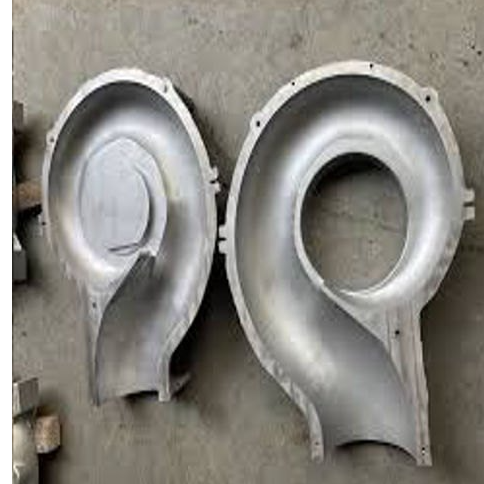
The catalogue focuses on casting dies and moulding patterns used in investment, pressure, gravity, lost‑foam and shell‑core processes. Investment Casting Dies (HS 8480.41) are typically fabricated from H13 tool steel, which offers a hardness of 45‑50 HRC after heat treatment and good resistance to thermal fatigue. Machine Moulding Patterns listed under HS 7602.00 are cast from LM6 or LM25 aluminium alloys, grades known for excellent fluidity and low shrinkage, while the Hand Mould Aluminium Pattern (HS 8480.30) uses 6061‑T6 or 6082‑T6 alloys that meet ASTM B221 specifications for tensile strength (≈ 290 MPa for 6061‑T6). Pressure and Gravity Casting Dies are often supplied in P20 steel, an ASTM A681 high‑chromium hot‑work steel with typical tensile strength around 800 MPa. Shell Core Dies (HS 7204.49) are made from heat‑treated alloy steels that comply with ISO 4957 for hardness and wear resistance. Industry standards such as ISO 9001 for quality management and ASTM A403 for tool steel chemical composition are frequently referenced for these product types.
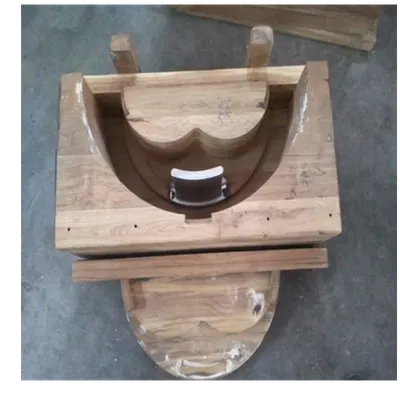
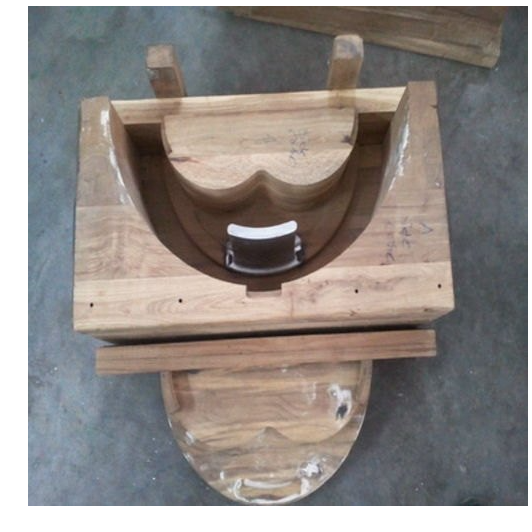
Beyond the core dies, the supplier mentions wooden patterns, which are traditionally crafted from hardwoods like beech or maple and used for low‑volume or prototype runs. Wood patterns are typically finished to a surface roughness of Ra ≤ 3 µm to ensure accurate sand replication. The inclusion of aluminium oxide and other scrap categories suggests the company can also provide secondary raw material streams, a common practice for foundries seeking to recycle metal waste.
Trade and Export Information - AVDHESH INDUSTRIES
India ranks among the top exporters of casting accessories, with the majority of shipments destined for automotive, aerospace and general engineering manufacturers in Europe, the United States and the Middle East. HS 8480.41 items are classified under Chapter 84 for "Machinery parts" and usually require a commercial invoice, packing list and a material test certificate to satisfy customs in importing countries. HS 7204.49 items fall under Chapter 72 for "Iron and steel"; EU buyers often request CE conformity declarations when the dies are part of equipment covered by the Machinery Directive. Typical certifications demanded by overseas buyers include ISO 9001 quality‑management, ISO 14001 environmental compliance and, for the EU market, conformity with EN 10204 material test report formats.
Logistically, metal dies are packed in wooden crates or steel pallets, protected with anti‑corrosion coatings and shipped in 20‑ft or 40‑ft containers. Common Incoterms used by Indian exporters are FOB Ahmedabad or CIF major ports such as Mumbai and Nhava Sheva, allowing buyers to arrange inland transport from the port of entry. Export documentation often includes a certificate of origin, which Indian exporters can obtain from the Chamber of Commerce to benefit from any applicable trade agreements.
Sourcing from AVDHESH INDUSTRIES - Buyer Guidance
When sourcing from AVDHESH INDUSTRIES, buyers should request a full material test certificate that details chemical composition (e.g., for H13: 0.32‑0.45 % C, 4.75‑5.50 % Cr) and hardness after heat treatment. A dimensional drawing or CAD file of the die, together with a heat‑treatment report, helps verify that tolerances meet the typical ±0.1 mm requirement for precision casting components.
Buyers are advised to confirm that the supplier can provide ISO 9001 certification or equivalent quality‑management documentation, as this is a standard prerequisite for most industrial purchasers. Minimum order quantities are usually one die per specification, with lead times ranging from four to six weeks depending on material and heat‑treatment complexity. Packaging specifications should be clarified - for example, whether the die will be shipped in a wooden crate with moisture‑absorbing liners to prevent corrosion during sea transit.
Frequently Asked Questions About AVDHESH INDUSTRIES
What material grades are used for the Investment Casting Die listed under HS 8480.41?
The Investment Casting Die is offered in aluminium alloy or H13 tool steel. H13 is a high‑chromium hot‑work steel that typically attains a hardness of 45‑50 HRC after heat treatment and complies with ASTM A403.
Can I obtain a sample of the Hand Mould Wooden Pattern before placing a full order?
Yes, wooden patterns are commonly supplied as prototype samples. Request a sample with dimensions and surface‑finish specifications (usually Ra ≤ 3 µm) to evaluate fit and sand‑replication quality.
Which certifications should I ask AVDHESH INDUSTRIES to provide for the Tool Steel dies?
Buyers usually request an ISO 9001 quality‑management certificate and a material test report conforming to EN 10204 3.1 or 3.2, which confirms chemical composition and mechanical properties of the tool steel.
What are the typical HS codes for the aluminium pattern products?
The Hand Mould Aluminium Pattern is classified under HS 8480.30, while the Machine Moulding Pattern & Dies fall under HS 7602.00, both covering aluminium articles and castings used in the metalworking industry.
What packaging and container size is standard for shipping the dies?
Dies are generally packed in wooden crates with protective padding and loaded into 20‑ft or 40‑ft containers. For larger or heavier dies, steel pallets with anti‑corrosion wraps are also used.
What Incoterms does AVDHESH INDUSTRIES commonly use for export?
The supplier typically offers FOB Ahmedabad, allowing the buyer to arrange freight from the port, and CIF to major ports such as Mumbai or Nhava Sheva for buyers preferring cost‑included shipping.
Are there any standard quality tests performed on the Lost Foam Casting Dies?
Lost Foam Casting Dies are usually subjected to hardness testing (Rockwell C) and a visual inspection for surface defects. Buyers often request a heat‑treatment certificate confirming that the die meets the required hardness range for the chosen material.
What documentation is required for customs clearance of HS 7204.49 Shell Core Dies?
Customs clearance typically requires a commercial invoice, packing list, certificate of origin and a material test certificate. Some importing countries may also request a CE conformity declaration if the dies are part of machinery covered by EU directives.





 Ahmedabad, India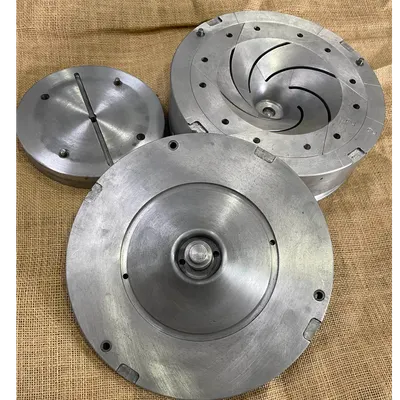








.jpg.png)