Agriculture›
 Apparel and fashion accessories›
 Construction & real estate›💡Electronic & Electrical›🍎Food & Beverages›🛋️Home furnishing & supplies›⚗️Industrial goods & chemical›🪨Minerals & metals›📦Miscellaneous›Agriculture›Apparel and fashion accessories›Construction & real estate›💡Electronic & Electrical›🍎Food & Beverages›🛋️Home furnishing & supplies›⚗️Industrial goods & chemical›🪨Minerals & metals›📦Miscellaneous›
COCONUT PRODUCT IMPORT EXPORT COMPANY LIMITED
🚢 Voyage , Viet NamNew supplier / no reviews yet
COCONUT PRODUCT IMPORT EXPORT COMPANY LIMITED Product Catalog


About COCONUT PRODUCT IMPORT EXPORT COMPANY LIMITED - Eco‑Friendly Coconut Products Supplier in Viet Nam
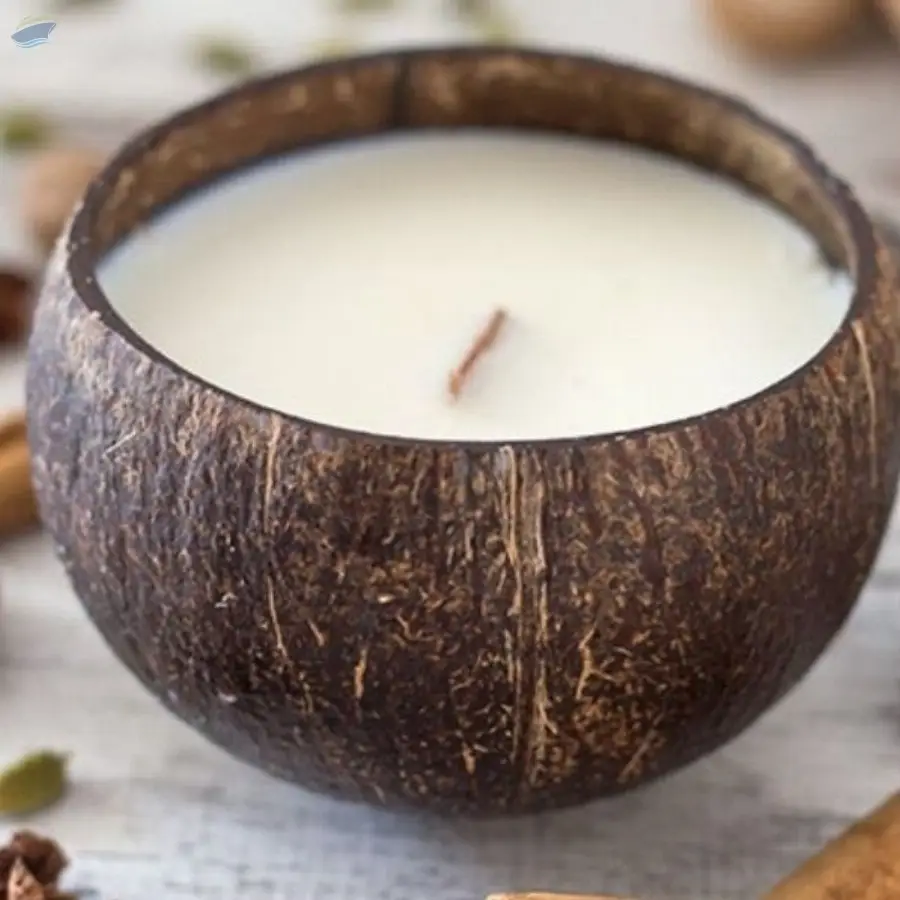
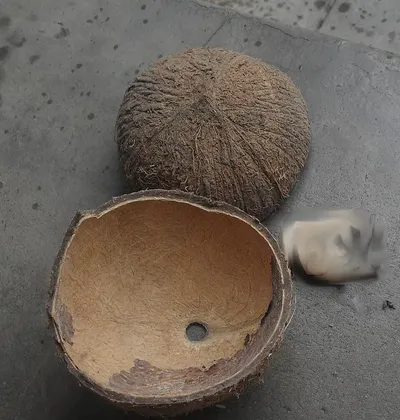
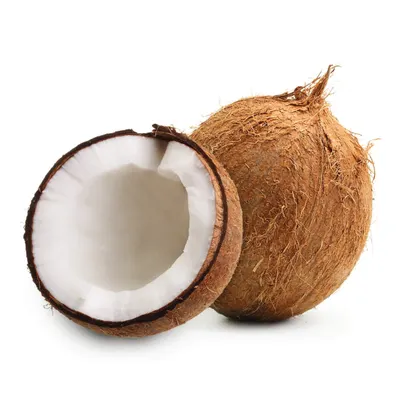
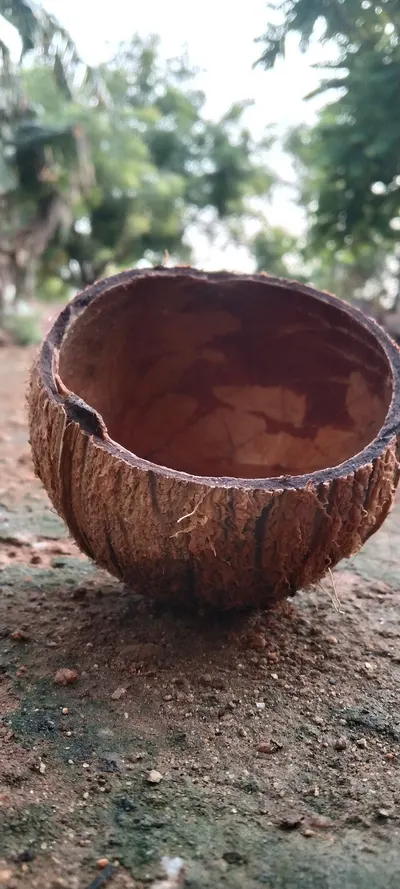
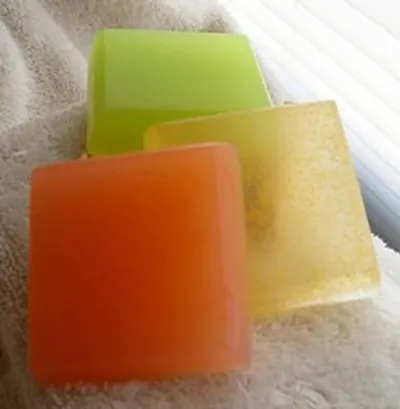
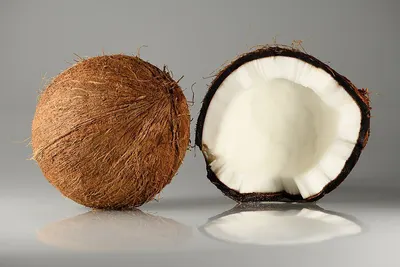
Vietnam (region not specified) hosts COCONUT PRODUCT IMPORT EXPORT COMPANY LIMITED, which lists 31 active products across eco‑friendly coconut and bamboo categories. The catalogue includes items such as natural coconut shell bowls, desiccated coconut, coconut‑fiber rope, coconut‑scented candles, bamboo straws, and pet toys, each assigned to HS code families like 4419.00, 0801.19, 5305.00 and 3406.00. The supplier’s top categories are Candles, Coconut By‑Products, Pet Toys, Soaps & Detergents, Fresh Coconut, Semi‑husked Coconut, Bamboo Products and Bamboo, reflecting a focus on renewable raw materials.
The listed products span HS chapters 44 (wood & wood products), 46 (bamboo & similar), 56 (textiles & netting), 68 (articles of stone, plaster or cement) and 34 (preparations of wax). For example, the “Natural Coconut Shell Bowl” carries HS 4419.00, while “Desiccated coconut” is recorded under HS 0801.19. Candle variants use HS 3406.00 for wax‑based scented candles, and the “Coconut Fiber Rope” is classified under HS 5305.00. The catalogue also contains items without explicit HS codes, indicating they fall within the same broader tariff headings as the nearest listed equivalents.
Product Range and Specialties of COCONUT PRODUCT IMPORT EXPORT COMPANY LIMITED
The supplier’s catalogue offers 31 items that can be grouped into three core material families: coconut shell and meat (e.g., bowls, desiccated coconut, scented candles), coconut fiber/coir (e.g., rope balls, sun‑shade nets, coir rope) and bamboo (e.g., straws, cups, coasters). In the global market, coconut shell products are typically graded by shell thickness (Grade A ≥ 2 mm) and moisture below 5 %, while desiccated coconut is sold in 10 kg bags with a moisture content not exceeding 6 % (ICUMSA 45 standard). Bamboo straws are generally required to meet FDA food‑contact compliance and a diameter of 6 - 8 mm. Coconut‑based candles often use natural coconut wax with a melt point around 45‑55 °C and are evaluated for burn time (e.g., 30 h for a 200 g candle) and fragrance load (5‑8 %).
Frequently Asked Questions About COCONUT PRODUCT IMPORT EXPORT COMPANY LIMITED
What HS codes apply to the coconut shell bowls offered by COCONUT PRODUCT IMPORT EXPORT COMPANY LIMITED?
The natural coconut shell bowls are classified under HS 4419.00, which covers articles of wood or other materials of headings 44.01 to 44.09, such as bowls made from coconut shells.
Do the desiccated coconut products require any specific certifications for export?
Export of desiccated coconut (HS 0801.19) typically requires a phytosanitary certificate and, for organic claims, an internationally recognised organic certification. Buyers should also request a moisture‑content test confirming ≤ 6 %.
Which standards are relevant for the scented candles made from coconut wax?
Coconut‑wax scented candles (HS 3406.00) are commonly assessed against fire safety standards such as ASTM D1238 for burn rate and EU REACH for chemical safety. An SDS and a burn‑time test report are standard documents to request.
Are bamboo straws from this supplier suitable for food‑contact applications?
Bamboo straws listed under HS 4601.29 should meet FDA food‑contact regulations. Buyers should ask for a BPA‑free declaration and, where required, a laboratory test confirming compliance with food‑safety standards.
What packaging formats are used for bulk coconut fiber rope?
Bulk coconut fiber rope (HS 5305.00) is usually packed in 1 ton wooden crates or 20 ft containers, with each crate containing approximately 500 kg of rope. Packaging details are provided on the commercial invoice.
Viet NamRelated Suppliers & Products
Explore similar suppliers, related products and trending categories