FDA, BRC, SEDEX, FSSAI — Verified Manufacturer & Wholesale Supplier
About FDA, BRC, SEDEX, FSSAI - Coconut Products Supplier in India
India, Chennai, Tamil Nadu hosts FDA, BRC, SEDEX, FSSAI, a supplier that currently lists nine coconut‑based products in its catalogue. The offerings span coconut milk variants, coconut cream, coconut milk powder, cream of coconut, desiccated coconut and coconut flakes, each assigned to HS‑code families 2106, 1513, 2008 and 0801. The company’s catalogue groups products under categories such as Coconut Milk, Coconut Cream, Coconut By‑Products and Fresh Coconut, reflecting a focused portfolio of edible coconut ingredients. All items are described with specific fat‑content ranges or material definitions, for example “Coconut Milk Light Fat 5‑7 %” (HS 2106.90) and “Coconut Milk Fat 12‑14 %” (HS 1513.19).
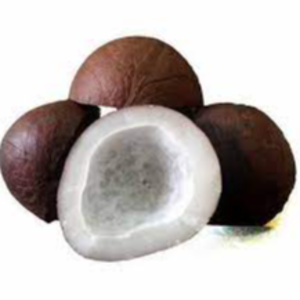
The nine listed items include two fat‑content grades of coconut milk, two higher‑fat milk grades (12‑14 % and 17‑19 % fat), coconut cream at 22‑24 % fat, coconut milk powder, cream of coconut, desiccated coconut high‑fat and coconut flakes. HS‑codes used are 2106.90 for liquid coconut milk and powder, 1513.19 for coconut milk fat, 2008.19 for coconut extracts and cream of coconut, and 0801.11 for dried coconut forms. The catalogue explicitly notes the material composition, such as “Spray Dried Coconut Milk Extract” for the powder and “Fresh Mature Coconuts” for desiccated coconut. This structured listing provides clear reference for trade documentation and customs classification.
Product Range and Specialties of FDA, BRC, SEDEX, FSSAI
The supplier’s catalogue features nine specific coconut products: light‑fat coconut milk (5‑7 % fat, HS 2106.90), two higher‑fat milk grades (12‑14 % and 17‑19 % fat, HS 1513.19), coconut cream at 22‑24 % fat (HS 2106.90 and HS 2008.19 for extract), coconut milk powder (HS 2106.90), cream of coconut (HS 2008.19), desiccated coconut high‑fat (HS 0801.11) and coconut flakes (HS 0801.11). In the broader coconut ingredient market, buyers typically look for standards such as ISO 22000, HACCP and FSSAI compliance, with moisture limits below 6 % for dried forms and fat content specifications matching the grades listed. Coconut milk and cream are often graded by fat percentage and must meet microbiological limits (e.g., total plate count < 10 000 cfu/g) and aflatoxin thresholds set by importing countries. Coconut milk powder is usually sold with a protein content of 15‑20 % and a moisture level under 5 %. Desiccated coconut and flakes are commonly packaged in 20 kg bags or 25 kg drums, with a typical particle size of 2‑5 mm for flakes.
Trade and Export Information - FDA, BRC, SEDEX, FSSAI
India is a major exporter of coconut‑derived food ingredients, and products classified under HS 2106, HS 1513, HS 2008 and HS 0801 are regularly shipped to markets in the Middle East, Europe, North America and Southeast Asia. Importers in these regions frequently require certifications such as FSSAI, BRC and SEDEX, which this supplier holds, as well as additional documentation like a Certificate of Origin and a Phytosanitary Certificate for fresh coconut items. Standard Incoterms used for bulk shipments include FOB Chennai Port or CIF major hubs, with container loading typically in 20‑ft (≈ 18 t) or 40‑ft (≈ 34 t) units depending on packaging. Buyers often request compliance with EU food safety regulations (e.g., Regulation EU 1169/2011) and US FDA Food Safety Modernization Act requirements for imported coconut products.
Typical export packaging includes food‑grade HDPE drums for liquid milk and cream, multi‑layer laminated bags for coconut milk powder, and sealed polypropylene bags for desiccated coconut and flakes. Customs authorities commonly inspect for correct HS code declaration, weight consistency and compliance with residue limits for pesticides and heavy metals. Indian exporters benefit from the country’s established cold‑chain infrastructure at Chennai Port, facilitating temperature‑controlled shipments for liquid coconut products.
Sourcing from FDA, BRC, SEDEX, FSSAI - Buyer Guidance
When sourcing from this supplier, buyers should request a current Certificate of Analysis for each product, confirming fat content, moisture level, microbial limits and any pesticide residue results. Because the supplier holds FSSAI, BRC and SEDEX certifications, buyers can verify these certificates and also ask for ISO 22000 or HACCP audit reports if required by the destination market. Samples of liquid products are commonly provided in 5‑litre containers, while powdered or dried products can be supplied in 1‑kg trial packs to evaluate flavor and functional properties.
Before placing a purchase order, confirm the HS code matches the intended product classification and review the packaging specifications, such as 20 kg HDPE drums for coconut milk or 25 kg polypropylene bags for desiccated coconut. Minimum order quantities typically start at 500 kg per SKU, with lead times of 30‑45 days for production and packaging. Verify the supplier’s export documentation, including Certificate of Origin, phytosanitary certificate for fresh coconut, and any required import permits for the target country.
Frequently Asked Questions About FDA, BRC, SEDEX, FSSAI
What coconut products are listed in the supplier’s catalogue?
The catalogue includes nine items: light‑fat coconut milk (5‑7 % fat), coconut milk at 12‑14 % and 17‑19 % fat, coconut cream (22‑24 % fat), coconut milk powder, cream of coconut, high‑fat desiccated coconut and coconut flakes, each with specific HS codes ranging from 0801 to 2106.
Which HS codes correspond to the coconut milk and cream products?
Coconut milk (5‑7 % fat) and coconut cream (22‑24 % fat) are classified under HS 2106.90, while coconut milk fat grades (12‑14 % and 17‑19 %) use HS 1513.19. Coconut extract and cream of coconut fall under HS 2008.19.
What certifications does the supplier hold for food safety?
The supplier holds FDA, BRC, SEDEX and FSSAI certifications, which are commonly accepted by international buyers for food‑grade coconut ingredients.
What typical packaging formats are used for the dried coconut products?
Desiccated coconut high‑fat and coconut flakes are usually packed in 20 kg or 25 kg food‑grade polypropylene bags, sealed to protect against moisture and odor.
What documentation should a buyer request before importing?
Buyers should request a Certificate of Analysis, Certificate of Origin, phytosanitary certificate for fresh coconut items, and copies of the supplier’s BRC or SEDEX audit reports, along with any required import permits.
What are common minimum order quantities and lead times?
Typical minimum order quantities start at 500 kg per product line, with production and packaging lead times of approximately 30‑45 days, depending on product type and packaging requirements.
Which regions commonly import Indian coconut ingredients?
Major importers include the Middle East, the European Union, the United States and Southeast Asian countries, where coconut milk, cream and dried coconut are used in food processing and beverage formulation.
How are the liquid coconut products usually shipped?
Liquid coconut milk and cream are generally shipped in food‑grade HDPE drums or stainless‑steel containers, loaded on 20‑ft or 40‑ft containers under FOB Chennai or CIF terms to the buyer’s destination port.




 Chennai, India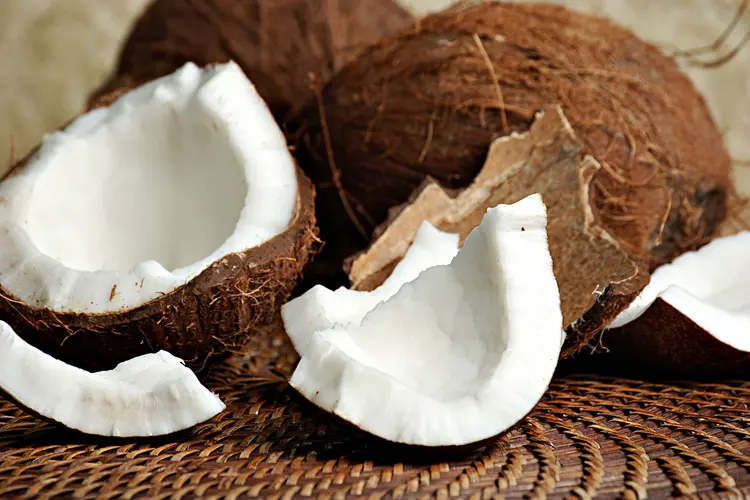






.jpg.png)