Zenith Impex — Verified Supplier
About Zenith Impex - Food Products Supplier in India
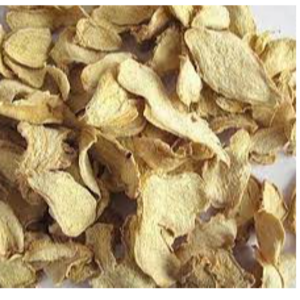
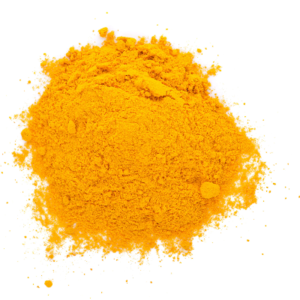
Zenith Impex is located in Kalamboli, Navi Mumbai, Maharashtra, India and lists 71 active products across its catalogue. The company’s catalogue spans fresh vegetables, cereal grains, pulses, oil seeds, spices, and specialty food ingredients such as edible gum, pumpkin seeds and sugar‑coated fruits. Product entries include Fresh Green Chilli, Rice, Wheat, Onion, various dals (Masoor, Toor, Urad, Chana, Moong), sesame and mustard seeds, white pepper, turmeric powder, star anise, and other dehydrated spices. Each item is associated with the standard HS‑code families used for Indian agro‑exports, for example HS 0905 for chilies, HS 1006 for rice, HS 1201‑1202 for beans and pulses, and HS 2103 for processed spices. The supplier’s active product count of 71 reflects a broad but focused selection of staple and value‑added food raw materials.
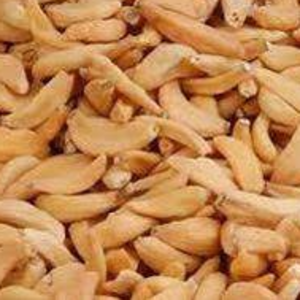
The listed products cover both bulk commodities and value‑added items that are commonly traded in 20‑ft and 40‑ft containers. Typical packaging includes jute or polypropylene sacks of 25 kg for grains and pulses, and food‑grade polyethylene bags for spices and seeds. The catalogue also mentions specialty items such as Edible Gum (Gond), Half Coconut (Copra), Jaggery, Makhana, Pink Salt, and Dried Rose Petals, which are often shipped in smaller cartons or bulk bags depending on buyer specifications. The product set aligns with major export segments from India, where agro‑products constitute a significant share of the country’s food‑safety‑certified shipments.
Product Range and Specialties of Zenith Impex
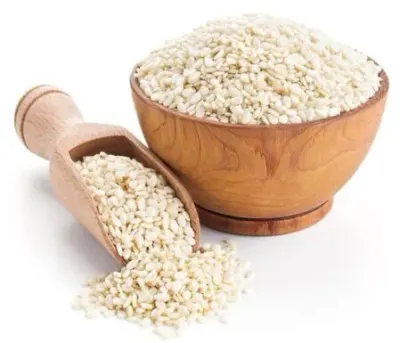
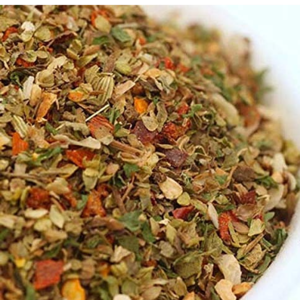
Zenith Impex’s catalogue includes fresh chilies, major cereals (rice, wheat), a full suite of Indian pulses (Masoor, Toor, Urad, Chana, Moong), oil seeds (sesame, mustard), and a variety of dried spices such as white pepper, turmeric, star anise and fennel. Industry standards for these categories typically require moisture limits of 12 % or lower for grains and pulses, and essential oil content specifications for spices (e.g., white pepper ≥ 4 % piperine). Seed products like sesame and mustard are often graded by kernel size and oil content, with premium grades exceeding 50 % oil extraction yield. Specialty items such as edible gum and Makhana are evaluated for microbial limits and aflatoxin levels, while pink salt is checked for purity (≥ 99 % NaCl).
Buyers generally request certificates of analysis that detail moisture, foreign matter, pesticide residues, and microbiological limits. For processed spices, specifications may include particle size (mesh 20‑40) and color intensity measured by spectrophotometry. The range also supports bulk handling, with standard export packages of 25 kg to 1 ton bags for bulk commodities and 500 g to 5 kg retail packs for spice blends.
Trade and Export Information - Zenith Impex
India is a leading exporter of cereals, pulses, oil seeds and spices, with major destinations in the Middle East, Africa, the European Union and the United States. Export shipments are usually classified under HS chapters 09 (spices and vegetables), 10 (cereals) and 12 (oil seeds and nuts). Buyers typically require compliance with ISO 22000, HACCP or FSSC 22000 food safety systems, and may request phytosanitary certificates issued by the Indian plant quarantine authority. Container loading follows standard 20‑ft or 40‑ft formats, with bulk commodities packed in woven polypropylene or jute bags, while spices and specialty items are often placed in food‑grade inner liners to prevent contamination.
Indian exporters of pulses and cereals commonly face mandatory testing for pesticide residues under the EU Pesticide Residue Limits (MRLs) and US FDA regulations. For spices, the EU's Commission Regulation (EU) No 2017/625 on official controls and the Indian Spices Board’s quality standards are typical reference points. Importers usually prefer FOB or CIF terms, with freight forwarding agencies handling customs clearance and pre‑shipment inspections by agencies such as SGS or Bureau Veritas.
Sourcing from Zenith Impex - Buyer Guidance
When sourcing from Zenith Impex, buyers should request a recent Certificate of Analysis for each product, confirming moisture content, foreign matter percentage, and compliance with applicable pesticide residue limits. For spices, ask for essential oil content or piperine level test reports, and for pulses verify broken grain percentage and aflatoxin results. It is advisable to obtain a copy of the supplier’s food safety certification (e.g., ISO 22000 or HACCP) and a phytosanitary certificate before finalizing the order.
Buyers should confirm packaging details - bag material, weight, and whether the product is bulk‑loaded or containerised - to match their logistics chain. Minimum order quantities for bulk grains are often 10 MT, while spices may start at 500 kg; lead times typically range from 20 to 45 days depending on product seasonality and required quality testing. Requesting a pre‑shipment sample can help verify sensory attributes such as aroma for spices or grain integrity for pulses.
Frequently Asked Questions About Zenith Impex
What product categories does Zenith Impex offer?
The supplier lists fresh chilies, rice, wheat, onions, a full range of Indian pulses, sesame and mustard seeds, white pepper, turmeric powder, star anise, and specialty items such as edible gum, half coconut, jaggery, makhana, pink salt and dried rose petals.
Which HS codes are relevant for the listed products?
Typical HS‑code families include 0905 for fresh chilies, 1006 for rice, 1001 for wheat, 1201‑1202 for beans and pulses, 1207 for sesame seeds, 2103 for processed spices and food preparations, and 2105 for other food products.
What certifications should a buyer request?
Buyers should request food safety certifications such as ISO 22000, HACCP or FSSC 22000, a recent Certificate of Analysis for each product, and a phytosanitary certificate issued by Indian authorities.
What are the common packaging formats for these agro‑products?
Bulk grains and pulses are usually packed in 25 kg or 1 ton polypropylene/jute bags; seeds and spices are often packed in 5 kg to 25 kg food‑grade polyethylene bags; specialty items may be shipped in cartons or bulk bags depending on buyer specifications.
What is the typical minimum order quantity and lead time?
Minimum order quantities are generally 10 metric tonnes for bulk cereals and pulses, and 500 kg for spices. Lead times range from three to six weeks, varying with product seasonality and required quality testing.
Which markets commonly import these Indian agro‑products?
Major import markets include the United Arab Emirates, Saudi Arabia, Kenya, the United Kingdom, Germany, and the United States, where buyers in food processing, retail and hospitality sectors source these commodities.
How are shipments usually arranged?
Shipments are commonly arranged on 20‑ft or 40‑ft containers under FOB or CIF terms. Freight forwarders handle customs clearance and may coordinate pre‑shipment inspections by third‑party agencies.
Can samples be obtained before placing a full order?
Yes, the supplier can provide pre‑shipment samples for sensory evaluation and laboratory testing. Buyers should specify the desired sample size and testing parameters when requesting a quote.




 , India