Laxmi Enterprises — Verified Supplier
About Laxmi Enterprises - Dehydrated Spices Supplier in India
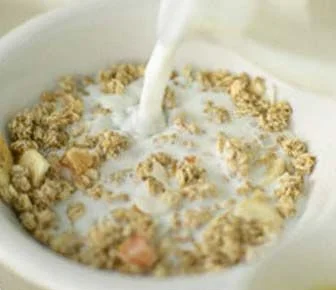
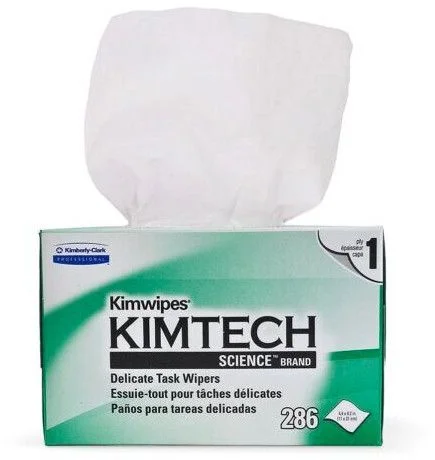
Laxmi Enterprises operates from India and currently lists five distinct product groups in its catalogue. The catalogue covers dehydrated spices, talc‑based baby powder, disposable baby diapers and wipes, personal deodorant and body‑care items, and coconut water powder together with coconut milk. Each product family is presented under its generic category without further subdivision, reflecting the supplier’s focused product portfolio. The company’s trust tier is recorded as “harbor”, indicating a moderate level of buyer confidence in trade platforms.
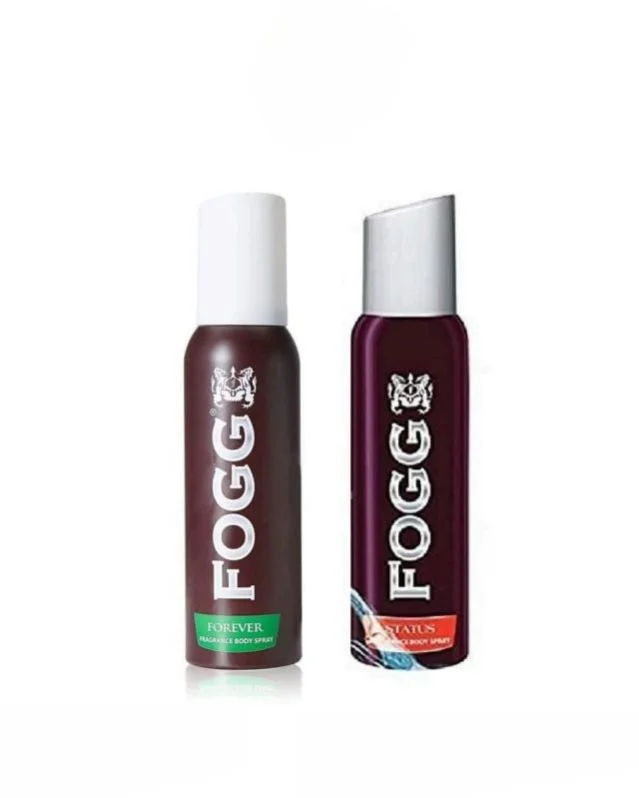
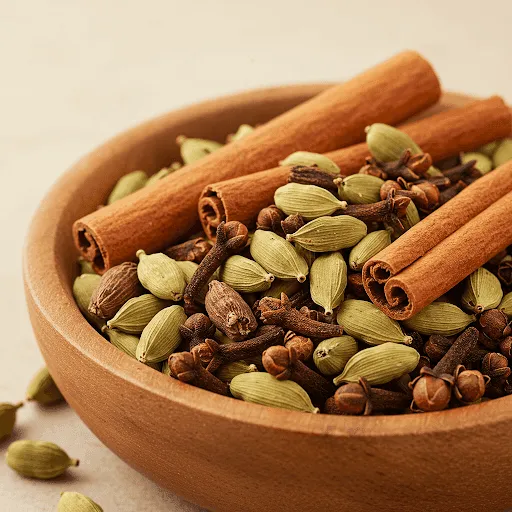
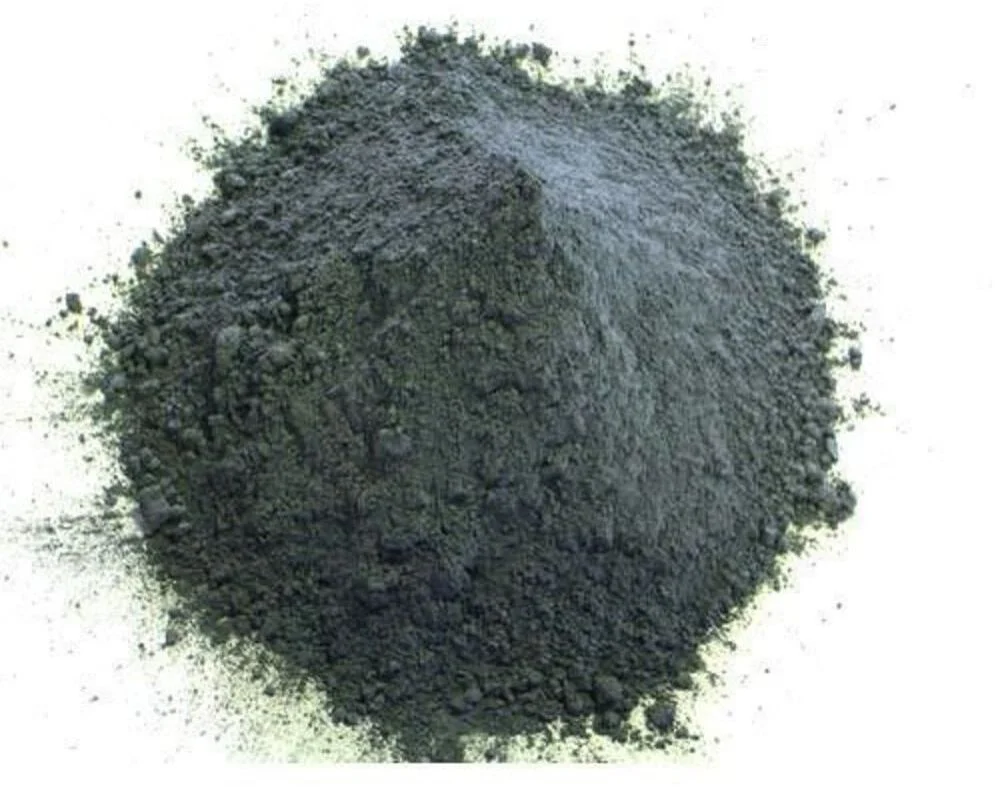
The listed items include bulk ground spices, a talc powder formulated for infant skin, fully assembled baby diapers with accompanying wet wipes, aerosol and roll‑on deodorant formats as well as body spray, and powdered coconut water alongside liquid coconut milk. No HS codes are disclosed in the source data, and the description stays limited to the categories provided. The supplier’s active product count of five aligns with the five entries in the catalogue.
Product Range and Specialties of Laxmi Enterprises
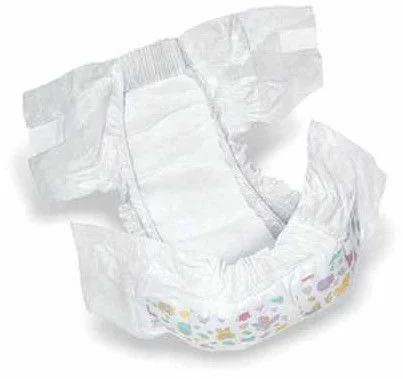
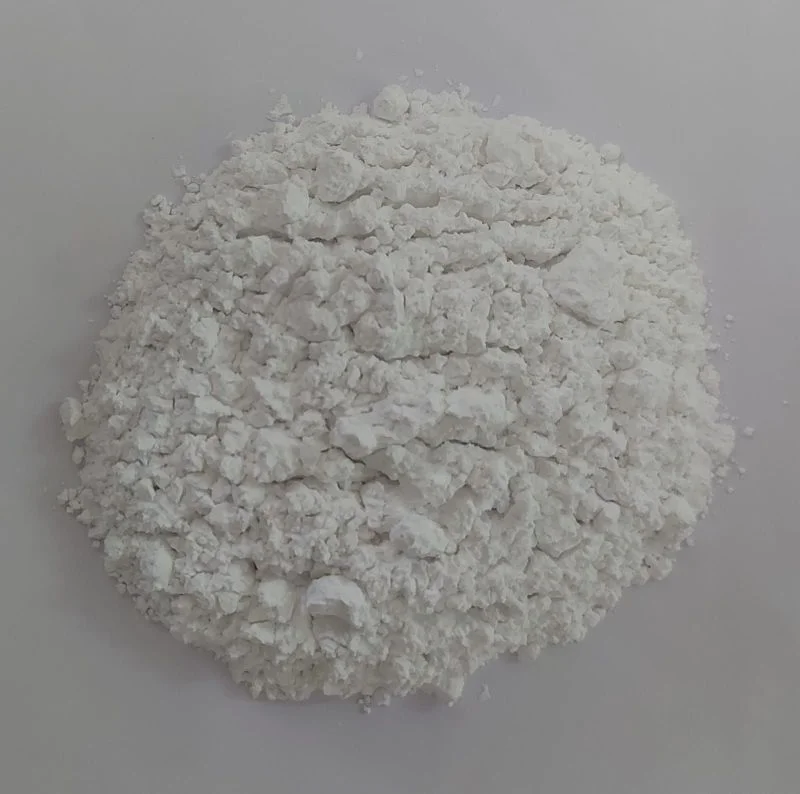
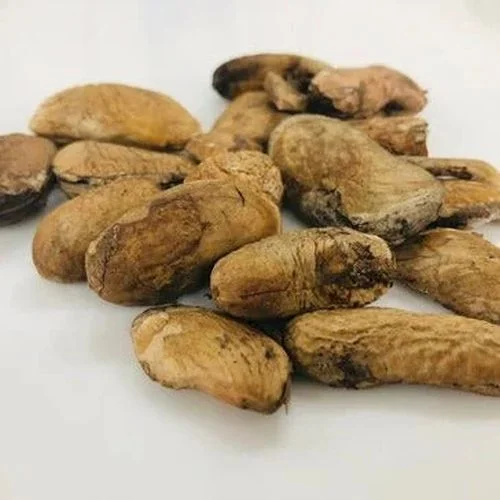
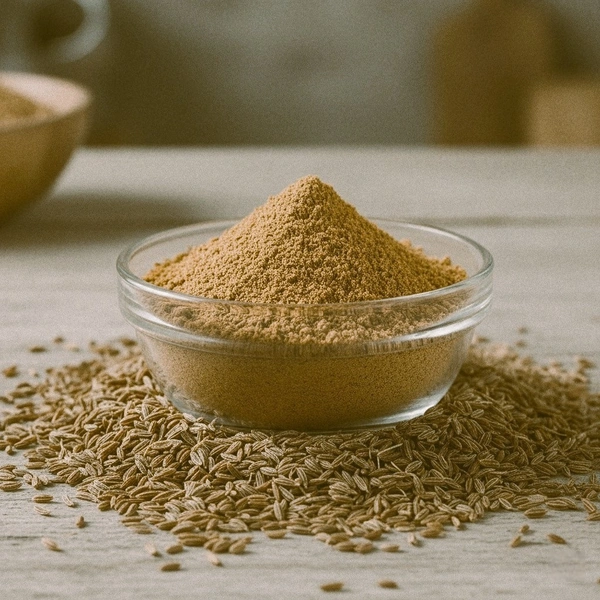
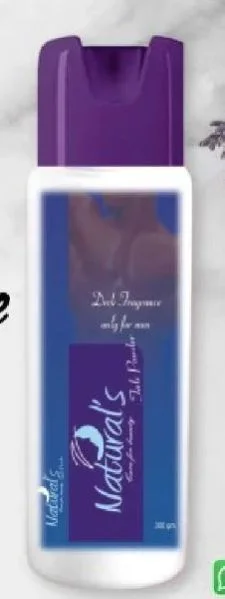
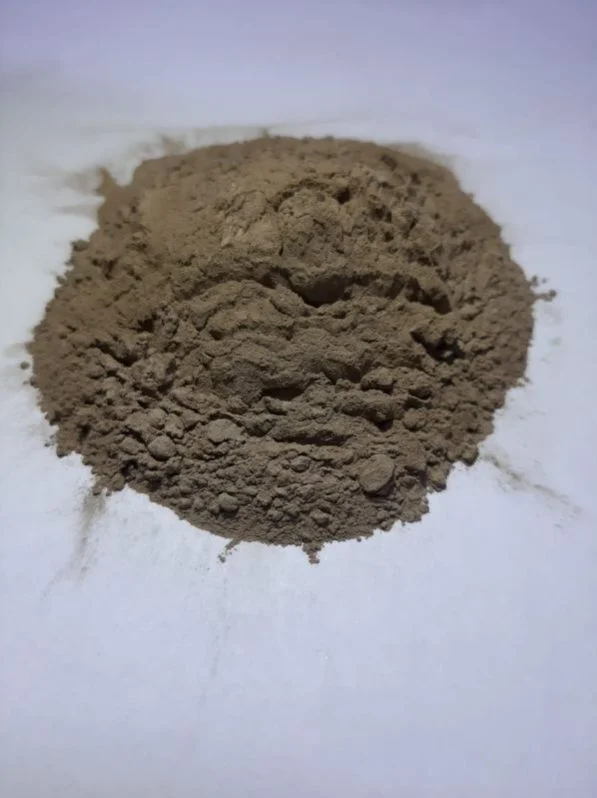
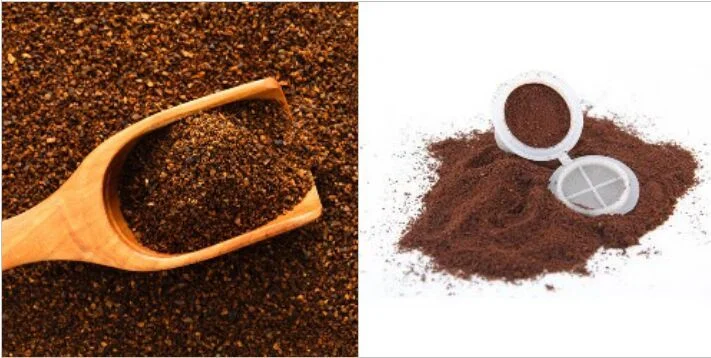
The spice line consists of dehydrated ground spices that are typically graded by purity, moisture content (often below 12 %), and particle size distribution. In the wider market, Indian spice exporters frequently meet ISO 22000 and HACCP standards, and buyers may request a certificate of analysis showing microbiological limits and pesticide residues. The talc powder for babies is usually a fine‑grade talc with a particle size under 30 µm and a moisture level below 5 %, packaged in sealed multi‑layer bags to prevent contamination. Baby diapers and wipes are manufactured from super‑absorbent polymer cores, fluff pulp, and non‑woven topsheets. Standard specifications include a leak‑proof backsheet, a minimum SAP absorbency of 300 g per diaper, and compliance with EN 71 for safety. Deodorant products - sprays, roll‑ons and body sprays - are commonly formulated with ethanol, fragrance oils, and antimicrobial agents, and are evaluated for aerosol pressure (typically 80 - 120 kPa) and volatile organic compound (VOC) limits. Coconut water powder is produced by spray‑drying fresh coconut water to a residual moisture of 3‑5 % and retains a minimum soluble solids content of 20 % Brix; coconut milk is usually sold as a canned or tetra‑pack product with a fat content of 10‑20 %.
Trade and Export Information - Laxmi Enterprises
India is a major exporter of spices, with key markets in the United States, the European Union, and the Middle East. Export shipments of dehydrated spices are generally packed in food‑grade polypropylene bags or metal tins, and buyers often require a phytosanitary certificate and compliance with the Codex Alimentarius standards. The global diaper market draws heavily from Asian manufacturers; Indian diaper exporters typically ship 20‑foot containers with core‑packed units and must meet ISO 9001 quality management as well as textile safety standards. Personal care products such as deodorants and body sprays are regulated under the EU Cosmetics Regulation (Regulation EC 1223/2009) and the US FDA’s cosmetics guidelines, which call for ingredient disclosure and safety assessments. Coconut water powder and coconut milk are classified as food products and are subject to the Food Safety and Standards Authority of India (FSSAI) export requirements, including a Certificate of Origin and, where required, an Organic Certification for premium markets. Shipping methods range from containerised sea freight for bulk powders to air freight for time‑sensitive personal‑care items, with Incoterms such as FOB or CIF commonly used.
Sourcing from Laxmi Enterprises - Buyer Guidance
When sourcing spices from Laxmi Enterprises, request a recent certificate of analysis that details moisture, ash, and microbial limits, as well as any pesticide residue testing performed under the EU Pesticide Residues Directive. For talc powder, ask for a particle‑size distribution report and a safety data sheet confirming low asbestos risk. Buyers of diapers should verify the absorbency rating, the type of SAP used, and obtain a compliance statement for EN 71 or ISO 9001. Deodorant orders benefit from receiving a stability test report covering shelf life at 30 °C and 40 °C, plus a VOC emissions statement if the product is destined for the EU. For coconut water powder and coconut milk, request a Brix measurement, moisture content, and a microbial limit test, together with the FSSAI export certificate and any organic certification if required. In all cases, confirm packaging dimensions, container loading plans, and the preferred Incoterm before finalising the purchase.
Frequently Asked Questions About Laxmi Enterprises
What spice varieties does Laxmi Enterprises offer and how are they packaged?
The catalogue lists a generic "Spices" line, which in Indian export practice is usually supplied as bulk ground spices packed in food‑grade polypropylene bags ranging from 25 kg to 1 ton. Buyers should ask for a product specification sheet that includes purity, moisture and microbiological limits.
Does Laxmi Enterprises provide safety documentation for its baby talc powder?
Yes, standard documentation includes a Material Safety Data Sheet (MSDS) and a particle‑size analysis confirming a fine grade (typically <30 µm). Buyers should also request a recent certificate of analysis confirming low asbestos and lead levels.
What are the typical specifications for the baby diapers listed by Laxmi Enterprises?
Indian diaper exporters normally provide diapers with a super‑absorbent polymer core capable of absorbing at least 300 g of liquid, a leak‑proof backsheet, and a non‑woven top layer. A compliance statement for EN 71 or ISO 9001 is customary.
Are the deodorant products compliant with EU cosmetic regulations?
While the supplier’s specific certifications are not listed, EU buyers generally require a safety assessment, ingredient list, and a VOC emissions report for aerosol formats. Request these documents before shipment.
What quality parameters are used for coconut water powder?
Coconut water powder is typically evaluated for residual moisture (3‑5 %), soluble solids (minimum 20 % Brix), and microbial limits (e.g., total plate count <10 ³ CFU/g). A certificate of analysis should detail these values.
Which export documentation is needed for the coconut milk product?
Standard export paperwork includes a Certificate of Origin, an FSSAI export certificate, and, if targeting organic markets, an Organic Certification. A lab report confirming fat content (10‑20 %) and shelf‑life stability is also advisable.
What shipping methods are most common for these product categories?
Bulk spices and coconut powders are usually shipped in 20‑foot or 40‑foot containers on FOB or CIF terms. Smaller personal‑care items such as deodorants and baby wipes are often packed in cartons and may be sent via air freight for faster delivery.
How can a buyer verify product authenticity before placing a large order?
Request sample units accompanied by a recent certificate of analysis, safety data sheet, and any relevant quality management system certificates. Conduct third‑party laboratory testing on the samples to confirm that the specifications match the supplier’s claims.




 , India