DGS Spices — Verified Supplier
About DGS Spices - Spices Supplier in India
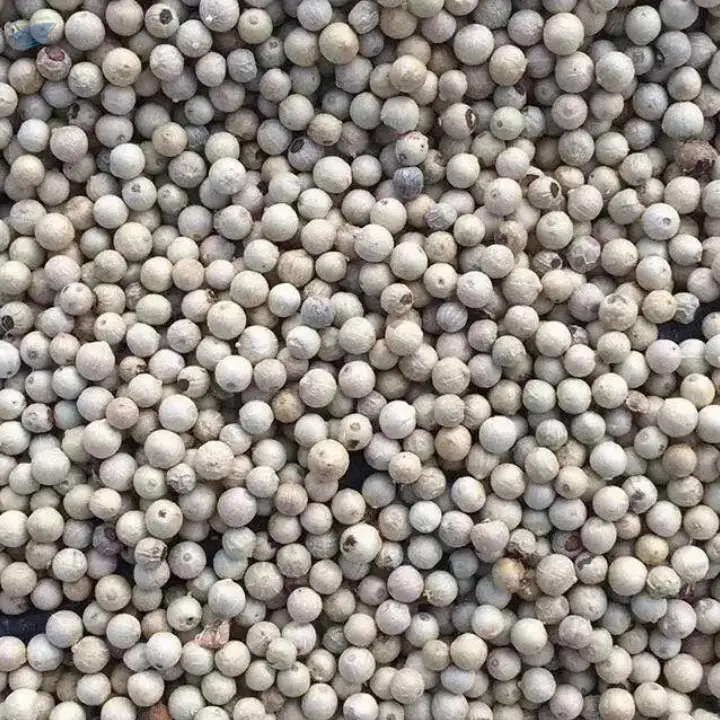
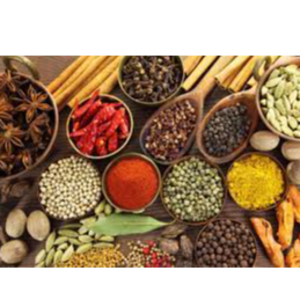
DGS Spices, located in India, offers a diverse range of 23 products. Their product catalogue includes various spices such as Black Pepper, Vanilla, Cinnamon, Cardamom, and Coriander Seeds, among others. The company's active product count showcases its extensive offerings in the spices category. With a presence in India, DGS Spices is well-positioned to cater to the demands of the global spice market.
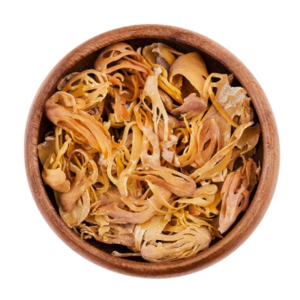
The spices category, which includes products like Ginger, Mace, and Moringa Seeds, is subject to various quality standards and regulations. Exporters of spices typically need to adhere to strict quality control measures to ensure the purity and safety of their products. Buyers of spices usually require certifications like ISO 22000 or HACCP to guarantee the quality of the spices.
Product Range and Specialties of DGS Spices
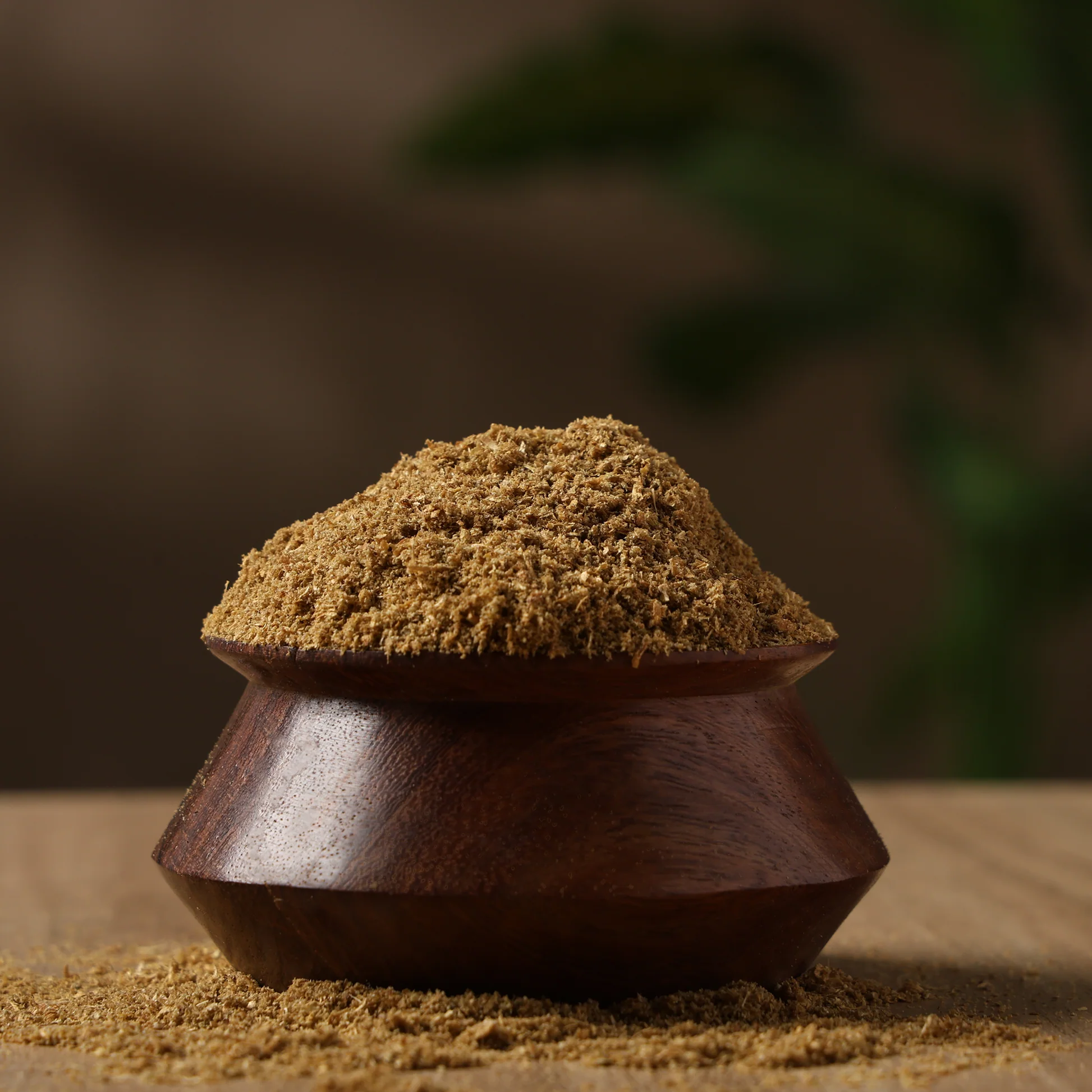
DGS Spices' product range encompasses various types of spices, including whole spices, ground spices, and spice blends. The company's catalogue features products like Vegetable Masala, Fenugreek, and Spice powder & masala blends, which are commonly used in various cuisines. Buyers of spices typically look for products that meet specific quality grades, such as ASTM or ISO standards, to ensure consistency and reliability.
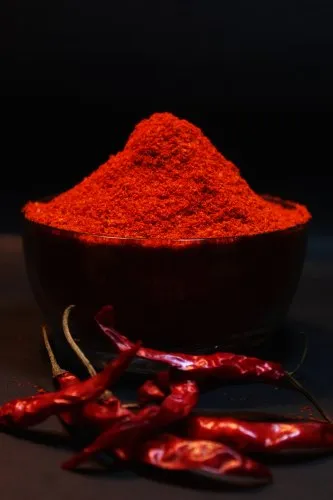
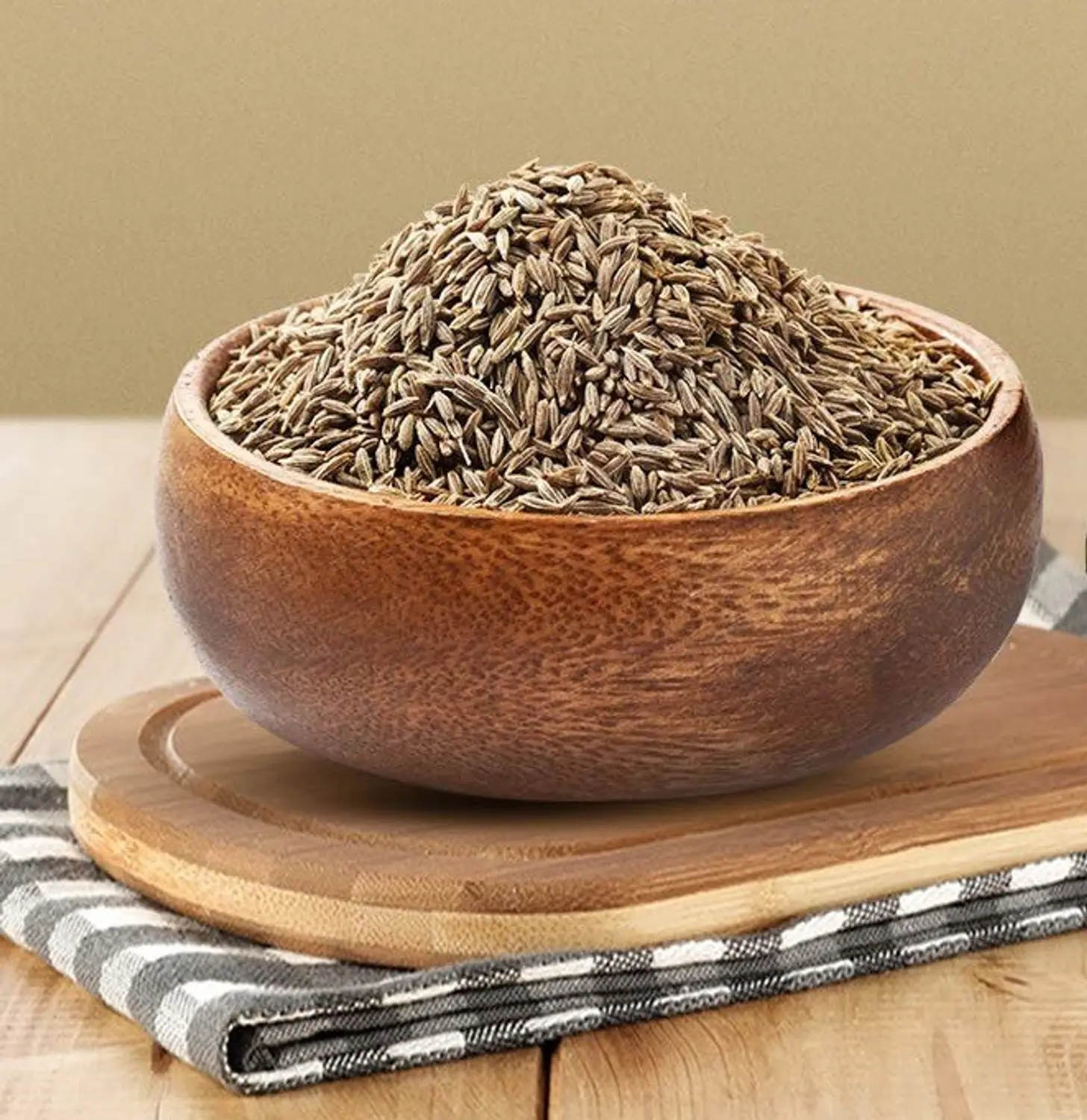
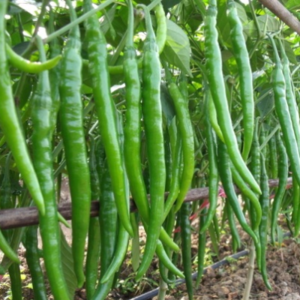
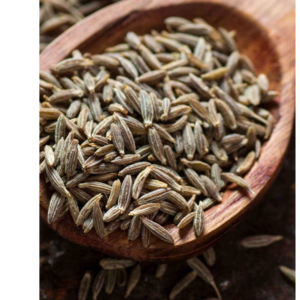
The spices industry is characterized by a diverse range of products, each with its unique characteristics and requirements. For instance, products like Cumin Seeds, Moringa Leaf Powder, and Chilli are subject to different quality parameters and testing methods. Understanding these differences is crucial for buyers to ensure they source the right products for their needs.
Trade and Export Information - DGS Spices
Exporters of spices from India, like DGS Spices, typically cater to markets in the Middle East, Europe, and North America. The HS code families involved in the spice trade include 0904 for pepper, 0905 for vanilla, and 0906 for cinnamon, among others. Buyers of spices usually require compliance with regulations like the EU's Spice Directive or the US FDA's guidelines for spice imports.
The spice trade is subject to various logistical and regulatory norms, including packaging, labeling, and shipping requirements. For example, spices are typically shipped in 20-40 ft containers, with packaging materials like jute bags or polypropylene bags. Understanding these norms is essential for buyers to ensure smooth and compliant trade.
Sourcing from DGS Spices - Buyer Guidance
When sourcing spices from DGS Spices, buyers should request specifications, samples, and test reports to verify the quality of the products. Certifications like ISO 22000 or HACCP are typically required for spice imports, and buyers should confirm the company's compliance with these standards. Additionally, buyers should verify the moisture content, purity, and other quality parameters of the spices to ensure they meet their requirements.
Buyers should also be aware of the typical lead times and MOQs for spice products. For instance, the lead time for spices can range from 15-30 days, and the MOQ can vary from 100-1000 kg, depending on the product and supplier. Understanding these factors can help buyers plan their sourcing and logistics effectively.
Frequently Asked Questions About DGS Spices
What is the product range of DGS Spices?
DGS Spices offers a diverse range of 23 products, including various spices like Black Pepper, Vanilla, Cinnamon, and Coriander Seeds.
What quality standards do spice exporters typically need to adhere to?
Exporters of spices typically need to adhere to strict quality control measures, including certifications like ISO 22000 or HACCP, to ensure the purity and safety of their products.
What are the typical packaging and shipping requirements for spices?
Spices are typically shipped in 20-40 ft containers, with packaging materials like jute bags or polypropylene bags.
What certifications are typically required for spice imports?
Certifications like ISO 22000 or HACCP are typically required for spice imports, and buyers should confirm the company's compliance with these standards.
What is the typical lead time for spice products?
The lead time for spices can range from 15-30 days, depending on the product and supplier.
What is the typical MOQ for spice products?
The MOQ for spices can vary from 100-1000 kg, depending on the product and supplier.
How can buyers verify the quality of spice products?
Buyers can verify the quality of spice products by requesting specifications, samples, and test reports, and by confirming the company's compliance with quality standards and certifications.
What are the typical quality parameters for spice products?
The typical quality parameters for spice products include moisture content, purity, and other quality parameters, which can vary depending on the product and supplier.




 , India


.jpg.png)