KHAN RICE MILLS — Verified Manufacturer & Wholesale Supplier
About KHAN RICE MILLS - Rice and Himalayan Salt Exporter in Pakistan
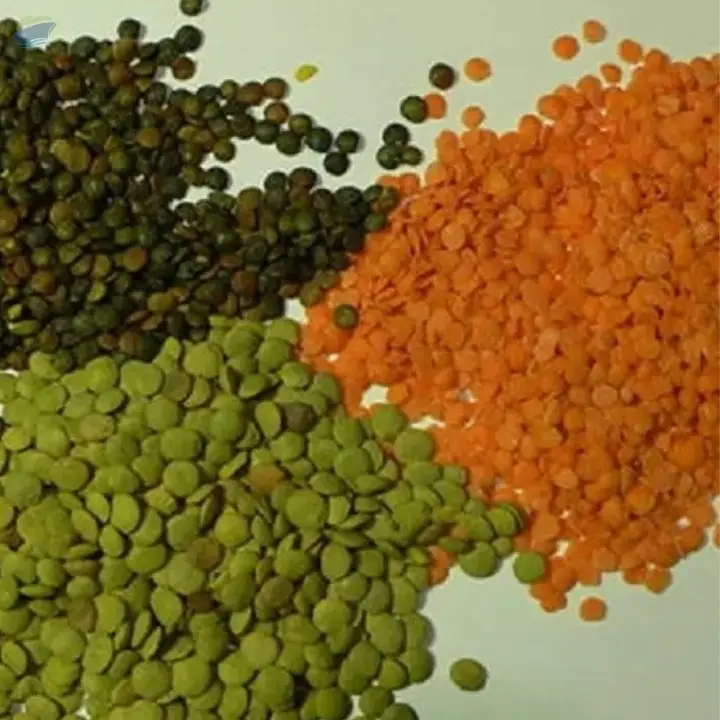
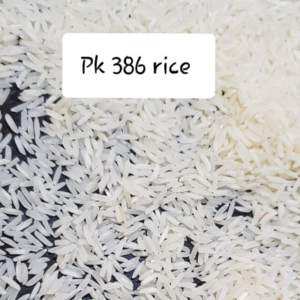
KHAN RICE MILLS operates from Pakistan with milling and processing presence in both Sindh and Punjab, and the company lists 10 active products on its trade catalogue. The catalogue is concentrated on rice under HS code 1006.30 (semi-milled or wholly milled rice) and 1006.20 (husked brown rice), covering Basmati 1121 varieties, parboiled sella grades, PK 386, C9, IRRI 6 and brown Basmati, alongside two Himalayan pink salt items under HS 2501.00 and 2501.90. Punjab, and the Sheikhupura belt in particular, is the historic cultivation zone for traditional Basmati, while Sindh contributes the long-grain non-Basmati IRRI 6 and PK 386 styles. The combined rice-plus-salt portfolio is shipped to importers across the Middle East, Africa, Europe, North America and South Asia, consistent with the typical outbound lanes from Karachi port for Pakistani milled rice.
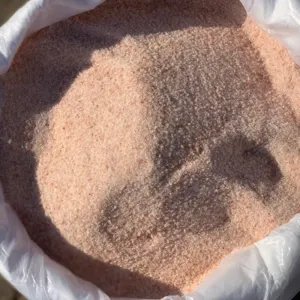
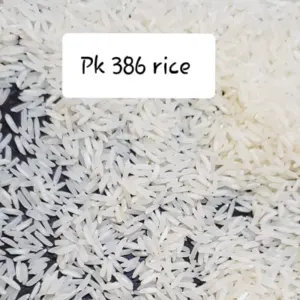
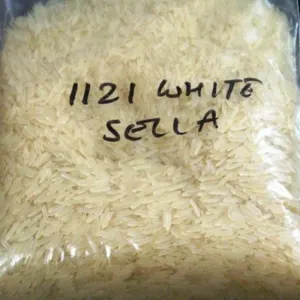
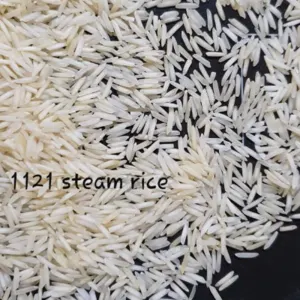
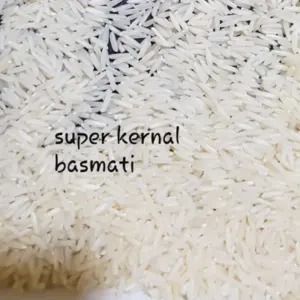
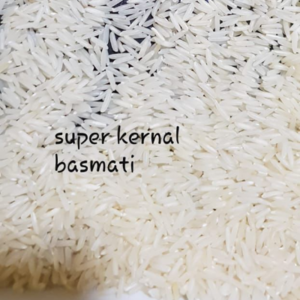
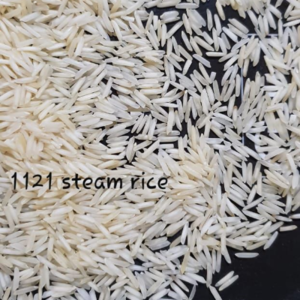
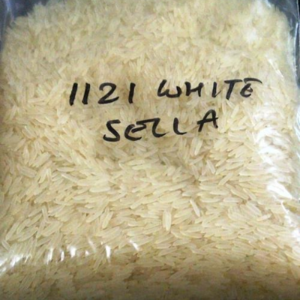
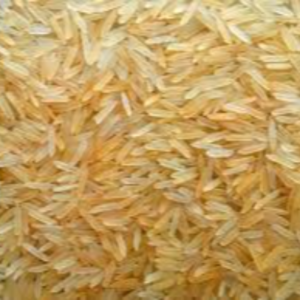
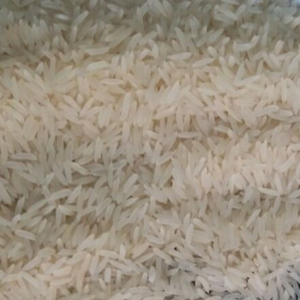
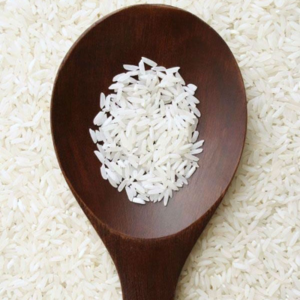
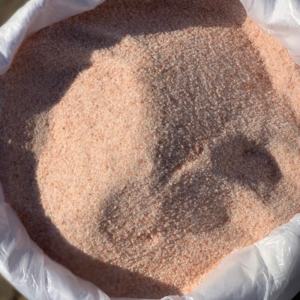
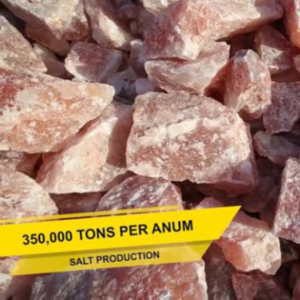
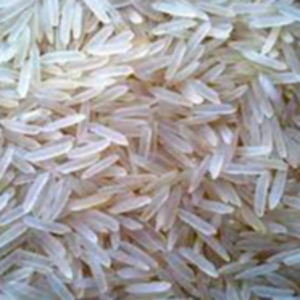
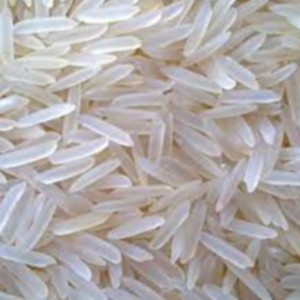
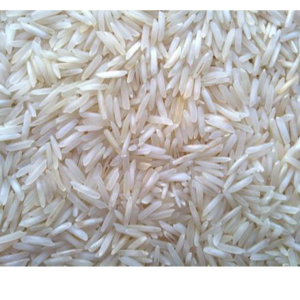
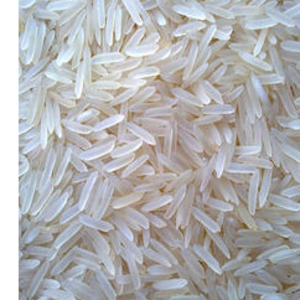
The supplier's rice line spans 8 of the 10 catalogue entries and includes Super Kernel Basmati, 1121 Basmati Steam, Parboiled Sella 1121, 1121 Raw Basmati White, PK 386 White/Sella, Brown Basmati, C9 White/Sella and IRRI 6 White/Sella. The remaining two SKUs are Dark Pink Salt Powder (food-grade halite) and Granular Pink Salt crystal, both sourced from the Khewra salt range in Punjab. Together, the range reflects the two main export pillars Pakistan is known for globally: aromatic long-grain Basmati from the Punjab growing belt, and food-grade Himalayan pink salt. The catalogue's HS code structure (1006 for rice, 2501 for salt) is the standard classification used by Pakistani customs for these commodities.
Product Range and Specialties of KHAN RICE MILLS
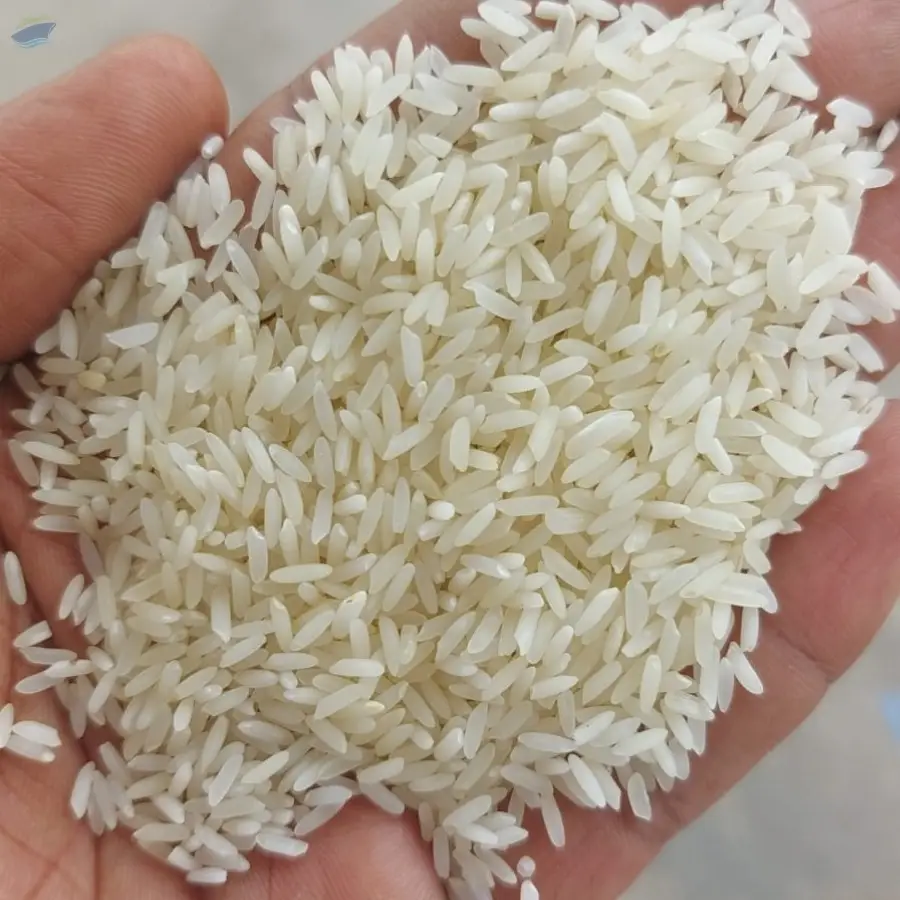
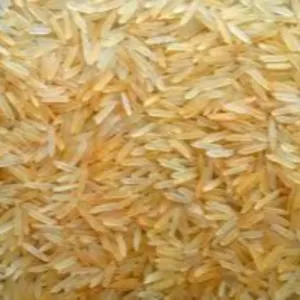
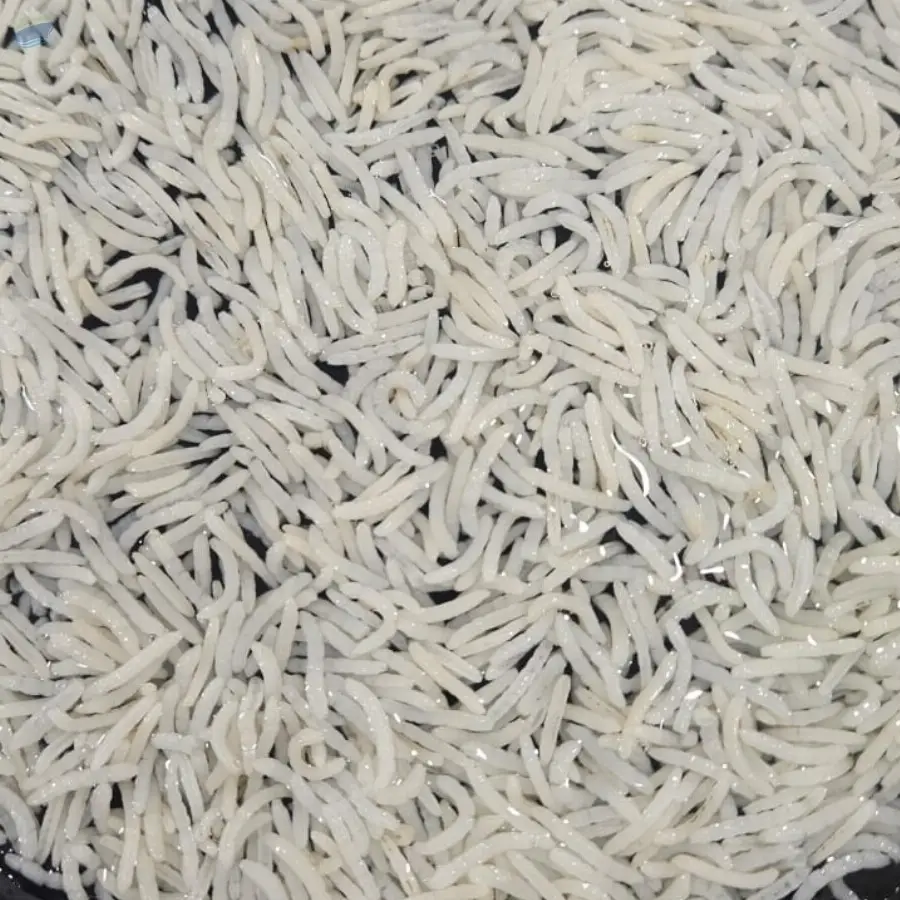
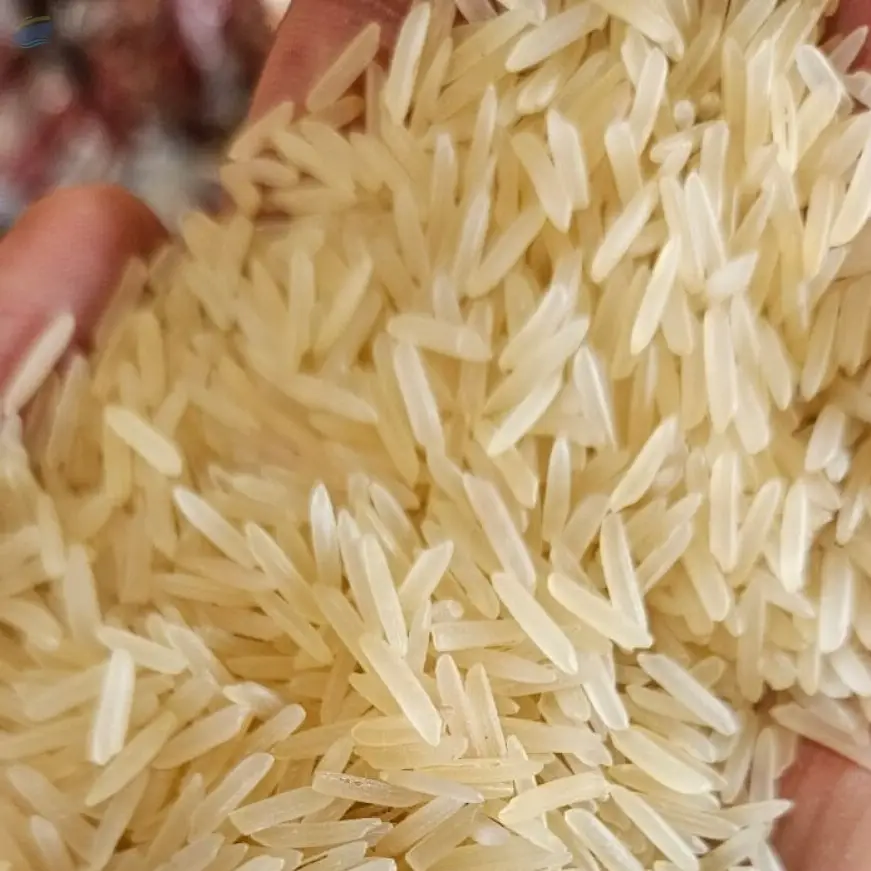
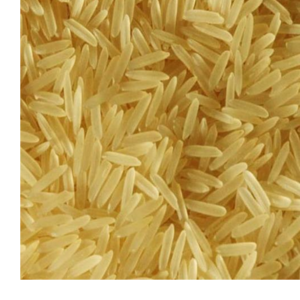
The rice catalogue is built around the 1121 Basmati family, which is the premium extra-long-grain aromatic variety developed for export markets and typically measured at 7.0-7.5 mm average grain length before cooking. Super Kernel Basmati and 1121 Basmati Steam are sold as milled white rice, while Parboiled Sella 1121 is the parboiled (steam-pressure treated) version with a characteristic golden-cream translucent kernel. Buyers in this segment typically compare on average grain length, percentage of broken grains (commonly 2% max for premium Basmati), moisture content (target 12-13%), and elongation ratio after cooking (1121 varieties typically reach 14-16 mm). The PK 386, C9 and IRRI 6 lines are non-Basmati long-grain rices, where IRRI 6 in particular is a workhorse parboiled/white grade exported in bulk from Karachi and often used for institutional, catering and reconstitution markets. Brown Basmati under HS 1006.20 is the husked (un-milled) version retaining the bran layer, with typical specs of 2% max broken, 13% max moisture, and 75-78% minimum head rice yield. The two salt SKUs sit under HS 2501.00 (salt in bulk) and 2501.90 (other salt), with granular crystal commonly graded by mesh size (e.g. 1-3 mm food grade, 2-4 mm, 4-7 mm) and powder graded by fineness. Food-grade Himalayan pink salt typically must meet sodium chloride purity of 96-98% with trace minerals, and buyers should confirm whether the lot meets Codex Alimentarius food salt standards or destination-market equivalents.
Trade and Export Information - KHAN RICE MILLS
Pakistani rice exports under HS 1006.30 and 1006.20 typically flow to the Gulf Cooperation Council states, the United Kingdom, the Netherlands, Germany, Kenya, Djibouti, Somalia, Bangladesh, Egypt, Jordan, Morocco, Albania and Ukraine, with Basmati 1121 commanding the strongest demand in the UK, EU, Saudi Arabia and UAE retail packs and IRRI 6/PK 386 moving in bulk to African and Middle Eastern food-security buyers. The two pink salt items under HS 2501.00 and 2501.90 are usually shipped to the same regions plus North America and Australia, where Himalayan salt is repacked for gourmet retail, spa/wellness and animal-lick applications. For rice, the typical buyer-requested documents are a phytosanitary certificate (issued by Pakistan's Department of Plant Protection), a certificate of origin (RECP or non-preferential), a SGS/Bureau Veritas/Intertek pre-shipment inspection for quality and weight, and a fumigation certificate; for food-grade salt, buyers usually request a certificate of analysis covering NaCl percentage, heavy metals, moisture and insolubles, plus conformity to destination food-safety rules such as EU Regulation 1881/2006 contaminants limits, US FDA 21 CFR 101.61, or Gulf Standard GSO 1844. Standard export packaging is 25 kg or 50 kg polypropylene/jute bags for rice (with 25 kg PP woven most common for retail-ready Basmati and 50 kg for bulk IRRI 6), loaded in 20 ft FCLs of roughly 18-25 MT depending on bag weight, and 25-50 kg PE-lined bags or 1 MT jumbo bags for salt. Incoterms typically used by Pakistani rice and salt exporters are FOB Karachi, CFR and CIF, with vessels calling at Karachi Port (KPT) and Port Qasim. Pakistani Basmati also benefits from a Geographical Indication registration at EU level, which buyers in the EU routinely verify on the certificate of origin.
Sourcing from KHAN RICE MILLS - Buyer Guidance
Before placing a volume order with KHAN RICE MILLS, a buyer should request the latest Certificate of Analysis for each lot, listing average grain length, broken percentage, moisture, chalky kernels, damaged grains, foreign matter and milling degree for rice, and NaCl purity, moisture, insolubles and heavy-metal screen for salt. For Basmati 1121 and Super Kernel lines, ask for a cooking test report showing elongation ratio and aroma retention, plus a sample of 1-5 kg to verify aroma, texture and color before container booking. For parboiled sella grades, confirm the steam-pressure process used and request a pre-shipment inspection by an independent surveyor (SGS, Bureau Veritas or Intertek) covering grade, moisture and bag weight. Confirm whether the supplier can provide a phytosanitary certificate, fumigation certificate, and a certificate of origin referencing the Pakistan Basmati GI where the destination is the EU. For salt, request a food-grade COA, an MSDS, and confirmation of compliance with the destination market's food-salt regulation. Verify packaging type (PP woven, jute, or PE-lined), bag weight, labeling language, and container loading density. Clarify the production lead time, the milling or crushing date, the shelf life, and the validity of the offered specifications, as well as the documentary set to be sent with each shipment.
Frequently Asked Questions About KHAN RICE MILLS
What rice varieties does KHAN RICE MILLS currently export?
The catalogue lists 8 rice SKUs under HS 1006.30 and 1006.20, including Super Kernel Basmati, 1121 Basmati Steam, Parboiled Sella 1121, 1121 Raw Basmati White, PK 386 White/Sella, Brown Basmati, C9 White/Sella and IRRI 6 White/Sella. Buyers can request grade-specific specs such as average grain length in mm, broken percentage, moisture and milling degree for each variety.
Which HS codes apply to the rice and salt in this catalogue?
The rice items are classified under HS 1006.30 (semi-milled or wholly milled rice) and HS 1006.20 (husked brown rice). The Himalayan salt items fall under HS 2501.00 (salt in bulk) for the granular crystal and HS 2501.90 (other salt) for the powder form.
What documents should a buyer request before confirming a rice order?
Buyers should request a Certificate of Analysis with grade and moisture, a phytosanitary certificate from Pakistan's Department of Plant Protection, a fumigation certificate, a certificate of origin, and a pre-shipment inspection report from SGS, Bureau Veritas or Intertek. For EU-bound Basmati, the certificate of origin should reference the Pakistan Basmati Geographical Indication.
What is the typical export packaging for Pakistani Basmati and IRRI 6 rice?
Premium Basmati is usually packed in 25 kg polypropylene woven bags, while bulk IRRI 6 and PK 386 are commonly shipped in 50 kg PP or jute bags. A 20 ft FCL typically loads 18-25 metric tonnes depending on bag weight and compression, and 40 ft HC containers are used for larger consignments.
What specifications matter most when evaluating Basmati 1121 rice?
Key parameters are average pre-cooking grain length (typically 7.0-7.5 mm for 1121), elongation after cooking (commonly 14-16 mm), broken grain percentage (premium grades usually 2% max), moisture (12-13%), and aroma intensity. A cooking test report and a 1-5 kg pre-shipment sample are the standard verification tools.
What should be checked on a Himalayan pink salt shipment?
Buyers should request a food-grade Certificate of Analysis covering NaCl purity (typically 96-98%), moisture, water-insoluble matter, and heavy-metal screen against destination-market limits such as EU 1881/2006 or US FDA standards. Mesh size, color uniformity and packaging in PE-lined bags should also be confirmed.
What are the usual Incoterms and shipping ports for Pakistani rice exports?
Pakistani rice and salt exporters typically quote FOB Karachi, CFR or CIF, loading at Karachi Port (KPT) or Port Qasim. Lead time depends on milling schedule and vessel availability, and buyers should confirm the production month and the milling date on each lot.
Can KHAN RICE MILLS supply both retail and bulk pack sizes?
The catalogue lists bulk-oriented SKUs in woven or jute bags, but buyers should confirm whether private-label retail packs (1 kg, 2 kg, 5 kg, 10 kg) under the buyer's brand can be arranged, along with the required barcoding, multi-language labeling and retail-shelf-ready carton specifications.




 , Pakistan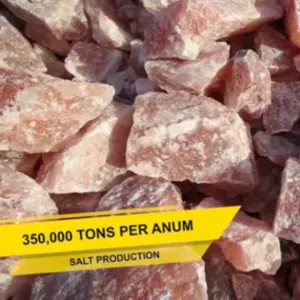






.jpg.png)