JB INDIA TRADE — Verified Trader & Wholesale Supplier
About JB INDIA TRADE - Spice Supplier in India
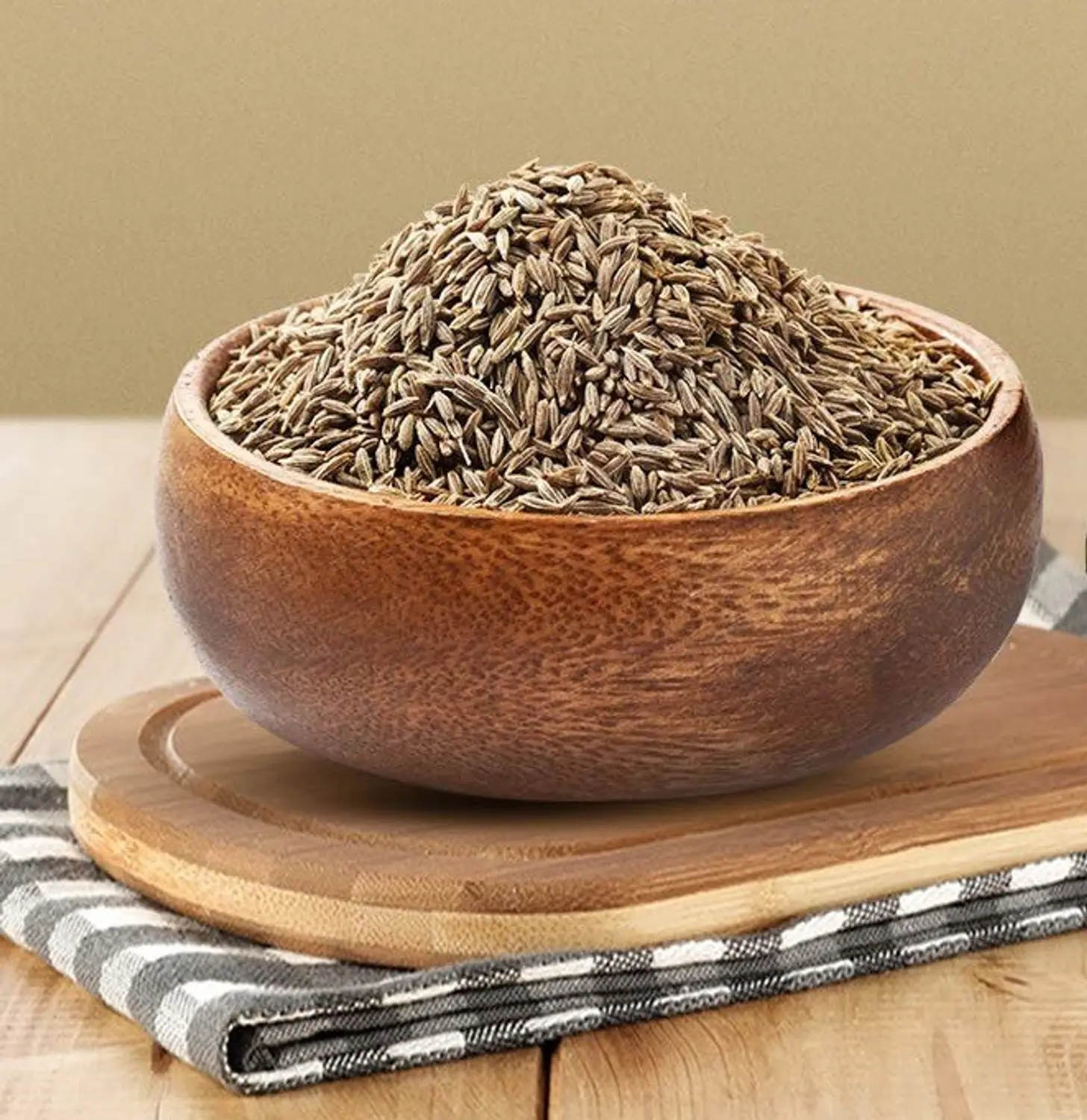
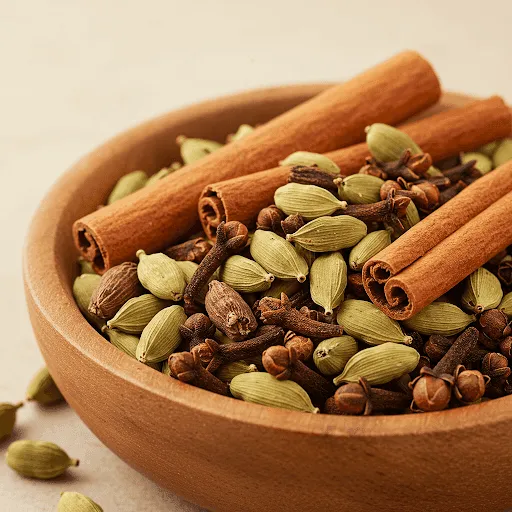
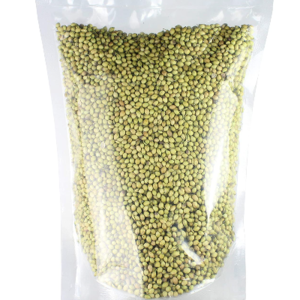
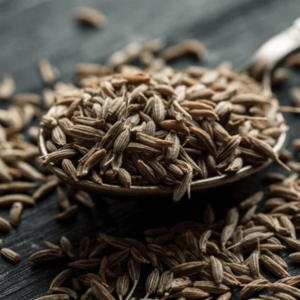
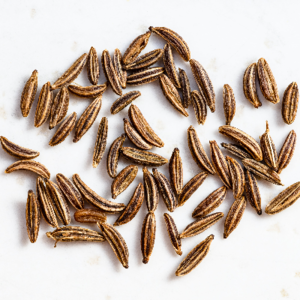
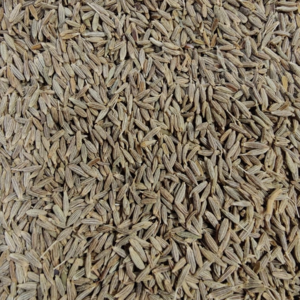
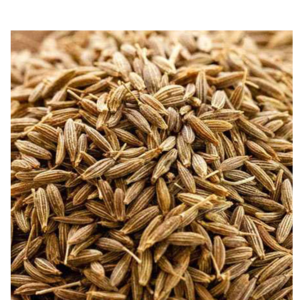
JB INDIA TRADE operates from Prakasam in the state of Andhra Pradesh, India and lists ten active products across spice seeds, organic spices, dehydrated spices, basmati rice, and Indian sweets. The catalogue includes raw red chillies, red chilli powder, raw turmeric fingers, turmeric powder, jaggery and jaggery powder derived from sugarcane, green cardamom, black pepper, clove seeds and Indian cumin seeds (jeera).
The red chilli items and the turmeric items are grouped under the HS‑code families noted as “teja, s17, byadgi, dd etc.” and “e‑road, alleppy, salam etc.” respectively, while the remaining products are listed without a specific HS code in the supplied data. All products are described by their raw material source, such as raw red chillies with or without stem, raw turmeric fingers, sugarcane for jaggery, and generic Indian spices for pepper and clove seeds.
Product Range and Specialties of JB INDIA TRADE
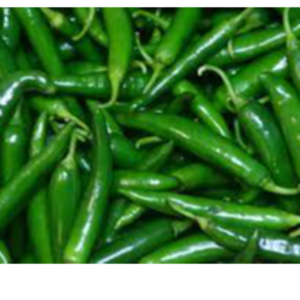
The supplier’s catalogue covers whole‑seed red chillies, ground red chilli powder, whole turmeric fingers (single or double polished) and turmeric powder, both derived from raw turmeric roots. In the Indian spice market, whole chillies are typically graded by size (e.g., grade A > 15 mm) and moisture content below 12 %, while chilli powder is assessed for capsaicin level (Scoville rating) and particle size below 200 µm. Jaggery is offered in solid blocks and powdered form, usually graded by moisture (≤ 15 %) and color grade (golden to dark brown). Green cardamom, black pepper and clove seeds are evaluated on essential oil content (cardamom ≥ 6 %, pepper ≥ 30 % piperine) and uniformity of size. Typical packaging for bulk buyers includes 25 kg or 50 kg food‑grade polypropylene bags, with smaller 1 kg kraft or paper packs for retail markets.
Trade and Export Information - JB INDIA TRADE
India ranks among the top global exporters of spices, with shipments classified under HS Chapter 09 (e.g., 0904 for chillies, 0905 for pepper, 0906 for other spices) and Chapter 17 for jaggery (heading 1702). Major import regions include the Middle East, the European Union, the United States and Southeast Asia, where buyers often require FSSAI registration, ISO 22000 or HACCP audit reports, and, for organic lines, a recognized organic certification. Export logistics from Andhra Pradesh typically use the ports of Visakhapatnam or Chennai; containers are loaded as 20‑ft or 40‑ft units with standard Incoterms such as FOB or CIF. Phytosanitary certificates and certificates of origin are routinely required by importing customs, and many buyers request third‑party lab analysis for pesticide residues and moisture levels.
Sourcing from JB INDIA TRADE - Buyer Guidance
When sourcing from JB INDIA TRADE, buyers should request a current FSSAI licence, the latest organic certificate if applicable, and a laboratory COA covering moisture, ash and pesticide residues for each spice batch. Samples are usually supplied in 500 g sealed jars or 1 kg bags, allowing verification of colour, aroma and oil content before a full order is placed. Verify that packaging meets the buyer’s target market regulations - for example, food‑grade polypropylene for bulk shipments and compliant labeling for EU or US imports - and confirm the HS code family used for customs classification to avoid delays.
Frequently Asked Questions About JB INDIA TRADE
What packaging formats are used for red chilli powder?
Red chilli powder is commonly packed in food‑grade polypropylene bags of 25 kg or 50 kg with inner liners to protect against moisture. For smaller orders, 1 kg kraft paper bags are also offered.
Which certifications should be checked for the organic spice line?
Buyers should request the supplier’s current organic certification (India Organic or an equivalent international standard) together with a valid FSSAI licence. Additional food‑safety audits such as ISO 22000 or HACCP are frequently required by international importers.
Are samples available for the turmeric products?
Small samples of turmeric fingers and turmeric powder can be shipped in 500 g sealed jars or sachets. The supplier typically asks for a nominal shipping charge and a confirmed commercial address before dispatch.
What quality parameters are standard for green cardamom?
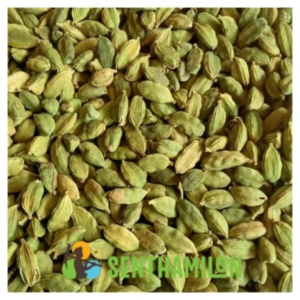
Green cardamom is evaluated on moisture content not exceeding 12 %, essential oil content of at least 6 % by weight, and uniform pod length of 10 - 12 mm. Absence of foreign matter and uniform colour are also part of the standard inspection.
What is the usual minimum order quantity for black pepper?
The typical MOQ for bulk black pepper is 500 kg, packed in 25 kg polypropylene bags. Larger shipments of 5 tonnes or more are common for established buyers.
Which HS heading applies to jaggery and jaggery powder?
Jaggery and jaggery powder fall under HS Chapter 17, heading 1702, which covers “Sugars and sugar confectionery”. The supplier’s data lists the product without a numeric code, but customs classification follows this heading.
How are shipments from this supplier usually arranged?
Exports are consolidated in 20‑ft or 40‑ft containers, with spices palletised on wooden frames and secured with stretch film. Common Incoterms are FOB Prakasam Port or CIF to the buyer’s destination port.
What documentation is needed for customs clearance of these spices?
Buyers should obtain a commercial invoice, detailed packing list, certificate of origin, phytosanitary certificate, and any required organic or food‑safety certificates. These documents satisfy most importing country regulations for spice products.




 Prakasam, India