Kam Agro — Verified Supplier

About Kam Agro - Fresh Shrimps Supplier in Sri Lanka

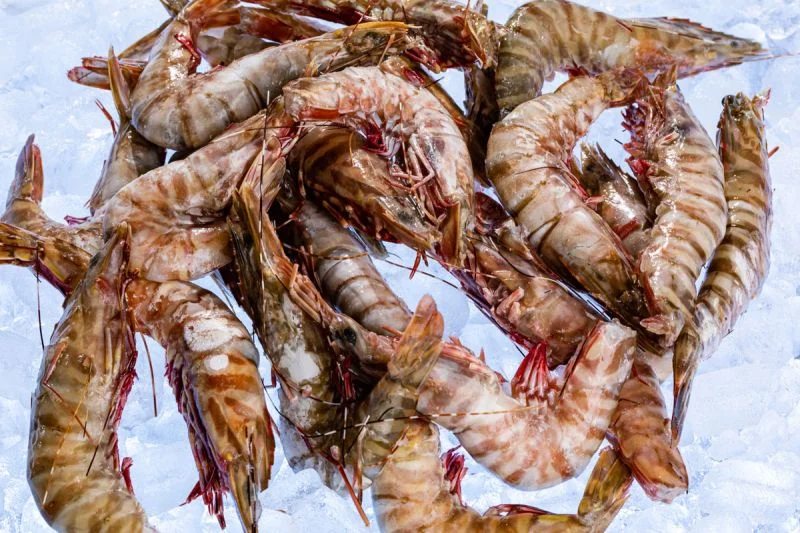
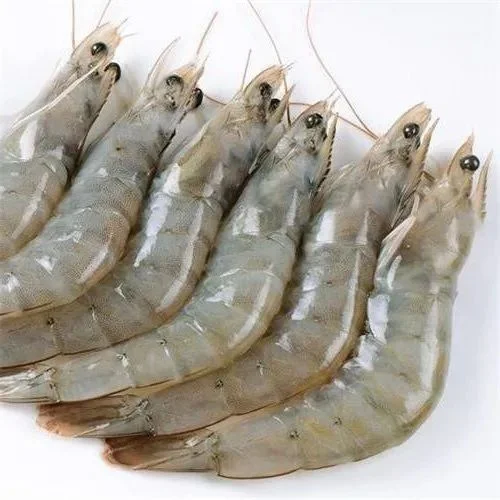
Kam Agro operates from Sri Lanka and currently lists seven active products in its catalogue. The items include Fresh Chilled Grouper Fish, Live Mud Crabs, Fresh Chilled Lobster, Fresh Chilled Scampi Shrimps, Fresh Chilled Black Tiger Shrimp, Ceylon Black Pepper and Cinnamon Sticks. These products map directly to the supplier’s top categories of Fresh Shrimps, Fresh Grouper Fish, Fresh Crabs, Fresh Lobsters, Pepper and Black Cardamom. The catalogue reflects a focus on temperature‑controlled seafood and traditional Sri Lankan spices, with each product presented as a separate line item.

The seafood entries fall under Chapter 03 of the HS nomenclature, which covers fish, crustaceans and other aquatic animals, while the spice entries are classified under Chapter 09 for aromatic plants and spices. The use of “fresh chilled” for shrimp, grouper and lobster indicates that the goods are intended for cold‑chain logistics. Pepper and cinnamon are listed as raw spice commodities, typical of Sri Lankan export specifications. No additional product families are mentioned beyond those seven items.

Product Range and Specialties of Kam Agro

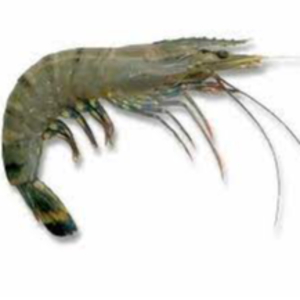
The catalogue shows two shrimp varieties - Scampi and Black Tiger - both supplied chilled, a live mud crab line, a chilled grouper fish, a chilled lobster, and two spice products (Ceylon black pepper and cinnamon sticks). In the seafood market, shrimp are commonly graded by count per kilogram (e.g., 21/25, 16/20) and by size range of 15‑30 mm shell length, while black tiger shrimp often meet a minimum weight of 15 g per piece. Fresh grouper is generally supplied as grade‑A whole fish with a flesh yield of 55‑60 % and is inspected for freshness indicators such as gill colour and eye clarity. Live mud crabs are usually sized by carapace width (e.g., 12‑15 cm) and must be delivered with live‑water containment, and lobsters are typically graded by carapace weight of 1‑2 kg per unit.

Spice grades for Ceylon black pepper are frequently defined by sieve size (e.g., 14 mesh) and moisture content below 12 %, while cinnamon sticks are measured by stick length (30‑50 mm) and oil content around 2‑3 %. Buyers often request certificates of analysis confirming these parameters, along with origin verification. The combination of chilled seafood and bulk spices aligns with Sri Lanka’s established export profile for high‑value perishable and aromatic commodities.

Trade and Export Information - Kam Agro

Sri Lankan seafood, especially shrimp, grouper, crab and lobster, is regularly shipped to the European Union, the Middle East, the United States and East Asian markets. These regions typically require health certificates issued by the Sri Lankan Department of Animal Production and Health, HACCP compliance, and, for the EU, BRC or EU organic certificates where applicable. The products fall under HS headings 0306 (fresh or chilled fish) and 0307 (crustaceans), while the spices are covered by HS heading 0909 (pepper, cinnamon and other spices). Export logistics commonly use insulated containers, 20‑foot or 40‑foot refrigerated containers, and comply with Incoterms such as CFR or CIF to the destination port.

Sri Lanka’s spice exports, particularly black pepper and cinnamon, are directed mainly to the EU, the United States and India. Importers usually request a phytosanitary certificate and a certificate of origin, and may also ask for a compliance statement with ISO 22000 or the EU’s food safety standards. Packaging for spices is typically multi‑layered polypropylene bags of 25 kg or bulk sacks of 500 kg, sealed to maintain moisture limits.

Sourcing from Kam Agro - Buyer Guidance

When sourcing from Kam Agro, buyers should request the supplier’s HACCP or ISO 22000 certification, the most recent health certificate for each seafood batch, and a laboratory analysis report confirming size, moisture and any residue limits for the spices. For shrimp, confirm the count‑per‑kilogram grade and verify that the chilling temperature is maintained at 0 °C ± 2 °C during transport. For live mud crabs, ask for proof of live‑water system compliance and a mortality rate report from the last shipment. Verify packaging details - insulated boxes for chilled seafood and sealed bulk bags for spices - and ensure that the agreed Incoterm matches the buyer’s logistics capabilities.

Frequently Asked Questions About Kam Agro

What shrimp varieties does Kam Agro offer and how are they graded?

Kam Agro lists Fresh Chilled Scampi Shrimps and Fresh Chilled Black Tiger Shrimp. In the industry these are graded by count per kilogram (e.g., 21/25) and by individual shell length of 15‑30 mm. Buyers usually request a size‑grade sheet together with a microbiological test report.

What is the typical size of the live mud crabs supplied?

The live mud crabs are supplied as whole live animals, commonly measured by carapace width of 12‑15 cm. Export documentation normally includes a live‑water containment certificate and a mortality‑rate statement for the shipment.

Which HS chapters cover the seafood and spice products from Kam Agro?

Seafood items such as grouper, shrimp, crab and lobster fall under Chapter 03 of the HS system (fish and crustaceans). The pepper and cinnamon are classified in Chapter 09, which covers aromatic plants and spices.

What certifications are typically required for Sri Lankan seafood imports?

Importers generally require a health certificate from Sri Lanka’s Department of Animal Production and Health, HACCP compliance, and for EU destinations a BRC or equivalent food safety certification. ISO 22000 is also frequently requested as a baseline management system.

What packaging is used for the Ceylon black pepper and cinnamon sticks?

Black pepper is usually packed in multi‑layered polypropylene bags of 25 kg, meeting a moisture limit of less than 12 %. Cinnamon sticks are commonly shipped in bulk sacks of 500 kg, sealed to preserve oil content and aroma.

What documentation should a buyer request before placing an order?

Buyers should ask for the latest health certificate, HACCP or ISO 22000 audit report, a certificate of origin, and a laboratory analysis confirming size, moisture and any residue limits. For live crustaceans, a live‑water transport compliance statement is also advisable.

Which markets typically import the types of goods Kam Agro supplies?

The chilled seafood is primarily exported to the EU, the Middle East, the United States and East Asian countries. Sri Lankan spices such as black pepper and cinnamon are most often shipped to the EU, the United States and India.

What are the common logistics requirements for shipping chilled seafood from Sri Lanka?

Chilled seafood is usually transported in insulated containers with ice packs or refrigerated containers set at 0 °C ± 2 °C. Incoterms such as CFR or CIF are common, and the shipment must be accompanied by a temperature log and the relevant health certificates.


Featured Products from this Supplier

Other Suppliers in Primary Category

Top Trusted Suppliers

Related Products

Trending in Parent Category

More Suppliers in Category

Related Products

Other Suppliers

EximNext
58.5K+ live requirements
Register Free🎁 Reach verified global buyers
Post Requirement
🌍 Trusted by 224.7K+ businesses in 200+ countries|
58.5K+ active requirements right now
✉️ [email protected]
|
Sell on EximNextPost Requirement
EximNext
AgricultureApparelConstructionElectronicFoodHomeIndustrialMineralsMiscellaneous
🔥 Deals|✨ AI Match|🏭 Suppliers|📋 Buy Leads|💰 Trade Finance
58.5K+ live RFQs·194.6K+ suppliers
🎁 Reach global buyers →
EximNext
EximNext
Register Free
🎁 Reach verified global buyers
Sign In
📋Post Requirement💬Get QuotesAI Match📋RFQ Marketplace
All Categories
Services & Tools
🏭Supplier Directory🔥Today's Deals💰Trade Finance
Sell on EximNext
AboutContactBlogHelp
🏭

Kam Agro

Harbor
Country flag , Sri Lanka
🛡️
54/100
Trust Score

Kam Agro Product Catalog

Showing 7 of 7 products
View all products →
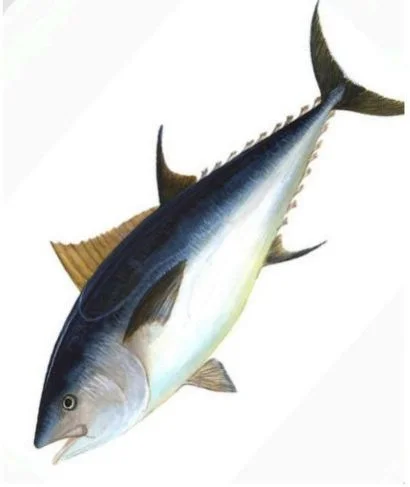
Fresh Chilled Grouper Fish
Harbor
Fresh Chilled Grouper Fish
Contact
MOQ: 1 Unit
Live Mud Crabs
Harbor
Live Mud Crabs
Contact
MOQ: 1 Unit
Fresh Chilled Lobster
Harbor
Fresh Chilled Lobster
Contact
MOQ: 1 Unit
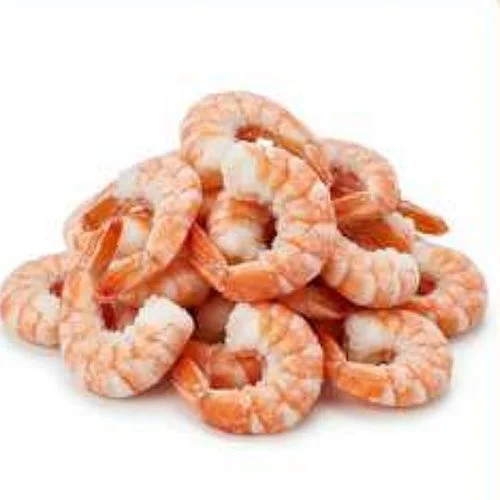
Fresh Chilled Scampi Shrimps
Harbor
Fresh Chilled Scampi Shrimps
Contact
MOQ: 1 Unit
Fresh Chilled Black Tiger Shrimp
Harbor
Fresh Chilled Black Tiger Shrimp
Contact
MOQ: 1 Unit
Ceylon Black Pepper
Harbor
Ceylon Black Pepper
Contact
MOQ: 1 Unit
Cinnamon Sticks
Harbor
Cinnamon Sticks
Contact
MOQ: 1 Unit

About Kam Agro - Fresh Shrimps Supplier in Sri Lanka

Kam Agro operates from Sri Lanka and currently lists seven active products in its catalogue. The items include Fresh Chilled Grouper Fish, Live Mud Crabs, Fresh Chilled Lobster, Fresh Chilled Scampi Shrimps, Fresh Chilled Black Tiger Shrimp, Ceylon Black Pepper and Cinnamon Sticks. These products map directly to the supplier’s top categories of Fresh Shrimps, Fresh Grouper Fish, Fresh Crabs, Fresh Lobsters, Pepper and Black Cardamom. The catalogue reflects a focus on temperature‑controlled seafood and traditional Sri Lankan spices, with each product presented as a separate line item.

The seafood entries fall under Chapter 03 of the HS nomenclature, which covers fish, crustaceans and other aquatic animals, while the spice entries are classified under Chapter 09 for aromatic plants and spices. The use of “fresh chilled” for shrimp, grouper and lobster indicates that the goods are intended for cold‑chain logistics. Pepper and cinnamon are listed as raw spice commodities, typical of Sri Lankan export specifications. No additional product families are mentioned beyond those seven items.

Product Range and Specialties of Kam Agro

The catalogue shows two shrimp varieties - Scampi and Black Tiger - both supplied chilled, a live mud crab line, a chilled grouper fish, a chilled lobster, and two spice products (Ceylon black pepper and cinnamon sticks). In the seafood market, shrimp are commonly graded by count per kilogram (e.g., 21/25, 16/20) and by size range of 15‑30 mm shell length, while black tiger shrimp often meet a minimum weight of 15 g per piece. Fresh grouper is generally supplied as grade‑A whole fish with a flesh yield of 55‑60 % and is inspected for freshness indicators such as gill colour and eye clarity. Live mud crabs are usually sized by carapace width (e.g., 12‑15 cm) and must be delivered with live‑water containment, and lobsters are typically graded by carapace weight of 1‑2 kg per unit.

Spice grades for Ceylon black pepper are frequently defined by sieve size (e.g., 14 mesh) and moisture content below 12 %, while cinnamon sticks are measured by stick length (30‑50 mm) and oil content around 2‑3 %. Buyers often request certificates of analysis confirming these parameters, along with origin verification. The combination of chilled seafood and bulk spices aligns with Sri Lanka’s established export profile for high‑value perishable and aromatic commodities.

Trade and Export Information - Kam Agro

Sri Lankan seafood, especially shrimp, grouper, crab and lobster, is regularly shipped to the European Union, the Middle East, the United States and East Asian markets. These regions typically require health certificates issued by the Sri Lankan Department of Animal Production and Health, HACCP compliance, and, for the EU, BRC or EU organic certificates where applicable. The products fall under HS headings 0306 (fresh or chilled fish) and 0307 (crustaceans), while the spices are covered by HS heading 0909 (pepper, cinnamon and other spices). Export logistics commonly use insulated containers, 20‑foot or 40‑foot refrigerated containers, and comply with Incoterms such as CFR or CIF to the destination port.

Sri Lanka’s spice exports, particularly black pepper and cinnamon, are directed mainly to the EU, the United States and India. Importers usually request a phytosanitary certificate and a certificate of origin, and may also ask for a compliance statement with ISO 22000 or the EU’s food safety standards. Packaging for spices is typically multi‑layered polypropylene bags of 25 kg or bulk sacks of 500 kg, sealed to maintain moisture limits.

Sourcing from Kam Agro - Buyer Guidance

When sourcing from Kam Agro, buyers should request the supplier’s HACCP or ISO 22000 certification, the most recent health certificate for each seafood batch, and a laboratory analysis report confirming size, moisture and any residue limits for the spices. For shrimp, confirm the count‑per‑kilogram grade and verify that the chilling temperature is maintained at 0 °C ± 2 °C during transport. For live mud crabs, ask for proof of live‑water system compliance and a mortality rate report from the last shipment. Verify packaging details - insulated boxes for chilled seafood and sealed bulk bags for spices - and ensure that the agreed Incoterm matches the buyer’s logistics capabilities.

Frequently Asked Questions About Kam Agro

What shrimp varieties does Kam Agro offer and how are they graded?

Kam Agro lists Fresh Chilled Scampi Shrimps and Fresh Chilled Black Tiger Shrimp. In the industry these are graded by count per kilogram (e.g., 21/25) and by individual shell length of 15‑30 mm. Buyers usually request a size‑grade sheet together with a microbiological test report.

What is the typical size of the live mud crabs supplied?

The live mud crabs are supplied as whole live animals, commonly measured by carapace width of 12‑15 cm. Export documentation normally includes a live‑water containment certificate and a mortality‑rate statement for the shipment.

Which HS chapters cover the seafood and spice products from Kam Agro?

Seafood items such as grouper, shrimp, crab and lobster fall under Chapter 03 of the HS system (fish and crustaceans). The pepper and cinnamon are classified in Chapter 09, which covers aromatic plants and spices.

What certifications are typically required for Sri Lankan seafood imports?

Importers generally require a health certificate from Sri Lanka’s Department of Animal Production and Health, HACCP compliance, and for EU destinations a BRC or equivalent food safety certification. ISO 22000 is also frequently requested as a baseline management system.

What packaging is used for the Ceylon black pepper and cinnamon sticks?

Black pepper is usually packed in multi‑layered polypropylene bags of 25 kg, meeting a moisture limit of less than 12 %. Cinnamon sticks are commonly shipped in bulk sacks of 500 kg, sealed to preserve oil content and aroma.

What documentation should a buyer request before placing an order?

Buyers should ask for the latest health certificate, HACCP or ISO 22000 audit report, a certificate of origin, and a laboratory analysis confirming size, moisture and any residue limits. For live crustaceans, a live‑water transport compliance statement is also advisable.

Which markets typically import the types of goods Kam Agro supplies?

The chilled seafood is primarily exported to the EU, the Middle East, the United States and East Asian countries. Sri Lankan spices such as black pepper and cinnamon are most often shipped to the EU, the United States and India.

What are the common logistics requirements for shipping chilled seafood from Sri Lanka?

Chilled seafood is usually transported in insulated containers with ice packs or refrigerated containers set at 0 °C ± 2 °C. Incoterms such as CFR or CIF are common, and the shipment must be accompanied by a temperature log and the relevant health certificates.

About Kam Agro - Fresh Shrimps Supplier in Sri Lanka

Kam Agro operates from Sri Lanka and currently lists seven active products in its catalogue. The items include Fresh Chilled Grouper Fish, Live Mud Crabs, Fresh Chilled Lobster, Fresh Chilled Scampi Shrimps, Fresh Chilled Black Tiger Shrimp, Ceylon Black Pepper and Cinnamon Sticks. These products map directly to the supplier’s top categories of Fresh Shrimps, Fresh Grouper Fish, Fresh Crabs, Fresh Lobsters, Pepper and Black Cardamom. The catalogue reflects a focus on temperature‑controlled seafood and traditional Sri Lankan spices, with each product presented as a separate line item.

The seafood entries fall under Chapter 03 of the HS nomenclature, which covers fish, crustaceans and other aquatic animals, while the spice entries are classified under Chapter 09 for aromatic plants and spices. The use of “fresh chilled” for shrimp, grouper and lobster indicates that the goods are intended for cold‑chain logistics. Pepper and cinnamon are listed as raw spice commodities, typical of Sri Lankan export specifications. No additional product families are mentioned beyond those seven items.

Product Range and Specialties of Kam Agro

The catalogue shows two shrimp varieties - Scampi and Black Tiger - both supplied chilled, a live mud crab line, a chilled grouper fish, a chilled lobster, and two spice products (Ceylon black pepper and cinnamon sticks). In the seafood market, shrimp are commonly graded by count per kilogram (e.g., 21/25, 16/20) and by size range of 15‑30 mm shell length, while black tiger shrimp often meet a minimum weight of 15 g per piece. Fresh grouper is generally supplied as grade‑A whole fish with a flesh yield of 55‑60 % and is inspected for freshness indicators such as gill colour and eye clarity. Live mud crabs are usually sized by carapace width (e.g., 12‑15 cm) and must be delivered with live‑water containment, and lobsters are typically graded by carapace weight of 1‑2 kg per unit.

Spice grades for Ceylon black pepper are frequently defined by sieve size (e.g., 14 mesh) and moisture content below 12 %, while cinnamon sticks are measured by stick length (30‑50 mm) and oil content around 2‑3 %. Buyers often request certificates of analysis confirming these parameters, along with origin verification. The combination of chilled seafood and bulk spices aligns with Sri Lanka’s established export profile for high‑value perishable and aromatic commodities.

Trade and Export Information - Kam Agro

Sri Lankan seafood, especially shrimp, grouper, crab and lobster, is regularly shipped to the European Union, the Middle East, the United States and East Asian markets. These regions typically require health certificates issued by the Sri Lankan Department of Animal Production and Health, HACCP compliance, and, for the EU, BRC or EU organic certificates where applicable. The products fall under HS headings 0306 (fresh or chilled fish) and 0307 (crustaceans), while the spices are covered by HS heading 0909 (pepper, cinnamon and other spices). Export logistics commonly use insulated containers, 20‑foot or 40‑foot refrigerated containers, and comply with Incoterms such as CFR or CIF to the destination port.

Sri Lanka’s spice exports, particularly black pepper and cinnamon, are directed mainly to the EU, the United States and India. Importers usually request a phytosanitary certificate and a certificate of origin, and may also ask for a compliance statement with ISO 22000 or the EU’s food safety standards. Packaging for spices is typically multi‑layered polypropylene bags of 25 kg or bulk sacks of 500 kg, sealed to maintain moisture limits.

Sourcing from Kam Agro - Buyer Guidance

When sourcing from Kam Agro, buyers should request the supplier’s HACCP or ISO 22000 certification, the most recent health certificate for each seafood batch, and a laboratory analysis report confirming size, moisture and any residue limits for the spices. For shrimp, confirm the count‑per‑kilogram grade and verify that the chilling temperature is maintained at 0 °C ± 2 °C during transport. For live mud crabs, ask for proof of live‑water system compliance and a mortality rate report from the last shipment. Verify packaging details - insulated boxes for chilled seafood and sealed bulk bags for spices - and ensure that the agreed Incoterm matches the buyer’s logistics capabilities.

Frequently Asked Questions About Kam Agro
What shrimp varieties does Kam Agro offer and how are they graded?
Kam Agro lists Fresh Chilled Scampi Shrimps and Fresh Chilled Black Tiger Shrimp. In the industry these are graded by count per kilogram (e.g., 21/25) and by individual shell length of 15‑30 mm. Buyers usually request a size‑grade sheet together with a microbiological test report.
What is the typical size of the live mud crabs supplied?
The live mud crabs are supplied as whole live animals, commonly measured by carapace width of 12‑15 cm. Export documentation normally includes a live‑water containment certificate and a mortality‑rate statement for the shipment.
Which HS chapters cover the seafood and spice products from Kam Agro?
Seafood items such as grouper, shrimp, crab and lobster fall under Chapter 03 of the HS system (fish and crustaceans). The pepper and cinnamon are classified in Chapter 09, which covers aromatic plants and spices.
What certifications are typically required for Sri Lankan seafood imports?
Importers generally require a health certificate from Sri Lanka’s Department of Animal Production and Health, HACCP compliance, and for EU destinations a BRC or equivalent food safety certification. ISO 22000 is also frequently requested as a baseline management system.
What packaging is used for the Ceylon black pepper and cinnamon sticks?
Black pepper is usually packed in multi‑layered polypropylene bags of 25 kg, meeting a moisture limit of less than 12 %. Cinnamon sticks are commonly shipped in bulk sacks of 500 kg, sealed to preserve oil content and aroma.
What documentation should a buyer request before placing an order?
Buyers should ask for the latest health certificate, HACCP or ISO 22000 audit report, a certificate of origin, and a laboratory analysis confirming size, moisture and any residue limits. For live crustaceans, a live‑water transport compliance statement is also advisable.
Which markets typically import the types of goods Kam Agro supplies?
The chilled seafood is primarily exported to the EU, the Middle East, the United States and East Asian countries. Sri Lankan spices such as black pepper and cinnamon are most often shipped to the EU, the United States and India.
What are the common logistics requirements for shipping chilled seafood from Sri Lanka?
Chilled seafood is usually transported in insulated containers with ice packs or refrigerated containers set at 0 °C ± 2 °C. Incoterms such as CFR or CIF are common, and the shipment must be accompanied by a temperature log and the relevant health certificates.

🏭
Kam Agro
Country flag , Sri Lanka
Harbor
54/100
Trust Score
📦
7
Products
Free to contact — no commission
Escrow payment available
Verified business identity
Compare more suppliers
Post a requirement — get 10 quotes free
Let verified suppliers compete for your business. Free, fast, no commitment.
EximNext Verified Supplier
Business identity verified
Physical address confirmed
Financial history checked
Certifications authenticated
Trade references validated
Due Diligence
Verify this supplier's real shipping history.
Every shipment, every buyer, every port. Trade data that can't be faked.
Run due diligence →
Discover More

Related Suppliers & Products

Explore similar suppliers, related products and trending categories

Featured Products from this Supplier

Other Suppliers in Primary Category

Top Trusted Suppliers

Related Products

Trending in Parent Category

More Suppliers in Category

Stay ahead in global trade
Weekly market insights & new supplier alerts.
EximNext
Exim Next is a leading global B2B marketplace, connecting over 205,000 verified suppliers and buyers across 200+ countries. As a trusted import export marketplace, it serves as the essential B2B portal for businesses worldwide, empowering them to expand their international reach. With Exim Next, businesses can trade smarter and grow faster.
SECURE PAYMENTS
VISAMastercardPayPalSWIFTL/CEscrow
Follow us
© 2026 EximNext