RIYA EXPO — Verified Supplier

About RIYA EXPO - Handbags Supplier in India

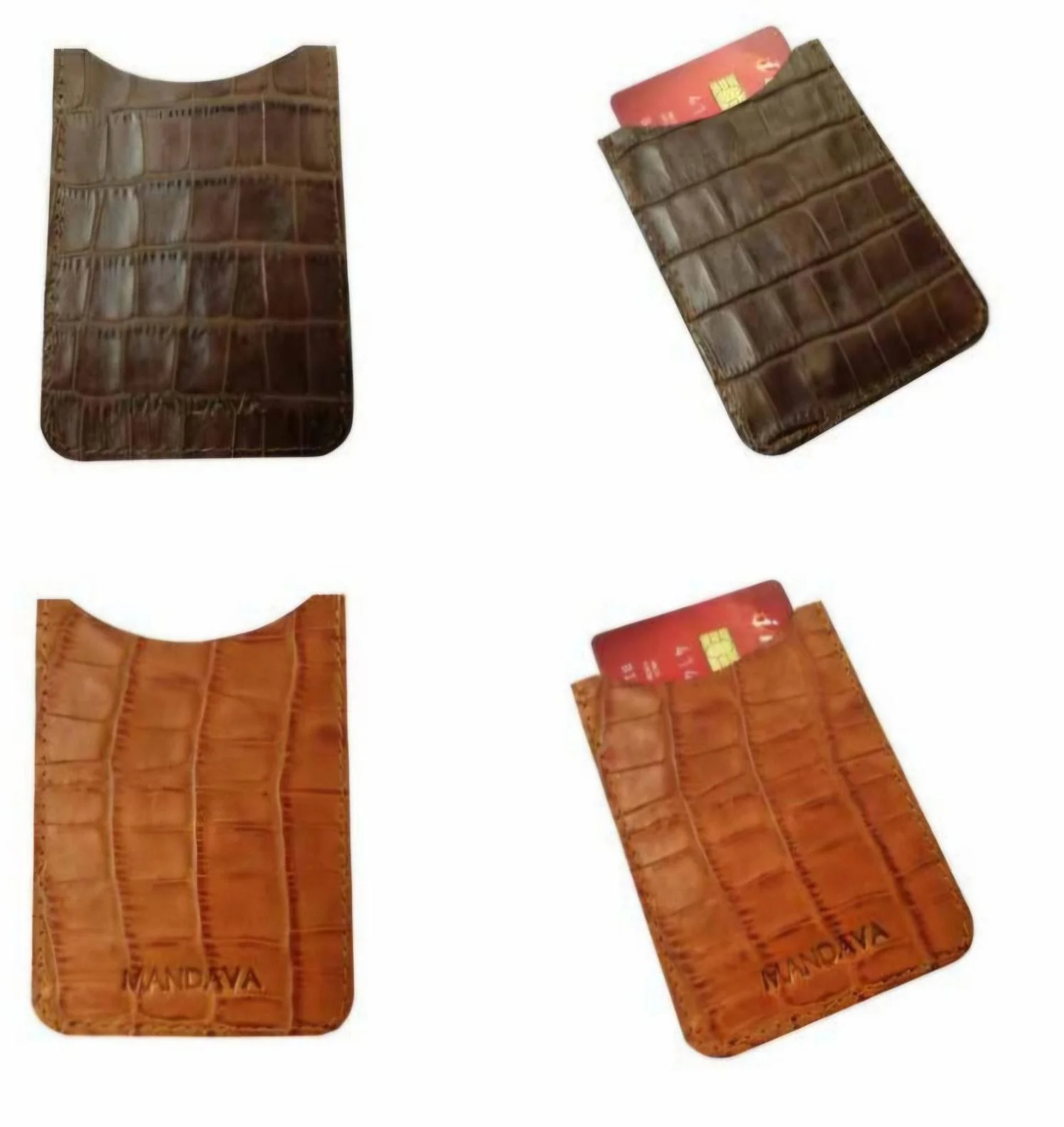
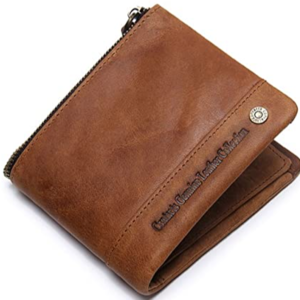
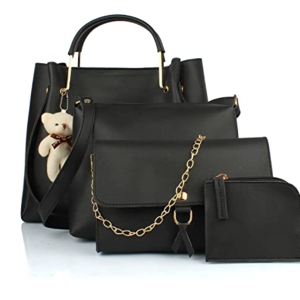
RIYA EXPO is located in Ghaziabad, Delhi, India and lists eight active product lines in its catalogue. The company’s catalogue covers agricultural commodities such as broken rice grains (HS 1006.40), dried leguminous pulses (HS 0713.20) and whole spice seeds like cumin and coriander (HS 0909.21). It also includes a range of leather and synthetic accessories, including mixed‑material footwear (HS 6405.90), genuine leather shoes (HS 6403.59), purses made from PU leather or canvas (HS 4202.32), zinc alloy or stainless steel belts (HS 8308.10), and ABS‑plastic or die‑cast metal toy cars (HS 9503.00). Each product entry specifies the material composition and the relevant HS‑code family, providing a clear tariff classification for customs. The supplier’s active product count of eight reflects a diversified portfolio that spans both food and non‑food categories.

The agricultural segment lists three food categories that are commonly exported from India, while the non‑food segment lists five accessory categories that fall under leather, metal and plastic HS chapters. The product list does not include any mention of certifications, revenue figures or employee numbers, focusing solely on the material types and tariff codes. The catalogue’s mix of food items and consumer accessories suggests a multi‑sector export strategy aimed at varied market demands.

Product Range and Specialties of RIYA EXPO

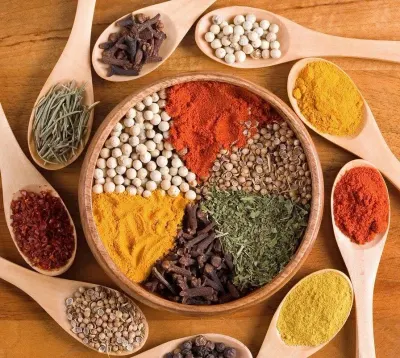
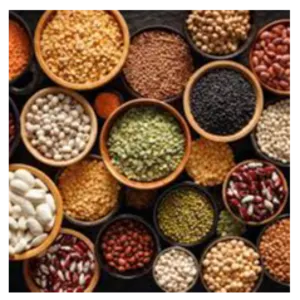
The rice offering is broken rice grains, a lower‑grade fraction of milled rice typically measured by the percentage of broken kernels, with moisture content usually limited to 12‑14 % for export stability. Indian pulses such as lentils, chickpeas and peas are dried to a moisture level below 12 % and are graded by size and color, with common export grades ranging from Grade A (large, uniform) to Grade C (smaller, irregular). Spice seeds like cumin and coriander are traded under ISO 9235 specifications, with essential oil content and foreign matter limits defining quality tiers. Footwear listed under HS 6405.90 generally comprises mixed uppers (leather, textile or synthetic) attached to rubber or PU soles, with size ranges from EU 35‑46 and outsole hardness measured in Shore A. Genuine leather shoes (HS 6403.59) are evaluated by leather grade (full‑grain, corrected‑grain) and stitching strength, while purses (HS 4202.32) are produced from PU‑coated leather, canvas or genuine leather with typical thicknesses of 0.5‑1 mm. Metal belts (HS 8308.10) use zinc alloy, brass or stainless steel, graded by tensile strength (e.g., 250 MPa for stainless steel). Toy cars (HS 9503.00) are manufactured from ABS plastic or die‑cast metal, conforming to safety standards that limit lead and phthalate content.

Trade and Export Information - RIYA EXPO

India is a major exporter of broken rice, pulses and spices, supplying markets in the Middle East, Africa, Southeast Asia and the European Union. The HS 1006.40 family for broken rice is routinely subject to phytosanitary certification and moisture testing, while HS 0713.20 pulses require pesticide residue analysis under the Codex maximum residue limits (MRLs). Spices under HS 0909.21 are often inspected for aflatoxin levels and must meet ISO 22000 or HACCP food safety systems for many buyers. Indian leather footwear (HS 6405.90) and leather shoes (HS 6403.59) are exported to the United States, EU and GCC, where CE marking or ASTM F2413 compliance may be required, and they are commonly packed in 20‑ft containers with individual shoes in cardboard boxes. Leather goods such as purses (HS 4202.32) and metal belts (HS 8308.10) follow standard leather product labeling and may need a Certificate of Origin for preferential duty rates. Toy cars (HS 9503.00) destined for EU or North America must comply with EN 71 safety testing and are usually shipped in bulk cartons on 40‑ft containers. Typical export logistics involve FCL shipments, CIF terms, and documentation that includes commercial invoices, packing lists, certificates of origin and, for food items, a phytosanitary certificate.

Sourcing from RIYA EXPO - Buyer Guidance

When sourcing broken rice, request a moisture analysis report, a broken‑percentage certificate and a phytosanitary certificate that confirms compliance with the importing country’s plant health regulations. For pulses, ask for a pesticide residue test report, a size‑grading certificate and a certificate of origin to verify preferential tariff eligibility. Spice buyers should obtain an essential‑oil content analysis, foreign‑matter percentage and a food‑safety certification such as ISO 22000 or HACCP. Footwear purchasers need to verify upper material composition, sole hardness (Shore A) and request a CE or ASTM conformity statement, along with a lab test for any restricted substances. Buyers of purses and belts should request material safety data sheets (MSDS) for PU or metal components, a leather grade certification and a test for heavy‑metal limits. For toy cars, request an EN 71 safety test report, a material composition declaration (ABS or metal) and a CE marking certificate where applicable. In all cases, obtain a sample before final order, confirm packaging dimensions (e.g., 25 kg bags for rice, 1 kg bags for spices) and clarify lead times, which typically range from 30 to 60 days for food items and 45 to 75 days for leather accessories.

Frequently Asked Questions About RIYA EXPO

What HS codes are used for RIYA EXPO’s food products?

The broken rice grains are classified under HS 1006.40, dried pulses under HS 0713.20 and whole spice seeds under HS 0909.21. Each code corresponds to the relevant customs tariff chapter for cereals, leguminous vegetables and spices.

Which certifications should a buyer request for the rice and pulses?

Buyers should ask for a phytosanitary certificate, a moisture‑content analysis, and a pesticide‑residue test report that complies with Codex MRLs. Additional food‑safety certifications such as ISO 22000 or HACCP are commonly required by importers.

How are the footwear products packaged for export?

Mixed‑material footwear (HS 6405.90) and genuine leather shoes (HS 6403.59) are typically packed in individual cardboard boxes, placed on wooden pallets, and loaded in 20‑ft or 40‑ft containers. Pallet dimensions usually follow the ISO 6780 standard (1200 mm × 1000 mm).

What material standards apply to the purses and belts?

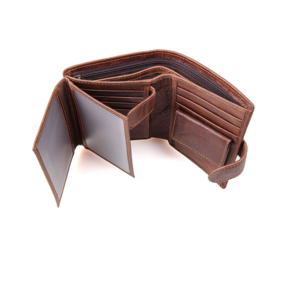
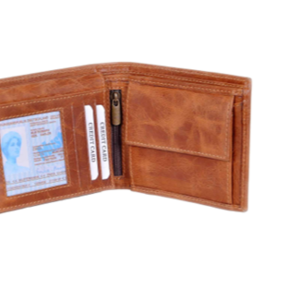
Purses (HS 4202.32) are made from PU‑coated leather, canvas or genuine leather, and should meet leather grade standards such as full‑grain or corrected‑grain. Belts (HS 8308.10) made of zinc alloy, brass or stainless steel are graded by tensile strength, typically 250 MPa for stainless steel variants.

Are there safety tests required for the toy cars?

Yes, toy cars classified under HS 9503.00 must comply with EN 71 safety standards, which include limits on lead, phthalates and mechanical hazards. A test report confirming EN 71 compliance should be provided before shipment.

What are the typical minimum order quantities (MOQ) for the agricultural items?

Broken rice is often ordered in multiples of 20 metric tonnes per container, pulses in 10‑tonne increments, and spices in 5‑tonne batches. MOQs may vary by buyer and are usually stated in the commercial invoice.

Which regions are the main importers of RIYA EXPO’s products?

Indian broken rice, pulses and spices are primarily exported to the Middle East, Africa, Southeast Asia and the European Union. Leather accessories and footwear are commonly shipped to the United States, GCC countries and EU member states.

What documentation is needed for customs clearance of the food products?

Customs clearance typically requires a commercial invoice, packing list, certificate of origin, phytosanitary certificate and any required laboratory test reports for moisture, pesticide residues or aflatoxin levels.


Other Suppliers in Briefcases

Top Trusted Suppliers

Related Products in Briefcases

Trending in Parent Category

More Suppliers in Parent Category

Related Products

Other Suppliers

EximNext
58.4K+ live requirements
Register Free🎁 5 free buy-lead credits
Post Requirement
🌍 Trusted by 224.3K+ businesses in 200+ countries|
58.4K+ active requirements right now
✉️ [email protected]
|
Sell on EximNextPost Requirement
EximNext
AgricultureApparelConstructionElectronicFoodHomeIndustrialMineralsMiscellaneous
🔥 Deals|✨ AI Match|🏭 Suppliers|📋 Buy Leads|💰 Trade Finance|⭐ Upgrade
58.4K+ live RFQs·194.4K+ suppliers
🎁 5 free credits →
EximNext
EximNext
Register Free
🎁 5 free buy-lead credits
Sign In
📋Post Requirement💬Get QuotesAI Match📋RFQ Marketplace
All Categories
Services & Tools
🏭Supplier Directory🔥Today's Deals💰Trade FinanceMembership
Sell on EximNext
AboutContactBlogHelp
🏭

RIYA EXPO

🚢 Voyage
Country flag Ghaziabad, India
🛡️
66/100
Trust Score

RIYA EXPO Product Catalog

Showing 8 of 8 products
View all products →
Toy car
🚢 Voyage
Toy car
Contact
MOQ: 1 Unit
belts
🚢 Voyage
belts
Contact
MOQ: 1 Unit
purses
🚢 Voyage
purses
Contact
MOQ: 1 Unit
Shoes
🚢 Voyage
Shoes
Contact
MOQ: 1 Unit
Men and women  footwear wear,
🚢 Voyage
Men and women footwear wear,
Contact
MOQ: 1 Unit
Spices
🚢 Voyage
Spices
Contact
MOQ: 1 Unit
Pulses
🚢 Voyage
Pulses
Contact
MOQ: 1 Unit
RICE
🚢 Voyage
RICE
Contact
MOQ: 1 Unit

About RIYA EXPO - Handbags Supplier in India

RIYA EXPO is located in Ghaziabad, Delhi, India and lists eight active product lines in its catalogue. The company’s catalogue covers agricultural commodities such as broken rice grains (HS 1006.40), dried leguminous pulses (HS 0713.20) and whole spice seeds like cumin and coriander (HS 0909.21). It also includes a range of leather and synthetic accessories, including mixed‑material footwear (HS 6405.90), genuine leather shoes (HS 6403.59), purses made from PU leather or canvas (HS 4202.32), zinc alloy or stainless steel belts (HS 8308.10), and ABS‑plastic or die‑cast metal toy cars (HS 9503.00). Each product entry specifies the material composition and the relevant HS‑code family, providing a clear tariff classification for customs. The supplier’s active product count of eight reflects a diversified portfolio that spans both food and non‑food categories.

The agricultural segment lists three food categories that are commonly exported from India, while the non‑food segment lists five accessory categories that fall under leather, metal and plastic HS chapters. The product list does not include any mention of certifications, revenue figures or employee numbers, focusing solely on the material types and tariff codes. The catalogue’s mix of food items and consumer accessories suggests a multi‑sector export strategy aimed at varied market demands.

Product Range and Specialties of RIYA EXPO

The rice offering is broken rice grains, a lower‑grade fraction of milled rice typically measured by the percentage of broken kernels, with moisture content usually limited to 12‑14 % for export stability. Indian pulses such as lentils, chickpeas and peas are dried to a moisture level below 12 % and are graded by size and color, with common export grades ranging from Grade A (large, uniform) to Grade C (smaller, irregular). Spice seeds like cumin and coriander are traded under ISO 9235 specifications, with essential oil content and foreign matter limits defining quality tiers. Footwear listed under HS 6405.90 generally comprises mixed uppers (leather, textile or synthetic) attached to rubber or PU soles, with size ranges from EU 35‑46 and outsole hardness measured in Shore A. Genuine leather shoes (HS 6403.59) are evaluated by leather grade (full‑grain, corrected‑grain) and stitching strength, while purses (HS 4202.32) are produced from PU‑coated leather, canvas or genuine leather with typical thicknesses of 0.5‑1 mm. Metal belts (HS 8308.10) use zinc alloy, brass or stainless steel, graded by tensile strength (e.g., 250 MPa for stainless steel). Toy cars (HS 9503.00) are manufactured from ABS plastic or die‑cast metal, conforming to safety standards that limit lead and phthalate content.

Trade and Export Information - RIYA EXPO

India is a major exporter of broken rice, pulses and spices, supplying markets in the Middle East, Africa, Southeast Asia and the European Union. The HS 1006.40 family for broken rice is routinely subject to phytosanitary certification and moisture testing, while HS 0713.20 pulses require pesticide residue analysis under the Codex maximum residue limits (MRLs). Spices under HS 0909.21 are often inspected for aflatoxin levels and must meet ISO 22000 or HACCP food safety systems for many buyers. Indian leather footwear (HS 6405.90) and leather shoes (HS 6403.59) are exported to the United States, EU and GCC, where CE marking or ASTM F2413 compliance may be required, and they are commonly packed in 20‑ft containers with individual shoes in cardboard boxes. Leather goods such as purses (HS 4202.32) and metal belts (HS 8308.10) follow standard leather product labeling and may need a Certificate of Origin for preferential duty rates. Toy cars (HS 9503.00) destined for EU or North America must comply with EN 71 safety testing and are usually shipped in bulk cartons on 40‑ft containers. Typical export logistics involve FCL shipments, CIF terms, and documentation that includes commercial invoices, packing lists, certificates of origin and, for food items, a phytosanitary certificate.

Sourcing from RIYA EXPO - Buyer Guidance

When sourcing broken rice, request a moisture analysis report, a broken‑percentage certificate and a phytosanitary certificate that confirms compliance with the importing country’s plant health regulations. For pulses, ask for a pesticide residue test report, a size‑grading certificate and a certificate of origin to verify preferential tariff eligibility. Spice buyers should obtain an essential‑oil content analysis, foreign‑matter percentage and a food‑safety certification such as ISO 22000 or HACCP. Footwear purchasers need to verify upper material composition, sole hardness (Shore A) and request a CE or ASTM conformity statement, along with a lab test for any restricted substances. Buyers of purses and belts should request material safety data sheets (MSDS) for PU or metal components, a leather grade certification and a test for heavy‑metal limits. For toy cars, request an EN 71 safety test report, a material composition declaration (ABS or metal) and a CE marking certificate where applicable. In all cases, obtain a sample before final order, confirm packaging dimensions (e.g., 25 kg bags for rice, 1 kg bags for spices) and clarify lead times, which typically range from 30 to 60 days for food items and 45 to 75 days for leather accessories.

Frequently Asked Questions About RIYA EXPO

What HS codes are used for RIYA EXPO’s food products?

The broken rice grains are classified under HS 1006.40, dried pulses under HS 0713.20 and whole spice seeds under HS 0909.21. Each code corresponds to the relevant customs tariff chapter for cereals, leguminous vegetables and spices.

Which certifications should a buyer request for the rice and pulses?

Buyers should ask for a phytosanitary certificate, a moisture‑content analysis, and a pesticide‑residue test report that complies with Codex MRLs. Additional food‑safety certifications such as ISO 22000 or HACCP are commonly required by importers.

How are the footwear products packaged for export?

Mixed‑material footwear (HS 6405.90) and genuine leather shoes (HS 6403.59) are typically packed in individual cardboard boxes, placed on wooden pallets, and loaded in 20‑ft or 40‑ft containers. Pallet dimensions usually follow the ISO 6780 standard (1200 mm × 1000 mm).

What material standards apply to the purses and belts?

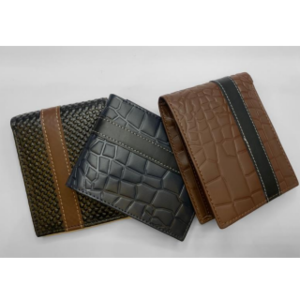
Purses (HS 4202.32) are made from PU‑coated leather, canvas or genuine leather, and should meet leather grade standards such as full‑grain or corrected‑grain. Belts (HS 8308.10) made of zinc alloy, brass or stainless steel are graded by tensile strength, typically 250 MPa for stainless steel variants.

Are there safety tests required for the toy cars?

Yes, toy cars classified under HS 9503.00 must comply with EN 71 safety standards, which include limits on lead, phthalates and mechanical hazards. A test report confirming EN 71 compliance should be provided before shipment.

What are the typical minimum order quantities (MOQ) for the agricultural items?

Broken rice is often ordered in multiples of 20 metric tonnes per container, pulses in 10‑tonne increments, and spices in 5‑tonne batches. MOQs may vary by buyer and are usually stated in the commercial invoice.

Which regions are the main importers of RIYA EXPO’s products?

Indian broken rice, pulses and spices are primarily exported to the Middle East, Africa, Southeast Asia and the European Union. Leather accessories and footwear are commonly shipped to the United States, GCC countries and EU member states.

What documentation is needed for customs clearance of the food products?

Customs clearance typically requires a commercial invoice, packing list, certificate of origin, phytosanitary certificate and any required laboratory test reports for moisture, pesticide residues or aflatoxin levels.

About RIYA EXPO - Handbags Supplier in India

RIYA EXPO is located in Ghaziabad, Delhi, India and lists eight active product lines in its catalogue. The company’s catalogue covers agricultural commodities such as broken rice grains (HS 1006.40), dried leguminous pulses (HS 0713.20) and whole spice seeds like cumin and coriander (HS 0909.21). It also includes a range of leather and synthetic accessories, including mixed‑material footwear (HS 6405.90), genuine leather shoes (HS 6403.59), purses made from PU leather or canvas (HS 4202.32), zinc alloy or stainless steel belts (HS 8308.10), and ABS‑plastic or die‑cast metal toy cars (HS 9503.00). Each product entry specifies the material composition and the relevant HS‑code family, providing a clear tariff classification for customs. The supplier’s active product count of eight reflects a diversified portfolio that spans both food and non‑food categories.

The agricultural segment lists three food categories that are commonly exported from India, while the non‑food segment lists five accessory categories that fall under leather, metal and plastic HS chapters. The product list does not include any mention of certifications, revenue figures or employee numbers, focusing solely on the material types and tariff codes. The catalogue’s mix of food items and consumer accessories suggests a multi‑sector export strategy aimed at varied market demands.

Product Range and Specialties of RIYA EXPO

The rice offering is broken rice grains, a lower‑grade fraction of milled rice typically measured by the percentage of broken kernels, with moisture content usually limited to 12‑14 % for export stability. Indian pulses such as lentils, chickpeas and peas are dried to a moisture level below 12 % and are graded by size and color, with common export grades ranging from Grade A (large, uniform) to Grade C (smaller, irregular). Spice seeds like cumin and coriander are traded under ISO 9235 specifications, with essential oil content and foreign matter limits defining quality tiers. Footwear listed under HS 6405.90 generally comprises mixed uppers (leather, textile or synthetic) attached to rubber or PU soles, with size ranges from EU 35‑46 and outsole hardness measured in Shore A. Genuine leather shoes (HS 6403.59) are evaluated by leather grade (full‑grain, corrected‑grain) and stitching strength, while purses (HS 4202.32) are produced from PU‑coated leather, canvas or genuine leather with typical thicknesses of 0.5‑1 mm. Metal belts (HS 8308.10) use zinc alloy, brass or stainless steel, graded by tensile strength (e.g., 250 MPa for stainless steel). Toy cars (HS 9503.00) are manufactured from ABS plastic or die‑cast metal, conforming to safety standards that limit lead and phthalate content.

Trade and Export Information - RIYA EXPO

India is a major exporter of broken rice, pulses and spices, supplying markets in the Middle East, Africa, Southeast Asia and the European Union. The HS 1006.40 family for broken rice is routinely subject to phytosanitary certification and moisture testing, while HS 0713.20 pulses require pesticide residue analysis under the Codex maximum residue limits (MRLs). Spices under HS 0909.21 are often inspected for aflatoxin levels and must meet ISO 22000 or HACCP food safety systems for many buyers. Indian leather footwear (HS 6405.90) and leather shoes (HS 6403.59) are exported to the United States, EU and GCC, where CE marking or ASTM F2413 compliance may be required, and they are commonly packed in 20‑ft containers with individual shoes in cardboard boxes. Leather goods such as purses (HS 4202.32) and metal belts (HS 8308.10) follow standard leather product labeling and may need a Certificate of Origin for preferential duty rates. Toy cars (HS 9503.00) destined for EU or North America must comply with EN 71 safety testing and are usually shipped in bulk cartons on 40‑ft containers. Typical export logistics involve FCL shipments, CIF terms, and documentation that includes commercial invoices, packing lists, certificates of origin and, for food items, a phytosanitary certificate.

Sourcing from RIYA EXPO - Buyer Guidance

When sourcing broken rice, request a moisture analysis report, a broken‑percentage certificate and a phytosanitary certificate that confirms compliance with the importing country’s plant health regulations. For pulses, ask for a pesticide residue test report, a size‑grading certificate and a certificate of origin to verify preferential tariff eligibility. Spice buyers should obtain an essential‑oil content analysis, foreign‑matter percentage and a food‑safety certification such as ISO 22000 or HACCP. Footwear purchasers need to verify upper material composition, sole hardness (Shore A) and request a CE or ASTM conformity statement, along with a lab test for any restricted substances. Buyers of purses and belts should request material safety data sheets (MSDS) for PU or metal components, a leather grade certification and a test for heavy‑metal limits. For toy cars, request an EN 71 safety test report, a material composition declaration (ABS or metal) and a CE marking certificate where applicable. In all cases, obtain a sample before final order, confirm packaging dimensions (e.g., 25 kg bags for rice, 1 kg bags for spices) and clarify lead times, which typically range from 30 to 60 days for food items and 45 to 75 days for leather accessories.

Frequently Asked Questions About RIYA EXPO
What HS codes are used for RIYA EXPO’s food products?
The broken rice grains are classified under HS 1006.40, dried pulses under HS 0713.20 and whole spice seeds under HS 0909.21. Each code corresponds to the relevant customs tariff chapter for cereals, leguminous vegetables and spices.
Which certifications should a buyer request for the rice and pulses?
Buyers should ask for a phytosanitary certificate, a moisture‑content analysis, and a pesticide‑residue test report that complies with Codex MRLs. Additional food‑safety certifications such as ISO 22000 or HACCP are commonly required by importers.
How are the footwear products packaged for export?
Mixed‑material footwear (HS 6405.90) and genuine leather shoes (HS 6403.59) are typically packed in individual cardboard boxes, placed on wooden pallets, and loaded in 20‑ft or 40‑ft containers. Pallet dimensions usually follow the ISO 6780 standard (1200 mm × 1000 mm).
What material standards apply to the purses and belts?
Purses (HS 4202.32) are made from PU‑coated leather, canvas or genuine leather, and should meet leather grade standards such as full‑grain or corrected‑grain. Belts (HS 8308.10) made of zinc alloy, brass or stainless steel are graded by tensile strength, typically 250 MPa for stainless steel variants.
Are there safety tests required for the toy cars?
Yes, toy cars classified under HS 9503.00 must comply with EN 71 safety standards, which include limits on lead, phthalates and mechanical hazards. A test report confirming EN 71 compliance should be provided before shipment.
What are the typical minimum order quantities (MOQ) for the agricultural items?
Broken rice is often ordered in multiples of 20 metric tonnes per container, pulses in 10‑tonne increments, and spices in 5‑tonne batches. MOQs may vary by buyer and are usually stated in the commercial invoice.
Which regions are the main importers of RIYA EXPO’s products?
Indian broken rice, pulses and spices are primarily exported to the Middle East, Africa, Southeast Asia and the European Union. Leather accessories and footwear are commonly shipped to the United States, GCC countries and EU member states.
What documentation is needed for customs clearance of the food products?
Customs clearance typically requires a commercial invoice, packing list, certificate of origin, phytosanitary certificate and any required laboratory test reports for moisture, pesticide residues or aflatoxin levels.

🏭
RIYA EXPO
Country flag Ghaziabad, India
🚢 Voyage
66/100
Trust Score
📦
8
Products
Free to contact — no commission
Escrow payment available
Verified business identity
Compare more suppliers
Post a requirement — get 10 quotes free
Let verified suppliers compete for your business. Free, fast, no commitment.
EximNext Verified Supplier
Business identity verified
Physical address confirmed
Financial history checked
Certifications authenticated
Trade references validated
Due Diligence
Verify this supplier's real shipping history.
Every shipment, every buyer, every port. Trade data that can't be faked.
Run due diligence →
Discover More

Related Suppliers & Products

Explore similar suppliers, related products and trending categories

Other Suppliers in Briefcases

Top Trusted Suppliers

Related Products in Briefcases

Trending in Parent Category

More Suppliers in Parent Category

Stay ahead in global trade
Weekly market insights & new supplier alerts.
EximNext
Exim Next is a leading global B2B marketplace, connecting over 205,000 verified suppliers and buyers across 200+ countries. As a trusted import export marketplace, it serves as the essential B2B portal for businesses worldwide, empowering them to expand their international reach. With Exim Next, businesses can trade smarter and grow faster.
SECURE PAYMENTS
VISAMastercardPayPalSWIFTL/CEscrow
Follow us
© 2026 EximNext