Chhatariya Food Processing — Verified Manufacturer & Wholesale Supplier
About Chhatariya Food Processing - Dehydrated Food Supplier in India
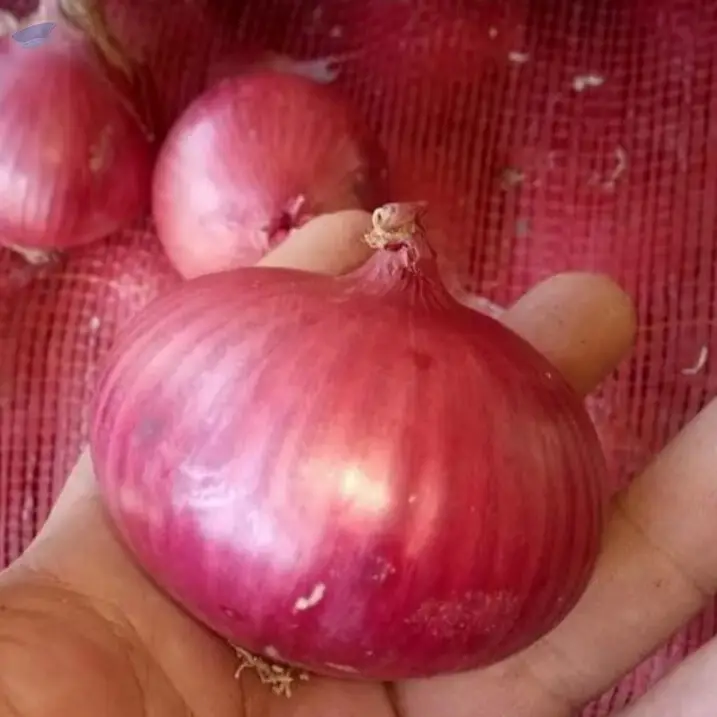
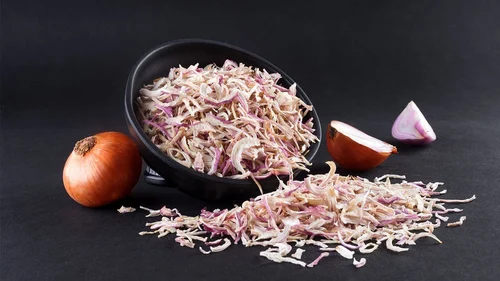
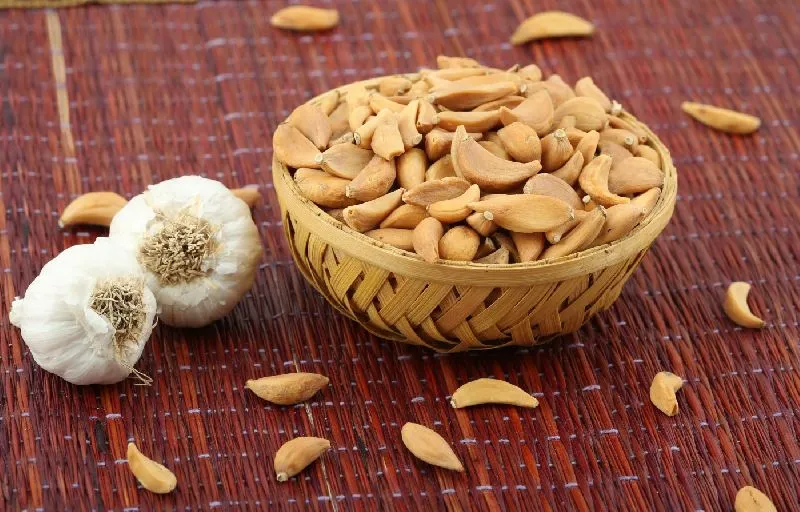
Chhatariya Food Processing is based in Bhavnagar, Gujarat, India and currently lists nine active products. The catalogue includes three variants of dehydrated white, pink and red onion (HS code 0712.30 for white and pink, 0712.20 for red), dehydrated garlic (HS code 0712.90), fried onion and fried garlic (both HS code 0712.30 and 0712.90 respectively), toasted onion (HS code 0712.20), a blended Indian spice mix (HS code 0909.31) and dehydrated vegetables represented by potato (HS code 0712.90).
The supplier’s product titles reference the botanical source - Allium cepa for onions, Allium sativum for garlic, Solanum tuberosum for potato - and the material description confirms 100 % vegetable matter or oil‑fried variants. All items fall under the HS‑2 chapter 07 for fresh vegetables and chapter 09 for spices, indicating standard customs treatment for dried horticultural products. The listing does not mention any specific certifications, so the factual record is limited to product type, material and HS classification.
Product Range and Specialties of Chhatariya Food Processing
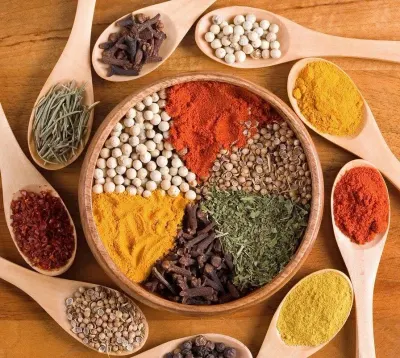
The product range covers dehydrated and fried forms of onions and garlic, a toasted onion variant, a blended spice mix of cumin, coriander, fenugreek and mustard, and dehydrated potato. In the global dehydrated onion market, buyers typically specify moisture content below 8 %, particle size between 1 mm and 3 mm, and color grades ranging from light‑gold to deep‑amber depending on the variety. Garlic products are often assessed for water activity below 0.6 and oil‑fried garlic is evaluated for oil absorption rates (usually 10‑15 % by weight). Indian spice blends are commonly graded by purity of seed, absence of adulterants and moisture below 12 %. Potato flakes are usually measured by rehydration ratio (approximately 5 g dry to 30 g reconstituted) and bulk density around 300 kg/m³.
Trade and Export Information - Chhatariya Food Processing
India is a major exporter of dried horticultural products, with the European Union, the United States and the Middle East representing the largest import regions for dehydrated onions and garlic. HS chapter 07 items such as 0712.30 and 0712.20 are subject to phytosanitary inspection under the International Plant Protection Convention, and buyers often request a Phytosanitary Certificate and a Certificate of Origin. For spice blends under HS 0909.31, the EU’s Novel Food and pesticide residue limits are frequently applied, so exporters normally provide a detailed analysis report meeting EU maximum residue limits (MRLs). Typical packaging for dehydrated onions and garlic includes multi‑layer paper bags of 25 kg or food‑grade polyethylene bags, palletized for 20‑ft containers (approximately 20 tons per container). Exporters from Gujarat commonly use FOB or CIF terms, with freight forwarding firms experienced in handling moisture‑sensitive cargo.
Sourcing from Chhatariya Food Processing - Buyer Guidance
When sourcing from this supplier, request a product data sheet that lists moisture content, water activity, particle size distribution and any oil‑absorption figures for fried items. Because no certifications are listed, ask for organic certification (if claimed), ISO 22000 or HACCP audit reports, and a recent phytosanitary certificate for the onion and garlic lines. A laboratory analysis for pesticide residues, heavy metals and microbial limits (e.g., total plate count < 10 000 cfu/g, coliform < 10 cfu/g) should be obtained before confirming a bulk order. Verify that packaging complies with the buyer’s destination country - for example, EU buyers often require food‑grade PET liners inside the outer paper bag.
Frequently Asked Questions About Chhatariya Food Processing
What are the HS codes for the onion products listed by Chhatariya Food Processing?
The dehydrated white and pink onion are classified under HS 0712.30, while the dehydrated red and toasted onion fall under HS 0712.20.
Does the supplier provide any certification for its organic claim?
The facts do not list any certification. Buyers should request a copy of the organic certificate, ISO 22000 or HACCP audit if organic status is required.
What typical moisture level should buyers expect for dehydrated onions?
Industry standards for dehydrated onions usually require moisture below 8 % to ensure shelf stability and prevent microbial growth.
How are the fried garlic products prepared and what should be verified?
Fried garlic is described as garlic fried in vegetable oil. Buyers should verify oil type, oil‑absorption rate (typically 10‑15 % of product weight) and ensure water activity is below 0.6.
What packaging format is common for the listed products?
Dehydrated vegetables and spices are commonly packed in 25 kg multi‑layer paper bags or food‑grade polyethylene bags, stacked on pallets for 20‑ft container loading.
Which markets typically import the Indian spice blend offered?
The blended Indian spices (HS 0909.31) are frequently exported to the European Union, the United States and Gulf Cooperation Council countries, where they must meet EU pesticide MRLs and US FDA food safety requirements.
What documentation is required for customs clearance of the dehydrated potato product?
Customs clearance for the dehydrated potato (HS 0712.90) generally requires a commercial invoice, packing list, Certificate of Origin, and a phytosanitary certificate confirming the product is free from pests.
What are the usual minimum order quantities (MOQ) and lead times for these products?
While the exact MOQ is not stated, exporters of dehydrated horticultural goods from Gujarat often set MOQs at one 20‑ft container (approximately 20 tons) with lead times ranging from 30 to 45 days after order confirmation.





 Bhavnagar, India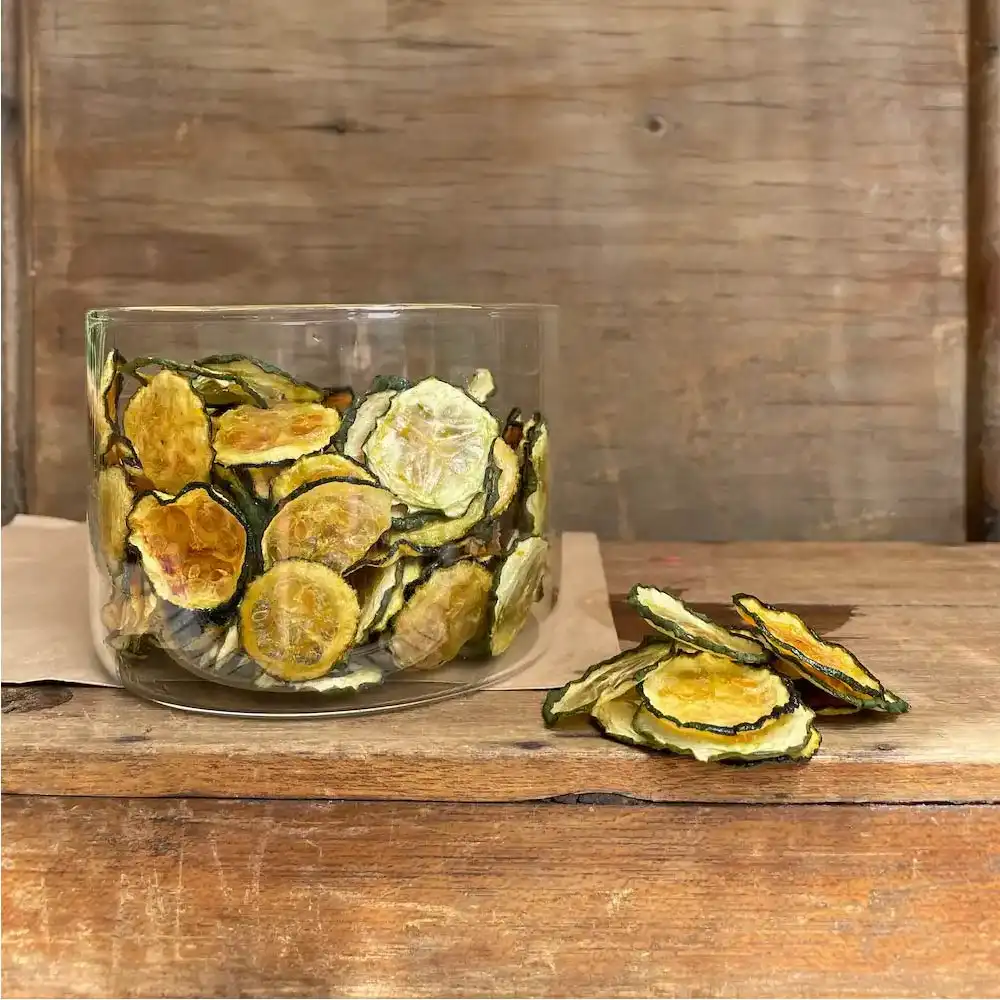





.jpg.png)