Jindal India Limited — Supplier
About Jindal India Limited - Aluminum Foil Supplier in India
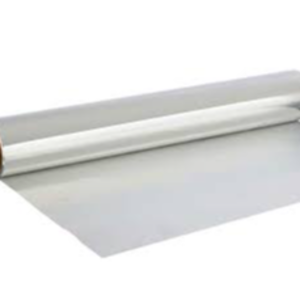
India is the origin of Jindal India Limited, which currently lists nine active foil products in its catalogue. The company’s portfolio focuses on aluminium foil variants used in packaging and printing applications. Products include Medium Gauge Foil, Heavy Gauge Foil, Household Foil, Coated Foil, SRC Foil, Ultra Light Gauge Foil, Light Gauge Foil, Lamination Foil and Blister Foil Converted. Each item falls under the broader categories of Aluminum Foil and Laminated Foil as indicated in the top‑category list. The catalogue does not reference other categories such as Industrial Sheets or Kitchen Foils for the foil line.
The listed foil types cover a range of thicknesses from ultra‑light gauges of approximately 4‑6 µm to heavy gauges exceeding 30 µm, matching common industry divisions of light, medium and heavy gauge aluminium foil. The products are supplied in coil or cut‑to‑size formats that align with standard HS chapter 76 classifications for aluminium products. While the supplier’s profile mentions involvement in other metal sheet segments, the current foil catalogue is limited to the nine items above. No specific certifications are disclosed in the provided facts.
Product Range and Specialties of Jindal India Limited
The catalogue enumerates nine distinct foil products: Medium Gauge Foil, Heavy Gauge Foil, Household Foil, Coated Foil, SRC Foil, Ultra Light Gauge Foil, Light Gauge Foil, Lamination Foil and Blister Foil Converted. In the aluminium foil market, these designations typically correspond to thickness ranges of 6‑15 µm for light gauge, 15‑30 µm for medium gauge, and over 30 µm for heavy gauge, with ultra‑light variants below 6 µm. Foils may be supplied as plain, coated, or metallised, and specific finishes such as SRC (Standard Reference Coated) are common for food‑contact applications. The presence of a “Lamination Foil” indicates a product intended for multi‑layer packaging where a thin aluminium layer is bonded to a polymer substrate, a standard practice in high‑barrier packaging.
Industry practice for aluminium foil includes grades such as food‑grade (meeting FDA or EU regulations), industrial‑grade for construction, and printed‑grade for offset printing. Typical specifications cover tensile strength (150‑250 MPa), elongation at break (5‑12 %), and surface roughness measured in Ra µm. Buyers often request compliance with ISO 9001 quality management and, for food‑contact foils, HACCP or ISO 22000 certification. Standard packaging sizes are 10‑kg or 25‑kg rolls, and larger coils can be loaded on 20‑ft or 40‑ft containers.
Trade and Export Information - Jindal India Limited
Aluminium foil from India is classified under HS code 7607, which covers rolled products of aluminium. Exporters of foil from India commonly ship to Europe, the United States, the Middle East and Southeast Asia, where the material is used in food packaging, pharmaceutical blister packs, and printed graphics. Buyers typically require conformity to ASTM B209 for aluminium sheet and foil dimensions, as well as certification such as ISO 9001 for quality management and, where applicable, ISO 14001 for environmental management. Standard commercial terms include FOB or CIF, with goods packed in moisture‑resistant paper or polymer sleeves inside standard shipping containers. Indian aluminium producers often adhere to the Ministry of Commerce’s export documentation, including a commercial invoice, packing list, certificate of origin and, for food‑grade foil, a sanitary certificate.
Sourcing from Jindal India Limited - Buyer Guidance
When sourcing aluminium foil from Jindal India Limited, request a material safety data sheet (MSDS) and a test report confirming thickness tolerance, tensile strength and surface roughness. Verify whether the foil complies with the relevant food‑contact standards (e.g., FDA 21 CFR 175.105 or EU Regulation 1935/2004) if the end use is packaging. Ask for copies of any ISO certifications the supplier holds and confirm that the product batch is covered by a certificate of analysis. Typical minimum order quantities for coil‑based foil range from 1 ton (approximately 100 rolls of 10 kg) to larger volumes depending on thickness, and lead times are usually 30‑45 days after order confirmation.
Frequently Asked Questions About Jindal India Limited
What aluminium foil thicknesses are available in Jindal India Limited’s catalogue?
The catalogue lists foils ranging from ultra‑light gauges of about 4‑6 µm up to heavy gauges exceeding 30 µm. Light, medium and heavy designations correspond to the usual industry thickness brackets.
Which HS code applies to the foil products offered?
All foil items fall under HS chapter 76, specifically HS code 7607 for rolled aluminium products. This code is used for customs clearance of aluminium foil exports.
Are food‑grade certifications provided for the foil?
The supplied facts do not state any certifications held by the supplier. Buyers should request HACCP, ISO 22000 or FDA compliance documents if the foil is intended for food packaging.
What are the typical packaging formats for these foils?
Foils are normally supplied in 10‑kg or 25‑kg rolls, and larger coils can be loaded onto 20‑ft or 40‑ft containers with moisture‑resistant inner packaging.
What is the usual minimum order quantity and lead time?
Typical minimum order quantities start at roughly 1 ton of product, equivalent to about 100 ten‑kilogram rolls. Lead times are generally 30 to 45 days from order confirmation, subject to thickness and volume.
Which markets most frequently import aluminium foil from India?
Key import markets include the European Union, the United States, the Middle East and Southeast Asian countries, where the foil is used for food packaging, pharmaceutical blister packs and offset printing.
What documentation should a buyer request before purchasing?
Buyers should ask for a commercial invoice, packing list, certificate of origin, material safety data sheet, test report for thickness and tensile properties, and any relevant ISO or food‑safety certifications.
Which Incoterms are commonly used for these shipments?
Exporters from India typically offer FOB or CIF terms, allowing the buyer to arrange freight or receive the goods delivered to a named port of destination.




 , India