Ivory Tai Scrap Co. — Verified Trader & Wholesale Supplier
About Ivory Tai Scrap Co. - Plastic Scrap Supplier in Taiwan
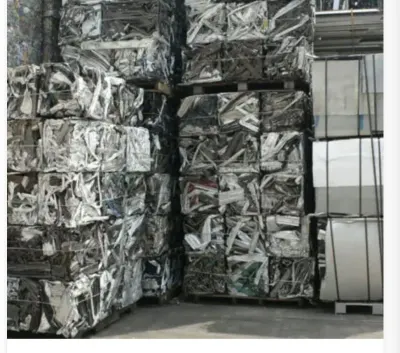
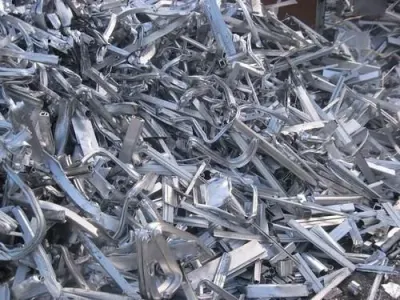
Taiwan hosts Ivory Tai Scrap Co., located in the state of Taiwan, and lists ten active scrap product lines. The company's catalogue includes aluminum foil scrap, wheel aluminum scrap, aluminum extrusion 6063 scrap, and UBC cans, all classified under HS code 7602.00 for aluminum materials. It also offers electric motor scrap (HS 8501.10), ABS‑PC regrind (HS 3915.90), acrylic (PMMA) off‑cuts (HS 3915.90), PET roll scrap (HS 3915.10), low‑density polyethylene rolls (HS 3901.10) and HDPE regrind products (HS 3915.10). Each entry specifies the primary material - aluminum, electric‑motors, ABS‑PC, PMMA, PET, LDPE, or HDPE - matching the HS code families provided. The product count of ten reflects the range of scrap types the supplier currently advertises.
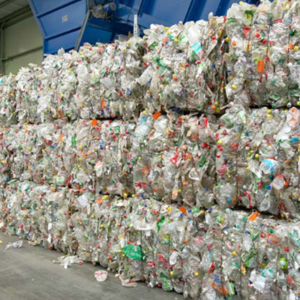
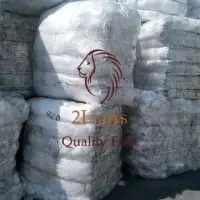
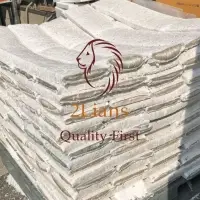
The facility is described as having expansive processing space and specialized Roll on Roll off equipment for moving material from stationary buckets. Cutting‑edge machinery is used to size, bale or regrind the scrap into forms such as flakes, lumps, bales, drums or rolls suitable for bulk export. The company emphasizes efficient handling and storage of substantial material quantities, which aligns with typical bulk‑handling practices for metal and plastic scrap. No additional product categories beyond those listed are mentioned in the supplied data.
Product Range and Specialties of Ivory Tai Scrap Co.
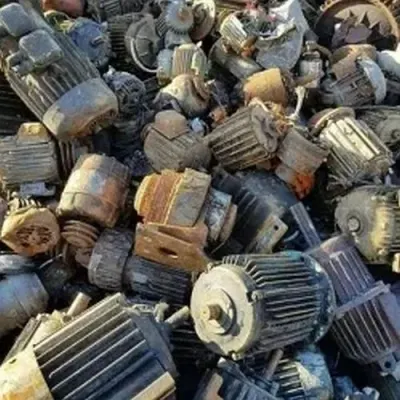
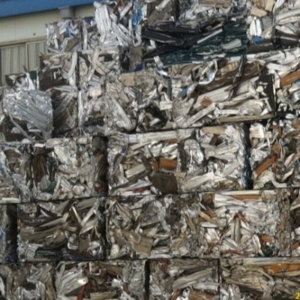
Ivory Tai Scrap Co.'s catalogue covers four aluminum scrap variants - foil flakes, wheel rims, extrusion 6063 and UBC cans - all reported under HS code 7602.00. In the metal recycling market, aluminum scrap is commonly graded by alloy composition (e.g., 6063, 6061), purity above 99 %, and physical form such as dross, shavings or sheets. Typical specifications include thickness range 0.05 - 0.2 mm for foil flakes and a maximum copper content of 0.1 % for clean aluminum. The electric‑motor scrap listed under HS 8501.10 usually consists of mixed copper‑wound DC and AC motors, with buyers often requesting a copper recovery rate and a metal‑content assay.
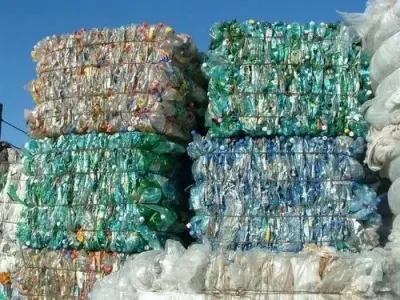
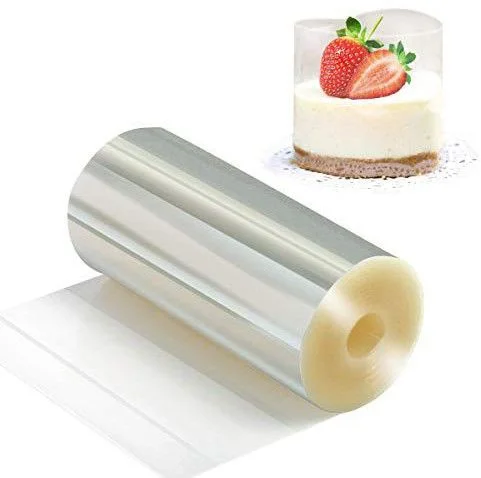
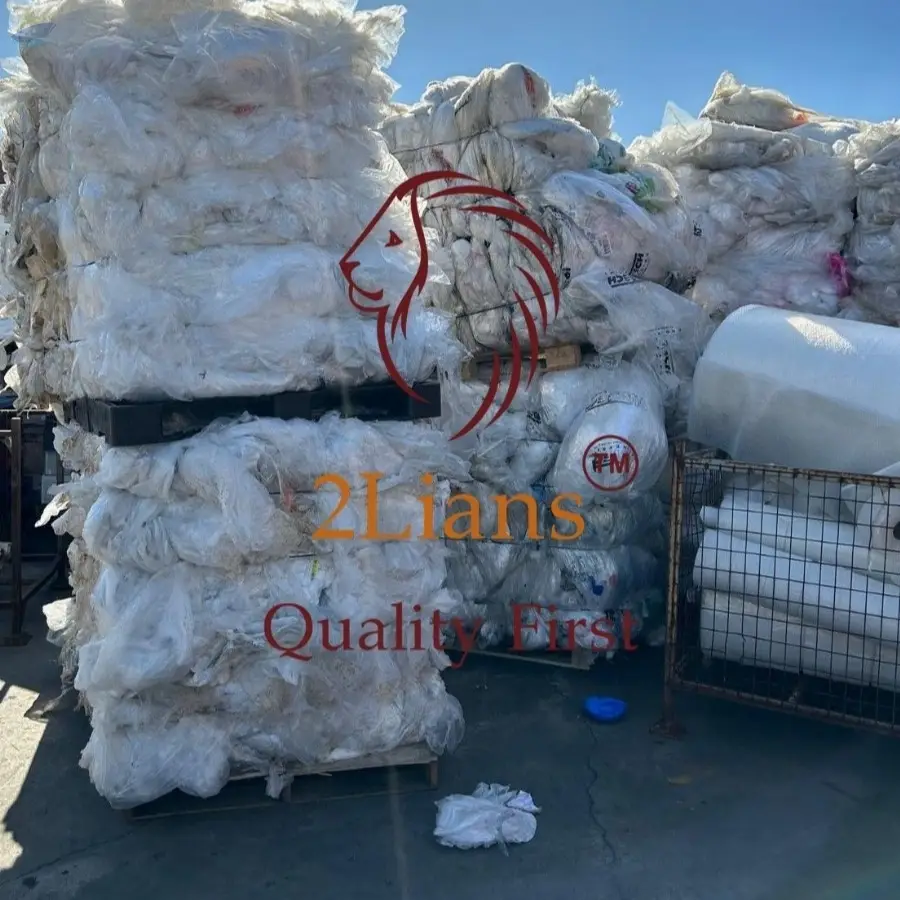
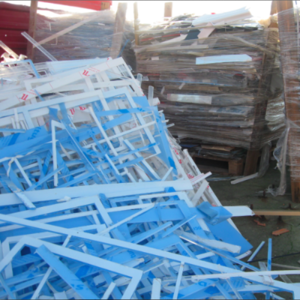
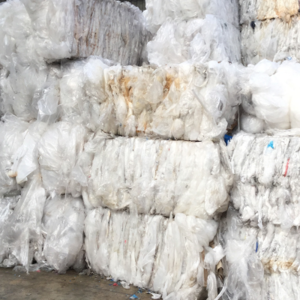
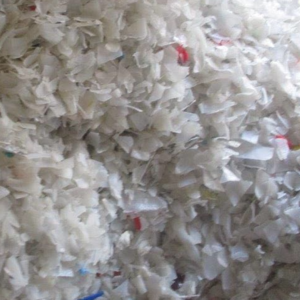
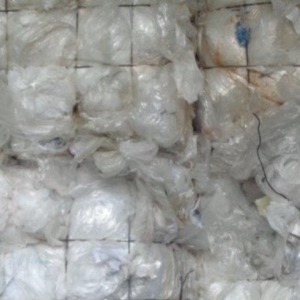
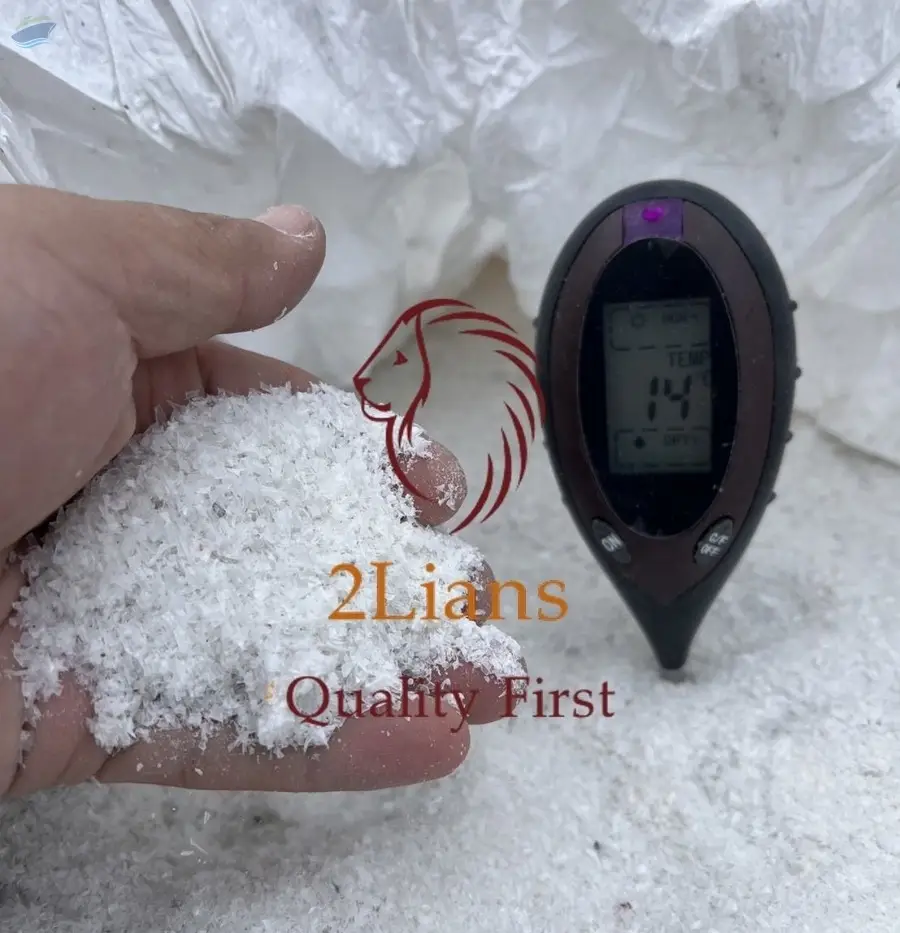
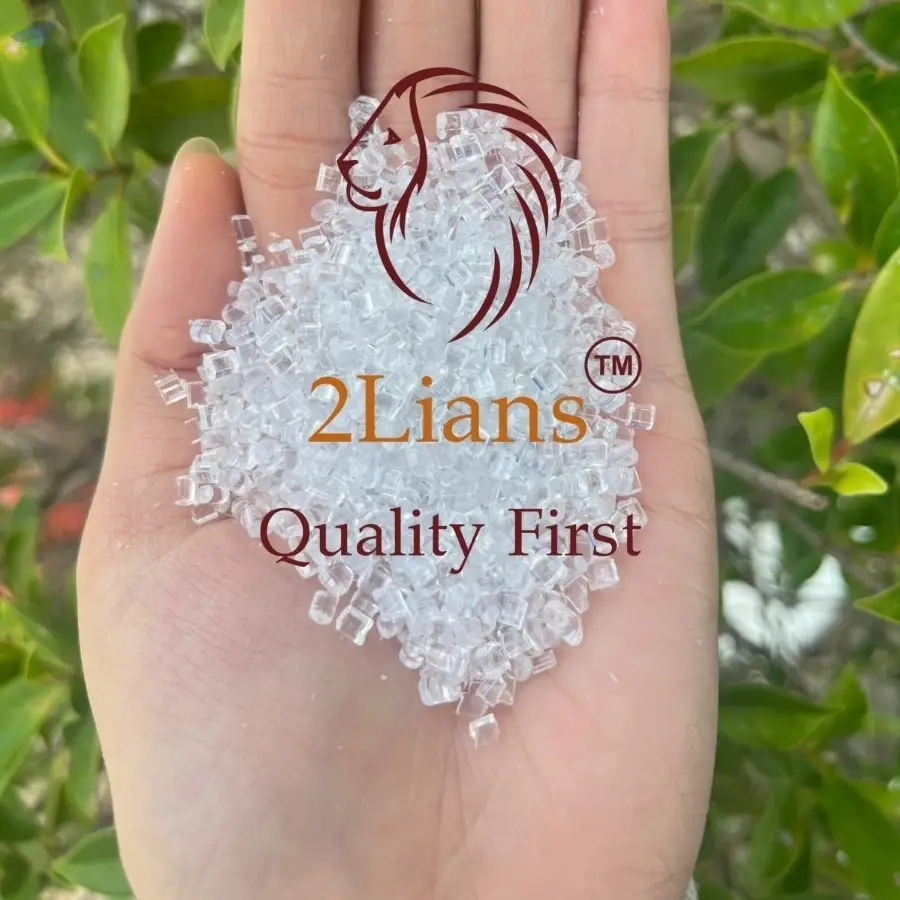
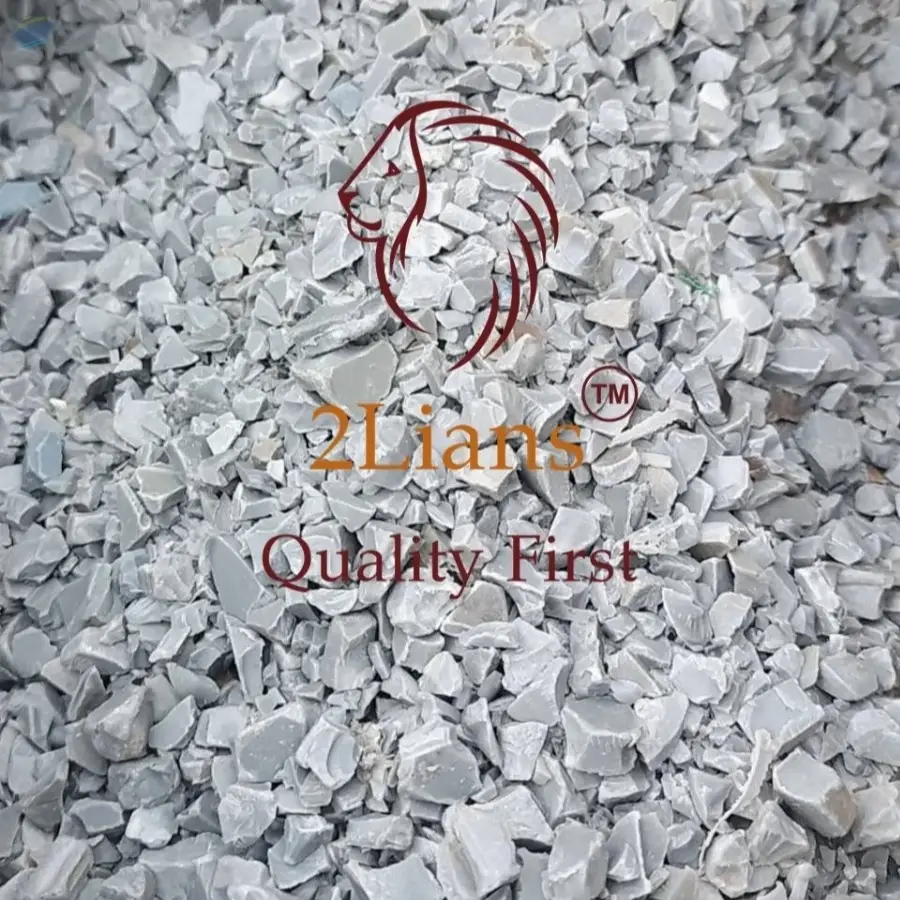
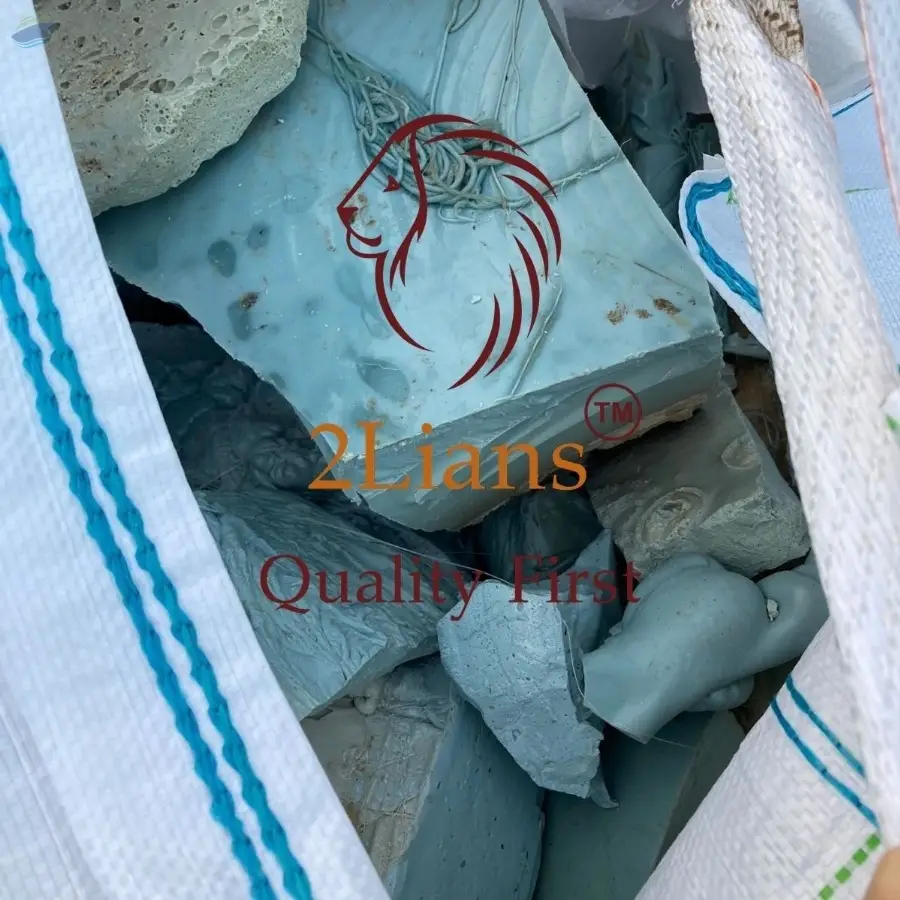
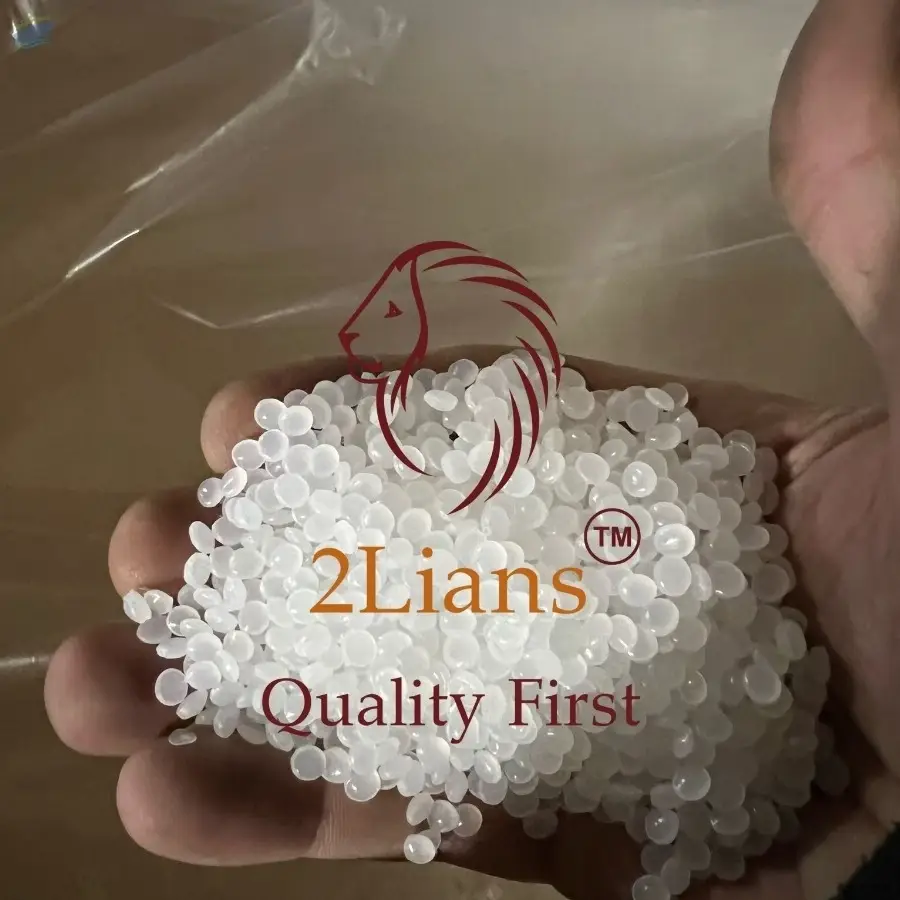
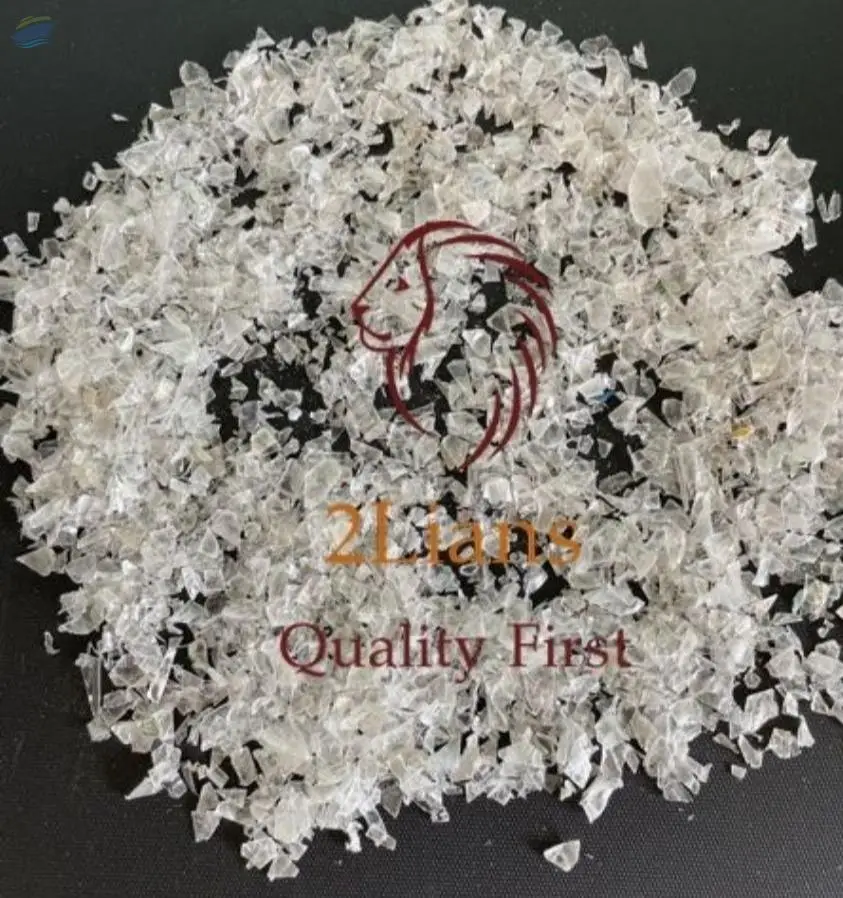
The plastic scrap segment includes ABS‑PC regrind (HS 3915.90), PMMA off‑cuts (HS 3915.90), PET roll scrap (HS 3915.10), LDPE rolls (HS 3901.10) and HDPE regrind (HS 3915.10). Industry standards for polymer regrind specify melt flow index ranges (e.g., LDPE MF 0.5 - 5 g/10 min, HDPE PE100 MF 0.2 - 2 g/10 min) and contamination limits below 0.5 % by weight. PET scrap is typically graded by intrinsic viscosity and colour clarity, while ABS regrind is evaluated for impact strength and residual monomer content. Buyers commonly request material safety data sheets (MSDS) and compliance with REACH or ASTM D 3987 for plastic scrap.
Trade and Export Information - Ivory Tai Scrap Co.
Taiwan is a major exporter of both ferrous and non‑ferrous metal scrap as well as polymer regrind, with primary destinations in China, the European Union, the United States and Southeast Asian markets. Aluminum scrap under HS 7602.00 is often shipped in 20‑ft or 40‑ft containers, packed in timber crates or steel drums, and subject to customs inspections for alloy verification and residual contaminants. Electric‑motor scrap (HS 8501.10) typically requires a declared copper recovery rate and may be accompanied by a test report from an accredited laboratory.
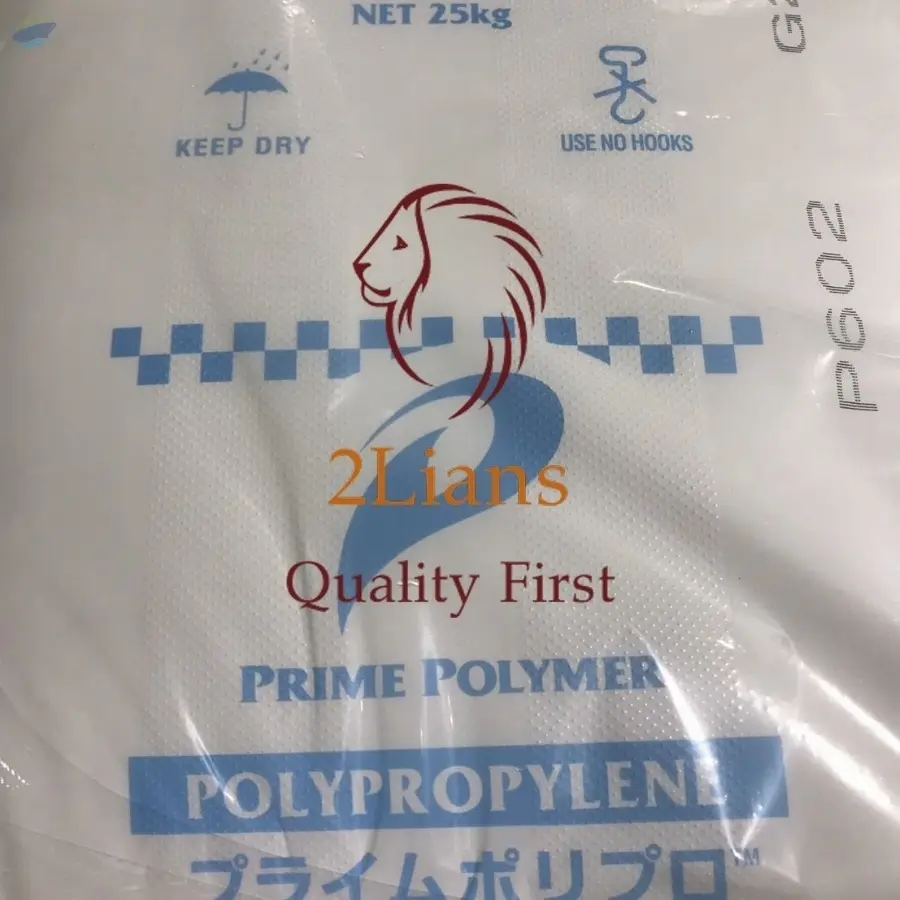
Plastic regrind categories (HS 3915.90, 3915.10, 3901.10) are usually exported in bulk bales or bulk bags, with moisture content kept below 0.5 % to meet EU REACH and US FDA requirements for food‑contact applications. Common certifications requested by importers include ISO 9001 quality management, ISO 14001 environmental management and REACH registration for polymers. Standard Incoterms used by Taiwanese scrap exporters are FOB Taiwan Port or CIF destination, with loading on container vessels or bulk carriers depending on volume.
Sourcing from Ivory Tai Scrap Co. - Buyer Guidance
Buyers sourcing aluminum scrap should request an alloy composition certificate, a metal‑content assay (e.g., copper, iron, silicon percentages) and a visual inspection report confirming the absence of non‑aluminum contaminants. For electric‑motor scrap, a copper recovery estimate, a weight‑to‑volume ratio and a hazardous‑material handling statement are typical prerequisites before order confirmation.
For polymer regrind, buyers normally ask for melt flow index data, intrinsic viscosity (for PET), colour‑sorting reports, and an MSDS indicating compliance with REACH or FDA if applicable. A sample batch of 5 kg to 10 kg is standard for testing, and minimum order quantities often start at one 20‑ft container (≈18 metric tons) depending on the material. Verification of HS code, packaging condition (e.g., sealed bales, moisture‑proof bags) and lead time - typically 2‑4 weeks after order acceptance - helps mitigate supply‑chain risk.
Frequently Asked Questions About Ivory Tai Scrap Co.
What types of aluminum scrap does Ivory Tai Scrap Co. offer and under which HS code are they classified?
The supplier lists aluminum foil flakes, wheel rims, extrusion 6063 scrap and UBC cans, all classified under HS code 7602.00 for aluminum and its alloys.
Which plastic polymers are included in the company's catalogue and what are their HS codes?
The catalogue includes ABS‑PC regrind (HS 3915.90), acrylic (PMMA) off‑cuts (HS 3915.90), PET roll scrap (HS 3915.10), LDPE rolls (HS 3901.10) and HDPE regrind (HS 3915.10).
How is the electric‑motor scrap described and what documentation is typically required?
The listing mentions mixed DC and AC motor scrap under HS code 8501.10; buyers usually request a copper recovery rate, a material composition test report and compliance with hazardous‑material handling regulations.
What are common quality specifications buyers look for in LDPE and HDPE regrind?
Typical specifications include melt flow index ranges (LDPE 0.5 - 5 g/10 min, HDPE PE100 0.2 - 2 g/10 min), moisture content below 0.5 % and contamination limits under 0.5 % by weight.
Which certifications are generally expected from Taiwanese scrap exporters?
Importers often ask for ISO 9001 quality management, ISO 14001 environmental management, REACH registration for polymers and material safety data sheets (MSDS) for both metal and plastic scrap.
What packaging and shipping formats are typical for the listed scrap materials?
Aluminum scrap is commonly packed in timber crates or steel drums for container loading; plastic regrind is usually baled or placed in bulk bags, with both shipped in 20‑ft or 40‑ft containers under FOB Taiwan Port or CIF terms.




 , Taiwan