Manan steel and metals — Verified Supplier
About Manan steel and metals - Bar Products Supplier in India
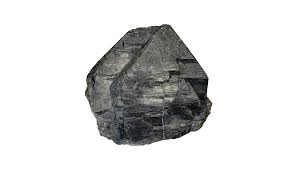
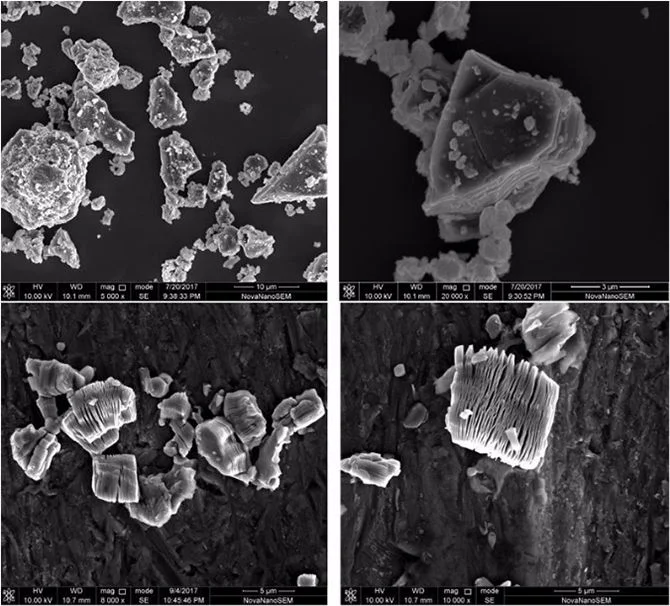
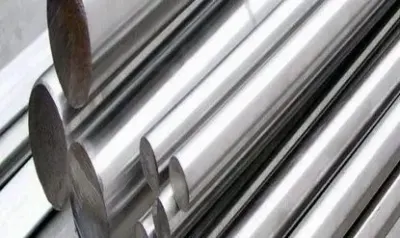
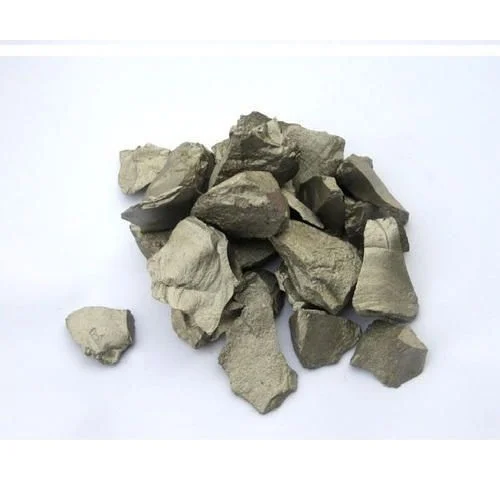
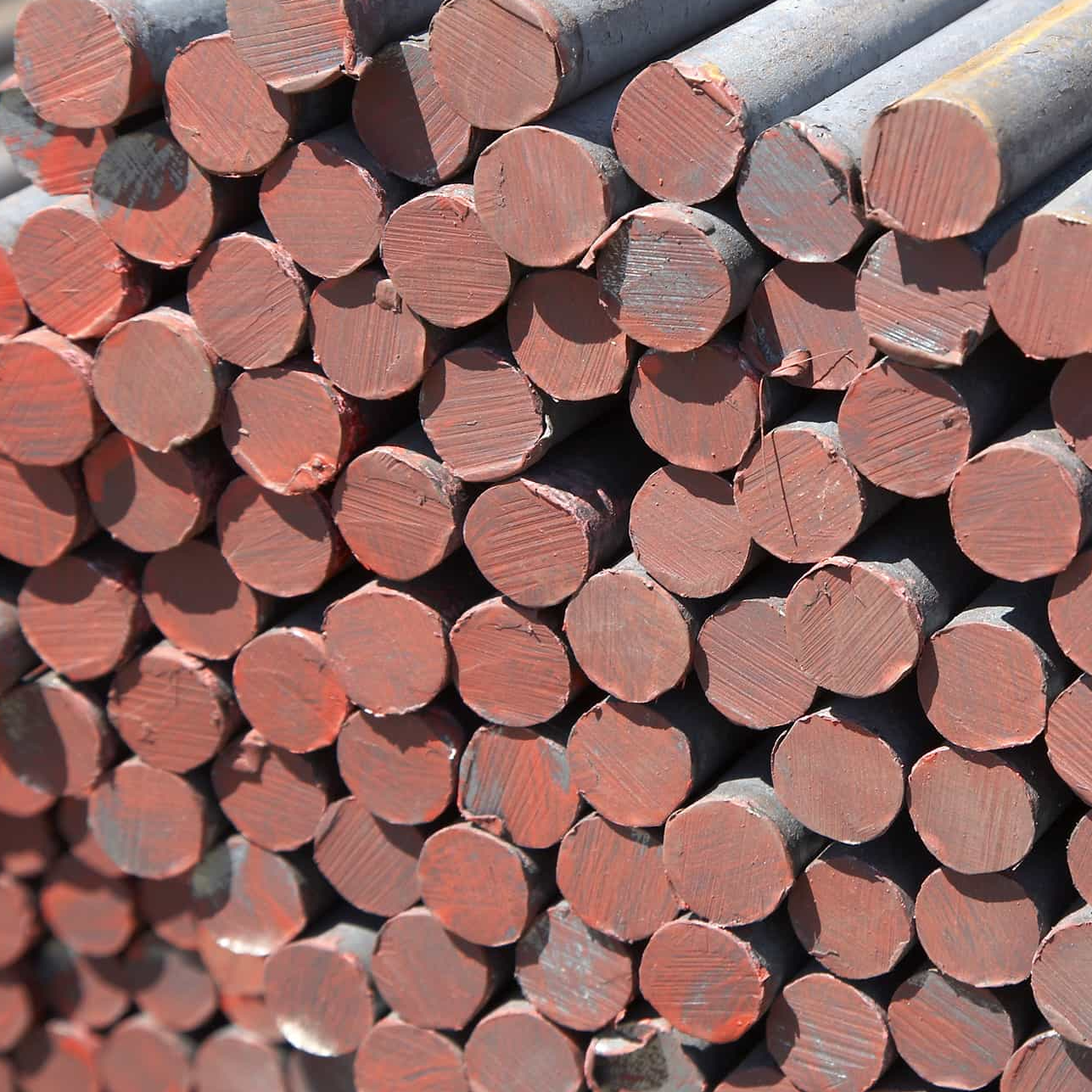
Manan steel and metals is located in Mumbai City, Maharashtra, India, and lists nine distinct metal alloy products in its catalogue. The company’s active product count of nine includes round bars made from nickel‑copper alloy (Monel), nickel‑chromium alloy (Inconel 718), titanium, nickel‑based Hastelloy, iron‑nickel‑chromium alloy A286, precipitation‑hardening 17‑4 PH stainless steel, aluminum alloy 7075, free‑cutting mild steel EN1A, and tungsten‑carbide composite. Each item is identified by a specific HS code: 7505.12 for most nickel‑based bars, 7228.20 for alloy A286, 7204.21 for 17‑4 PH, 7601.20 for aluminum 7075, 7204.49 for EN1A, and 8101.99 for tungsten carbide. The catalogue reflects the supplier’s focus on high‑performance bar products and related metal alloys.
The listed products fall under the broader categories of Bar Products, Bar Accessories and Aluminium Alloy as indicated in the supplier’s top categories. While the catalogue does not include fishing‑related items, the primary offering consists of round bars that are commonly supplied in diameters from 6 mm to 200 mm and lengths of 1 m or 12 m, conforming to standard tolerances of ±0.2 mm. Material specifications follow internationally recognised grades such as Monel 400/500, Inconel 718, Ti‑6Al‑4V (typical for titanium bars), Hastelloy C276/C22, A286 (UNS S66286), 17‑4 PH (UNS S17400), 7075‑T6 aluminium, EN1A mild steel, and WC‑Co carbide with 6‑13 % cobalt binder. These details align the supplier’s catalogue with the typical product families classified under the cited HS codes.
Product Range and Specialties of Manan steel and metals
The catalogue’s Monel Round Bar (HS 7505.12) corresponds to the nickel‑copper alloy series covered by ASTM B443, offering corrosion resistance in marine environments and typical carbon content below 0.05 %. Inconel 718 Round Bar (HS 7505.12) meets ASTM B637 and is valued for high‑temperature strength up to 1300 °C, with a standard composition of 50‑55 % Ni, 17‑21 % Cr, 4‑5 % Nb, and 2‑3 % Mo. Titanium Round Bar, though not assigned an HS code in the data, is generally supplied to ASTM B338 specifications, featuring an α‑β microstructure and a density of 4.5 g cm⁻³.
Hastelloy Round Bar (HS 7505.12) aligns with ASTM B575, delivering excellent resistance to reducing acids; typical composition includes 57 % Ni, 15 % Cr, 16 % Mo, and 4 % W. Alloy A286 Round Bar (HS 7228.20) follows ASTM B443 as a high‑temperature stainless steel with Mo and Ti additions, commonly offered in annealed or solution‑treated conditions. The 17‑4 PH stainless steel bar (HS 7204.21) conforms to ASTM A182/F321, providing precipitation‑hardening strength up to 1050 MPa after heat treatment. Aluminum 7075 (HS 7601.20) meets AMS‑4331 standards for aerospace, typically supplied in T6 temper with tensile strength around 570 MPa. EN1A mild steel (HS 7204.49) is a free‑cutting grade under EN 10025‑2, with carbon ~0.09 % and manganese ~1.0 %. Tungsten Carbide Round Bar (HS 8101.99) follows ISO‑based quality control for WC‑Co composites, with cobalt binder percentages between 6 % and 13 % and typical hardness above 85 HRA.
Trade and Export Information - Manan steel and metals
India ranks among the top exporters of specialty alloy bars, supplying aerospace, oil‑and‑gas, chemical processing and marine sectors worldwide. The HS‑code families present in Manan steel and metals’ catalogue - 7505 for nickel alloys, 7228 for stainless steel products, 7204 for carbon and alloy steel bars, 7601 for aluminum alloys, and 8101 for tungsten products - are routinely inspected under Indian customs with mandatory laboratory test reports and, where required, export licences for strategic materials.
Typical import markets for these alloys include the United States, European Union, Middle East and Southeast Asia, where buyers often request ISO 9001 certification, mill test reports (MTR) conforming to ASTM or EN standards, and CE or UL markings for downstream applications. Shipping is commonly arranged in 20‑ft or 40‑ft containers with wooden pallets or steel frames, using FOB Mumbai or CIF destination terms. Packaging must protect against moisture and mechanical impact, especially for carbide and titanium bars, which are frequently wrapped in corrosion‑inhibiting film and palletized.
Sourcing from Manan steel and metals - Buyer Guidance
When sourcing round bars from Manan steel and metals, buyers should request the latest mill test report that cites the exact ASTM or EN grade, chemical analysis, mechanical properties and heat‑treatment condition. Confirmation of the HS code used for customs clearance and verification of any required export licences from Indian authorities are also prudent steps.
Because the supplier’s listed certifications are not disclosed, buyers are advised to ask for ISO 9001 or equivalent quality‑management certification before confirming large orders. Sample dimensions of 50 mm diameter × 300 mm length are typical for performance testing, and minimum order quantities often start at 500 kg per grade, with lead times ranging from four to six weeks depending on alloy and heat‑treatment schedule.
Frequently Asked Questions About Manan steel and metals
What alloy grades are available in the round bar catalogue?
The catalogue includes Monel 400/500, Inconel 718, commercially pure titanium (ASTM B338), Hastelloy C276/C22, alloy A286 (UNS S66286), 17‑4 PH stainless steel (UNS S17400), aluminum 7075‑T6, EN1A free‑cutting mild steel, and tungsten‑carbide WC‑Co (6‑13 % Co).
Which HS codes correspond to the listed products?
Nickel‑based bars (Monel, Inconel 718, Hastelloy) use HS 7505.12; alloy A286 is classified under HS 7228.20; 17‑4 PH steel uses HS 7204.21; aluminum 7075 uses HS 7601.20; EN1A mild steel uses HS 7204.49; tungsten‑carbide bar uses HS 8101.99. The titanium bar has no HS code provided in the catalogue.
What standard specifications should buyers verify for these alloys?
Buyers typically check ASTM or EN standards such as ASTM B443 for Monel, ASTM B637 for Inconel 718, ASTM B338 for titanium, ASTM B575 for Hastelloy, ASTM B443 for A286, ASTM A182/F321 for 17‑4 PH, AMS‑4331 for aluminum 7075, EN 10025‑2 for EN1A, and ISO‑based test reports for tungsten‑carbide.
What are the usual packaging and shipping methods for round bars from India?
Bars are generally packed in wooden crates or steel frames, wrapped in corrosion‑inhibiting film, and loaded on 20‑ft or 40‑ft containers. Pallets are secured with banding, and Incoterms such as FOB Mumbai or CIF are commonly used.
What documentation is recommended before placing an order?
Request a current mill test report, material certification (e.g., ISO 9001 if available), compliance certificates for the relevant ASTM/EN standards, and, for strategic alloys, any required Indian export licence.
What are typical minimum order quantities and lead times?
Minimum order quantities are often set at 500 kg per alloy grade, with lead times of approximately four to six weeks after order confirmation, subject to heat‑treatment and inspection schedules.
Which markets commonly import these alloy bars?
Major importers include aerospace manufacturers in the United States and Europe, oil‑and‑gas firms in the Middle East, marine equipment producers in Southeast Asia, and automotive component makers in Japan and South Korea.




 Mumbai City, India