Pt Indo Mitra Bersama — Verified Supplier
About Pt Indo Mitra Bersama - Interior Decoration Products Supplier in Indonesia
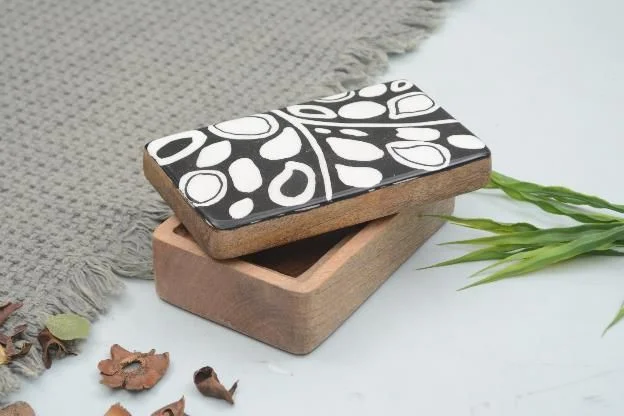
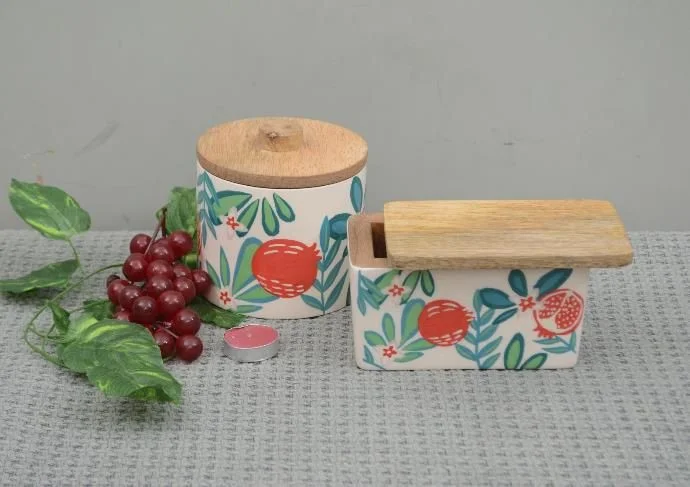
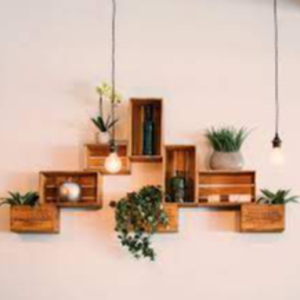
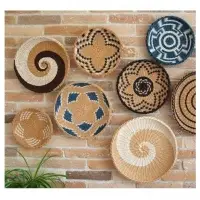
Indonesia hosts Pt Indo Mitra Bersanda with an active catalogue of 81 distinct items. The supplier lists products across the Interior Decoration Products, Household Baskets, Serving Trays, Kitchenware & Cooking, Kitchen Plates, Gift Items, Handbags and Wooden Carving categories. The catalogue includes decorative flower vases, various sizes of storage and gift boxes, laundry and clothing baskets, multiple styles of lampshades, and specialty items such as Nypah‑woven circular and oval boxes. All items are described using material terms like rattan, bamboo and Nypah (palm leaf), indicating a focus on natural, hand‑crafted décor pieces.
The product set also contains functional kitchen and serving accessories such as fruit plates, fruit bowls and fruit boxes, as well as ornamental pieces like hanging light decor and mini lampshades. Although no HS codes are supplied in the data, the goods fall under typical HS chapters for decorative articles (9615), woven baskets (4602) and wooden furniture accessories (9403). The range reflects a broad application for B2B buyers in hospitality, education and retail environments.
Product Range and Specialties of Pt Indo Mitra Bersama
The catalogue’s emphasis on rattan, bamboo and Nypah aligns with industry standards that grade rattan from A to D based on fibre density and flexibility, while bamboo products are often specified by wall thickness (typically 8‑12 mm) and moisture content below 12 %. Buyers of woven baskets usually request load‑bearing specifications measured in kilograms (e.g., 5 kg for standard laundry baskets) and a minimum weave density of 30 weaves per cm. Decorative boxes and gift containers are commonly offered in standard dimensions such as 150 × 150 mm or 200 × 250 mm, with interior linings of recyclable paper or cotton for presentation purposes. Lampshades made from natural fibres are evaluated for light diffusion rating (lumens) and fire‑retardant treatment, often complying with IEC 60598‑2‑5 standards for decorative lighting fixtures.
Trade and Export Information - Pt Indo Mitra Bersama
Indonesia is a leading exporter of rattan and bamboo handicrafts, with the majority of shipments destined for Europe, North America and the Middle East. Exported items in the 9603 (baskets) and 9615 (decorative articles) HS chapters typically require phytosanitary certificates to prevent pest contamination, and many importers request FSC (Forest Stewardship Council) or PEFC (Programme for the Endorsement of Forest Certification) documentation for sustainably sourced wood fibre. For larger furniture accessories that fall under HS 9403, CE marking is often required for entry into the EU market, while the US market may demand ASTM F1561 compliance for decorative wood products. Standard logistics involve container loading on 20‑ft or 40‑ft units, with protective packaging such as double‑wall corrugated boxes and wooden pallets; common Incoterms used by Indonesian exporters include FOB Jakarta and CIF major European ports.
Sourcing from Pt Indo Mitra Bersama - Buyer Guidance
When sourcing from Pt Indo Mitra Bersama, buyers should request material safety data sheets (MSDS) for any treated bamboo or rattan, as well as verification of FSC or equivalent sustainability certificates. Sample pieces should be inspected for weave density, colour consistency and surface finish; a load‑test of 1.5 × the intended use weight is a practical check for baskets and storage containers. Buyers are advised to obtain a phytosanitary certificate and, where applicable, a CE conformity declaration before shipment, and to confirm packaging dimensions to align with container load plans. Verification of these documents helps mitigate customs delays and ensures compliance with destination market regulations.
Frequently Asked Questions About Pt Indo Mitra Bersama
What natural materials does Pt Indo Mitra Bersama use in its décor items?
The supplier works with rattan, bamboo and Nypah (palm leaf) to produce vases, baskets, boxes and lampshades, all of which are typical sustainable fibres in Indonesian handicrafts.
Which HS codes are most relevant for the supplier’s product range?
Typical HS chapters include 4602 for woven baskets, 9615 for decorative articles such as lampshades and gift boxes, and 9403 for wooden furniture accessories.
What certifications should a buyer request for these natural‑fiber products?
Buyers should ask for FSC or PEFC certificates for sustainable sourcing, a phytosanitary certificate for export, and CE or ASTM compliance if the goods are destined for the EU or US markets.
Are custom dimensions or designs available for the decorative boxes?
The catalogue mentions custom‑made furniture; similarly, buyers can request specific box dimensions or Nypah‑weave patterns, which are typically accommodated for bulk orders.
What is a common load capacity for the laundry and clothing baskets?
Industry practice specifies a minimum load capacity of 5 kg for standard laundry baskets; buyers may request a higher rating depending on the intended use.
Which packaging and shipping methods are standard for these items?
Products are usually packed in double‑wall corrugated cartons, placed on wooden pallets, and shipped in 20‑ft or 40‑ft containers under FOB Jakarta or CIF terms.
What documentation is needed to clear customs in Europe?
A phytosanitary certificate, FSC/PEFC proof, and a CE conformity declaration (where applicable) are commonly required for European import clearance.
How can a buyer verify the quality of a sample lampshade?
Buyers should check the fibre weave density, confirm fire‑retardant treatment compliance with IEC 60598‑2‑5, and assess light diffusion performance measured in lumens.




 , Indonesia