Agriculture›
 Apparel and fashion accessories›
 Construction & real estate›💡Electronic & Electrical›🍎Food & Beverages›🛋️Home furnishing & supplies›⚗️Industrial goods & chemical›🪨Minerals & metals›📦Miscellaneous›Agriculture›Apparel and fashion accessories›Construction & real estate›💡Electronic & Electrical›🍎Food & Beverages›🛋️Home furnishing & supplies›⚗️Industrial goods & chemical›🪨Minerals & metals›📦Miscellaneous›
Falcon International Product Catalog



About Falcon International - Stones & Slates Supplier in Pakistan
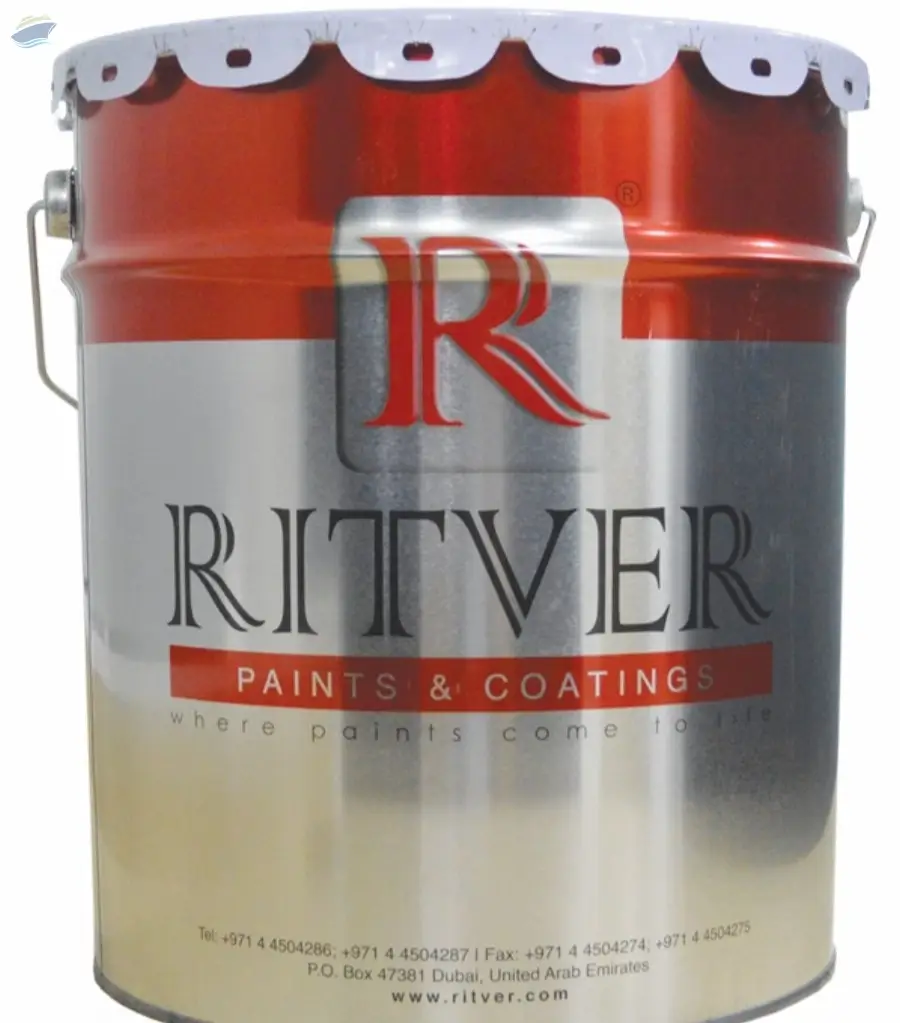
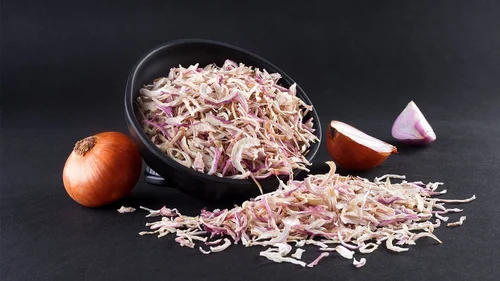
Pakistan‑based Falcon International lists 35 active products across multiple categories. The catalogue includes agricultural items such as rice, wheat, maize, pulses, onions and pomegranate, as well as mineral and chemical products like iron ore (HS 2601.11, hematite and magnetite), sponge iron (HS 7203.10, metallic iron 85‑96 % Fe), calcium carbonate lumps (HS 2836.50, natural limestone), dolomite lumps (HS 2518.10, calcium magnesium carbonate), construction chemicals (HS 3824.00, polymer‑modified cementitious compounds), silica sand (HS 2505.10, natural silicon dioxide), fly ash (HS 2621.19, Class F pozzolan), and baby diapers (HS 9619.00, non‑woven fabric with SAP). Additional listings cover ceramic tiles, decorative paints, aluminium foil, raw cotton, bleaching powder, and readymade garments, each tied to the relevant HS code families where provided.
The product mix reflects both staple food commodities and bulk industrial raw materials. Items such as iron ore, silica sand and fly ash target construction and metallurgy sectors, while the agricultural line supplies staple grains and vegetables for food processing. The presence of paints, construction chemicals and pharmaceutical aluminium foil indicates activity in the building‑materials and health‑care packaging markets as well.
Product Range and Specialties of Falcon International
Falcon International’s catalogue features bulk commodities and finished goods. Agricultural entries include rice, wheat, maize, pulses, onions and pomegranate, each typically shipped in 20 ft or 40 ft containers on jute or polypropylene bags. In the grains sector, standard specifications often reference moisture limits of 12‑14 % for rice, protein content of 10‑12 % for wheat, and kernel moisture of 13‑15 % for maize. Pulses are usually graded by size (e.g., 4‑6 mm) and moisture below 12 %.
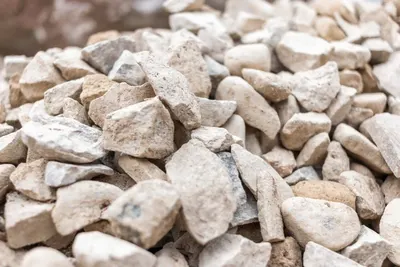
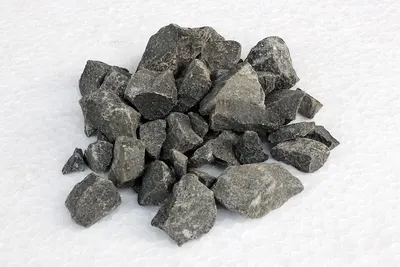
Mineral and chemical products follow industry grade norms. Iron ore under HS 2601 is commonly supplied with Fe content of 62‑68 % for hematite and 65‑70 % for magnetite. Sponge iron (HS 7203) is expected to contain 85‑96 % metallic iron with residual gangue below 5 %. Calcium carbonate lumps (HS 2836) are generally 95‑99 % CaCO₃ purity, particle size 0‑5 mm. Dolomite lumps (HS 2518) typically meet a CaO % of 45‑50 % and MgO % of 25‑30 %. Construction chemicals (HS 3824) are polymer‑modified cementitious mixtures designed to achieve compressive strengths of 30‑50 MPa after 28 days. Silica sand (HS 2505) used for glass or foundry work normally exceeds 99 % SiO₂ purity with moisture under 0.5 %. Fly ash (HS 2621) is supplied as Class F material complying with ASTM C618, featuring a loss on ignition of less than 10 %.
Frequently Asked Questions About Falcon International
What HS codes are used for Falcon International’s iron ore and sponge iron products?
Iron ore is classified under HS 2601.11 and is described as a mixture of hematite and magnetite. Sponge iron is listed under HS 7203.10 and contains metallic iron with 85‑96 % Fe content.
Which certifications should a buyer request for the rice and wheat listed by Falcon International?
Buyers should request a phytosanitary certificate, a moisture analysis (12‑14 % for rice, 13‑14 % for wheat) and, where applicable, evidence of ISO 22000 or HACCP compliance for food safety.
What purity level can be expected for the calcium carbonate lumps supplied?
The calcium carbonate lumps are typically 95‑99 % CaCO₃ purity with moisture below 0.5 %. Assay certificates normally detail calcium oxide equivalence and loss on ignition.
How is fly ash supplied and what standard does it meet?
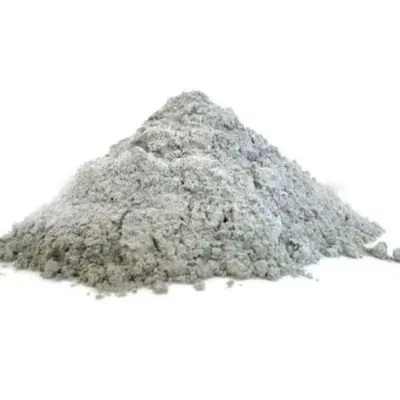
Fly ash is supplied as Class F pozzolan, meeting ASTM C618 specifications for pozzolanic activity. It is listed under HS 2621.19 and is usually shipped in bulk bags or silo containers.
What packaging formats are used for bulk silica sand shipments?
Silica sand is generally loaded into 1‑ton polyethylene bulk bags or shipped loose in open‑top containers, complying with HS 2505.10 classification.
 Pakistan
Related Suppliers & Products
Explore similar suppliers, related products and trending categories



.jpg.png)