Ivory global HK scrap — Verified Trader & Wholesale Supplier
About Ivory global HK scrap - Plastic Scrap Supplier in Hong Kong
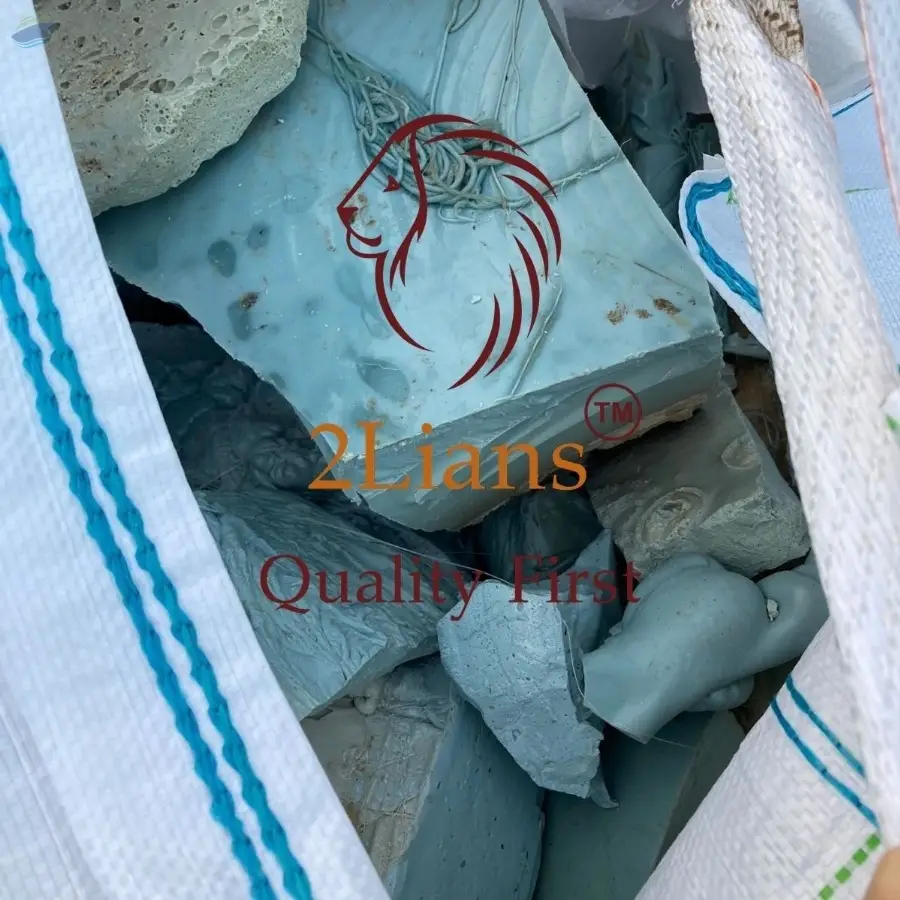
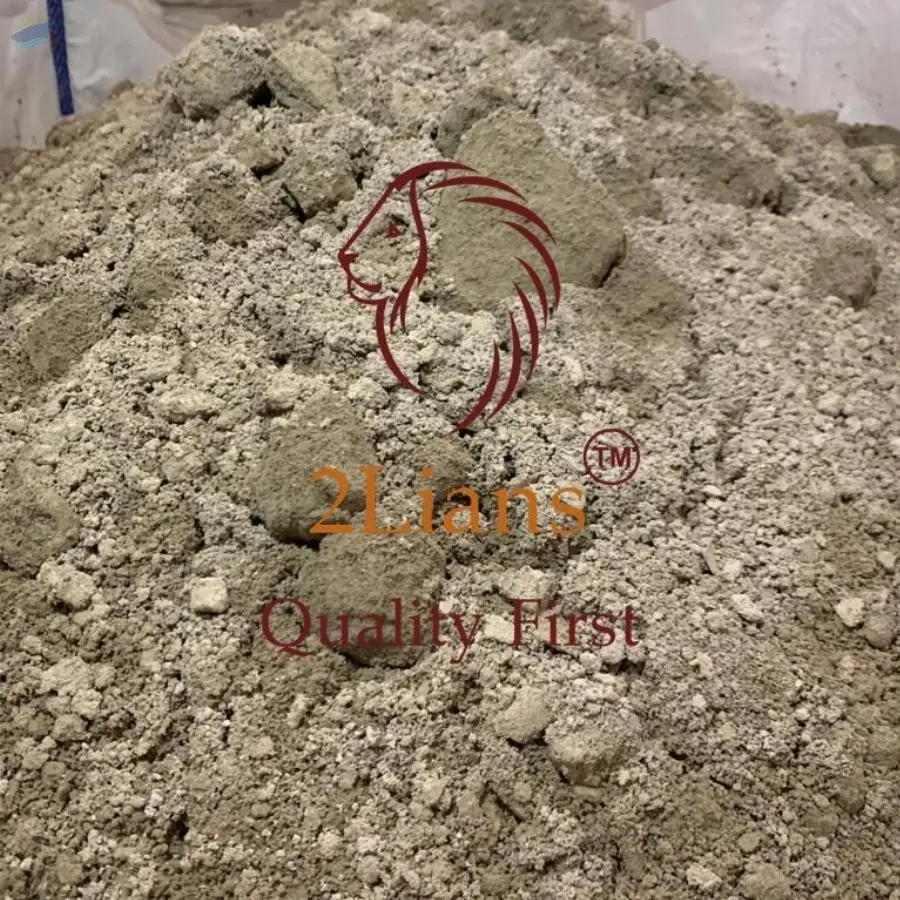
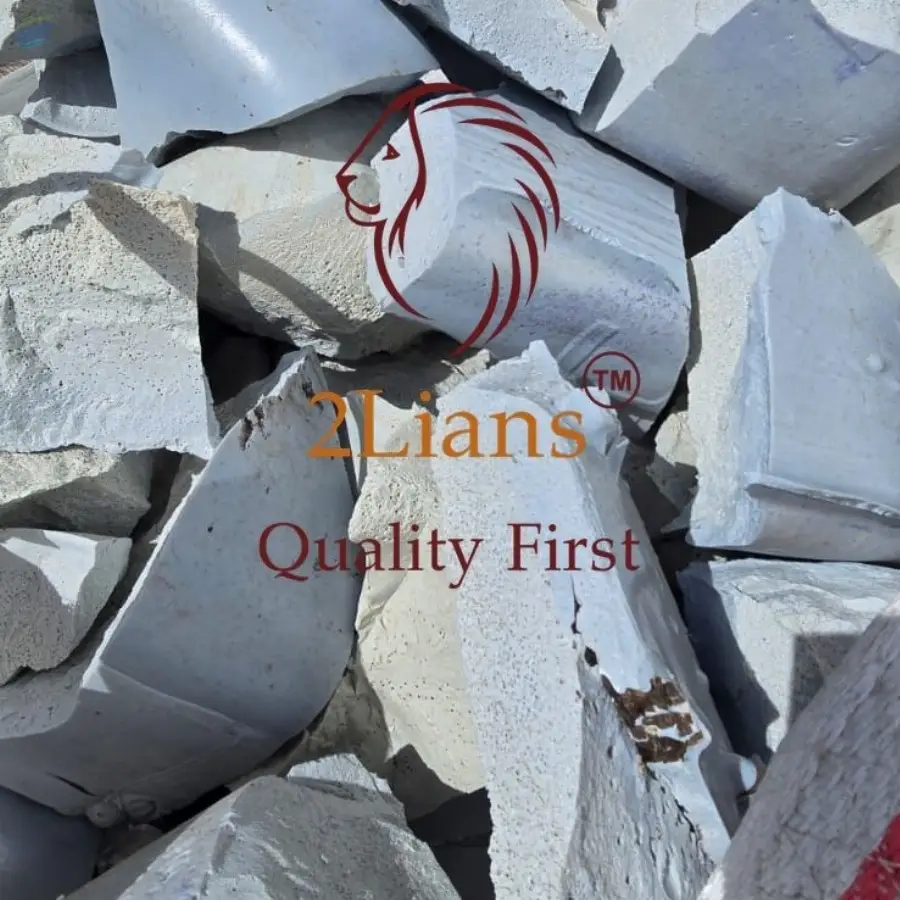
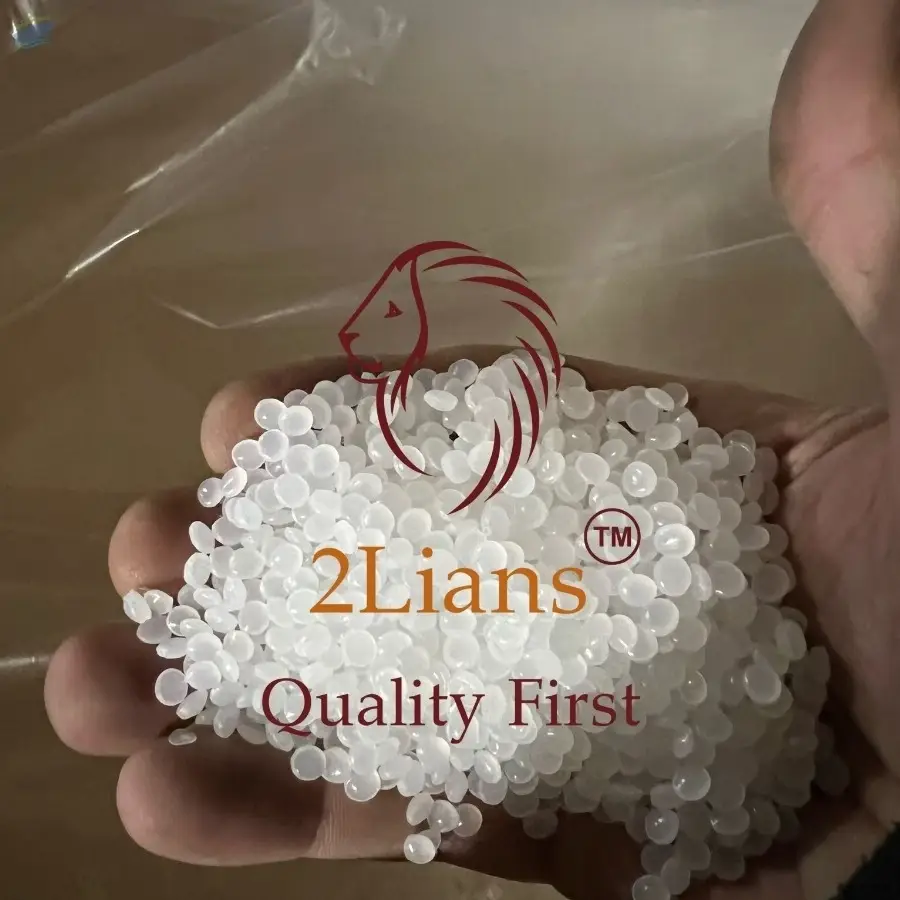
Ivory global HK scrap operates from Cheung Sha Wan in Hong Kong and currently lists nine active products across metal and polymer scrap categories. The catalogue groups items under HS chapter 76 for aluminum (HS 7602.00) and HS chapter 39 for plastics (HS 3915.10 and 3915.90). Products include various forms of aluminum foil, extrusion, wheel, and UBC scrap, as well as ABS, PMMA, LDPE, HDPE and PET plastics. The supplier’s listing reflects a focus on bulk scrap suitable for re‑processing and melting operations. All items are described using the material name and typical trade designation.
The nine listed items cover both primary metal scrap streams such as aluminum foil dross and extrusion 6063, and polymer streams including ABS regrind, PMMA acrylic, LDPE films, HDPE PE100 and PET bottle bales. Each entry references a specific HS code, enabling straightforward customs classification for buyers. The product set aligns with standard waste‑recycling feedstock used by smelters, plastic re‑granulators and composite manufacturers. The supplier indicates capability to handle roll‑on‑roll‑off removal and storage of large quantities.
Product Range and Specialties of Ivory global HK scrap
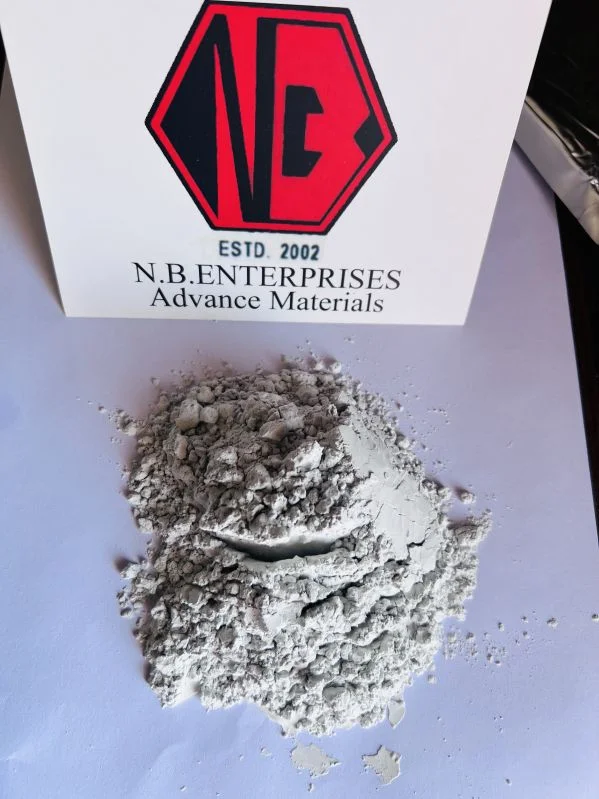
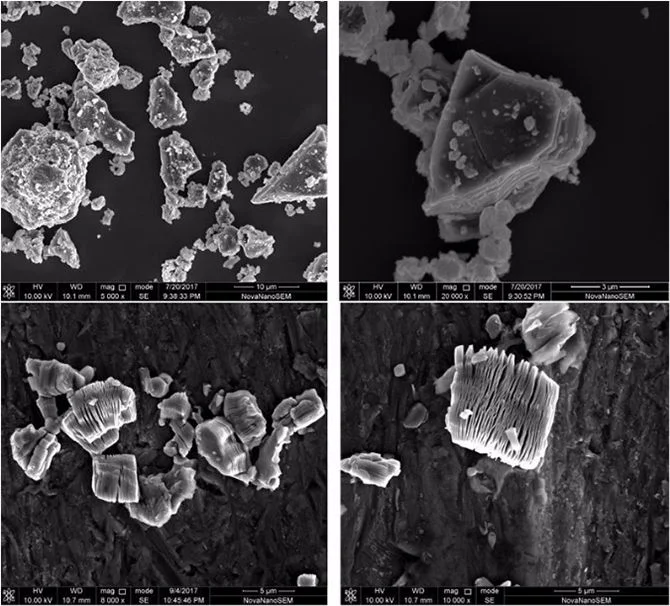
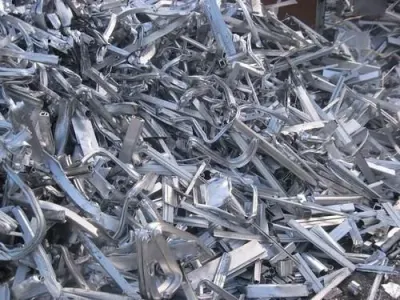
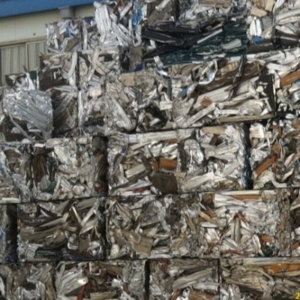
The catalogue lists four aluminum scrap types, all classified under HS 7602.00: foil dross, wheel/rim scrap, extrusion 6063 alloy, and UBC can scrap. In the aluminum recycling market, foil dross typically contains 90‑95 % aluminum with the remainder as oxides, and extrusion scrap is graded by alloy composition and tensile strength, with 6063 commonly used for architectural extrusions. Buyers usually request a purity analysis and a metal assay report meeting ASTM B221 specifications.
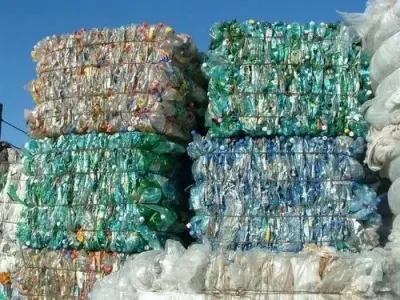
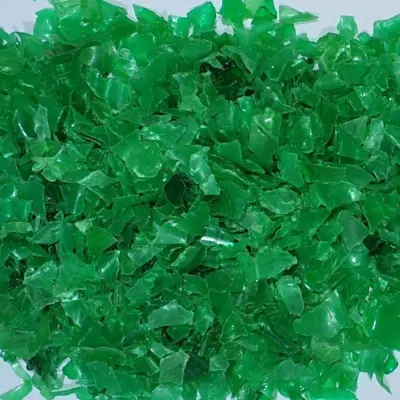
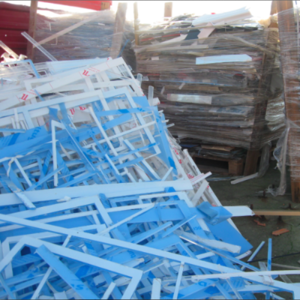
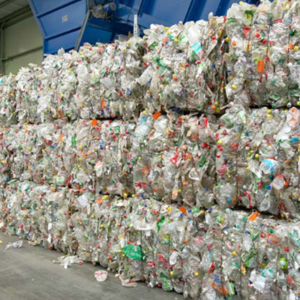
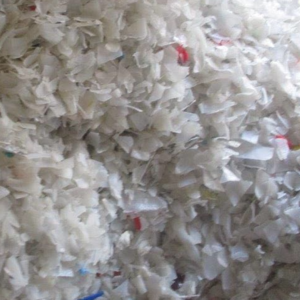
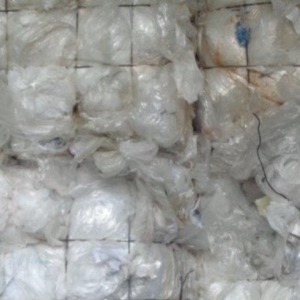
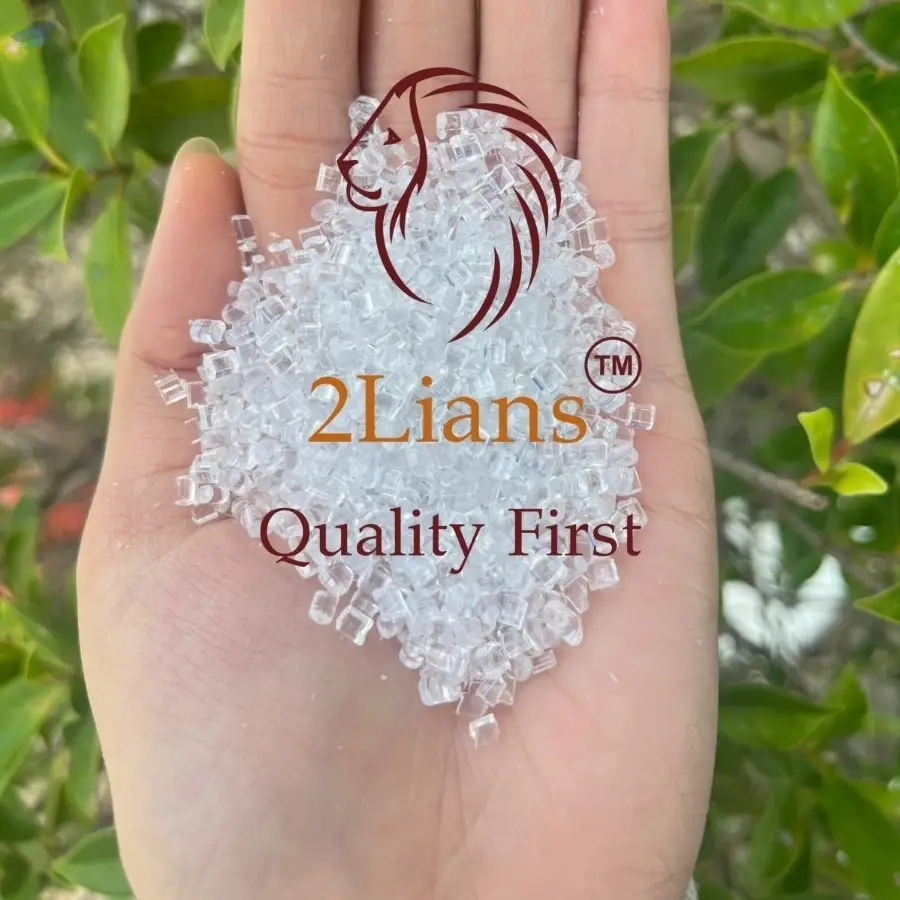
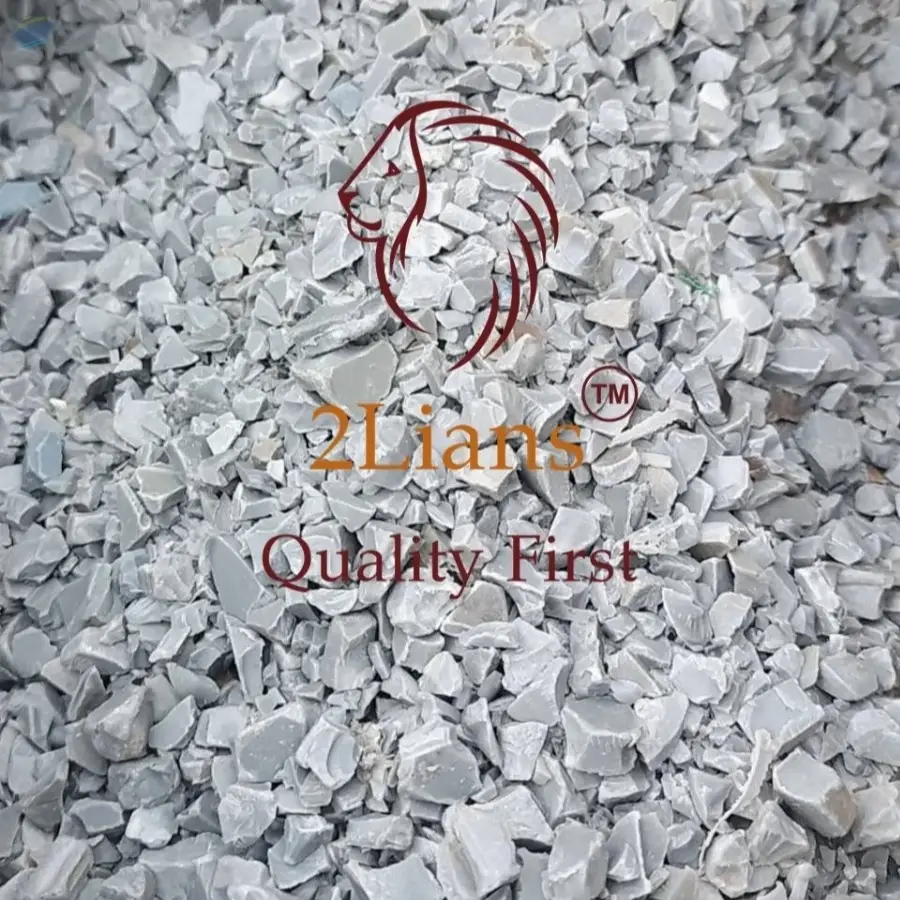
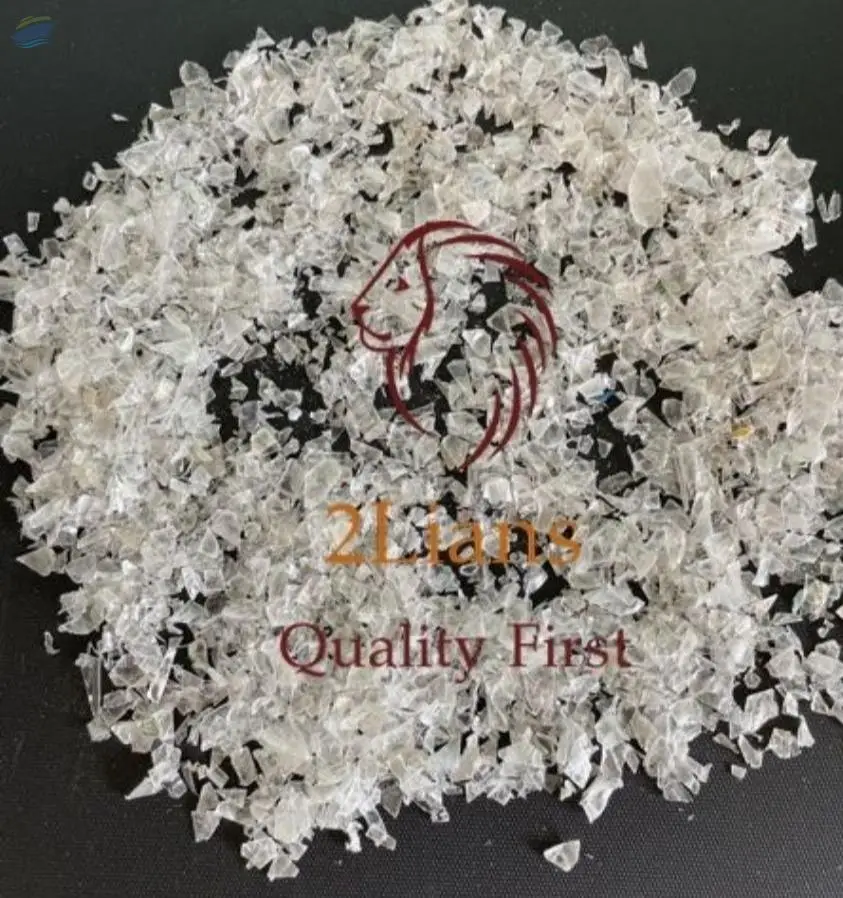
For plastics, the supplier offers ABS, PMMA, LDPE, HDPE PE100 and PET bottle scrap, all under HS 3915.10 or 3915.90. Standard industry grades include ABS with melt flow index 10‑30 g/10 min, PMMA with light transmittance ≥ 92 %, LDPE film grades with thickness 12‑100 µm, HDPE PE100 meeting ISO 4427 for pipe grade, and PET bottle flakes with intrinsic viscosity 0.70‑0.85 dL/g. Typical quality requirements involve moisture below 0.1 % and contamination limits under 0.5 % by weight. Re‑grind sizes are often specified in 20‑40 mesh for downstream extrusion.
Trade and Export Information - Ivory global HK scrap
Hong Kong serves as a major transshipment hub for both aluminum and plastic scrap, with major export destinations including Mainland China, the United States, the European Union and Japan. Aluminum scrap under HS 7602 is frequently inspected under the ISO 14001 environmental management system and may require a Certificate of Origin for customs clearance. Plastic scrap under HS 3915 commonly needs compliance with REACH and may be subject to SGS or BVQI inspection reports confirming polymer type, melt flow and contaminant levels.
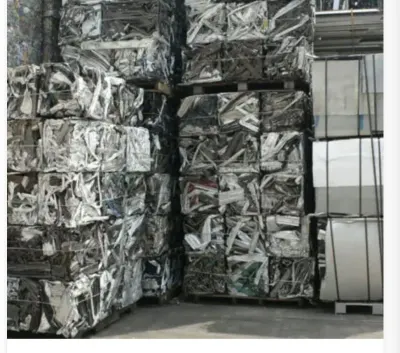
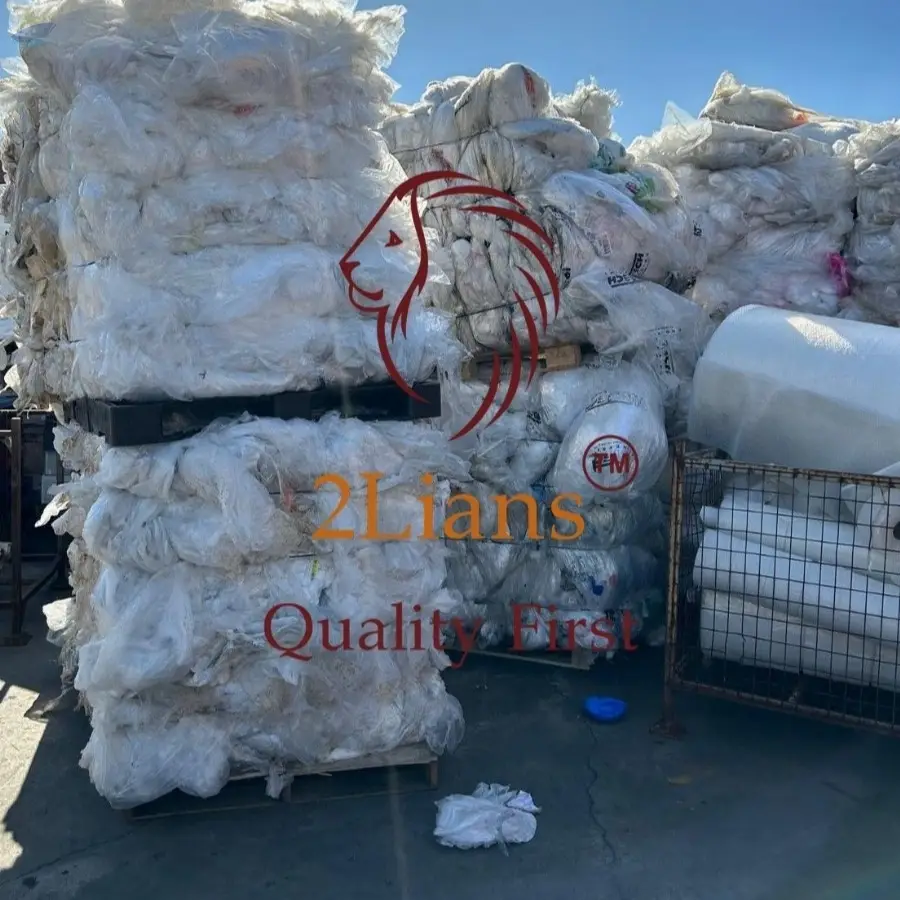
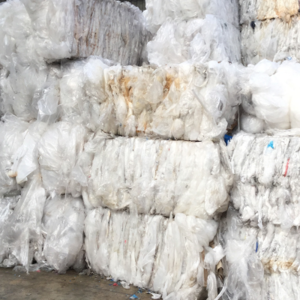
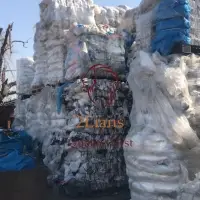
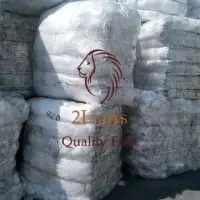
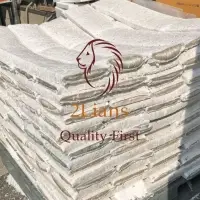
Typical packaging for aluminum scrap involves bulk bales or drums, while polymer scrap is often baled, crated or supplied in roll form. FOB Hong Kong is the standard incoterm, though buyers may request CIF to their nearest port. Export documentation generally includes a commercial invoice, packing list, bill of lading, material safety data sheet for polymer additives, and any required hazardous waste certificates.
Sourcing from Ivory global HK scrap - Buyer Guidance
Buyers should request a recent metal assay report for aluminum scrap, confirming aluminum content, alloy identification and non‑metal impurities. For polymer streams, a material test report covering moisture content, melt flow index, density and visual inspection for color and foreign matter is standard. Confirm that the supplier can provide REACH compliance statements or ISO 9001 certificates if required by the importing country.
Before placing a large order, verify the packaging dimensions such as bale weight (typically 500 kg) or drum capacity (around 200 L) and the logistics arrangement for roll‑on‑roll‑off loading. Samples of each scrap type should be evaluated for melt behavior or smelting performance, and the supplier’s response time for sample provision and test report issuance is a key reliability indicator.
Frequently Asked Questions About Ivory global HK scrap
What aluminum scrap grades does Ivory global HK scrap provide?
The supplier lists four aluminum scrap grades: foil dross, wheel/rim scrap, extrusion 6063 alloy scrap and UBC can scrap, all classified under HS 7602.00. Foil dross generally contains 90‑95 % aluminum, while extrusion 6063 is identified by its alloy composition and typical tensile properties. Buyers normally request a metal assay report confirming purity and alloy content.
Which polymer types are available and what are their common specifications?
Ivory global HK scrap offers ABS, PMMA, LDPE, HDPE PE100 and PET bottle scrap, covered by HS 3915.90 for ABS and PMMA and HS 3915.10 for the other polymers. Typical specs include ABS melt flow index 10‑30 g/10 min, PMMA light transmittance ≥ 92 %, LDPE film thickness 12‑100 µm, HDPE PE100 meeting ISO 4427 pipe grade, and PET flakes with intrinsic viscosity 0.70‑0.85 dL/g. Moisture content is usually limited to 0.1 % or less.
How are the scrap materials packaged for shipment?
Aluminum scrap is normally packed in bulk bales or steel drums, while plastic scrap is baled, crated or supplied in rolls on a roll‑on‑roll‑off system. Bale weights often range around 500 kg and drum capacities are about 200 L. The packaging is designed for easy handling and loading onto container vessels.
What HS codes are used for the listed products?
All aluminum items (foil scrap, wheel scrap, extrusion 6063, UBC can scrap) use HS code 7602.00. Polymer items are split between HS 3915.90 for ABS and PMMA, and HS 3915.10 for LDPE, HDPE PE100 and PET bottle scrap. These codes align with standard customs classifications for metal and plastic waste.
Which certifications or test reports should a buyer request?
Buyers should ask for a recent metal assay report for aluminum scrap and a material test report for each polymer stream covering moisture, melt flow index, density and contaminant limits. In addition, REACH compliance statements, ISO 9001 or ISO 14001 certificates, and third‑party inspection reports (e.g., SGS) are commonly required for import clearance.
What are the typical incoterms and delivery terms for orders from Hong Kong?
The most frequently used incoterm is FOB Hong Kong, allowing the buyer to arrange main carriage from the port. Some buyers may request CIF to their destination port, which includes freight and insurance costs. Lead times are generally 2‑4 weeks after sample approval.
What are the usual minimum order quantities and lead times?
For aluminum scrap, minimum orders are typically 1‑2 tonnes, while polymer scrap often has a MOQ of 500 kg per grade. Lead time after order confirmation and sample acceptance is usually 2‑4 weeks, depending on the required documentation and shipping schedule.




 , Hong Kong