Jagat Agro Comm. Pvt. Ltd. — Verified Supplier
About Jagat Agro Comm. Pvt. Ltd. - Food Products Supplier in India
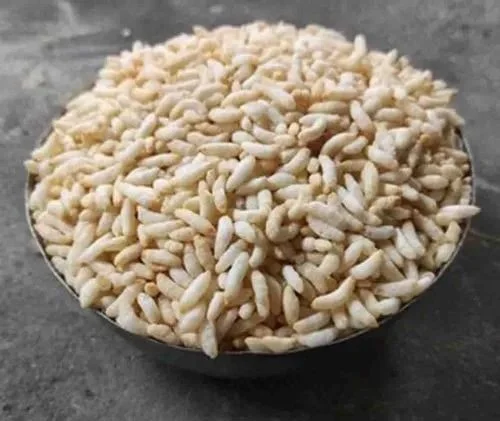
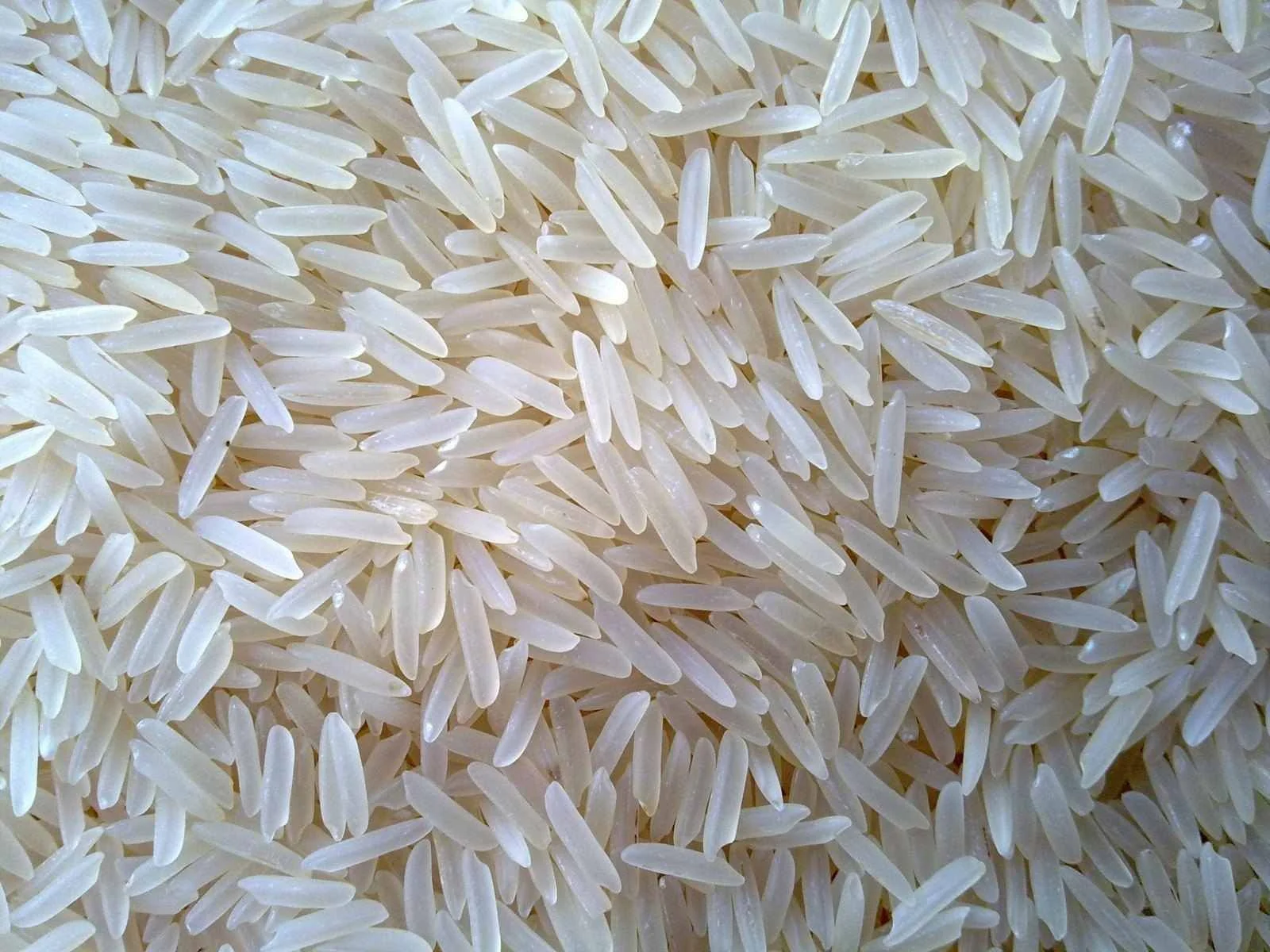
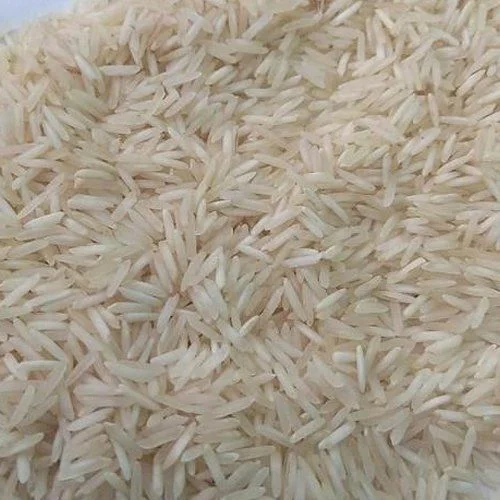
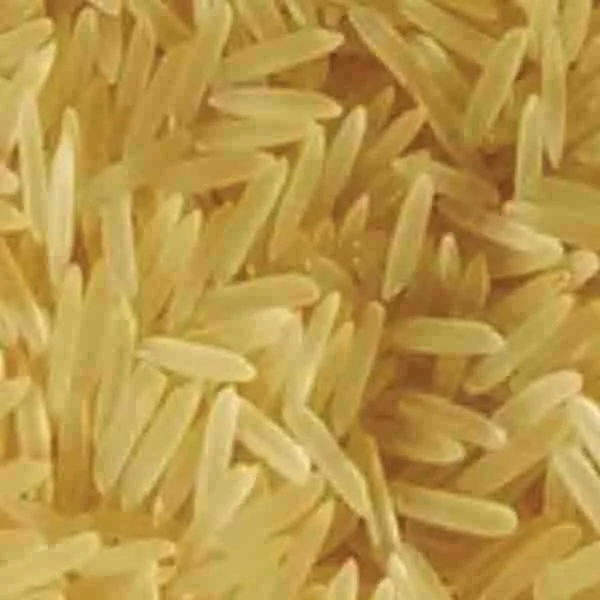
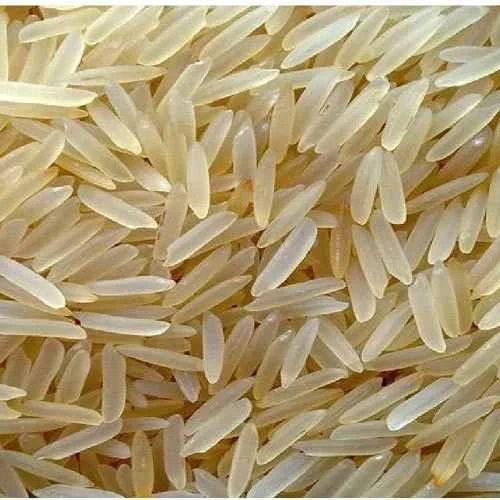
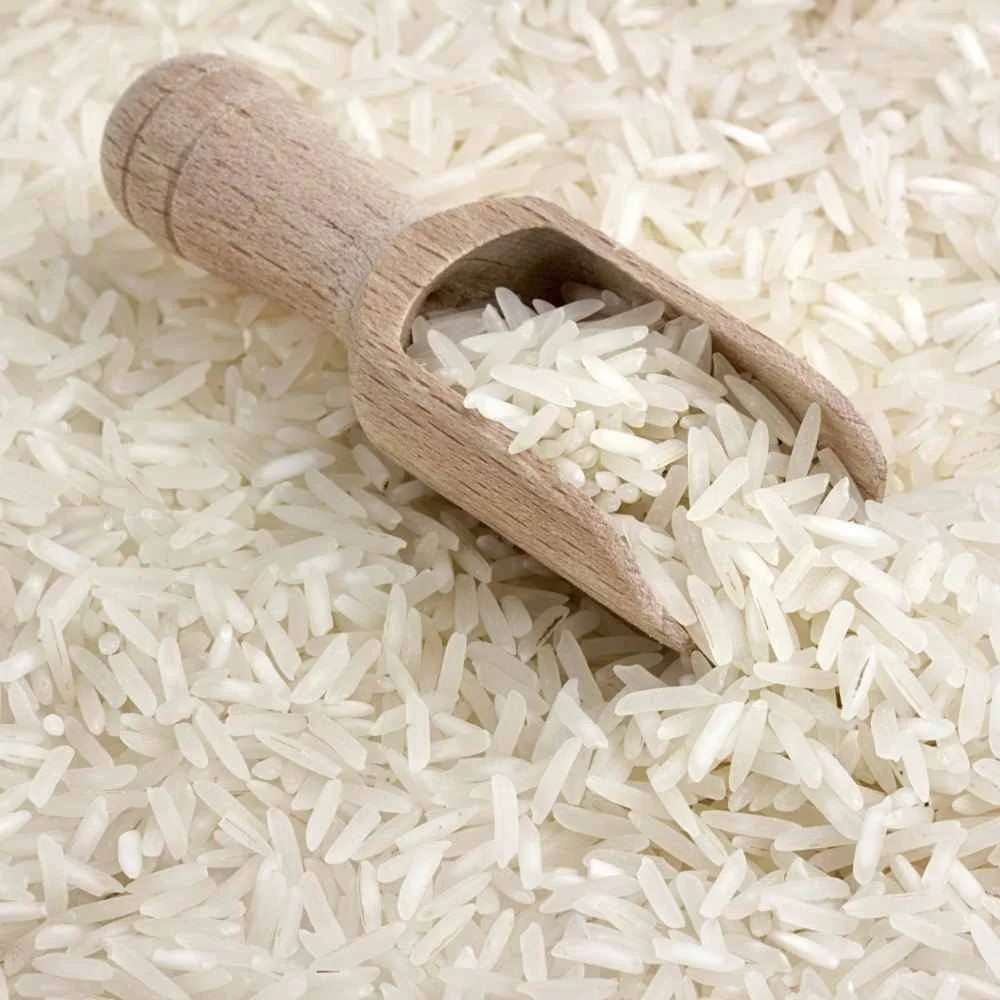
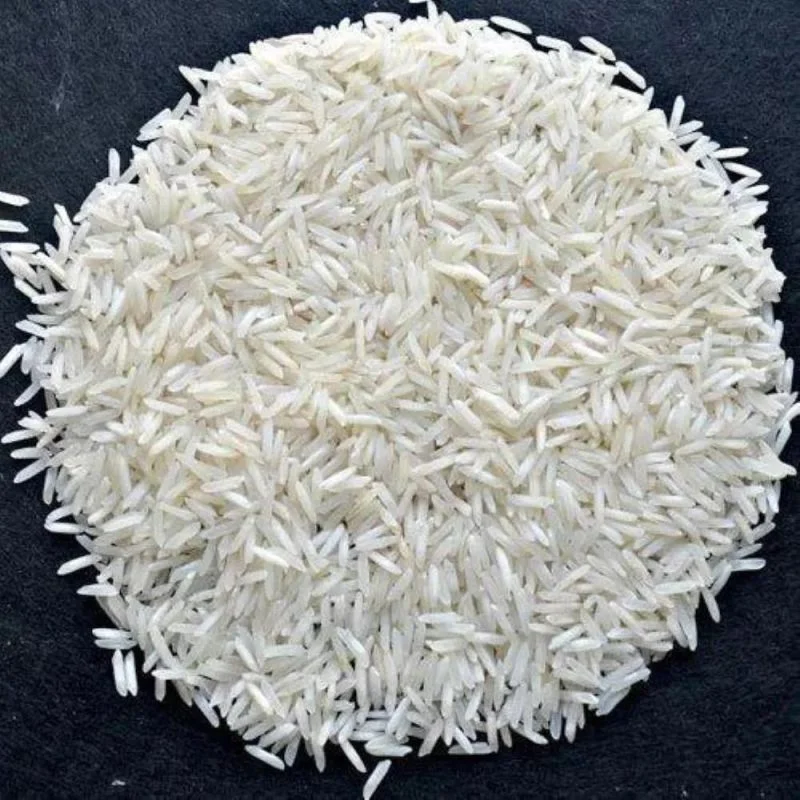
Jagat Agro Comm. Pvt. Ltd. operates from India and currently lists ten active products in its catalogue. The company classifies its offerings under Food Products, Processed Food and Food Raw Material, reflecting a focus on rice varieties that are commonly processed or sold as staple grains. The product list includes long grain milled rice and eight branded basmati lines such as Parboiled basmati, Jagat malai basmati and Jagat pearl parmal rice. Each entry is presented without additional specifications, allowing buyers to request detailed technical sheets directly from the supplier.
The catalogue concentrates on rice types that are widely traded in bulk and retail formats. All items fall within the broader HS chapter 10 family for cereals, although no specific HS codes are attached to the individual listings. The supplier’s portfolio therefore covers both ordinary long‑grain rice and premium basmati grades that are typically marketed in 25 kg or 50 kg polypropylene bags for domestic and export distribution.
Product Range and Specialties of Jagat Agro Comm. Pvt. Ltd.
The listed basmati varieties correspond to the traditional Indian long‑grain segment, where grain length usually ranges from 6.5 mm to 7.5 mm and moisture content is limited to 13‑14 % by weight. Premium basmati such as Jagat malai or Jagat khushbu often targets the ICUMSA 45‑50 colour standard and a broken grain rate below 5 %. Parboiled basmati is processed to increase hardness and reduce breakage, with a typical amylose content of 22‑24 % that supports a firm texture after cooking. Standard long grain milled rice is usually graded to 100 % whole grain with a bulk density of 0.75‑0.80 t/m³, and is packed in 25 kg or 50 kg bags for bulk handling.
Trade and Export Information - Jagat Agro Comm. Pvt. Ltd.
India is one of the world’s largest exporters of basmati and non‑basmati rice, supplying the Middle East, GCC states, Europe, Southeast Asia and North America. Export shipments are commonly loaded in 20‑foot or 40‑foot containers, each holding 20‑30 tons of rice depending on bag size and packing density. Buyers typically require compliance with food‑safety standards such as ISO 22000, FSSC 22000 or HACCP, and may request a Certificate of Origin to benefit from preferential duty rates under the India‑UAE or India‑EU trade agreements. Packaging standards include double‑lined polypropylene bags with moisture‑proof liners, and the goods are often shipped under CIF or FOB terms with pre‑shipped phytosanitary certificates as required by the destination country.
Sourcing from Jagat Agro Comm. Pvt. Ltd. - Buyer Guidance
When sourcing rice from Jagat Agro, buyers should request a recent laboratory analysis covering moisture, broken grain percentage, pesticide residue limits and microbial load. A product specification sheet that lists grain length, chalkiness, colour grade (e.g., ICUMSA) and packing details helps confirm suitability for the target market. It is advisable to obtain a copy of the supplier’s food‑safety certification (ISO 22000, HACCP, etc.) and a Certificate of Origin before finalising the order, and to arrange a sample shipment for organoleptic testing and cooking quality verification.
Frequently Asked Questions About Jagat Agro Comm. Pvt. Ltd.
What rice varieties are listed in Jagat Agro’s catalogue?
The catalogue includes long grain milled rice, parboiled basmati rice, milled basmati rice and several branded basmati lines such as Jagat malai, Jagat khushbu, Jagat manpasand, Jagat sadabahar, Jagat everyday, Jagat special sella and Jagat pearl parmal rice.
How many distinct products does Jagat Agro currently offer?
Jagat Agro Comm. Pvt. Ltd. lists ten distinct rice products in its active catalogue.
Which packaging formats are typical for the rice products offered?
Basmati and long grain rice from Indian exporters are usually packed in 25 kg or 50 kg polypropylene bags that meet moisture‑proof standards and are suitable for bulk container loading.
What quality parameters should a buyer verify for basmati rice?
Buyers normally check grain length (6.5‑7.5 mm), moisture content (≤14 %), broken grain ratio (≤5 %), colour grade (ICUMSA 45‑50) and pesticide residue limits as defined by the importing country’s regulations.
Which certifications are commonly required for Indian rice exports?
Importers often request ISO 22000, FSSC 22000 or HACCP certification, along with a phytosanitary certificate and a Certificate of Origin for duty‑benefit eligibility.
What documentation should be requested before placing an order?
Typical documents include a detailed product specification sheet, recent lab test report (moisture, broken grains, contaminants), food‑safety certification copies and the Certificate of Origin.
What are the usual shipping terms for rice shipments from India?
Exporters frequently use FOB or CIF incoterms, loading the rice into 20‑foot or 40‑foot containers with a total cargo weight of 20‑30 tons per container.
Are sample shipments possible for quality verification?
Yes, suppliers generally provide a small sample (e.g., 5 kg) for sensory and cooking tests before the buyer confirms the full order quantity.




 , India