HerbiHouze Agro LLP — Verified Wholesaler & Wholesale Supplier
About HerbiHouze Agro LLP - Spices Powder Supplier in India
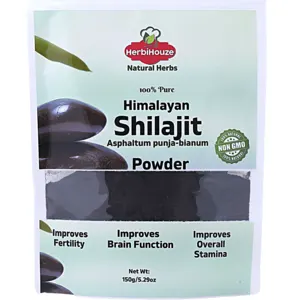
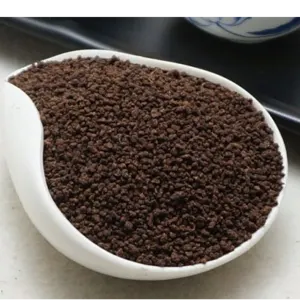
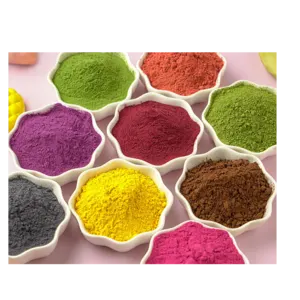
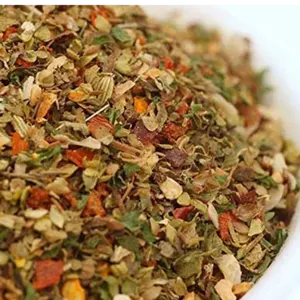
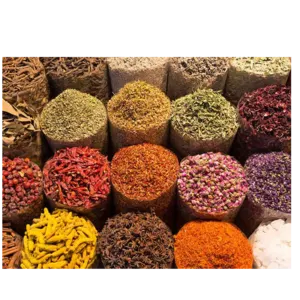
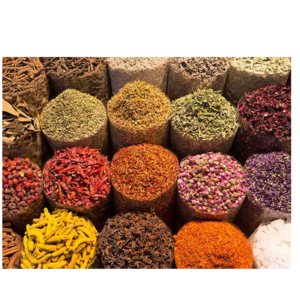
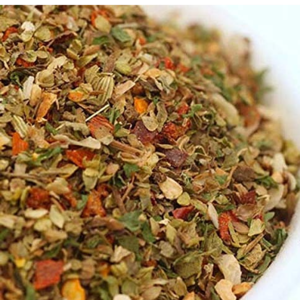
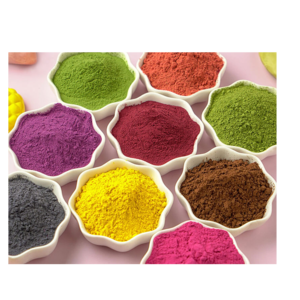
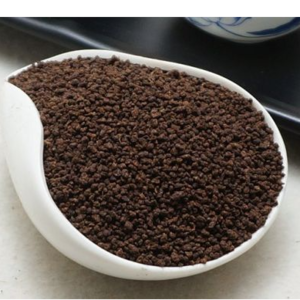
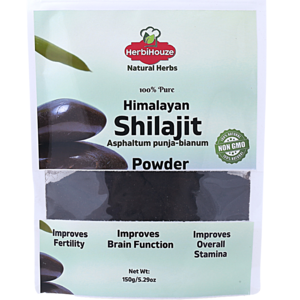
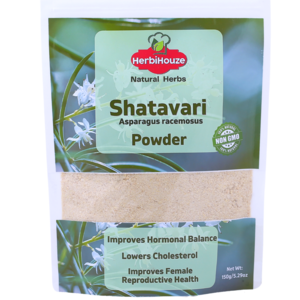
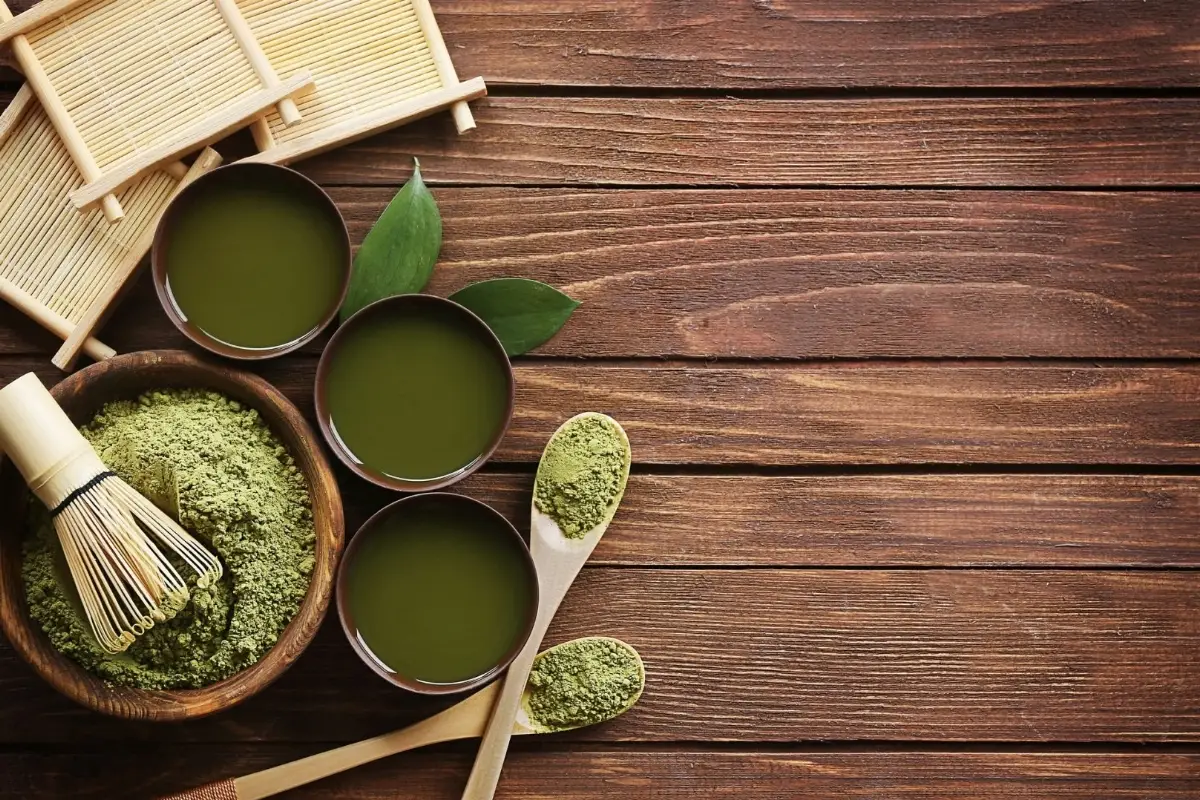
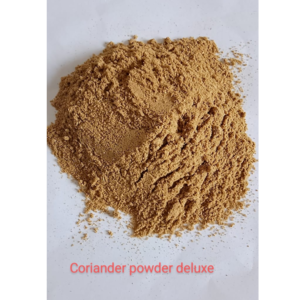
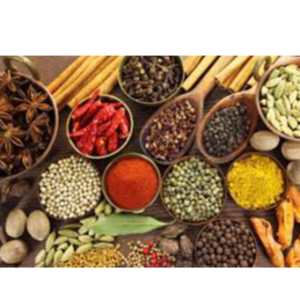
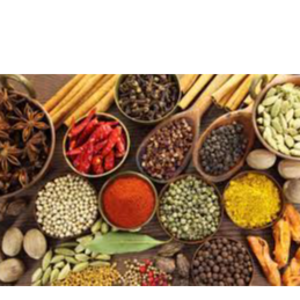
India, specifically Mumbai City in the state of Maharashtra, lists six active products under HerbiHouze Agro LLP. The catalogue includes pure spices (HS 0909.29) derived from cumin, coriander, fenugreek, fennel and mustard seeds, a spices mix and herbs blend (HS 0910.91) of cardamom and cinnamon, and a vegetable powder (HS 0910.91) containing dehydrated carrot, onion, garlic, tomato and celery. The supplier also offers tea (HS 0902.40) sourced from Camellia sinensis leaves, Shilajit mineral‑resin powder (HS 1301.90) and Shatavari root powder (HS 1211.90). All listed items fall within the top categories of Spices Powder, Other Spices Powder, Mineral Powder, Vegetable Powder, Organic Spices and Pepper Powder. The supplier is classified in the organic tier and operates under the voyage trust tier.
HerbiHouze Agro LLP’s product set spans multiple spice and herbal segments, including organic spices, mineral powders and blended vegetable powders. The active product count of six reflects a focused range that aligns with the HS code families 0909, 0910, 0902, 1301 and 1211. The catalogue specifies material composition for each line, such as a 100 % pure tea leaf and a fulvic‑acid rich Shilajit resin. The supplier’s location in Mumbai provides access to major Indian ports for bulk export. The listed categories are commonly traded by Indian exporters of herbs, spices and specialty powders.
Product Range and Specialties of HerbiHouze Agro LLP
Pure spice powders such as cumin or coriander are generally marketed as food‑grade with moisture limits below 12 % and essential‑oil content meeting USP or ISO 22000 specifications. The spices mix of cardamom and cinnamon typically adheres to a minimum essential‑oil yield of 5 % for cardamom and 2 % for cinnamon, and is packaged in 25 kg paper bags for bulk shipments. Vegetable powders derived from carrots, onions, garlic, tomato and celery are usually processed to a particle size of 150 - 250 µm and retain a moisture level under 8 % to ensure shelf stability. Tea leaves (HS 0902.40) are exported as whole leaf or broken leaf grades, with common certifications including ISO 9001 and organic verification where applicable. Shilajit and Shatavari powders are mineral‑rich botanicals where purity is expressed as fulvic‑acid content (typically >70 %) and microbial limits conform to WHO guidelines.
In the global spice trade, buyers often request certificates of analysis, microbiological test reports and compliance with the Codex Alimentarius standards for contaminants such as pesticide residues and aflatoxins. Standard packaging for bulk spices includes multi‑layer polyethylene bags, bulk containers (20 ft or 40 ft) and moisture‑proof liners, while tea is frequently shipped in jute or polypropylene sacks. Common certifications sought by importers are ISO 9001, FSSC 22000, HACCP and, for organic lines, USDA Organic or EU Organic logos. Typical quality grades for pepper powder, for instance, range from Grade A (size 5 mm, ash <2 %) to Grade B, and similar grading concepts apply to other spice powders.
Trade and Export Information - HerbiHouze Agro LLP
Indian exporters of spices, herbal blends and specialty powders primarily ship to the European Union, United States, Middle East and Southeast Asian markets, where demand for organic and high‑purity ingredients is strong. The HS code families represented in HerbiHouze Agro LLP’s catalogue - 0909 (spices), 0910 (herbs and spice mixtures), 0902 (tea), 1301 (mineral powders) and 1211 (vegetable preparations) - are subject to phytosanitary inspection and may require a certificate of origin, a fumigation certificate and a laboratory analysis report at the point of export. Importers commonly request ISO 9001 or FSSC 22000 certification, HACCP compliance and, for organic lines, verification by accredited bodies such as India Organic (NPOP) or international equivalents. Shipping is usually arranged in full‑container loads (FCL) with 20 ft containers holding approximately 800 kg of powdered spices or 1 ton of tea, under Incoterms FOB Mumbai or CIF Dubai, depending on buyer preference.
Packaging for bulk powder products often uses food‑grade polyethylene bags sealed with inner liners, stacked on wooden pallets that fit standard 8‑foot containers. For tea, jute sacks of 25 kg or bulk bags of 1 ton are standard, and for Shilajit and Shatavari powders, airtight multi‑layer bags are employed to preserve moisture‑sensitive compounds. Lead times from order confirmation to shipment for Indian spice exporters average 15 - 30 days, contingent on batch size, required certifications and seasonal harvest cycles. Buyers should verify that the supplier can provide a phytosanitary certificate and a detailed analysis report matching the specifications of each HS‑coded product.
Sourcing from HerbiHouze Agro LLP - Buyer Guidance
Prospective buyers should request a current certificate of analysis for each product, confirming moisture content, microbial limits (e.g., total plate count ≤10⁴ CFU/g) and compliance with pesticide residue limits set by the Codex Alimentarius. For organic spice lines, an up‑to‑date NPOP or equivalent organic certification should be obtained, along with a traceability record linking the raw material to certified farms. Verification of ISO 9001 or FSSC 22000 registration can further assure the supplier’s quality management system.
Before placing a full order, buyers typically ask for a sample of the specific grade, packaged in the same material intended for bulk shipment, to assess aroma, color and particle size. Minimum order quantities in the Indian spice sector range from 500 kg to 1 ton per SKU, with larger volumes benefiting from economies of scale in container loading. Confirming the supplier’s ability to provide the required phytosanitary certificate, origin declaration and any additional testing (e.g., heavy‑metal analysis for mineral powders) will reduce customs delays.
Frequently Asked Questions About HerbiHouze Agro LLP
What HS codes apply to the products offered by HerbiHouze Agro LLP?
The catalogue lists six products with the following HS codes: pure spices - 0909.29; spices mix and herbs - 0910.91; vegetable powder - 0910.91; tea - 0902.40; Shilajit powder - 1301.90; and Shatavari powder - 1211.90.
Which certifications should I request when importing the spice powders?
Importers typically ask for ISO 9001 or FSSC 22000 certification, HACCP compliance and, for organic lines, a current organic certificate such as NPOP or an equivalent international organic label. A phytosanitary certificate and a certificate of analysis are also standard requirements.
What are the typical packaging formats for the vegetable powder and tea?
Vegetable powder is usually packed in food‑grade polyethylene bags (often 25 kg) placed on wooden pallets for container loading. Tea is commonly shipped in 25 kg jute sacks or bulk polypropylene bags, both of which fit standard 20 ft and 40 ft containers.
What is the minimum order quantity and typical lead time for these products?
Minimum order quantities generally range from 500 kg to 1 ton per SKU. Lead time from order confirmation to shipment is typically 15 - 30 days, depending on product batch size and required certifications.
Can I receive a sample before placing a bulk order?
Yes, the supplier can provide a sample of the selected grade packaged in the same material as the bulk product. Samples allow verification of aroma, colour, particle size and compliance with the requested specifications.
Which markets commonly import Indian spice and herbal products?
Key import markets include the European Union, United States, United Arab Emirates and other Middle Eastern countries, as well as Southeast Asian nations such as Singapore and Malaysia, where demand for organic and high‑purity spices is strong.
What quality parameters are commonly tested for the pure spice seeds?
Typical tests cover moisture content (usually <12 %), ash content, essential‑oil percentage, microbial limits (total plate count and yeasts/molds) and pesticide residues in line with Codex Alimentarius limits. A certificate of analysis should detail these parameters for each shipment.




 Mumbai City, India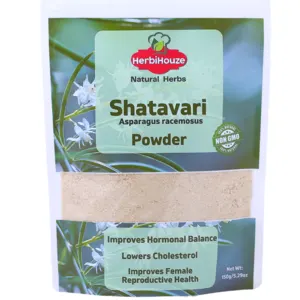



.jpg.png)