Guru Nanak Enterprises — Verified Supplier
About Guru Nanak Enterprises - Agro Products Supplier in India
Based in Amritsar, Punjab, India, Guru Nanak Enterprises lists five active products across its catalogue. The company’s offerings include organic jaggery powder (HS 1701.90), handmade brass utensils (HS 7418.10), organic Rajmah beans from Kashmir (HS 0713.33), organic basmati‑type rice sourced from Himachal Pradesh (HS 1006.30), and dried sea buckthorn berry products (HS 0813.40). Each entry specifies the material composition, such as 100 % organic sugarcane for jaggery and a brass alloy containing 58‑72 % copper and 28‑42 % zinc. The catalogue reflects a focus on food‑grade agro commodities and metal hardware. The supplier’s tier is listed as “organic” and its trust tier as “voyage”, indicating a positioning toward organic‑certified markets.
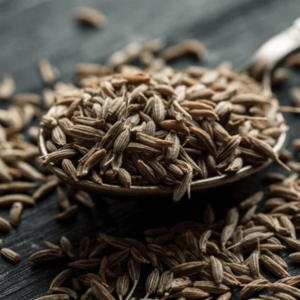
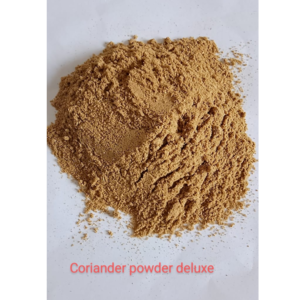
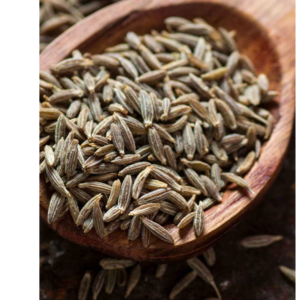
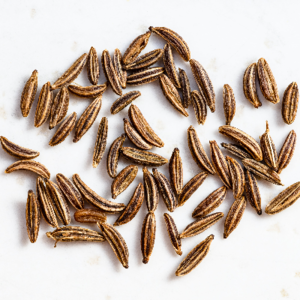
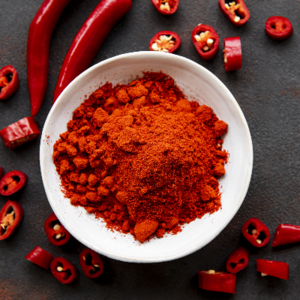
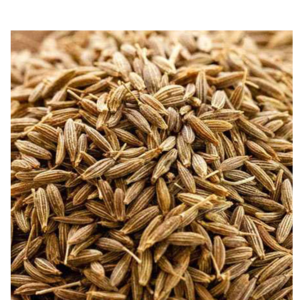
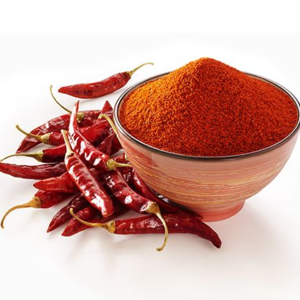
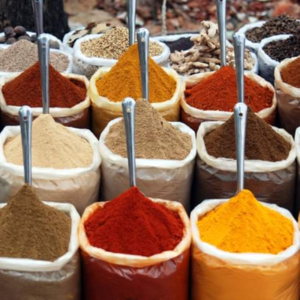
The agro line comprises spice‑related powders (cumin, turmeric, fruit, tea) and protein‑rich legumes, while the hardware line covers brass glass plates, bowls, and pressure cookers. The product set spans both consumable and durable goods, allowing buyers to source daily necessities from a single Indian dealer. The company emphasizes organic sourcing for its edible items, and handcrafted manufacturing for its brass range. The active product count of five aligns with the listed categories in the catalogue.
Product Range and Specialties of Guru Nanak Enterprises
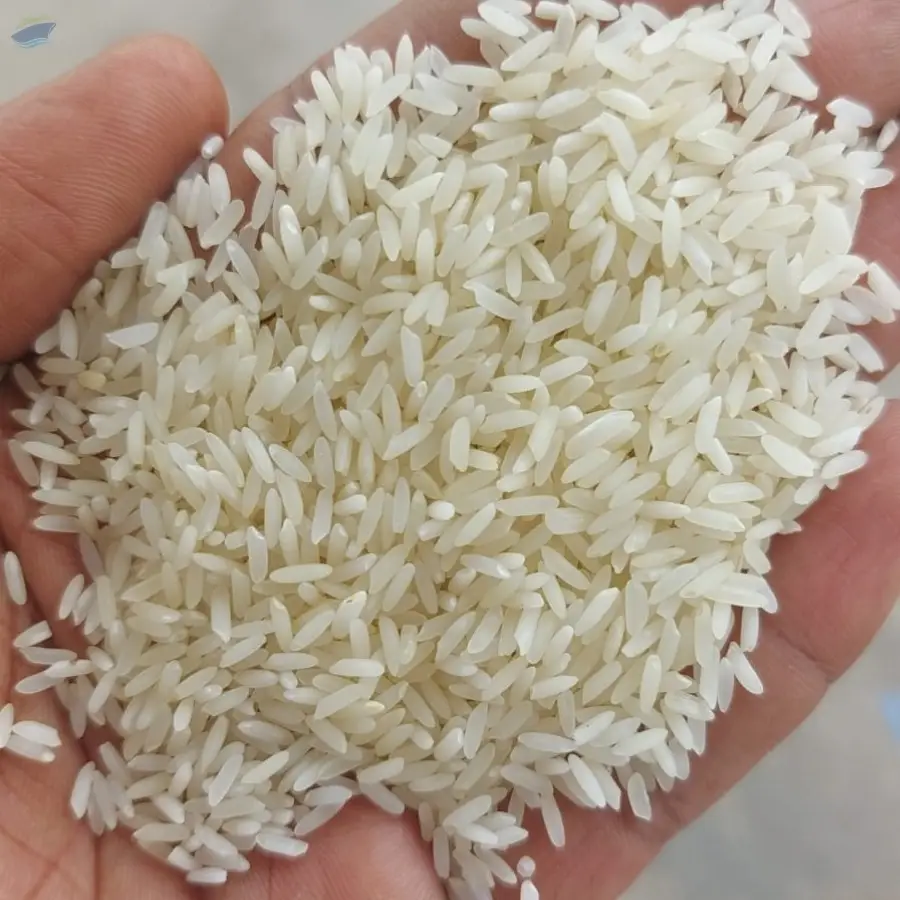
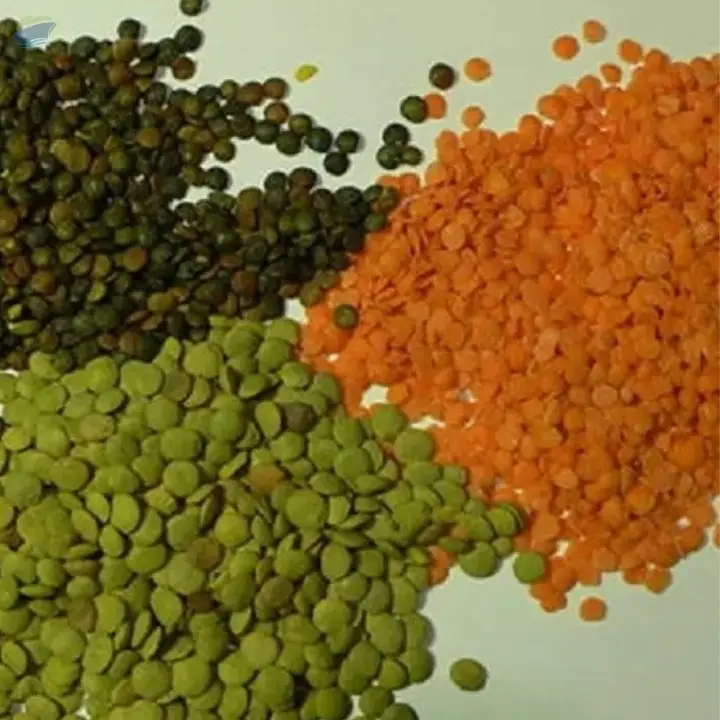
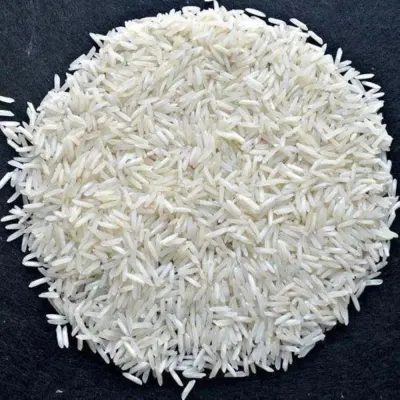
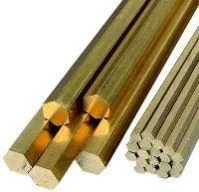
Guru Nanak Enterprises’ catalogue features five distinct items: organic jaggery powder, handmade brass utensils, organic Rajmah kidney beans, organic basmati‑type rice, and dried sea buckthorn berries. In the Indian agro market, jaggery powder is often graded by moisture (≤12 %) and color, with ICUMSA‑type clarity used for refined sugar analogues. Rajmah beans are typically sold with a size range of 6‑8 mm, moisture below 12 %, and free of aflatoxins. Basmati‑type rice from Himachal Pradesh is classified as Grade 1, with kernel length ≥7.5 mm, moisture 12‑14 %, and a husk‑to‑kernel ratio meeting export standards. Sea buckthorn dried fruit is usually marketed with a dry matter content of 12‑15 % and oil extraction potential of 5‑10 %. Handmade brass utensils are fabricated from a copper‑zinc alloy (58‑72 % Cu, 28‑42 % Zn) and commonly conform to ASTM B16 specifications for lead‑free brass, with hardness between 150‑180 HB.
Trade and Export Information - Guru Nanak Enterprises
India is a major exporter of organic agro‑products, with the Middle East, East Africa, the European Union, and the United States representing the largest import markets for items such as jaggery, legumes, and specialty rice. HS 1701.90 (jaggery) and HS 1006.30 (basmati rice) routinely require a phytosanitary certificate, an organic certification recognized by the importing country (e.g., NOP for the US, EU organic logo for Europe), and compliance with FSSAI food‑safety standards. Brass hardware under HS 7418.10 is often shipped to GCC states and EU retailers, where conformity to REACH and lead‑content limits (≤0.1 % Pb) is routinely inspected. Typical logistics involve 20‑ft or 40‑ft containers packed with polypropylene bags for grains and jaggery, wooden crates for brass items, and CIF or FOB Incoterms. Exporters from Punjab frequently work with Indian customs to secure the required export clearance and inspection reports.
Sourcing from Guru Nanak Enterprises - Buyer Guidance
When sourcing from Guru Nanak Enterprises, buyers should request the current organic certification (e.g., India Organic - NPOP) and a recent FSSAI license for each edible product. Laboratory reports confirming moisture content, pesticide residues, and aflatoxin levels are standard for jaggery, Rajmah, and rice, while a metal analysis report (lead, cadmium) is advisable for brass utensils. Verify the HS codes listed in the catalogue against the purchase order and ask for a sample batch - 5 kg of jaggery powder, 10 kg of rice, or one unit of brass hardware - to assess quality before full‑scale ordering. Typical minimum order quantities are 200 kg for jaggery, 500 kg for rice, 50 kg for Rajmah, and 100 units for brass items, with lead times of 30‑45 days after order confirmation.
Frequently Asked Questions About Guru Nanak Enterprises
What organic certifications does Guru Nanak Enterprises provide for its food products?
The supplier can supply a copy of its India Organic (NPOP) certification and the latest FSSAI license for each edible item. Buyers should also ask for any third‑party organic audit reports that cover the harvest year of the product.
Which HS codes correspond to the products listed in the catalogue?
Jaggery powder is classified under HS 1701.90, handmade brass utensils under HS 7418.10, Rajmah of Kashmir under HS 0713.33, basmati‑type rice under HS 1006.30, and dried sea buckthorn berries under HS 0813.40. These codes are used for customs declaration and duty assessment.
What typical quality specifications should I verify for the basmati‑type rice?
Buyers normally check kernel length (≥7.5 mm), moisture content (12‑14 %), and absence of broken grains above 5 % of the lot. An export‑grade certificate confirming these parameters is standard practice.
Are there standard test reports required for the brass utensils?
A material test report showing copper and zinc percentages, lead content below 0.1 %, and hardness in the 150‑180 HB range is customary. Compliance with ASTM B16 or equivalent REACH standards is also frequently requested.
What packaging formats are used for the jaggery powder and Rajmah beans?
Jaggery powder is typically packed in food‑grade polypropylene bags of 25 kg, sealed with moisture‑proof liners. Rajmah beans are usually shipped in 20 kg woven polypropylene sacks, each bearing a batch‑level phytosanitary certificate.
What are the usual minimum order quantities and lead times for these products?
Typical MOQs are 200 kg for jaggery powder, 500 kg for basmati rice, 50 kg for Rajmah beans, and 100 units for brass utensils. Lead time after order confirmation ranges from 30 to 45 days, depending on product and required certifications.
Which markets commonly import the types of products offered by Guru Nanak Enterprises?
Middle‑Eastern countries, East African nations, European Union members, and North‑American processors are the primary import markets for Indian organic jaggery, specialty rice, and legumes. Brass hardware finds sizable demand in GCC states and select European retailers.
What Incoterms are typically used for shipments from India?
Export shipments are commonly quoted on FOB Amritsar or CIF destination ports, with the buyer responsible for freight and insurance beyond the named port of discharge. Container sizes are usually 20‑ft for smaller lots and 40‑ft for full‑scale orders.




 Amritsar, India





.jpg.png)