Gloreach EXPORTS — Verified Supplier
About Gloreach EXPORTS - Agricultural Products Supplier in India
Gloreach EXPORTS is based in Surat, Gujarat, India, and currently lists ten active agricultural products. The catalogue includes pulses such as Kabuli Chickpeas, Masoor Dal and Chana Dal, as well as rice, vegetables, spices, ginger, turmeric sticks, ground nuts, and green chillies. Each product is identified with its corresponding HS code, for example pulses fall under HS 0713, rice under 1004, vegetables under 0712, spices under 0910, and ginger under 0910.11. The supplier is classified in the organic tier of the platform, indicating that at least some of the items may be produced under organic standards. The product list reflects a mix of raw commodities and minimally processed goods suitable for bulk trade.
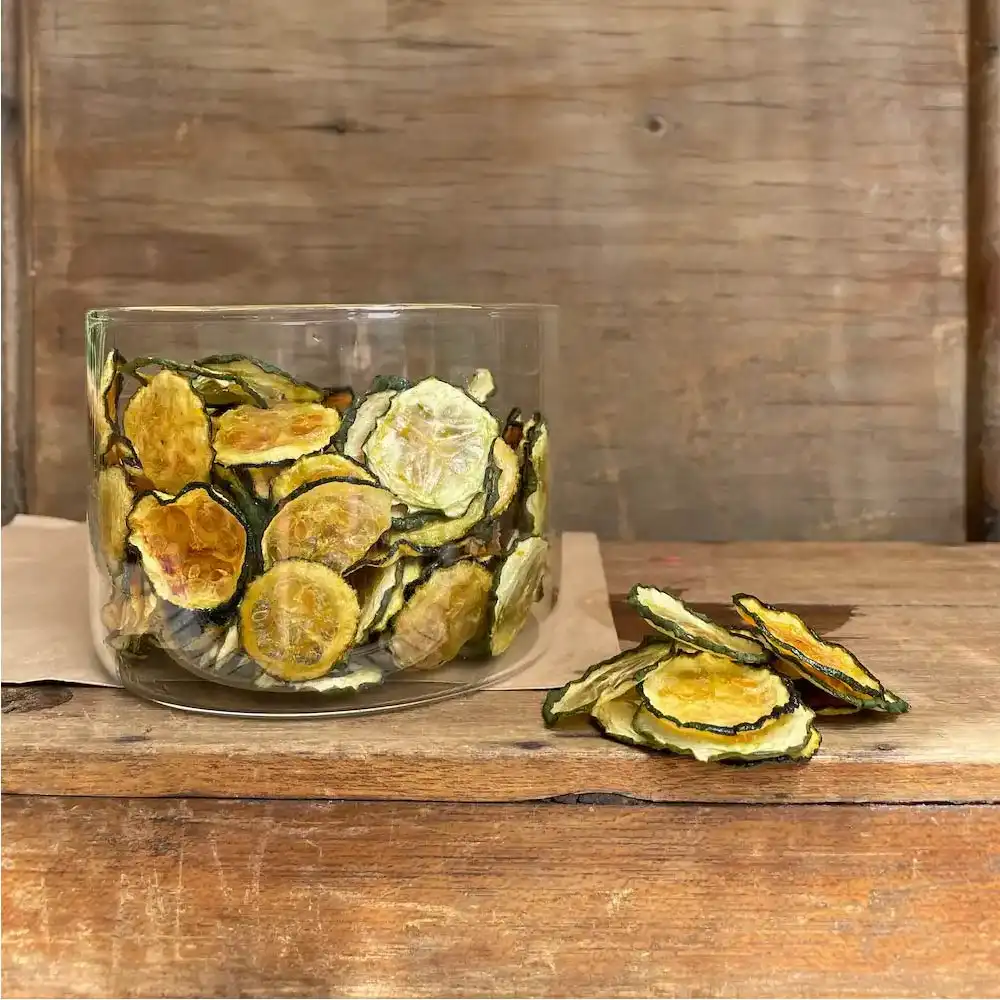
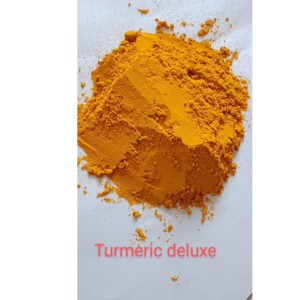
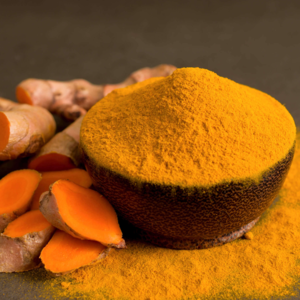
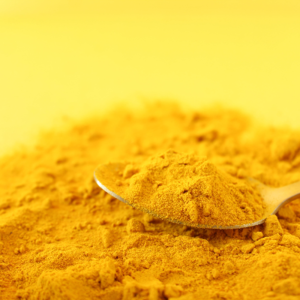
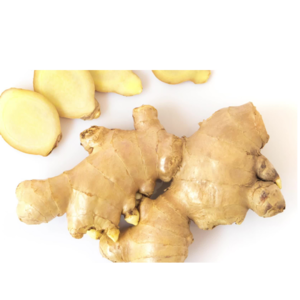
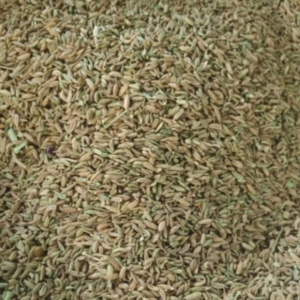
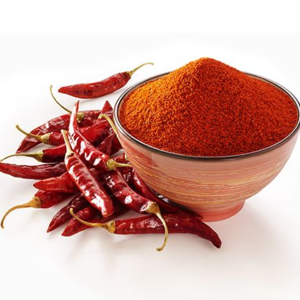
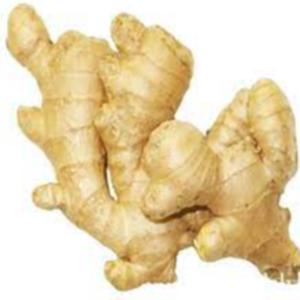
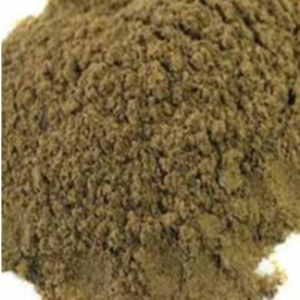
The detailed catalogue assigns specific HS codes: Kabuli Chickpeas (0713.20), Masoor Dal (0713.40), Chana Dal (0713.20), Broken Rice (1004.10), Mixed Vegetables (0712.90), Turmeric sticks (0910.30), a blend of cumin, coriander and fennel (0910.99), Fresh Raw Ginger (0910.11), Shelled Ground Nuts (1202.42) and Fresh Green Chillies (0709.60). Materials are described by botanical name, for instance Zingiber officinale for ginger and Curcuma longa for turmeric. The inclusion of both whole and processed forms, such as ground spices and split pulses, shows coverage of different value‑added stages. All items are listed as bulk commodities, which typically ship in 20‑ or 40‑foot containers. The HS‑code families align with standard international tariff classifications used for agricultural imports.
Product Range and Specialties of Gloreach EXPORTS
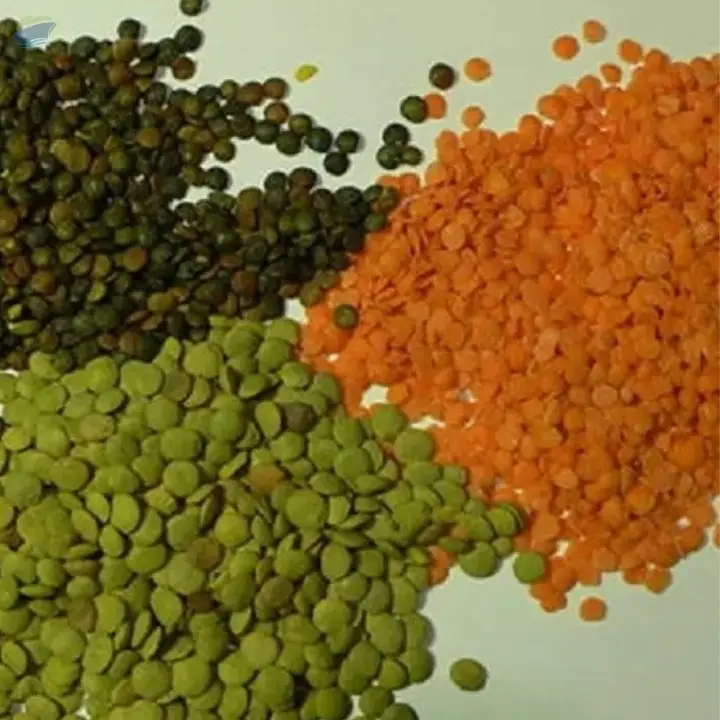
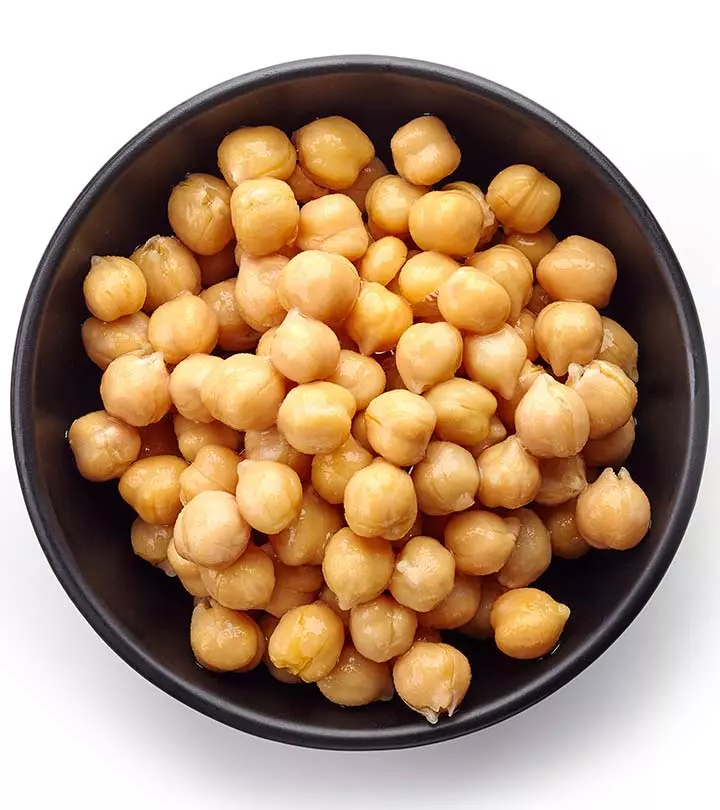
Indian pulses are commonly graded by size, moisture content and impurity level. For Kabuli Chickpeas buyers usually expect a kernel length of 18‑22 mm, moisture below 12 % and broken grain under 3 %, while Masoor Dal (red split lentils) is typically supplied as Grade A with 8‑10 % moisture and less than 2 % foreign matter. Chana Dal (desi split chickpeas) follows similar specifications, with a preferred size of 8‑10 mm and moisture not exceeding 11 %.
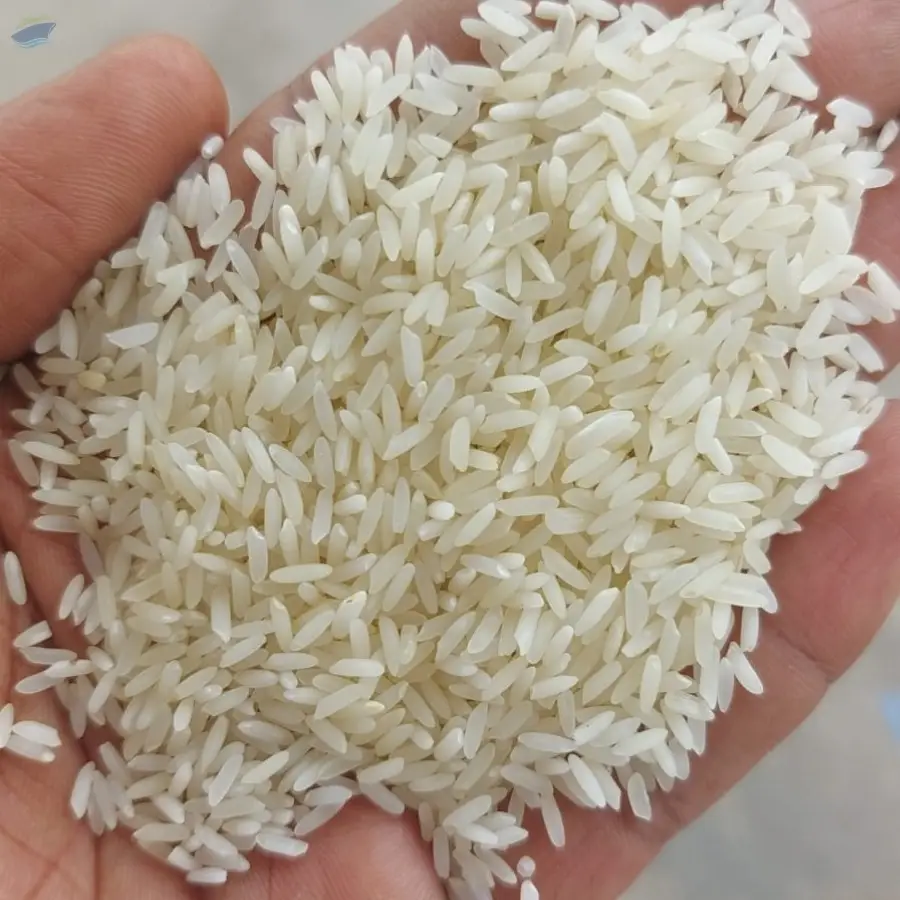
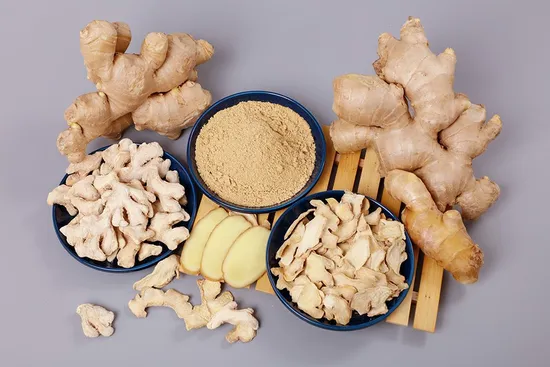
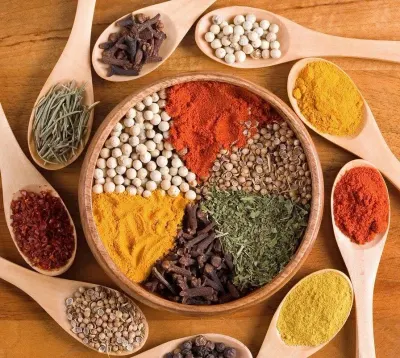
Sella Basmati‑type rice, represented here as broken kernels, is generally classified under HS 1004.10 and shipped in 50 kg jute bags with a moisture range of 12‑14 %. Ground nuts are evaluated for aflatoxin limits (≤10 µg kg⁻¹ for many markets) and oil content around 45‑50 %. Fresh ginger and turmeric sticks are graded by length (ginger 6‑8 cm) and pungency, with moisture below 12 %. Mixed vegetables are usually packed in ventilated cartons with a total weight of 20‑25 kg per box. Spices such as cumin, coriander and fennel are sold as whole seeds with a moisture content under 10 % and a standard purity of 98 % or higher.
Trade and Export Information - Gloreach EXPORTS
India ranks among the top global exporters of pulses, rice, spices, ginger and ground nuts, supplying markets in the Middle East, Europe, North America and Southeast Asia. HS‑code families 0713 (pulses), 1004 (rice), 0910 (spices and ginger) and 1202 (ground nuts) are routinely inspected under the WTO‑sanctioned SPS (Sanitary and Phytosanitary) framework, requiring phytosanitary certificates and, where applicable, organic certification for organically‑labelled consignments.
Typical import requirements include ISO 22000 or FSSC 22000 food safety management certification, HACCP compliance and, for organic products, certification such as EU organic or USDA NOP. Bulk shipments are normally loaded in 20‑ft or 40‑ft containers, with pulses and rice packed in 50 kg polypropylene bags or 1‑ton bulk bags, while spices and nuts may be placed in food‑grade inner liners. Incoterms most often used are FOB Surat or CIF Dubai, reflecting the main maritime routes from the Gujarat coast.
Sourcing from Gloreach EXPORTS - Buyer Guidance
Prospective buyers should request a recent phytosanitary certificate, a laboratory analysis report covering moisture, pesticide residues and, for ground nuts, aflatoxin levels. For any organic‑labelled items, a copy of the organic certification (e.g., EU organic, NOP) and the corresponding conversion certificate should be verified. Sample shipments of 5‑10 kg per product are common practice to confirm size, colour and impurity criteria before placing a bulk order.
Standard minimum order quantities for Indian bulk agricultural commodities range from 500 kg to 2 tonnes depending on the product, with lead times of 15‑30 days after order confirmation and receipt of payment. Buyers are advised to confirm packaging details (e.g., 50 kg jute bags for pulses, 20 kg cartons for spices) and to ensure that the shipment will be accompanied by the required HS code declaration, commercial invoice and, where required, a certificate of origin.
Frequently Asked Questions About Gloreach EXPORTS
What HS codes correspond to the products listed by Gloreach EXPORTS?
The catalogue assigns the following HS codes: Kabuli Chickpeas 0713.20, Masoor Dal 0713.40, Chana Dal 0713.20, Broken Rice 1004.10, Mixed Vegetables 0712.90, Turmeric sticks 0910.30, Cumin‑Coriander‑Fennel blend 0910.99, Fresh Raw Ginger 0910.11, Shelled Ground Nuts 1202.42, Fresh Green Chillies 0709.60.
Which quality parameters are typically checked for Indian pulses?
Buyers usually verify kernel size (e.g., 18‑22 mm for Kabuli Chickpeas), moisture content below 12 %, broken grain rate under 3 %, impurity level under 2 % and compliance with pesticide residue limits set by the importing country.
What certifications are commonly required for importing spices and ground nuts from India?
Importers often require ISO 22000 or FSSC 22000 food safety certification, HACCP compliance, and for ground nuts a test for aflatoxin not exceeding 10 µg kg⁻¹. Organic shipments should be accompanied by a recognized organic certification such as EU organic or USDA NOP.
How are the rice and vegetable products typically packaged for export?
Broken rice is generally packed in 50 kg polypropylene bags or 1‑ton bulk bags, while mixed vegetables are shipped in ventilated cartons of 20‑25 kg each, both sealed to protect against moisture and contamination.
What documents should a buyer request before confirming a purchase?
Essential documents include a phytosanitary certificate, a laboratory analysis report (moisture, pesticide residues, aflatoxin where applicable), the commercial invoice with correct HS code, a certificate of origin, and, if relevant, the organic certification and conversion certificate.
What are the typical minimum order quantities and lead times for these commodities?
Minimum order quantities usually start at 500 kg for pulses, rice and spices and at 1 tonne for ground nuts and vegetables. Lead times are typically 15‑30 days after order confirmation and receipt of payment, depending on product availability and shipping schedule.
Which regions are the main importers of the product categories offered by Gloreach EXPORTS?
The main destination markets for Indian pulses, rice, spices, ginger and ground nuts are the Middle East (e.g., UAE, Saudi Arabia), European Union countries, the United States and Canada, and increasingly Southeast Asian nations such as Malaysia and Singapore.





 Surat, India







.jpg.png)