Fupont Machinery Co., Ltd. — Verified Supplier
About Fupont Machinery Co., Ltd. - Tools & Instruments Supplier in China
Fupont Machinery Co., Ltd. is based in China and currently lists six active products across its catalogue. The company’s top categories are Tools & Instruments, Paper Machinery, and Printing Machinery Spare Parts, indicating a focus on industrial cutting components and machinery accessories. Each product is identified by its functional name without accompanying HS codes in the supplied data. The catalogue includes items such as a slotting blade, a cutting tool for bag‑making machines, a circular paper slitter, press brake dies, a shearing blade, and carbide staple‑fiber blades. These items collectively serve manufacturers of paper processing equipment and metal‑forming operations.
The six products cover both standard tooling and specialized spare parts used in high‑volume production lines. The slotting and shearing blades are typical of precision metal‑working tools, while the circular paper slitter belongs to paper‑handling machinery. Press brake dies and the cutting tool for T‑shirt bag making machines address niche applications in sheet‑metal forming and polymer bag production. The inclusion of carbide staple‑fiber blades suggests a focus on wear‑resistant cutting solutions. No additional product specifications, certifications, or HS codes are provided in the source data.
Product Range and Specialties of Fupont Machinery Co., Ltd.
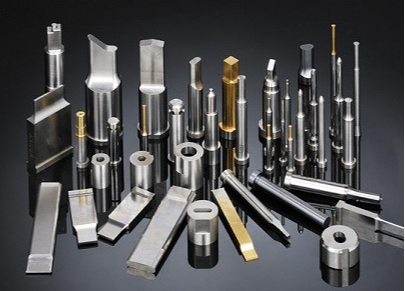
The catalogue lists an Upper slotting blade, a Cutting Tool for T‑shirt Bag Making Machine, a Circular paper slitter, Press Brake Dies, a Shearing blade, and Staple Fiber blades made of carbide. In the broader tools and instruments market, slotting blades are often manufactured from high‑speed steel (HSS) or carbide with hardness levels between 58‑62 HRC, and tolerances within ±0.02 mm. Cutting tools for bag‑making machines typically require a sharp edge geometry and may be supplied in lengths of 150 mm to 300 mm depending on the machine width. Circular paper slitters are classified under paper‑handling machinery and usually feature stainless‑steel rollers with a cutting width of 500 mm to 1 m, designed for continuous feed rates up to 30 m/min.
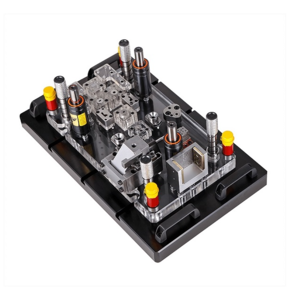
Press brake dies are custom‑shaped steel tools that conform to standard DIN 248 or ANSI B 11.1 specifications, with die opening ranges from 300 mm to 1 200 mm. Shearing blades are generally forged from tool steel (e.g., SKD11) and may be supplied with a clearance angle of 1‑2 degrees. Carbide staple‑fiber blades are produced from tungsten carbide particles bonded with cobalt, offering wear resistance suitable for high‑speed cutting of fibrous materials. Buyers typically request material test certificates, dimensional drawings, and hardness reports for these categories.
Trade and Export Information - Fupont Machinery Co., Ltd.
Exporters of tooling and paper‑machinery components from China commonly ship to North America, the European Union, and Southeast Asian markets, where manufacturers seek cost‑effective yet reliable equipment. The HS code family for cutting tools such as slotting and shearing blades is 8207, while paper‑handling machinery like circular slitters falls under 8422, and printing‑machinery spare parts are classified under 8479. International buyers frequently require ISO 9001 quality‑management certification, CE marking for EU entry, and UL listing for the United States, although these certifications must be confirmed with the supplier.
Typical logistics involve loading the metal tools and machinery parts into 20‑foot or 40‑foot containers, using wooden crates or Euro‑pallets with protective padding to prevent deformation. Common Incoterms include FOB Shanghai or CIF destination port, allowing the buyer to arrange inland transport. Chinese exporters often provide pre‑shipment inspection reports (e.g., SGS or Bureau Veritas) to satisfy import compliance, especially for high‑value tooling that may be subject to anti‑dumping duties.
Sourcing from Fupont Machinery Co., Ltd. - Buyer Guidance
When sourcing the listed blades and machinery parts, buyers should request a material certification that specifies the steel grade or carbide composition, along with a hardness test (Rockwell or Vickers) and dimensional tolerance report. For the circular paper slitter, a performance test showing maximum feed speed, cutting accuracy, and blade wear life is advisable before finalizing the order.
It is prudent to ask for a sample or prototype, especially for custom press brake dies, to verify fit and finish against the buyer’s equipment. Confirm that the supplier can provide ISO 9001 certification or any applicable CE/UL documentation, and clarify the packaging format - whether the items will be shipped in individual boxes, wooden crates, or bulk pallets. Verify the lead time, which for standard blades is typically 15‑30 days, while custom dies may require 45‑60 days depending on design complexity.
Frequently Asked Questions About Fupont Machinery Co., Ltd.
What product categories does Fupont Machinery Co., Ltd. list in its catalogue?
The catalogue includes six items: Upper slotting blade, Cutting Tool for T‑shirt bag making machine, Circular paper slitter, Press brake dies, Shearing blade, and Staple fiber blades made of carbide.
Which HS code families are relevant to these products?
Typical HS codes are 8207 for cutting tools and blades, 8422 for paper‑handling machinery such as the circular slitter, and 8479 for printing‑machinery spare parts like the press brake dies.
What material specifications should a buyer verify for the blades?
Buyers should confirm the steel grade (e.g., HSS or tool steel) or carbide composition, hardness values (usually 58‑62 HRC for HSS, 85‑90 HRc for carbide), and dimensional tolerances within ±0.02 mm.
Are any certifications commonly required for these types of tools?
While the supplier’s certifications are not listed, buyers typically request ISO 9001 for quality management, and CE or UL certification when importing into the EU or the United States.
What is a typical packaging method for the listed items?
Metal blades and spare parts are usually packed in wooden crates or on Euro‑pallets with protective padding, and loaded into 20‑ft or 40‑ft containers for ocean freight.
What lead times can a buyer expect for standard vs. custom items?
Standard blades are often produced within 15‑30 days, whereas custom press‑brake dies or specialized cutting tools may require 45‑60 days depending on design approval.
Which markets commonly import these Chinese tooling products?
Major importers include the United States, Germany, the United Kingdom, Japan, and South Korea, where manufacturers in metal‑working, paper processing, and printing sectors source such components.
What documentation should be requested before placing an order?
Buyers should ask for a material test certificate, hardness report, dimensional drawing, and any applicable third‑party inspection report such as SGS or Bureau Veritas.




 , China