Ivory Nor Recycling — Verified Trader & Wholesale Supplier
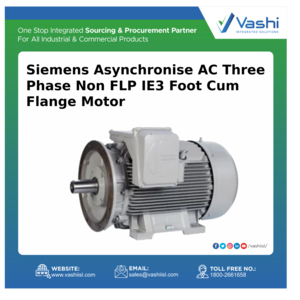
About Ivory Nor Recycling - Used Machineries & Equipments Supplier in Norway
Ivory Nor Recycling, based in Oslo, Norway, offers a diverse range of scrap materials, with 10 active products. Their catalogue includes Used Machineries & Equipments, Ship and Marine Scrap, Mining Machinery, Equipments & Spare Parts, Plastic Items, Photo Film Roll, Used Construction Equipment & Machinery, Automobile Spare Parts & Supplies, and Recycled Paper. The company specializes in exporting these materials throughout the United States.
The products listed by Ivory Nor Recycling include LDPE Film Scrap, PET Bottle Bale, HDPE Milk Bottle Scrap, HDPE Blue Drum Scrap, Polyurethane Foam Scrap, Waste Paper Scrap, PP Film Scrap, Electric Motor Scrap, BOPP Film Bale, and ABS Computer Scrap. These products fall under various HS code categories, including 3915.10 for LDPE, PET, HDPE, and PP Film Scraps, 3909.40 for Polyurethane Foam Scrap, 4707.10 for Waste Paper Scrap, 7404.00 for Electric Motor Scrap, and 3920.20 for BOPP Film Bale.
Product Range and Specialties of Ivory Nor Recycling
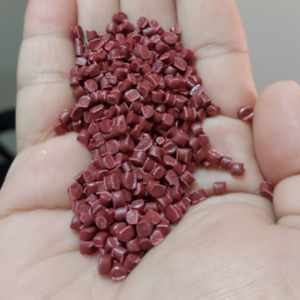
Ivory Nor Recycling's product range encompasses various types of scrap materials. For instance, their plastic scraps, such as LDPE, PET, and HDPE, are typically graded based on their purity, moisture content, and contamination levels. Buyers usually require these scraps to meet specific standards, such as a minimum purity of 95% and a maximum moisture content of 2%. The company's Waste Paper Scrap, categorized under HS code 4707.10, is often required to meet OCC 11 or OCC 12 standards, with a minimum purity of 90% and a maximum moisture content of 1.5%.
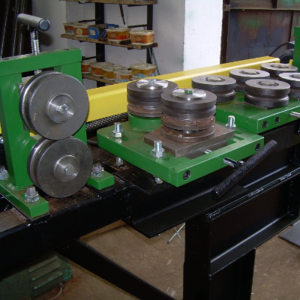
The company's Used Machineries & Equipments, Ship and Marine Scrap, Mining Machinery, Equipments & Spare Parts, and Used Construction Equipment & Machinery are typically required to meet specific industry standards, such as those set by the International Organization for Standardization (ISO) or the American Society for Testing and Materials (ASTM). Buyers should request documentation, such as test reports and certification, to ensure compliance with these standards.
Trade and Export Information - Ivory Nor Recycling
Exporters of scrap materials, like Ivory Nor Recycling, typically require buyers to comply with regulations and standards set by the origin country, Norway, and the importing country. For instance, the export of waste paper scrap from Norway may be subject to the EU's Waste Shipment Regulation. Buyers should be aware of the relevant HS code families, such as 3915 for plastic scraps and 4707 for waste paper scraps, and ensure that the supplier provides the necessary documentation, such as a commercial invoice and a certificate of origin.
The logistics of exporting scrap materials from Norway often involve sea transportation, with goods typically shipped in 20 or 40 ft containers. Buyers should confirm the Incoterms, such as CIF or FOB, and ensure that the supplier complies with relevant packaging and labeling regulations. The target markets for these goods often include regions with significant manufacturing industries, such as Asia and North America.
Sourcing from Ivory Nor Recycling - Buyer Guidance
When sourcing from Ivory Nor Recycling, buyers should request samples and test reports to verify the quality of the scrap materials. It is essential to confirm the specifications, such as purity, moisture content, and contamination levels, and ensure that the supplier provides the necessary documentation, such as certification and test reports. Buyers should also verify the supplier's compliance with relevant regulations and standards, such as those set by the ISO or ASTM.
Buyers should be aware of the typical quality parameters for each product category, such as the minimum purity requirements for plastic scraps or the maximum moisture content for waste paper scraps. They should also request information on the supplier's quality control processes and verify the authenticity of the documentation provided.
Frequently Asked Questions About Ivory Nor Recycling
What types of scrap materials does Ivory Nor Recycling offer?
Ivory Nor Recycling offers a diverse range of scrap materials, including Used Machineries & Equipments, Ship and Marine Scrap, Mining Machinery, Equipments & Spare Parts, Plastic Items, Photo Film Roll, Used Construction Equipment & Machinery, Automobile Spare Parts & Supplies, and Recycled Paper.
What are the typical quality requirements for plastic scraps?
Buyers typically require plastic scraps to meet specific standards, such as a minimum purity of 95% and a maximum moisture content of 2%. The supplier should provide documentation, such as test reports and certification, to ensure compliance with these standards.
How are scrap materials typically shipped from Norway?
Scrap materials are often shipped in 20 or 40 ft containers, with the Incoterms typically being CIF or FOB. Buyers should confirm the logistics and ensure that the supplier complies with relevant packaging and labeling regulations.
What documentation should buyers request from Ivory Nor Recycling?
Buyers should request documentation, such as commercial invoices, certificates of origin, and test reports, to verify the quality and authenticity of the scrap materials.
What are the target markets for Ivory Nor Recycling's scrap materials?
The target markets for these goods often include regions with significant manufacturing industries, such as Asia and North America.
How can buyers verify the quality of the scrap materials?
Buyers should request samples and test reports to verify the quality of the scrap materials. They should also confirm the specifications, such as purity, moisture content, and contamination levels, and ensure that the supplier provides the necessary documentation.
What are the typical quality parameters for waste paper scraps?
Buyers typically require waste paper scraps to meet specific standards, such as OCC 11 or OCC 12, with a minimum purity of 90% and a maximum moisture content of 1.5%. The supplier should provide documentation, such as test reports and certification, to ensure compliance with these standards.
How can buyers ensure compliance with relevant regulations and standards?
Buyers should verify the supplier's compliance with relevant regulations and standards, such as those set by the ISO or ASTM, and request documentation, such as certification and test reports, to ensure compliance.




 , Norway