Ivory Ania recycling — Verified Trader & Wholesale Supplier
About Ivory Ania recycling - Metal Scraps Supplier in Lithuania
Lithuania, specifically the Vilniaus m. sav. region, hosts Ivory Ania recycling, which currently lists ten distinct product entries in its catalogue. The supplier’s portfolio covers a range of recyclable plastics, metal and paper waste, reflected in categories such as LDPE film scrap, PET bottle scrap, HDPE drum and bottle scrap, polyurethane foam, BOPP film, PET film, electric motor scrap, waste paper and ABS resin scrap. Each product line is associated with a customs tariff code, for example LDPE and HDPE film items fall under HS 3915.10, PET bottle and ABS under HS 3915.90, and electric motor scrap under HS 7204.29. The catalogue also groups waste paper under HS 4707.30 and BOPP film under HS 3920.20. This structure shows the supplier’s focus on bulk recyclable streams rather than finished goods.
The listed items are described with material identifiers such as “ldpe”, “pet bottle”, “hdpe drum”, “pu foam”, “boppfilm”, “PET Film”, “electric motor”, “waste paper” and “abs”. The product descriptions include forms like bales, drums, rolls and mixed grades, indicating bulk handling typical for export shipments. The HS codes align with the World Customs Organization’s classification for plastic waste (Chapter 39) and metal scrap (Chapter 72). No additional product attributes such as melt flow index or purity percentages are provided in the source data.
Product Range and Specialties of Ivory Ania recycling
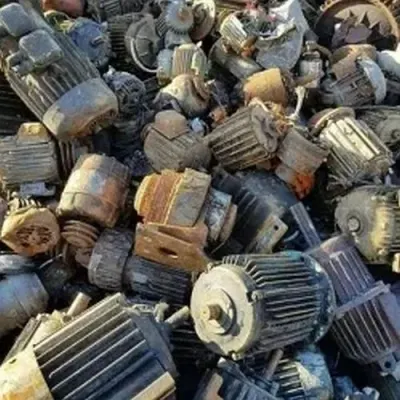
Ivory Ania recycling’s catalogue lists ten recyclable streams, each tied to a specific HS code. The LDPE and HDPE material lines (HS 3915.10) are commonly traded in grades ranging from 100 % recycled to 30 % virgin blend, with melt flow index values between 0.5 and 5 g/10 min (ASTM D1238) and moisture content below 0.5 %. PET bottle and film scrap (HS 3915.90 and 3915.10) are typically supplied as rPET with intrinsic viscosity between 0.70 and 0.85 dL/g and are required to meet EU REACH limits for heavy metals. Polyurethane foam (HS 3901.90) is usually classified by density (30 - 150 kg/m³) and closed‑cell content, while BOPP film (HS 3920.20) grades are defined by thickness (10 - 30 µm) and optical clarity. ABS regrinds are evaluated by melt flow index (5 - 15 g/10 min) and impact strength (≥30 kJ/m²). Electric motor scrap (HS 7204.29) is sorted by ferrous vs non‑ferrous content, with typical copper recovery rates of 30‑40 %.
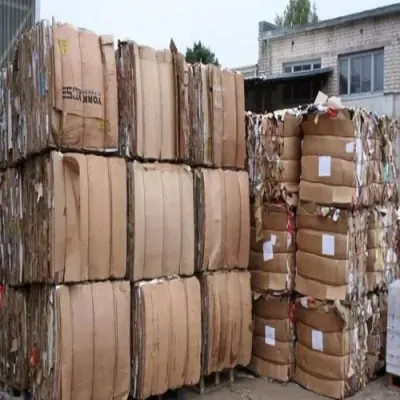
Paper waste under HS 4707.30 is generally supplied as OCC (old corrugated containers) with a fiber length of 2‑5 mm and a moisture level below 12 %. These specifications align with common requirements for pulp mills and packaging manufacturers. All streams are usually bale‑packed or drum‑packed for container loading, with standard 20 ft or 40 ft containers holding approximately 20 tonnes of compacted plastic waste.
Trade and Export Information - Ivory Ania recycling
Recyclable plastics and metal scrap from Lithuania are routed through EU waste‑export channels that adhere to the Basel Convention and the EU Waste Shipment Regulation. Buyers in Western Europe, the Middle East, and Southeast Asia frequently import HS 3915 and 3901 categories using FOB Vilnius or CIF Rotterdam terms. Common certifications requested by importers include REACH compliance, ISO 14001 environmental management, and third‑party analysis reports (e.g., SGS, Bureau Veritas) confirming contaminant limits such as lead < 100 ppm and chlorine < 0.1 %.
Electric motor scrap (HS 7204.29) is typically sold to steel recyclers in Turkey, China and the United Arab Emirates, where it is processed for copper recovery. Paper OCC (HS 4707.30) finds demand from pulp and paper mills in Finland and Germany. Standard packaging involves steel bales for plastics (≈1 m³ per bale) and wooden crates for metal, with container loading efficiencies of 20 tonnes per 20 ft box. Export documentation generally includes a commercial invoice, packing list, EUR.1 certificate of origin and, where required, a waste‑stream declaration.
Sourcing from Ivory Ania recycling - Buyer Guidance
Prospective buyers should request a material safety data sheet (MSDS) and a recent laboratory analysis for each plastic stream, covering melt flow index, ash content, moisture, and heavy‑metal concentrations. For metal scrap, a specification sheet detailing ferrous/non‑ferrous split, copper grade and any residual oil content is standard. Verifying REACH registration and ISO 14001 certification helps confirm regulatory compliance before shipment.
Samples are usually supplied in 10 kg batches, packed in sealed polyethylene bags for plastics or in steel drums for HDPE bottle waste. Minimum order quantities often start at one 20 ft container (≈20 tonnes) but can be adjusted after quality acceptance. Buyers should confirm the Incoterm (FOB Vilnius is common) and ensure that the export party can provide a valid waste‑stream declaration and, where applicable, a customs‑compliant export license.
Frequently Asked Questions About Ivory Ania recycling
What types of plastic waste does Ivory Ania recycling offer?
The supplier lists LDPE film, HDPE drum and bottle, PET bottle and film, polyurethane foam, BOPP film, and ABS resin, each classified under HS 3915.10, 3915.90, 3901.90 or 3920.20.
Which HS codes are associated with the metal and paper scrap in the catalogue?
Electric motor scrap is filed under HS 7204.29, while waste paper (OCC, DSOCC) is under HS 4707.30.
What standard certifications should a buyer request for the plastic streams?
Buyers typically ask for REACH compliance, an ISO 14001 environmental management certificate, and an independent lab report (e.g., SGS) showing melt flow index, moisture and heavy‑metal limits.
How is the HDPE bottle scrap usually packaged for export?
HDPE bottle waste is commonly baled in steel‑reinforced bales of roughly 1 m³, which are then loaded into 20 ft or 40 ft containers, allowing about 20 tonnes per container.
What documentation is required for exporting the electric motor scrap?
Standard documents include a commercial invoice, packing list, EUR.1 certificate of origin, waste‑stream declaration, and any export license mandated by Lithuanian authorities for metal scrap.
What typical lead times can a buyer expect after confirming a sample?
After sample approval, suppliers usually need 2‑4 weeks to arrange bale or drum consolidation and container loading, depending on volume and destination port.
Are there any common quality tests for ABS regrind that buyers should verify?
ABS regrind is commonly tested for melt flow index (ASTM D1238), impact strength (ISO 179) and residual chlorine content, with most buyers requiring values within industry‑standard ranges (MFI 5‑15 g/10 min, impact ≥30 kJ/m²).




 , Lithuania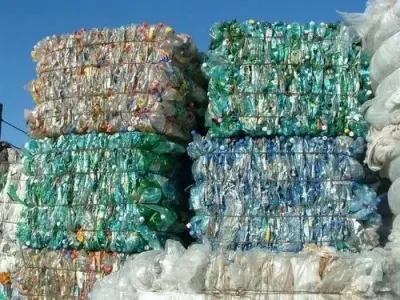




.jpg.png)