Agriculture›
 Apparel and fashion accessories›
 Construction & real estate›💡Electronic & Electrical›🍎Food & Beverages›🛋️Home furnishing & supplies›⚗️Industrial goods & chemical›🪨Minerals & metals›📦Miscellaneous›Agriculture›Apparel and fashion accessories›Construction & real estate›💡Electronic & Electrical›🍎Food & Beverages›🛋️Home furnishing & supplies›⚗️Industrial goods & chemical›🪨Minerals & metals›📦Miscellaneous›
Ivory Ysia Recycling Product Catalog

About Ivory Ysia Recycling - Scrap Materials Supplier in Malaysia
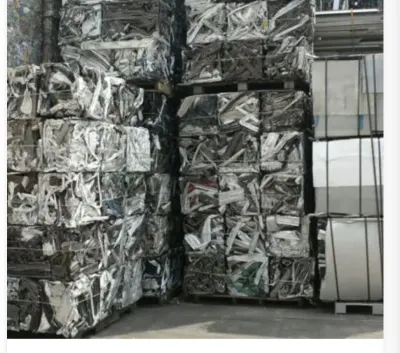
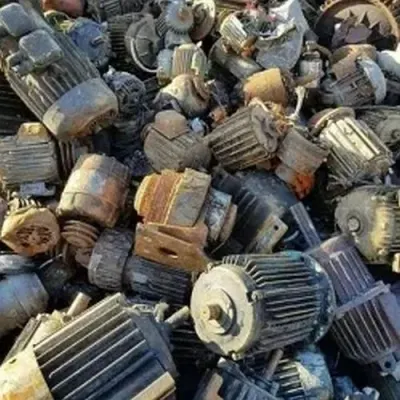
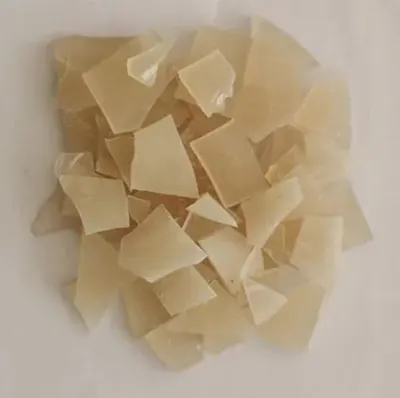
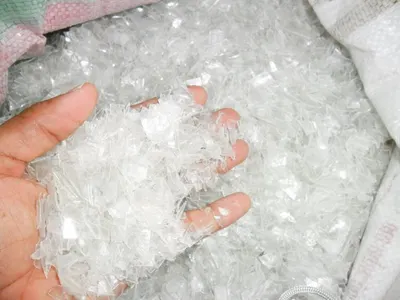
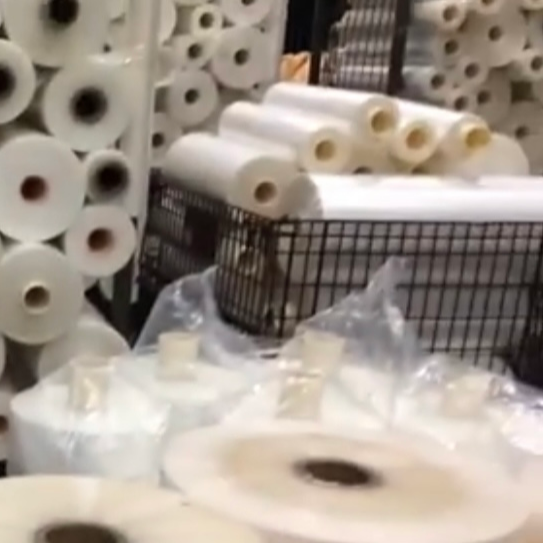
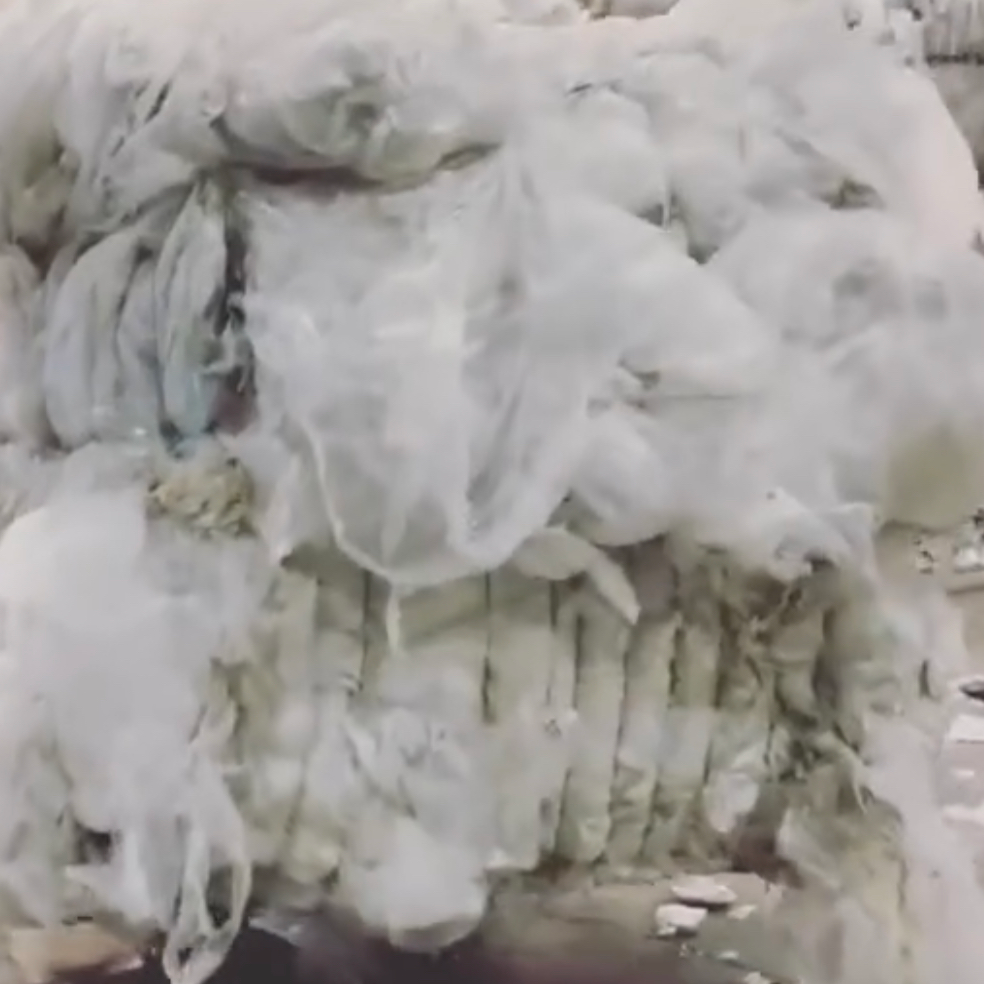
Malaysia, Selangor hosts Ivory Ysia Recycling, which currently lists eight active product entries in its catalogue. The catalogue covers LDPE film scrap (HS 3915.10, material ldpe), PET bottle scrap also under HS 3915.10 (material pet bottle), printed BOPP film scrap (HS 3915.90, material printed bopp), ABS regrind (HS 3915.20, material ABS), PMMA off‑cut scrap (HS 3915.90, material pmma), polyurethane foam scrap (HS 3915.90, material pu foam), electric motor scrap (HS 7404.00, material electric motor) and aluminium UBC can scrap (HS 7602.00, material Aluminum UBC).
The supplier is classified as an imported tier with a harbor trust tier, indicating it operates through Malaysian ports for outbound shipments. Its broader category tags include mining machinery spare parts, used construction equipment, automobile spare parts, ship and marine scrap, and aluminium casting and shredded scrap, reflecting a diversified scrap handling capability beyond the eight listed plastic and metal items.
Product Range and Specialties of Ivory Ysia Recycling
Ivory Ysia Recycling’s eight catalogue lines cover the main waste streams that Malaysian exporters commonly supply. LDPE film waste is typically graded by melt‑flow index (MFI) ranging from 0.5 to 50 g/10 min and is shipped in compressed bales of 20 kg each; PET bottle flakes are often cleaned to a moisture content below 0.1 % and sorted by colour for re‑granulation; printed BOPP and other mixed plastics fall under HS 3915.90 and are usually measured by bale weight (≈ 15 t per 40 ft container) with a maximum contamination level of 2 %. ABS regrind is evaluated for impact strength (≥ 40 kJ/m²) and ash content (< 0.5 %); PMMA off‑cuts are checked for optical clarity and residual monomer (< 0.2 %); PU foam waste is classified by density (150 - 250 kg/m³) and open‑cell structure. Electric motor scrap is identified by weight class (≤ 25 kg per unit) and core material composition, while aluminium UBC scrap is commonly supplied as 6063 alloy billets or bales with a minimum aluminium purity of 99.5 %.
Frequently Asked Questions About Ivory Ysia Recycling
What plastic waste categories does Ivory Ysia Recycling offer?
The catalogue includes LDPE film scrap (HS 3915.10), PET bottle flakes (HS 3915.10), printed BOPP film waste (HS 3915.90), ABS regrind (HS 3915.20), PMMA off‑cut scrap (HS 3915.90) and polyurethane foam scrap (HS 3915.90). Each product is listed under the appropriate HS‑code family for export documentation.
Which HS codes are used for the metal scrap products?
Electric motor scrap is classified under HS 7404.00 and aluminium UBC can scrap under HS 7602.00. These codes align with international customs tariffs for non‑ferrous and ferrous motor and aluminium waste.
What typical specifications should I check for LDPE film scrap?
Buyers usually verify melt‑flow index (0.5 - 50 g/10 min), colour consistency, and bale weight (≈ 20 kg). A moisture content below 0.5 % and contamination under 2 % are common acceptance criteria.
Are certifications like ISO 9001 or REACH required for these plastics?
While Ivory Ysia Recycling’s catalogue does not list specific certificates, buyers typically request ISO 9001 quality‑management proof and REACH compliance statements for plastic waste destined for the EU or China.
What documentation is needed for the electric motor scrap?
Standard requests include an IEC 60204 safety declaration, a motor specification sheet (voltage, power rating, bearing condition) and a non‑hazardous material statement to satisfy most import regulations.
 Malaysia
Related Suppliers & Products
Explore similar suppliers, related products and trending categories


.jpg.png)