Shenzhen Yibi Precision Technology Co., Ltd. — Supplier
About Shenzhen Yibi Precision Technology Co., Ltd. - Machined Components Supplier in China
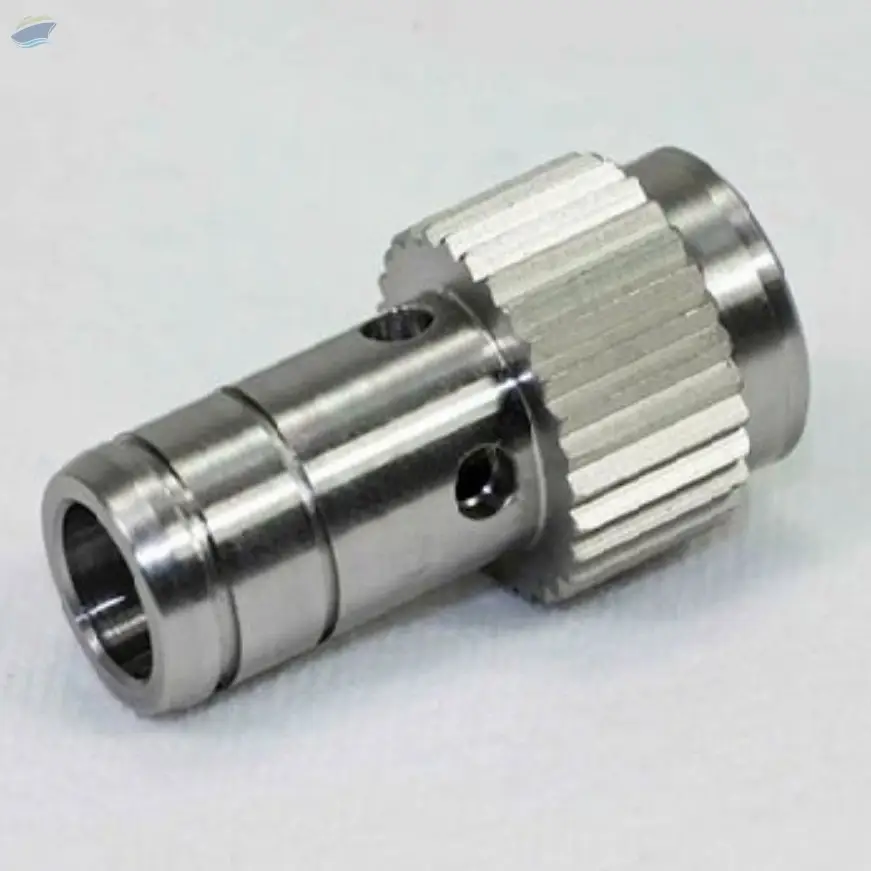
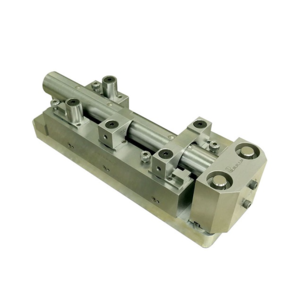
Shenzhen Yibi Precision Technology Co., Ltd. is based in Shenzhen, China and currently lists 15 active products across its catalogue. The company’s offerings fall under several industrial groups, notably machined components, injection‑moulded products, printing‑machinery spare parts, stainless‑steel plates, and related stainless‑steel pipe fittings. Its product list includes high‑precision watch parts, custom mobile‑phone components, printer accessories, and a range of metal‑injection‑moulded items. In addition, the catalogue features stainless‑steel spare parts with polished finishes, custom‑size positioning guide plates, and sintered tableware. The supplier is classified as an imported tier with a harbor trust rating.
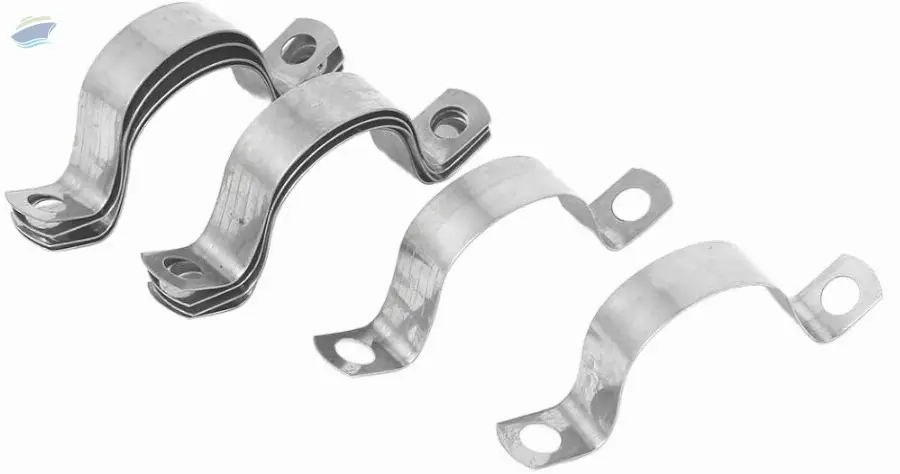
Among the 15 items, two have explicit HS‑code classifications: the Positioning Guide Plate (HS 7219.24) made from stainless‑steel grades 304 or 316, and the Stainless‑Steel Pipe Fittings (HS 7307.23) offered in grades 304, 316L, and 17‑4PH titanium alloy. The remaining entries are described by product type only, such as metal stamping parts for injection moulding, custom‑size bracelet clasps, turbo supercharger components, and gun‑control accessories. The catalogue also lists sintered Chinese tableware and various metal‑injection‑moulding OEM services. All items are manufactured in China and targeted at B2B buyers requiring precision‑engineered metal parts.
Product Range and Specialties of Shenzhen Yibi Precision Technology Co., Ltd.
Shenzhen Yibi’s catalogue covers precision‑machined watch components, custom‑size printer accessories, and metal‑injection‑moulding (MIM) parts such as stamping blanks and OEM designs. In the stainless‑steel segment the supplier provides positioning guide plates (HS 7219) and pipe fittings (HS 7307) that are commonly supplied in grades 304, 316, 316L, and 17‑4PH, meeting ASTM A240 or EN 10088 specifications for corrosion resistance and mechanical strength. Metal‑injection‑moulded items are typically produced from stainless‑steel or titanium powders with particle sizes below 45 µm and achieve densities of 95 % - 98 % of theoretical. Sintered tableware follows standard sintering cycles that yield porosities around 10 % and are often classified under food‑contact material regulations. Buyers in the electronics, automotive, and medical device sectors frequently request certifications such as ISO 9001 for quality management and RoHS compliance for components that may be integrated into electronic assemblies.
Trade and Export Information - Shenzhen Yibi Precision Technology Co., Ltd.
China is a major exporter of stainless‑steel fabricated parts and metal‑injection‑moulded components, with Europe, North America, and Southeast Asia representing the largest import markets for HS 7219 and HS 7307 goods. Export shipments are usually packed in wooden crates or palletized metal boxes, with dimensions optimized for 20‑ft or 40‑ft containers; a typical 40‑ft container can hold up to 25 tons of stainless‑steel plates or fittings. Buyers often require compliance with international standards such as ISO 9001, CE marking for machinery parts, and, where applicable, ASTM or DIN certifications for material grades. Inspection agencies frequently perform pre‑shipment verification under the CIQ (China Inspection and Quarantine) regime, and a commercial invoice must reference the correct HS code and material description. Incoterms like FOB Shenzhen or CIF destination port are commonly used for these high‑value, low‑volume items.
Sourcing from Shenzhen Yibi Precision Technology Co., Ltd. - Buyer Guidance
Prospective buyers should request a mill test certificate (MTC) that confirms the stainless‑steel grade, chemical composition, and mechanical properties for the 7219 and 7307 products. For metal‑injection‑moulded parts, a material data sheet detailing powder composition, particle size distribution, and sintering density is standard, together with a dimensional inspection report. Samples of the positioning guide plate or pipe fitting can be ordered to verify surface finish (polished or brushed) and tolerance compliance, typically within ±0.05 mm. Confirm that the supplier can provide ISO 9001 certification and, if the parts are destined for the EU or US, request CE or UL test reports. Verify packaging details - such as anti‑corrosion coating, moisture‑proof wrapping, and container loading plan - before finalizing the purchase order.
Frequently Asked Questions About Shenzhen Yibi Precision Technology Co., Ltd.
What product categories are listed by Shenzhen Yibi Precision Technology?
The catalogue includes machined components, injection‑moulded products, printing‑machinery spare parts, stainless‑steel plates, stainless‑steel pipe fittings, sintered tableware, and related metal‑injection‑moulding OEM services.
Which HS codes are associated with the supplier’s stainless‑steel items?
The Positioning Guide Plate is classified under HS 7219.24, while the Stainless‑Steel Pipe Fittings fall under HS 7307.23. Both codes belong to the broader chapters for stainless‑steel plates and fittings.
What stainless‑steel grades are available for the positioning guide plates?
The plates are offered in grades 304 or 316 stainless steel, which correspond to the standard austenitic grades used for corrosion‑resistant applications.
Does the supplier hold any certifications such as ISO 9001?
No certification is listed in the supplied facts. Buyers should request proof of ISO 9001 or equivalent quality‑management certification before placing an order.
What documentation should be requested for metal‑injection‑moulded parts?
Typical documents include a material data sheet (powder composition, particle size), a mill test certificate, a density or porosity report, and a dimensional inspection report showing tolerance compliance.
How are the stainless‑steel fittings typically packaged for export?
Export shipments are usually palletized and wrapped in moisture‑proof film, then loaded into standard 20‑ft or 40‑ft containers. Anti‑corrosion coating or passivation is often applied before packing.
What is the usual lead time for custom‑size metal components?
Custom‑size metal parts such as guide plates or pipe fittings generally require 4‑6 weeks from order confirmation, depending on material grade, machining complexity, and post‑processing steps.
How can a buyer obtain a sample of a stainless‑steel part?
Buyers can request a physical sample by specifying the part number, material grade, and surface finish; the supplier typically ships samples using air freight or express courier, and may charge a nominal sample fee.




 , China