Agriculture›
 Apparel and fashion accessories›
 Construction & real estate›💡Electronic & Electrical›🍎Food & Beverages›🛋️Home furnishing & supplies›⚗️Industrial goods & chemical›🪨Minerals & metals›📦Miscellaneous›Agriculture›Apparel and fashion accessories›Construction & real estate›💡Electronic & Electrical›🍎Food & Beverages›🛋️Home furnishing & supplies›⚗️Industrial goods & chemical›🪨Minerals & metals›📦Miscellaneous›
Ivory Czech Recycling LLC
🚢 Voyage , Czech RepublicNew supplier / no reviews yet
Ivory Czech Recycling LLC Product Catalog

About Ivory Czech Recycling LLC - Scrap Materials Supplier in Czech Republic
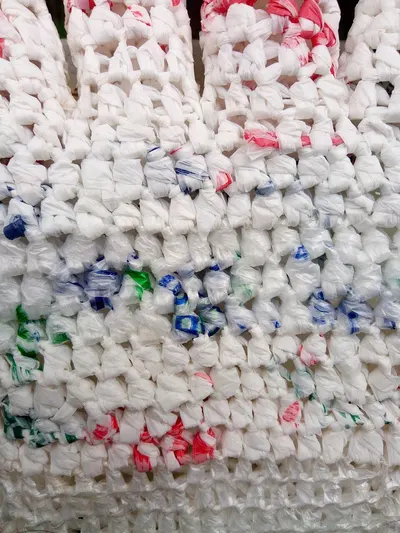
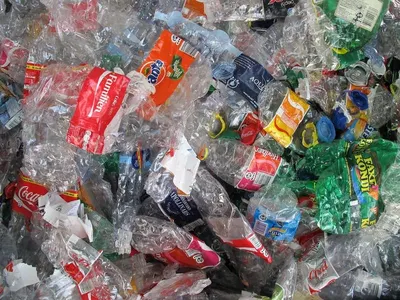
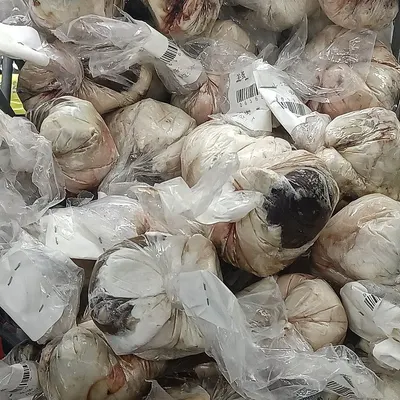
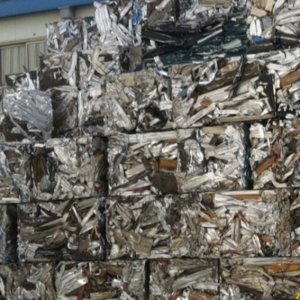
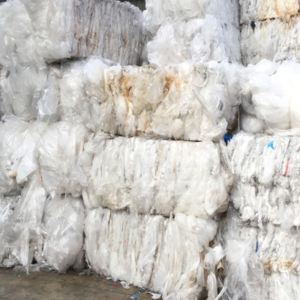
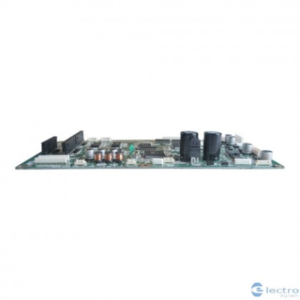
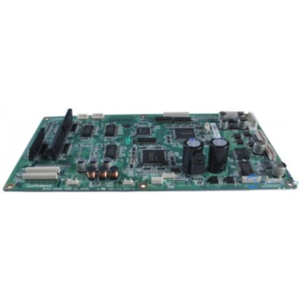
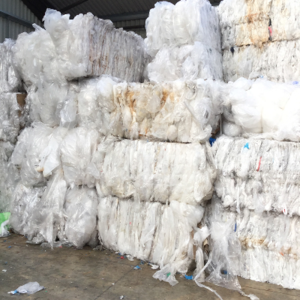
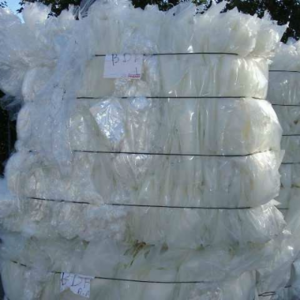
Ivory Czech Recycling LLC is located in the Bruntal District of the Czech Republic. The supplier lists nine active products in its public catalogue. Its portfolio includes LDPE scrap, PET bottle scrap, HDPE milk bottle scrap, PMMA acrylic sheet scrap, polyurethane foam scrap, waste paper (OCC) scrap, expanded polystyrene (EPS) scrap, electric motor scrap, and BOPP printed film scrap. Each product is identified with a specific HS code, such as 3915.10 for LDPE and HDPE, 3907.61 for PET bottles, 3915.90 for PMMA, 3915.00 for PU foam, 4707.10 for waste paper, 3903.11 for EPS, and 7404.00 for electric motor scrap. The catalogue groups these items under broader categories like Plastic Scrap, Metal Scraps, and Printer/Paper Waste, reflecting a focus on recyclable feedstocks for downstream manufacturing.
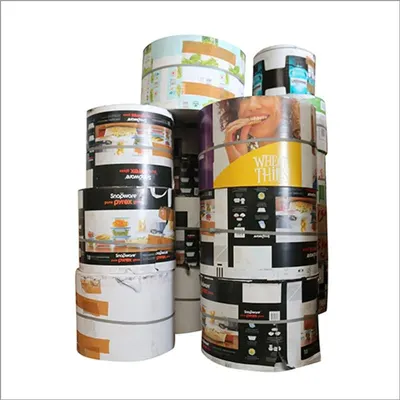
The listed materials are standard feedstocks for processes such as extrusion, injection molding, and re‑grinding into pellets. LDPE and HDPE scraps are typically reprocessed into high‑density granules for packaging films. PET bottle waste is commonly cleaned, shredded, and re‑pelletized for beverage containers or textile fibers. PMMA and PU foam scraps serve the automotive and construction sectors after depolymerisation or shredding. Metal motor scrap and printed BOPP film are usually baled for melting and recovery of ferrous metals or polymer resin.
Product Range and Specialties of Ivory Czech Recycling LLC
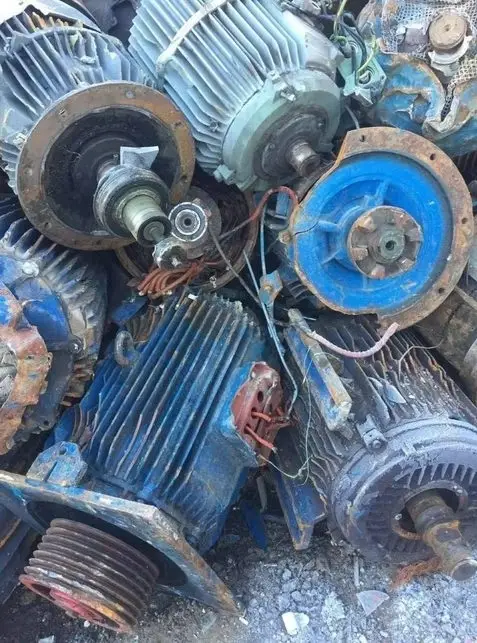
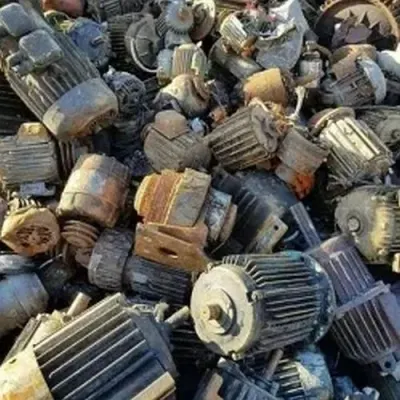
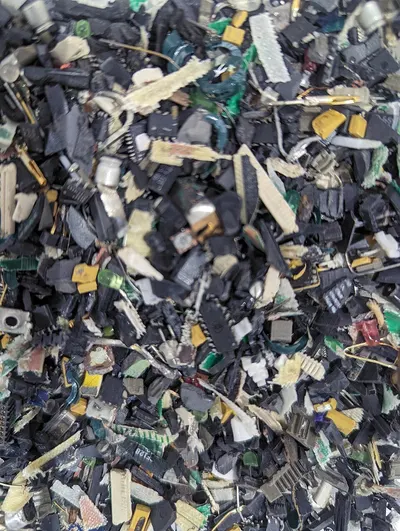
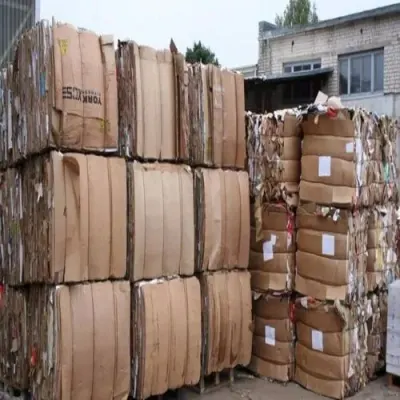
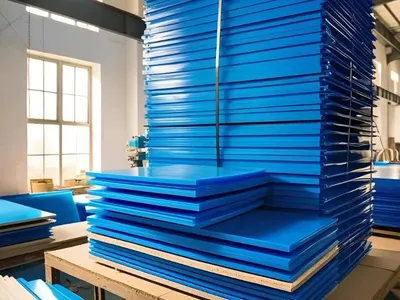
The catalogue enumerates nine distinct scrap types: LDPE (HS 3915.10), PET bottle (HS 3907.61), HDPE milk bottle (HS 3915.10), PMMA acrylic (HS 3915.90), polyurethane foam (HS 3915.00), waste paper OCC (HS 4707.10), EPS (HS 3903.11), electric motor (HS 7404.00), and BOPP printed film (HS 3915.10). In the plastics trade, LDPE scrap is graded by melt flow index (typically 0.5 - 5 g/10 min), ash content (<0.1 %), and moisture (<0.2 %). PET bottle scrap is evaluated for colour clarity, PET 1 vs PET 2 composition, and residual contaminants, often meeting EU Recycled PET (rPET) standards. HDPE milk bottle scrap is classified by density (0.94 - 0.96 g/cm³) and low‑metal content, while PMMA acrylic scrap is sorted by optical transparency and impact resistance. PU foam scrap is characterised by density (30 - 150 kg/m³) and closed‑cell structure, and EPS scrap is measured by bead size (0.5 - 2 mm) and bulk density (10 - 30 kg/m³). Electric motor scrap is assessed for copper recovery rate (often 60 - 70 % by weight) and ferrous steel content, and BOPP printed film is checked for thickness (10 - 30 µm) and printed ink load.
Industry practice adds further specifications: plastic grades such as HDPE‑C, LDPE‑A, and PET‑R are common export specifications; waste paper OCC is typically classified by fiber length (30‑50 mm) and bulk density (0.5 g/cm³). EPS is often supplied as compressed blocks or loose beads, packed to avoid compression damage. Metal motor scrap usually requires segregation of copper winding versus steel housing to meet downstream smelting contracts. Buyers frequently request certificates of analysis, melt flow index test reports, and moisture content analyses to confirm that the material meets the intended re‑processing standards.
Frequently Asked Questions About Ivory Czech Recycling LLC
What types of scrap materials are listed in Ivory Czech Recycling's catalogue?
The catalogue lists nine scrap types: LDPE, PET bottle, HDPE milk bottle, PMMA acrylic, polyurethane foam, waste paper (OCC), EPS, electric motor and BOPP printed film. Each item is matched to an HS code, for example 3915.10 for LDPE and HDPE, and 7404.00 for electric motor scrap.
Which HS codes are associated with the plastic and paper products?
Plastic items such as LDPE, HDPE milk bottle and BOPP printed film use HS 3915.10, PET bottle uses HS 3907.61, PMMA acrylic uses HS 3915.90, PU foam uses HS 3915.00 and EPS uses HS 3903.11. Waste paper (OCC) is classified under HS 4707.10.
What quality parameters do buyers typically check for LDPE scrap?
Buyers usually verify the melt flow index (commonly 0.5 - 5 g/10 min), ash content (below 0.1 %), moisture level (under 0.2 %) and the degree of foreign material contamination. A Certificate of Analysis confirming these values is standard practice.
How is EPS scrap commonly packaged for export?
EPS scrap is often compressed into pallets or bulk bags to protect the beads from compression damage. The pallets are loaded into 20‑ft or 40‑ft containers, sometimes with protective foam or cardboard liners to maintain shape during transit.
Which certifications should a buyer request for plastic scrap from the Czech Republic?
Typical requests include an ISO 9001 quality‑management certificate, REACH compliance documentation and a Waste Shipment Declaration that satisfies EU waste‑export regulations. These documents help verify that the material meets regulatory and quality standards.
Czech RepublicRelated Suppliers & Products
Explore similar suppliers, related products and trending categories

.jpg.png)