firozkhan enterprises — Verified Distributor & Wholesale Supplier

About firozkhan enterprises - Fresh Fruits and Vegetables Supplier in India

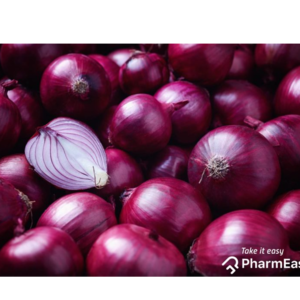
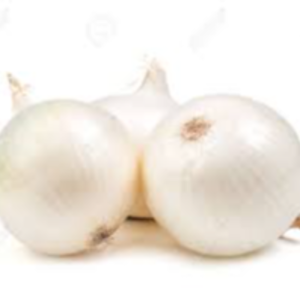
firozkhan enterprises is an agro-commodity exporter based in Lucknow, Uttar Pradesh, India, operating with an active catalogue of 5 products across fresh fruits and vegetables. The company's listed range covers dehydrated onion under HS code 0712.30, fresh ginger and garlic under HS code 0703.20, fresh mango under HS code 0804.50, fresh apple under HS code 0808.10, and fresh table grapes (green and red varieties) under HS code 0806.10. These items fall within the broader Indian fresh-produce export basket that draws heavily from Uttar Pradesh's horticultural belts, including the Malihabad region for mangoes and the western UP districts for vegetables such as onion, garlic and ginger. The supplier's profile states activity in fresh fruits and vegetables since 2018, with sourcing described as drawing from selected orchards and fields in India. The Lucknow-headquartered operation works within India's fresh-produce trade, a sector that moves significant volumes through the country's air and sea corridors. Indian fresh onion, ginger and garlic are typically shipped under HS chapters 0703 and 0712, while fresh mango, apple and grapes fall under HS chapters 0804, 0808 and 0806 respectively, the same families represented in this supplier's catalogue. The five SKUs sit across three of the most heavily traded fresh-produce HS families in India's export schedule, giving the catalogue a focused footprint in dehydrated onion, fresh alliums and fresh tropical and temperate fruits.

Product Range and Specialties of firozkhan enterprises

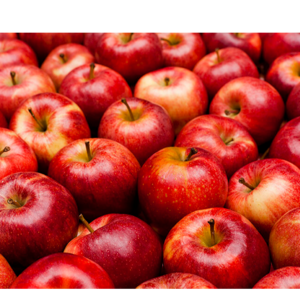
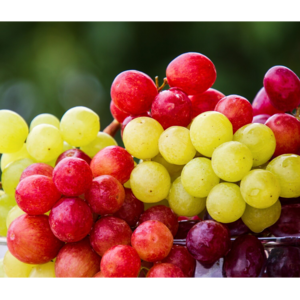
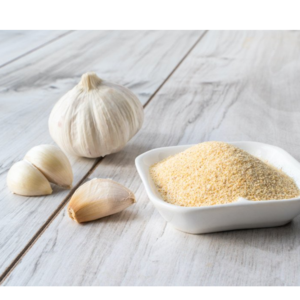
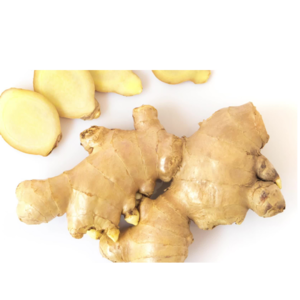
firozkhan enterprises lists five products spanning three HS families: dehydrated onion (0712.30), fresh ginger and garlic (0703.20), and three fresh fruits, mango (0804.50), apple (0808.10) and table grapes (0806.10). In the dehydrated onion segment, the category typically trades in kibbled, chopped, minced, granulated and powdered forms, with moisture content commonly specified in the 6-8% range and ash values around 3-4%, graded for use in seasoning blends, ready-meal kits and food-service packs. Fresh ginger and garlic from India is generally traded in whole, peeled and split forms, with garlic bulb sizes typically 40-65 mm and ginger rhizome lengths of 8-15 cm, packed in mesh bags of 5 kg, 10 kg, 20 kg or 25 kg, or in cartons of around 10 kg net. For the fresh-fruit lines, Indian mangoes are typically traded in varieties such as Alphonso (Kesar, Banganapalli and Totapuri are also common), graded by count per carton (commonly 8, 10, 12 or 15 fruits per 4 kg box) and shipped under strict cold-chain conditions. Indian apples, often sourced from Jammu and Kashmir and Himachal Pradesh, are graded by diameter (commonly 55-75 mm) and packed in corrugated cartons of 10 kg or 18 kg. Indian table grapes, including varieties such as Thompson Seedless and Sharad Seedless, are typically packed in 4.5 kg or 5 kg punnets or cartons, with berry diameter grading around 16-22 mm. Across all five products, buyers in this category typically expect phytosanitary certification, residue testing and cold-chain documentation as standard.

Trade and Export Information - firozkhan enterprises

Indian fresh-produce exporters typically serve buyers across the Gulf Cooperation Council (UAE, Saudi Arabia, Oman, Qatar, Bahrain, Kuwait), the United Kingdom, the European Union, Bangladesh, Sri Lanka, Malaysia, Singapore and the wider Southeast Asian region, with mangoes and grapes additionally reaching Japan, Korea, Hong Kong and selective EU markets under protocol. The five HS codes in this catalogue, 0703.20, 0712.30, 0804.50, 0806.10 and 0808.10, sit inside the fresh and dried vegetable and fruit chapters that dominate India's horticultural export schedule. For dehydrated onion under 0712.30, buyers typically request ASTA colour specification, moisture below 8%, microbial load reports and a BRC or FSSC 22000-aligned food-safety management system. For fresh ginger and garlic under 0703.20, the typical documentation set includes APEDA registration, Phytosanitary Certificate from the Plant Quarantine Authority of India, and pre-shipment inspection for soil and pest compliance. For fresh mango (0804.50), Indian exporters typically work under the agreed irradiation and vapour-heat-treatment protocols required by the United States, and under the Codex-aligned phytosanitary rules applied by the EU and the UK, with pack-houses registered with APEDA and the National Plant Protection Organisation. Fresh table grapes (0806.10) are similarly shipped under APEDA-monitored pack-houses, with grapes commonly treated with sulphur dioxide pads inside cartons to control botrytis during transit. Fresh apples (0808.10) are generally shipped under standard cold-chain conditions at 0-4 degrees Celsius. Across all five lines, exporters of fresh and minimally processed Indian produce typically ship in 20 ft reefer containers (around 20-24 tonnes net) for fresh lines and 20 ft dry containers (around 12-18 tonnes) for dehydrated onion, with Incoterms such as FOB, CFR and CIF most commonly used in this trade lane. Indian fresh-produce exports are administered by APEDA under the Ministry of Commerce, and Lucknow-based shippers typically route through Nhava Sheva, Mundra, Chennai or Kolkata for sea freight and through Delhi or Lucknow for air freight.

Sourcing from firozkhan enterprises - Buyer Guidance

Buyers evaluating firozkhan enterprises should request the company's APEDA exporter registration and the phytosanitary and food-safety documents relevant to each of the five HS codes: a Phytosanitary Certificate for fresh ginger and garlic (0703.20), mango (0804.50), apple (0808.10) and grapes (0806.10), and a Certificate of Analysis covering moisture, ash, microbial load and ASTA colour for the dehydrated onion (0712.30). For fresh lines, confirm the cold-chain plan from pack-house to port, the reefer temperature set-point (typically 0-4 degrees Celsius for apple, 8-13 degrees Celsius for mango, 0-2 degrees Celsius for grapes), and whether the supplier uses an APEDA-registered pack-house, which is a baseline requirement for protocol markets such as the EU, the UK and Japan. For dehydrated onion, ask for the grade (kibbled, chopped, minced, granulated or powdered), particle size, moisture percentage and a recent microbial test report covering total plate count, coliforms, yeast and mould, and salmonella. Before placing a full order, buyers should request product samples, a proforma invoice specifying Incoterm (FOB Mundra or Nhava Sheva, or CIF at the destination port are common), the packing specification (carton weight, punnet count, mesh-bag size) and the named production or procurement region within India. Confirm the supplier's ability to meet the destination country's MRL (Maximum Residue Limit) regime, particularly for grapes and mangoes entering the EU where compliance with EU Regulation 396/2005 is mandatory. Lead times for fresh produce from India typically run 7-15 days from booking to vessel departure, plus transit time of 12-25 days to Gulf and Southeast Asian ports and 25-40 days to European ports, and these windows should be confirmed in writing. A short, specific written enquiry covering HS code, grade, pack size, destination port and required documentation will give the supplier a clear basis to respond with a verifiable offer.

Frequently Asked Questions About firozkhan enterprises

What product categories does firozkhan enterprises currently export from India?

The supplier lists 5 active products across fresh fruits and vegetables: dehydrated onion (HS 0712.30), fresh ginger and garlic (HS 0703.20), fresh mango (HS 0804.50), fresh apple (HS 0808.10) and fresh table grapes (HS 0806.10), shipped from Lucknow, Uttar Pradesh.

Which certifications and documents should a buyer request from this type of Indian fresh-produce supplier?

Buyers should request APEDA exporter registration, a Phytosanitary Certificate from India's Plant Quarantine Authority, a Certificate of Analysis (moisture, ash, microbial load, ASTA colour for dehydrated onion), and confirmation that pack-houses are APEDA-registered for protocol markets. For grapes and mangoes entering the EU, MRL compliance with EU Regulation 396/2005 should be confirmed in writing.

What are the typical grade and specification parameters for dehydrated onion in this category?

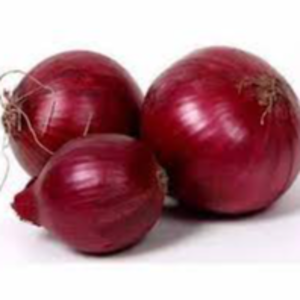
Dehydrated onion in HS 0712.30 is commonly traded in kibbled, chopped, minced, granulated or powdered forms, with moisture typically below 8%, total ash around 3-4%, and microbial limits aligned with Codex or buyer-specific standards. Buyers should request the exact grade, particle size and a recent microbiological test report before confirming an order.

What pack sizes and cold-chain conditions are standard for the fresh fruit lines?

Indian mangoes are commonly packed in 4 kg cartons graded by count (8, 10, 12 or 15 fruits), apples in 10 kg or 18 kg cartons graded 55-75 mm, and table grapes in 4.5-5 kg punnets or cartons, all shipped under refrigerated conditions typically at 0-4 degrees Celsius for apple, 8-13 degrees Celsius for mango and 0-2 degrees Celsius for grapes.

What is the typical shipping and lead-time profile for fresh produce from Lucknow?

Sea shipments from Indian ports such as Nhava Sheva or Mundra typically take 12-25 days to Gulf and Southeast Asian destinations and 25-40 days to European ports, with 20 ft reefer containers carrying around 20-24 tonnes of fresh produce. Lead time from booking to vessel departure is usually 7-15 days, and buyers should confirm the reefer set-point and transit plan in writing.

Does firozkhan enterprises supply both fresh and dehydrated forms of onion?

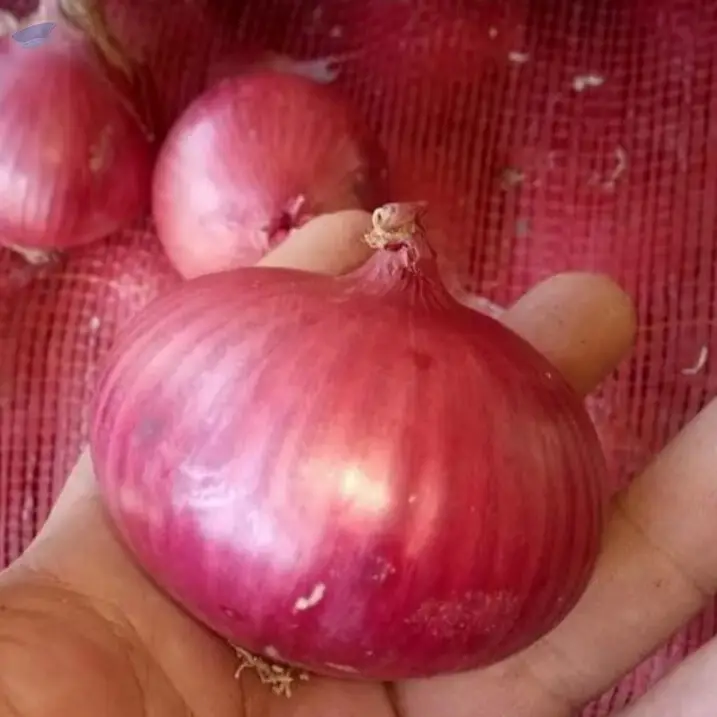
The catalogue lists dehydrated onion under HS 0712.30 as one of the 5 active products, alongside fresh ginger and garlic, mango, apple and grapes. Buyers should confirm whether fresh onion is also available on request, as fresh onion typically falls under a different HS code (0703.10) than the dehydrated form listed.

Which destination regions are typical buyers of Indian fresh fruits and vegetables?

Indian fresh-produce exporters typically serve the Gulf Cooperation Council, the United Kingdom, the European Union, Bangladesh, Sri Lanka, Malaysia, Singapore and wider Southeast Asia, with mangoes and grapes additionally reaching Japan, Korea and Hong Kong under specific phytosanitary protocols. Buyers in these markets should confirm protocol-market compliance with the supplier before booking.


Featured Products from firozkhan enterprises

Other Suppliers in Ginger, Garlic, Onion, Potato

Top Trusted Suppliers

Related Products in Ginger, Garlic, Onion, Potato

Trending in Parent Category

More Suppliers in Parent Category

Related Products

Other Suppliers

EximNext
58.4K+ live requirements
Register Free🎁 5 free buy-lead credits
Post Requirement
🌍 Trusted by 224.3K+ businesses in 200+ countries|
58.4K+ active requirements right now
✉️ [email protected]
|
Sell on EximNextPost Requirement
EximNext
AgricultureApparelConstructionElectronicFoodHomeIndustrialMineralsMiscellaneous
🔥 Deals|✨ AI Match|🏭 Suppliers|📋 Buy Leads|💰 Trade Finance|⭐ Upgrade
58.4K+ live RFQs·194.4K+ suppliers
🎁 5 free credits →
EximNext
EximNext
Register Free
🎁 5 free buy-lead credits
Sign In
📋Post Requirement💬Get QuotesAI Match📋RFQ Marketplace
All Categories
Services & Tools
🏭Supplier Directory🔥Today's Deals💰Trade FinanceMembership
Sell on EximNext
AboutContactBlogHelp
🏭

firozkhan enterprises

Harbor
Country flag Lucknow, India
🛡️
60/100
Trust Score

firozkhan enterprises Product Catalog

Showing 5 of 5 products
View all products →
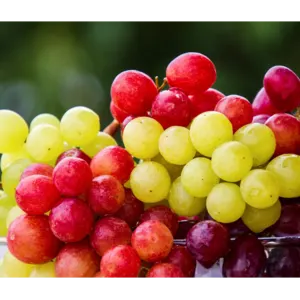
GRAPES
Harbor
GRAPES
Contact
MOQ: 1 Unit
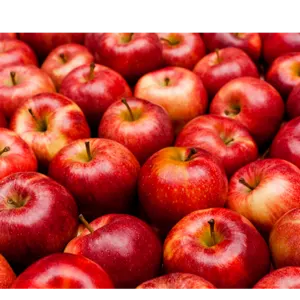
APPLE
Harbor
APPLE
Contact
MOQ: 1 Unit
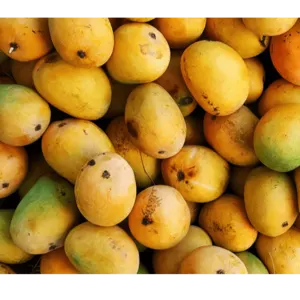
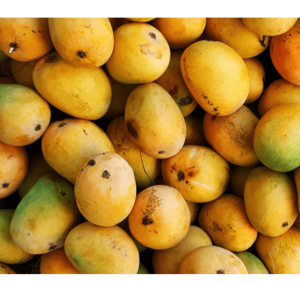
MANGO
Harbor
MANGO
Contact
MOQ: 1 Unit
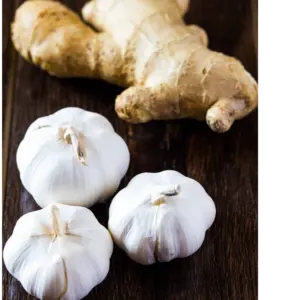
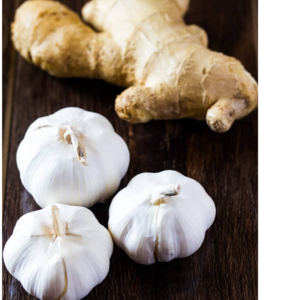
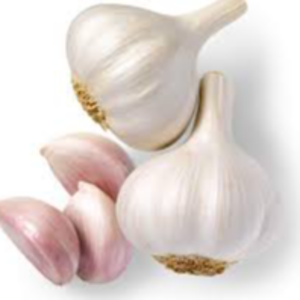
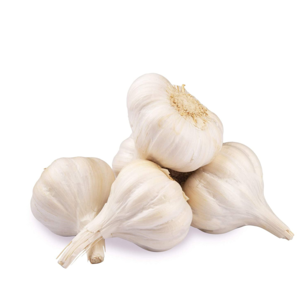
GINGER AND GARLIC
Harbor
GINGER AND GARLIC
Contact
MOQ: 1 Unit
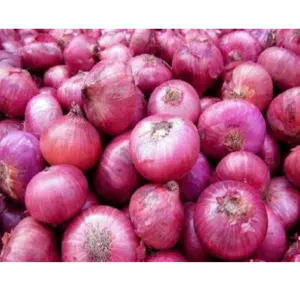
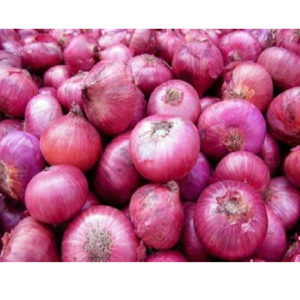
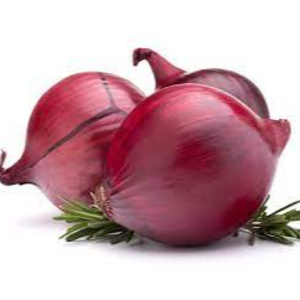
ONION
Harbor
ONION
Contact
MOQ: 1 Unit

About firozkhan enterprises - Fresh Fruits and Vegetables Supplier in India

firozkhan enterprises is an agro-commodity exporter based in Lucknow, Uttar Pradesh, India, operating with an active catalogue of 5 products across fresh fruits and vegetables. The company's listed range covers dehydrated onion under HS code 0712.30, fresh ginger and garlic under HS code 0703.20, fresh mango under HS code 0804.50, fresh apple under HS code 0808.10, and fresh table grapes (green and red varieties) under HS code 0806.10. These items fall within the broader Indian fresh-produce export basket that draws heavily from Uttar Pradesh's horticultural belts, including the Malihabad region for mangoes and the western UP districts for vegetables such as onion, garlic and ginger. The supplier's profile states activity in fresh fruits and vegetables since 2018, with sourcing described as drawing from selected orchards and fields in India. The Lucknow-headquartered operation works within India's fresh-produce trade, a sector that moves significant volumes through the country's air and sea corridors. Indian fresh onion, ginger and garlic are typically shipped under HS chapters 0703 and 0712, while fresh mango, apple and grapes fall under HS chapters 0804, 0808 and 0806 respectively, the same families represented in this supplier's catalogue. The five SKUs sit across three of the most heavily traded fresh-produce HS families in India's export schedule, giving the catalogue a focused footprint in dehydrated onion, fresh alliums and fresh tropical and temperate fruits.

Product Range and Specialties of firozkhan enterprises

firozkhan enterprises lists five products spanning three HS families: dehydrated onion (0712.30), fresh ginger and garlic (0703.20), and three fresh fruits, mango (0804.50), apple (0808.10) and table grapes (0806.10). In the dehydrated onion segment, the category typically trades in kibbled, chopped, minced, granulated and powdered forms, with moisture content commonly specified in the 6-8% range and ash values around 3-4%, graded for use in seasoning blends, ready-meal kits and food-service packs. Fresh ginger and garlic from India is generally traded in whole, peeled and split forms, with garlic bulb sizes typically 40-65 mm and ginger rhizome lengths of 8-15 cm, packed in mesh bags of 5 kg, 10 kg, 20 kg or 25 kg, or in cartons of around 10 kg net. For the fresh-fruit lines, Indian mangoes are typically traded in varieties such as Alphonso (Kesar, Banganapalli and Totapuri are also common), graded by count per carton (commonly 8, 10, 12 or 15 fruits per 4 kg box) and shipped under strict cold-chain conditions. Indian apples, often sourced from Jammu and Kashmir and Himachal Pradesh, are graded by diameter (commonly 55-75 mm) and packed in corrugated cartons of 10 kg or 18 kg. Indian table grapes, including varieties such as Thompson Seedless and Sharad Seedless, are typically packed in 4.5 kg or 5 kg punnets or cartons, with berry diameter grading around 16-22 mm. Across all five products, buyers in this category typically expect phytosanitary certification, residue testing and cold-chain documentation as standard.

Trade and Export Information - firozkhan enterprises

Indian fresh-produce exporters typically serve buyers across the Gulf Cooperation Council (UAE, Saudi Arabia, Oman, Qatar, Bahrain, Kuwait), the United Kingdom, the European Union, Bangladesh, Sri Lanka, Malaysia, Singapore and the wider Southeast Asian region, with mangoes and grapes additionally reaching Japan, Korea, Hong Kong and selective EU markets under protocol. The five HS codes in this catalogue, 0703.20, 0712.30, 0804.50, 0806.10 and 0808.10, sit inside the fresh and dried vegetable and fruit chapters that dominate India's horticultural export schedule. For dehydrated onion under 0712.30, buyers typically request ASTA colour specification, moisture below 8%, microbial load reports and a BRC or FSSC 22000-aligned food-safety management system. For fresh ginger and garlic under 0703.20, the typical documentation set includes APEDA registration, Phytosanitary Certificate from the Plant Quarantine Authority of India, and pre-shipment inspection for soil and pest compliance. For fresh mango (0804.50), Indian exporters typically work under the agreed irradiation and vapour-heat-treatment protocols required by the United States, and under the Codex-aligned phytosanitary rules applied by the EU and the UK, with pack-houses registered with APEDA and the National Plant Protection Organisation. Fresh table grapes (0806.10) are similarly shipped under APEDA-monitored pack-houses, with grapes commonly treated with sulphur dioxide pads inside cartons to control botrytis during transit. Fresh apples (0808.10) are generally shipped under standard cold-chain conditions at 0-4 degrees Celsius. Across all five lines, exporters of fresh and minimally processed Indian produce typically ship in 20 ft reefer containers (around 20-24 tonnes net) for fresh lines and 20 ft dry containers (around 12-18 tonnes) for dehydrated onion, with Incoterms such as FOB, CFR and CIF most commonly used in this trade lane. Indian fresh-produce exports are administered by APEDA under the Ministry of Commerce, and Lucknow-based shippers typically route through Nhava Sheva, Mundra, Chennai or Kolkata for sea freight and through Delhi or Lucknow for air freight.

Sourcing from firozkhan enterprises - Buyer Guidance

Buyers evaluating firozkhan enterprises should request the company's APEDA exporter registration and the phytosanitary and food-safety documents relevant to each of the five HS codes: a Phytosanitary Certificate for fresh ginger and garlic (0703.20), mango (0804.50), apple (0808.10) and grapes (0806.10), and a Certificate of Analysis covering moisture, ash, microbial load and ASTA colour for the dehydrated onion (0712.30). For fresh lines, confirm the cold-chain plan from pack-house to port, the reefer temperature set-point (typically 0-4 degrees Celsius for apple, 8-13 degrees Celsius for mango, 0-2 degrees Celsius for grapes), and whether the supplier uses an APEDA-registered pack-house, which is a baseline requirement for protocol markets such as the EU, the UK and Japan. For dehydrated onion, ask for the grade (kibbled, chopped, minced, granulated or powdered), particle size, moisture percentage and a recent microbial test report covering total plate count, coliforms, yeast and mould, and salmonella. Before placing a full order, buyers should request product samples, a proforma invoice specifying Incoterm (FOB Mundra or Nhava Sheva, or CIF at the destination port are common), the packing specification (carton weight, punnet count, mesh-bag size) and the named production or procurement region within India. Confirm the supplier's ability to meet the destination country's MRL (Maximum Residue Limit) regime, particularly for grapes and mangoes entering the EU where compliance with EU Regulation 396/2005 is mandatory. Lead times for fresh produce from India typically run 7-15 days from booking to vessel departure, plus transit time of 12-25 days to Gulf and Southeast Asian ports and 25-40 days to European ports, and these windows should be confirmed in writing. A short, specific written enquiry covering HS code, grade, pack size, destination port and required documentation will give the supplier a clear basis to respond with a verifiable offer.

Frequently Asked Questions About firozkhan enterprises

What product categories does firozkhan enterprises currently export from India?

The supplier lists 5 active products across fresh fruits and vegetables: dehydrated onion (HS 0712.30), fresh ginger and garlic (HS 0703.20), fresh mango (HS 0804.50), fresh apple (HS 0808.10) and fresh table grapes (HS 0806.10), shipped from Lucknow, Uttar Pradesh.

Which certifications and documents should a buyer request from this type of Indian fresh-produce supplier?

Buyers should request APEDA exporter registration, a Phytosanitary Certificate from India's Plant Quarantine Authority, a Certificate of Analysis (moisture, ash, microbial load, ASTA colour for dehydrated onion), and confirmation that pack-houses are APEDA-registered for protocol markets. For grapes and mangoes entering the EU, MRL compliance with EU Regulation 396/2005 should be confirmed in writing.

What are the typical grade and specification parameters for dehydrated onion in this category?

Dehydrated onion in HS 0712.30 is commonly traded in kibbled, chopped, minced, granulated or powdered forms, with moisture typically below 8%, total ash around 3-4%, and microbial limits aligned with Codex or buyer-specific standards. Buyers should request the exact grade, particle size and a recent microbiological test report before confirming an order.

What pack sizes and cold-chain conditions are standard for the fresh fruit lines?

Indian mangoes are commonly packed in 4 kg cartons graded by count (8, 10, 12 or 15 fruits), apples in 10 kg or 18 kg cartons graded 55-75 mm, and table grapes in 4.5-5 kg punnets or cartons, all shipped under refrigerated conditions typically at 0-4 degrees Celsius for apple, 8-13 degrees Celsius for mango and 0-2 degrees Celsius for grapes.

What is the typical shipping and lead-time profile for fresh produce from Lucknow?

Sea shipments from Indian ports such as Nhava Sheva or Mundra typically take 12-25 days to Gulf and Southeast Asian destinations and 25-40 days to European ports, with 20 ft reefer containers carrying around 20-24 tonnes of fresh produce. Lead time from booking to vessel departure is usually 7-15 days, and buyers should confirm the reefer set-point and transit plan in writing.

Does firozkhan enterprises supply both fresh and dehydrated forms of onion?

The catalogue lists dehydrated onion under HS 0712.30 as one of the 5 active products, alongside fresh ginger and garlic, mango, apple and grapes. Buyers should confirm whether fresh onion is also available on request, as fresh onion typically falls under a different HS code (0703.10) than the dehydrated form listed.

Which destination regions are typical buyers of Indian fresh fruits and vegetables?

Indian fresh-produce exporters typically serve the Gulf Cooperation Council, the United Kingdom, the European Union, Bangladesh, Sri Lanka, Malaysia, Singapore and wider Southeast Asia, with mangoes and grapes additionally reaching Japan, Korea and Hong Kong under specific phytosanitary protocols. Buyers in these markets should confirm protocol-market compliance with the supplier before booking.

About firozkhan enterprises - Fresh Fruits and Vegetables Supplier in India

firozkhan enterprises is an agro-commodity exporter based in Lucknow, Uttar Pradesh, India, operating with an active catalogue of 5 products across fresh fruits and vegetables. The company's listed range covers dehydrated onion under HS code 0712.30, fresh ginger and garlic under HS code 0703.20, fresh mango under HS code 0804.50, fresh apple under HS code 0808.10, and fresh table grapes (green and red varieties) under HS code 0806.10. These items fall within the broader Indian fresh-produce export basket that draws heavily from Uttar Pradesh's horticultural belts, including the Malihabad region for mangoes and the western UP districts for vegetables such as onion, garlic and ginger. The supplier's profile states activity in fresh fruits and vegetables since 2018, with sourcing described as drawing from selected orchards and fields in India. The Lucknow-headquartered operation works within India's fresh-produce trade, a sector that moves significant volumes through the country's air and sea corridors. Indian fresh onion, ginger and garlic are typically shipped under HS chapters 0703 and 0712, while fresh mango, apple and grapes fall under HS chapters 0804, 0808 and 0806 respectively, the same families represented in this supplier's catalogue. The five SKUs sit across three of the most heavily traded fresh-produce HS families in India's export schedule, giving the catalogue a focused footprint in dehydrated onion, fresh alliums and fresh tropical and temperate fruits.

Product Range and Specialties of firozkhan enterprises

firozkhan enterprises lists five products spanning three HS families: dehydrated onion (0712.30), fresh ginger and garlic (0703.20), and three fresh fruits, mango (0804.50), apple (0808.10) and table grapes (0806.10). In the dehydrated onion segment, the category typically trades in kibbled, chopped, minced, granulated and powdered forms, with moisture content commonly specified in the 6-8% range and ash values around 3-4%, graded for use in seasoning blends, ready-meal kits and food-service packs. Fresh ginger and garlic from India is generally traded in whole, peeled and split forms, with garlic bulb sizes typically 40-65 mm and ginger rhizome lengths of 8-15 cm, packed in mesh bags of 5 kg, 10 kg, 20 kg or 25 kg, or in cartons of around 10 kg net. For the fresh-fruit lines, Indian mangoes are typically traded in varieties such as Alphonso (Kesar, Banganapalli and Totapuri are also common), graded by count per carton (commonly 8, 10, 12 or 15 fruits per 4 kg box) and shipped under strict cold-chain conditions. Indian apples, often sourced from Jammu and Kashmir and Himachal Pradesh, are graded by diameter (commonly 55-75 mm) and packed in corrugated cartons of 10 kg or 18 kg. Indian table grapes, including varieties such as Thompson Seedless and Sharad Seedless, are typically packed in 4.5 kg or 5 kg punnets or cartons, with berry diameter grading around 16-22 mm. Across all five products, buyers in this category typically expect phytosanitary certification, residue testing and cold-chain documentation as standard.

Trade and Export Information - firozkhan enterprises

Indian fresh-produce exporters typically serve buyers across the Gulf Cooperation Council (UAE, Saudi Arabia, Oman, Qatar, Bahrain, Kuwait), the United Kingdom, the European Union, Bangladesh, Sri Lanka, Malaysia, Singapore and the wider Southeast Asian region, with mangoes and grapes additionally reaching Japan, Korea, Hong Kong and selective EU markets under protocol. The five HS codes in this catalogue, 0703.20, 0712.30, 0804.50, 0806.10 and 0808.10, sit inside the fresh and dried vegetable and fruit chapters that dominate India's horticultural export schedule. For dehydrated onion under 0712.30, buyers typically request ASTA colour specification, moisture below 8%, microbial load reports and a BRC or FSSC 22000-aligned food-safety management system. For fresh ginger and garlic under 0703.20, the typical documentation set includes APEDA registration, Phytosanitary Certificate from the Plant Quarantine Authority of India, and pre-shipment inspection for soil and pest compliance. For fresh mango (0804.50), Indian exporters typically work under the agreed irradiation and vapour-heat-treatment protocols required by the United States, and under the Codex-aligned phytosanitary rules applied by the EU and the UK, with pack-houses registered with APEDA and the National Plant Protection Organisation. Fresh table grapes (0806.10) are similarly shipped under APEDA-monitored pack-houses, with grapes commonly treated with sulphur dioxide pads inside cartons to control botrytis during transit. Fresh apples (0808.10) are generally shipped under standard cold-chain conditions at 0-4 degrees Celsius. Across all five lines, exporters of fresh and minimally processed Indian produce typically ship in 20 ft reefer containers (around 20-24 tonnes net) for fresh lines and 20 ft dry containers (around 12-18 tonnes) for dehydrated onion, with Incoterms such as FOB, CFR and CIF most commonly used in this trade lane. Indian fresh-produce exports are administered by APEDA under the Ministry of Commerce, and Lucknow-based shippers typically route through Nhava Sheva, Mundra, Chennai or Kolkata for sea freight and through Delhi or Lucknow for air freight.

Sourcing from firozkhan enterprises - Buyer Guidance

Buyers evaluating firozkhan enterprises should request the company's APEDA exporter registration and the phytosanitary and food-safety documents relevant to each of the five HS codes: a Phytosanitary Certificate for fresh ginger and garlic (0703.20), mango (0804.50), apple (0808.10) and grapes (0806.10), and a Certificate of Analysis covering moisture, ash, microbial load and ASTA colour for the dehydrated onion (0712.30). For fresh lines, confirm the cold-chain plan from pack-house to port, the reefer temperature set-point (typically 0-4 degrees Celsius for apple, 8-13 degrees Celsius for mango, 0-2 degrees Celsius for grapes), and whether the supplier uses an APEDA-registered pack-house, which is a baseline requirement for protocol markets such as the EU, the UK and Japan. For dehydrated onion, ask for the grade (kibbled, chopped, minced, granulated or powdered), particle size, moisture percentage and a recent microbial test report covering total plate count, coliforms, yeast and mould, and salmonella. Before placing a full order, buyers should request product samples, a proforma invoice specifying Incoterm (FOB Mundra or Nhava Sheva, or CIF at the destination port are common), the packing specification (carton weight, punnet count, mesh-bag size) and the named production or procurement region within India. Confirm the supplier's ability to meet the destination country's MRL (Maximum Residue Limit) regime, particularly for grapes and mangoes entering the EU where compliance with EU Regulation 396/2005 is mandatory. Lead times for fresh produce from India typically run 7-15 days from booking to vessel departure, plus transit time of 12-25 days to Gulf and Southeast Asian ports and 25-40 days to European ports, and these windows should be confirmed in writing. A short, specific written enquiry covering HS code, grade, pack size, destination port and required documentation will give the supplier a clear basis to respond with a verifiable offer.

Frequently Asked Questions About firozkhan enterprises
What product categories does firozkhan enterprises currently export from India?
The supplier lists 5 active products across fresh fruits and vegetables: dehydrated onion (HS 0712.30), fresh ginger and garlic (HS 0703.20), fresh mango (HS 0804.50), fresh apple (HS 0808.10) and fresh table grapes (HS 0806.10), shipped from Lucknow, Uttar Pradesh.
Which certifications and documents should a buyer request from this type of Indian fresh-produce supplier?
Buyers should request APEDA exporter registration, a Phytosanitary Certificate from India's Plant Quarantine Authority, a Certificate of Analysis (moisture, ash, microbial load, ASTA colour for dehydrated onion), and confirmation that pack-houses are APEDA-registered for protocol markets. For grapes and mangoes entering the EU, MRL compliance with EU Regulation 396/2005 should be confirmed in writing.
What are the typical grade and specification parameters for dehydrated onion in this category?
Dehydrated onion in HS 0712.30 is commonly traded in kibbled, chopped, minced, granulated or powdered forms, with moisture typically below 8%, total ash around 3-4%, and microbial limits aligned with Codex or buyer-specific standards. Buyers should request the exact grade, particle size and a recent microbiological test report before confirming an order.
What pack sizes and cold-chain conditions are standard for the fresh fruit lines?
Indian mangoes are commonly packed in 4 kg cartons graded by count (8, 10, 12 or 15 fruits), apples in 10 kg or 18 kg cartons graded 55-75 mm, and table grapes in 4.5-5 kg punnets or cartons, all shipped under refrigerated conditions typically at 0-4 degrees Celsius for apple, 8-13 degrees Celsius for mango and 0-2 degrees Celsius for grapes.
What is the typical shipping and lead-time profile for fresh produce from Lucknow?
Sea shipments from Indian ports such as Nhava Sheva or Mundra typically take 12-25 days to Gulf and Southeast Asian destinations and 25-40 days to European ports, with 20 ft reefer containers carrying around 20-24 tonnes of fresh produce. Lead time from booking to vessel departure is usually 7-15 days, and buyers should confirm the reefer set-point and transit plan in writing.
Does firozkhan enterprises supply both fresh and dehydrated forms of onion?
The catalogue lists dehydrated onion under HS 0712.30 as one of the 5 active products, alongside fresh ginger and garlic, mango, apple and grapes. Buyers should confirm whether fresh onion is also available on request, as fresh onion typically falls under a different HS code (0703.10) than the dehydrated form listed.
Which destination regions are typical buyers of Indian fresh fruits and vegetables?
Indian fresh-produce exporters typically serve the Gulf Cooperation Council, the United Kingdom, the European Union, Bangladesh, Sri Lanka, Malaysia, Singapore and wider Southeast Asia, with mangoes and grapes additionally reaching Japan, Korea and Hong Kong under specific phytosanitary protocols. Buyers in these markets should confirm protocol-market compliance with the supplier before booking.

🏭
firozkhan enterprises
Country flag Lucknow, India
Harbor
60/100
Trust Score
📦
5
Products
Free to contact — no commission
Escrow payment available
Verified business identity
Compare more suppliers
Post a requirement — get 10 quotes free
Let verified suppliers compete for your business. Free, fast, no commitment.
EximNext Verified Supplier
Business identity verified
Physical address confirmed
Financial history checked
Certifications authenticated
Trade references validated
Due Diligence
Verify this supplier's real shipping history.
Every shipment, every buyer, every port. Trade data that can't be faked.
Run due diligence →
Discover More

Related Suppliers & Products

Explore similar suppliers, related products and trending categories

Featured Products from firozkhan enterprises

Other Suppliers in Ginger, Garlic, Onion, Potato

Top Trusted Suppliers

Related Products in Ginger, Garlic, Onion, Potato

Trending in Parent Category

More Suppliers in Parent Category

Stay ahead in global trade
Weekly market insights & new supplier alerts.
EximNext
Exim Next is a leading global B2B marketplace, connecting over 205,000 verified suppliers and buyers across 200+ countries. As a trusted import export marketplace, it serves as the essential B2B portal for businesses worldwide, empowering them to expand their international reach. With Exim Next, businesses can trade smarter and grow faster.
SECURE PAYMENTS
VISAMastercardPayPalSWIFTL/CEscrow
Follow us
© 2026 EximNext