Commellow Project Co., Ltd. — Verified Suppliers

About Commellow Project Co., Ltd. - Fresh and Processed Fruit Exporter in Thailand

Commellow Project Co., Ltd. operates from Bangkok, Thailand, and lists 5 active products spanning fresh tropical fruit, processed fruit in brine, frozen fruit, and dried fish. The catalogue is anchored on Thai fresh mango under HS 0804.50 (Nam Dok Mai Si Thong, the golden-fleshed export cultivar), supported by fresh mangoes without a separately declared HS code, canned young jackfruit in brine, frozen young jackfruit, and dried Pangasius hypophthalmus (tra/basa catfish) under HS 0305.59. The product mix reflects the typical Thai export corridor that links the country's Central Plains orchards and aquaculture zones with overseas buyers in Asia, the Middle East, and Europe. Bangkok's position as a logistics hub with cold-chain access to Suvarnabhumi and Laem Chabang ports underpins the company's ability to move both fresh and processed goods on parallel shipping lanes.

The supplier's portfolio bridges three distinct commodity groups: fresh fruit (mango), processed fruit (canned and frozen jackfruit), and dried aquatic products (Pangasius). Nam Dok Mai Si Thong is one of Thailand's flagship mango varieties, recognised by its thin skin, golden-yellow flesh, low fibre content, and export-grade sizing typically graded by count per box. Canned young jackfruit in brine and frozen young jackfruit serve the ready-to-cook segment used across South and Southeast Asian cuisines. Dried Pangasius fillets or whole fish under HS 0305.59 fall within Chapter 03 fish and crustacean preparations, a category in which Thailand is one of the world's leading processors.

Product Range and Specialties of Commellow Project Co., Ltd.

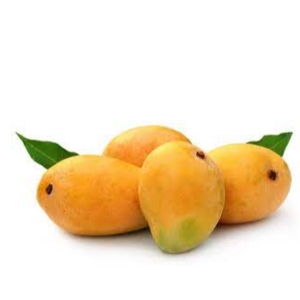
The catalogue covers five SKUs across fresh mango, canned and frozen jackfruit, and dried Pangasius. Fresh mangoes sit under HS 0804.50, the family covering mangoes, guavas and mangosteens, with Nam Dok Mai Si Thong typically traded at export grades of 14-18 fruits per 4 kg carton, brix readings of 14-17 percent at ripening, and skin free from sap burn and latex staining. Buyers in this category usually request pre-shipment inspections covering fruit size, weight uniformity, brix, and freedom from anthracnose and stem-end rot. Canned young jackfruit in brine is typically packed in No. 303 (8 oz) or A10 cans with drained weights of 200-400 g, while frozen young jackfruit is generally offered as IQF chunks or halves at 1 kg vacuum packs or 10-20 kg bulk cartons, with target moisture below 85 percent.

For the dried Pangasius line under HS 0305.59, the category typically spans whole dried fish, split-dried fish, and dried fillets, with moisture content commonly targeted at 15-20 percent and salt levels of 8-12 percent for shelf-stable ambient storage. Thai dried Pangasius is generally processed from farmed fish, with buyers frequently requesting histamine, heavy metal, and pesticide residue test reports. The mango and jackfruit SKUs share a common buyer base in the fresh and frozen tropical fruit trade, while the dried fish SKU addresses the Southeast Asian dried seafood segment that supplies both retail packs and food-service ingredients.

Trade and Export Information - Commellow Project Co., Ltd.

Thai fresh mango exports under HS 0804.50 traditionally flow to South Korea, Japan, China, Malaysia, Singapore, and the European Union, with air-freight used for premium cultivars like Nam Dok Mai Si Thong and reefer containers at 8-13 degrees Celsius for sea shipments. Canned and frozen jackfruit under HS 2008 (fruit otherwise prepared) and HS 0811 (frozen fruit) typically reach Indian, Vietnamese, UK, and US buyers, with Indian-diaspora demand driving much of the canned young jackfruit trade. Dried Pangasius under HS 0305.59 is commonly exported to African, South Asian, and Middle Eastern markets where dried catfish is a staple protein. Thailand's mango export context benefits from the country's phytosanitary protocols with major importers, and Nam Dok Mai shipments are usually accompanied by a phytosanitary certificate and, for protocol markets, irradiation or vapour heat treatment documentation.

Standard documentation for these categories typically includes a commercial invoice, packing list, bill of lading or airway bill, certificate of origin, phytosanitary certificate for fresh fruit, and health certificate for the dried fish line. Buyers of canned jackfruit under HS 2008.99 commonly request FDA registration for US-bound shipments and EU food-safety compliance documentation, while frozen jackfruit under HS 0811.90 generally requires HACCP-aligned production records and cold-chain temperature logs. Packaging norms for fresh mango are 4 kg corrugated cartons with foam netting, for canned jackfruit are 24 x A10 or 12 x No. 303 shrink-wrapped trays, and for dried Pangasius are 10-25 kg woven sacks or vacuum-packed retail cartons. Incoterms typically seen across these lanes include FOB Bangkok, CFR, and CIF for reefer and dry container shipments.

Sourcing from Commellow Project Co., Ltd. - Buyer Guidance

Buyers sourcing from Commellow Project Co., Ltd. should request the cultivar declaration and harvest week for the Nam Dok Mai Si Thong mango, plus a current brix reading and a phytosanitary certificate. For the canned and frozen jackfruit lines, confirm the drained weight, brine concentration (typically 2-3 percent salt), and for the frozen SKU, the IQF processing temperature and shelf life (commonly 18-24 months at minus 18 degrees Celsius). For the dried Pangasius under HS 0305.59, ask for moisture and salt percentages, histamine test results (commonly below 50 mg/kg for export grade), and confirmation of HACCP-aligned processing. Requesting samples of each SKU before container booking is standard practice across all three categories. Verify that the supplier can provide lot-traceable production records and that packaging meets the destination market's labelling rules, including allergen declarations on the dried fish line and country-of-origin marks on all retail-facing packs. Pre-shipment inspection by an independent surveyor (SGS, Bureau Veritas, or Intertek) is recommended for first orders, particularly for fresh mango shipments where cold-chain integrity at loading is critical.

Frequently Asked Questions About Commellow Project Co., Ltd.

What product categories does Commellow Project Co., Ltd. supply?

The supplier lists 5 active products from Bangkok, covering fresh Nam Dok Mai Si Thong mango under HS 0804.50, fresh mangoes, canned young jackfruit in brine, frozen young jackfruit, and dried Pangasius fish under HS 0305.59. The portfolio spans fresh fruit, processed fruit, and dried aquatic products.

Which HS code applies to the Nam Dok Mai Si Thong mango?

Fresh mangoes including Nam Dok Mai Si Thong fall under HS 0804.50, the heading covering mangoes, guavas and mangosteens. Canned young jackfruit is typically classified under HS 2008, and frozen young jackfruit under HS 0811.

Which certifications should buyers request for these product lines?

Buyers typically request a phytosanitary certificate for fresh mango, health and HACCP documentation for dried Pangasius under HS 0305.59, and FDA registration or EU food-safety compliance for canned jackfruit under HS 2008. Confirm any specific certifications held by the supplier directly.

What packaging is standard for the mango and jackfruit SKUs?

Nam Dok Mai Si Thong mango is typically packed in 4 kg corrugated cartons with foam sleeves, with export grades of 14-18 fruits per carton. Canned young jackfruit is commonly offered in A10 or No. 303 cans, and frozen young jackfruit in 1 kg vacuum packs or 10-20 kg cartons.

What quality parameters matter most for the dried Pangasius line?

Key parameters are moisture content (commonly 15-20 percent for ambient shelf stability), salt level (typically 8-12 percent), histamine (generally below 50 mg/kg), and absence of heavy metals and pesticide residues. Request a current Certificate of Analysis covering these parameters.

What is the typical shipping temperature for fresh Nam Dok Mai mango?

Fresh Nam Dok Mai Si Thong mango is generally shipped at 8-13 degrees Celsius in reefer containers for sea freight, with premium lots often air-freighted to reach destination markets within 2-4 days of packing.

What documents should accompany a shipment from this supplier?

Standard export documentation typically includes a commercial invoice, packing list, bill of lading or airway bill, certificate of origin, phytosanitary certificate for fresh fruit, and health certificate for dried fish. Protocol markets may require additional treatment certificates.

What is the usual MOQ and lead time for these products?

MOQ varies by SKU: fresh mango is often shipped in full reefer pallets (roughly 200-300 cartons), canned jackfruit in full pallet or container quantities, and dried Pangasius in 1-5 tonne lots. Lead times depend on harvest cycles for fresh fruit and production scheduling for processed lines, so confirm directly with the supplier at enquiry stage.


Other Suppliers in Mango

Top Trusted Suppliers

Related Products in Mango

Trending in Parent Category

More Suppliers in Parent Category

Related Products

Other Suppliers

EximNext
58.4K+ live requirements
Register Free🎁 5 free buy-lead credits
Post Requirement
🌍 Trusted by 224.4K+ businesses in 200+ countries|
58.4K+ active requirements right now
✉️ [email protected]
|
Sell on EximNextPost Requirement
EximNext
AgricultureApparelConstructionElectronicFoodHomeIndustrialMineralsMiscellaneous
🔥 Deals|✨ AI Match|🏭 Suppliers|📋 Buy Leads|💰 Trade Finance|⭐ Upgrade
58.4K+ live RFQs·194.4K+ suppliers
🎁 5 free credits →
EximNext
EximNext
Register Free
🎁 5 free buy-lead credits
Sign In
📋Post Requirement💬Get QuotesAI Match📋RFQ Marketplace
All Categories
Services & Tools
🏭Supplier Directory🔥Today's Deals💰Trade FinanceMembership
Sell on EximNext
AboutContactBlogHelp
Commellow Project Co., Ltd.

Commellow Project Co., Ltd.

🚢 Voyage
Country flag Bangkok, Thailand, Thailand
🛡️
62/100
Trust Score

Commellow Project Co., Ltd. Product Catalog

Showing 5 of 5 products
View all products →
Fresh Mangoes
🚢 Voyage
Fresh Mangoes
Contact
MOQ: 1 Unit
Young Jackfruit In Brine (Canned)
🚢 Voyage
Young Jackfruit In Brine (Canned)
Contact
MOQ: 1 Unit
Frozen Young Jackfruit
🚢 Voyage
Frozen Young Jackfruit
Contact
MOQ: 1 Unit
Dried Pangasius Fish
🚢 Voyage
Dried Pangasius Fish
Contact
MOQ: 1 Unit
Nam Dok Mai Si Thong (Golden) Mango
🚢 Voyage
Nam Dok Mai Si Thong (Golden) Mango
Contact
MOQ: 1 Unit

About Commellow Project Co., Ltd. - Fresh and Processed Fruit Exporter in Thailand

Commellow Project Co., Ltd. operates from Bangkok, Thailand, and lists 5 active products spanning fresh tropical fruit, processed fruit in brine, frozen fruit, and dried fish. The catalogue is anchored on Thai fresh mango under HS 0804.50 (Nam Dok Mai Si Thong, the golden-fleshed export cultivar), supported by fresh mangoes without a separately declared HS code, canned young jackfruit in brine, frozen young jackfruit, and dried Pangasius hypophthalmus (tra/basa catfish) under HS 0305.59. The product mix reflects the typical Thai export corridor that links the country's Central Plains orchards and aquaculture zones with overseas buyers in Asia, the Middle East, and Europe. Bangkok's position as a logistics hub with cold-chain access to Suvarnabhumi and Laem Chabang ports underpins the company's ability to move both fresh and processed goods on parallel shipping lanes.

The supplier's portfolio bridges three distinct commodity groups: fresh fruit (mango), processed fruit (canned and frozen jackfruit), and dried aquatic products (Pangasius). Nam Dok Mai Si Thong is one of Thailand's flagship mango varieties, recognised by its thin skin, golden-yellow flesh, low fibre content, and export-grade sizing typically graded by count per box. Canned young jackfruit in brine and frozen young jackfruit serve the ready-to-cook segment used across South and Southeast Asian cuisines. Dried Pangasius fillets or whole fish under HS 0305.59 fall within Chapter 03 fish and crustacean preparations, a category in which Thailand is one of the world's leading processors.

Product Range and Specialties of Commellow Project Co., Ltd.

The catalogue covers five SKUs across fresh mango, canned and frozen jackfruit, and dried Pangasius. Fresh mangoes sit under HS 0804.50, the family covering mangoes, guavas and mangosteens, with Nam Dok Mai Si Thong typically traded at export grades of 14-18 fruits per 4 kg carton, brix readings of 14-17 percent at ripening, and skin free from sap burn and latex staining. Buyers in this category usually request pre-shipment inspections covering fruit size, weight uniformity, brix, and freedom from anthracnose and stem-end rot. Canned young jackfruit in brine is typically packed in No. 303 (8 oz) or A10 cans with drained weights of 200-400 g, while frozen young jackfruit is generally offered as IQF chunks or halves at 1 kg vacuum packs or 10-20 kg bulk cartons, with target moisture below 85 percent.

For the dried Pangasius line under HS 0305.59, the category typically spans whole dried fish, split-dried fish, and dried fillets, with moisture content commonly targeted at 15-20 percent and salt levels of 8-12 percent for shelf-stable ambient storage. Thai dried Pangasius is generally processed from farmed fish, with buyers frequently requesting histamine, heavy metal, and pesticide residue test reports. The mango and jackfruit SKUs share a common buyer base in the fresh and frozen tropical fruit trade, while the dried fish SKU addresses the Southeast Asian dried seafood segment that supplies both retail packs and food-service ingredients.

Trade and Export Information - Commellow Project Co., Ltd.

Thai fresh mango exports under HS 0804.50 traditionally flow to South Korea, Japan, China, Malaysia, Singapore, and the European Union, with air-freight used for premium cultivars like Nam Dok Mai Si Thong and reefer containers at 8-13 degrees Celsius for sea shipments. Canned and frozen jackfruit under HS 2008 (fruit otherwise prepared) and HS 0811 (frozen fruit) typically reach Indian, Vietnamese, UK, and US buyers, with Indian-diaspora demand driving much of the canned young jackfruit trade. Dried Pangasius under HS 0305.59 is commonly exported to African, South Asian, and Middle Eastern markets where dried catfish is a staple protein. Thailand's mango export context benefits from the country's phytosanitary protocols with major importers, and Nam Dok Mai shipments are usually accompanied by a phytosanitary certificate and, for protocol markets, irradiation or vapour heat treatment documentation.

Standard documentation for these categories typically includes a commercial invoice, packing list, bill of lading or airway bill, certificate of origin, phytosanitary certificate for fresh fruit, and health certificate for the dried fish line. Buyers of canned jackfruit under HS 2008.99 commonly request FDA registration for US-bound shipments and EU food-safety compliance documentation, while frozen jackfruit under HS 0811.90 generally requires HACCP-aligned production records and cold-chain temperature logs. Packaging norms for fresh mango are 4 kg corrugated cartons with foam netting, for canned jackfruit are 24 x A10 or 12 x No. 303 shrink-wrapped trays, and for dried Pangasius are 10-25 kg woven sacks or vacuum-packed retail cartons. Incoterms typically seen across these lanes include FOB Bangkok, CFR, and CIF for reefer and dry container shipments.

Sourcing from Commellow Project Co., Ltd. - Buyer Guidance

Buyers sourcing from Commellow Project Co., Ltd. should request the cultivar declaration and harvest week for the Nam Dok Mai Si Thong mango, plus a current brix reading and a phytosanitary certificate. For the canned and frozen jackfruit lines, confirm the drained weight, brine concentration (typically 2-3 percent salt), and for the frozen SKU, the IQF processing temperature and shelf life (commonly 18-24 months at minus 18 degrees Celsius). For the dried Pangasius under HS 0305.59, ask for moisture and salt percentages, histamine test results (commonly below 50 mg/kg for export grade), and confirmation of HACCP-aligned processing. Requesting samples of each SKU before container booking is standard practice across all three categories. Verify that the supplier can provide lot-traceable production records and that packaging meets the destination market's labelling rules, including allergen declarations on the dried fish line and country-of-origin marks on all retail-facing packs. Pre-shipment inspection by an independent surveyor (SGS, Bureau Veritas, or Intertek) is recommended for first orders, particularly for fresh mango shipments where cold-chain integrity at loading is critical.

Frequently Asked Questions About Commellow Project Co., Ltd.

What product categories does Commellow Project Co., Ltd. supply?

The supplier lists 5 active products from Bangkok, covering fresh Nam Dok Mai Si Thong mango under HS 0804.50, fresh mangoes, canned young jackfruit in brine, frozen young jackfruit, and dried Pangasius fish under HS 0305.59. The portfolio spans fresh fruit, processed fruit, and dried aquatic products.

Which HS code applies to the Nam Dok Mai Si Thong mango?

Fresh mangoes including Nam Dok Mai Si Thong fall under HS 0804.50, the heading covering mangoes, guavas and mangosteens. Canned young jackfruit is typically classified under HS 2008, and frozen young jackfruit under HS 0811.

Which certifications should buyers request for these product lines?

Buyers typically request a phytosanitary certificate for fresh mango, health and HACCP documentation for dried Pangasius under HS 0305.59, and FDA registration or EU food-safety compliance for canned jackfruit under HS 2008. Confirm any specific certifications held by the supplier directly.

What packaging is standard for the mango and jackfruit SKUs?

Nam Dok Mai Si Thong mango is typically packed in 4 kg corrugated cartons with foam sleeves, with export grades of 14-18 fruits per carton. Canned young jackfruit is commonly offered in A10 or No. 303 cans, and frozen young jackfruit in 1 kg vacuum packs or 10-20 kg cartons.

What quality parameters matter most for the dried Pangasius line?

Key parameters are moisture content (commonly 15-20 percent for ambient shelf stability), salt level (typically 8-12 percent), histamine (generally below 50 mg/kg), and absence of heavy metals and pesticide residues. Request a current Certificate of Analysis covering these parameters.

What is the typical shipping temperature for fresh Nam Dok Mai mango?

Fresh Nam Dok Mai Si Thong mango is generally shipped at 8-13 degrees Celsius in reefer containers for sea freight, with premium lots often air-freighted to reach destination markets within 2-4 days of packing.

What documents should accompany a shipment from this supplier?

Standard export documentation typically includes a commercial invoice, packing list, bill of lading or airway bill, certificate of origin, phytosanitary certificate for fresh fruit, and health certificate for dried fish. Protocol markets may require additional treatment certificates.

What is the usual MOQ and lead time for these products?

MOQ varies by SKU: fresh mango is often shipped in full reefer pallets (roughly 200-300 cartons), canned jackfruit in full pallet or container quantities, and dried Pangasius in 1-5 tonne lots. Lead times depend on harvest cycles for fresh fruit and production scheduling for processed lines, so confirm directly with the supplier at enquiry stage.

About Commellow Project Co., Ltd. - Fresh and Processed Fruit Exporter in Thailand

Commellow Project Co., Ltd. operates from Bangkok, Thailand, and lists 5 active products spanning fresh tropical fruit, processed fruit in brine, frozen fruit, and dried fish. The catalogue is anchored on Thai fresh mango under HS 0804.50 (Nam Dok Mai Si Thong, the golden-fleshed export cultivar), supported by fresh mangoes without a separately declared HS code, canned young jackfruit in brine, frozen young jackfruit, and dried Pangasius hypophthalmus (tra/basa catfish) under HS 0305.59. The product mix reflects the typical Thai export corridor that links the country's Central Plains orchards and aquaculture zones with overseas buyers in Asia, the Middle East, and Europe. Bangkok's position as a logistics hub with cold-chain access to Suvarnabhumi and Laem Chabang ports underpins the company's ability to move both fresh and processed goods on parallel shipping lanes.

The supplier's portfolio bridges three distinct commodity groups: fresh fruit (mango), processed fruit (canned and frozen jackfruit), and dried aquatic products (Pangasius). Nam Dok Mai Si Thong is one of Thailand's flagship mango varieties, recognised by its thin skin, golden-yellow flesh, low fibre content, and export-grade sizing typically graded by count per box. Canned young jackfruit in brine and frozen young jackfruit serve the ready-to-cook segment used across South and Southeast Asian cuisines. Dried Pangasius fillets or whole fish under HS 0305.59 fall within Chapter 03 fish and crustacean preparations, a category in which Thailand is one of the world's leading processors.

Product Range and Specialties of Commellow Project Co., Ltd.

The catalogue covers five SKUs across fresh mango, canned and frozen jackfruit, and dried Pangasius. Fresh mangoes sit under HS 0804.50, the family covering mangoes, guavas and mangosteens, with Nam Dok Mai Si Thong typically traded at export grades of 14-18 fruits per 4 kg carton, brix readings of 14-17 percent at ripening, and skin free from sap burn and latex staining. Buyers in this category usually request pre-shipment inspections covering fruit size, weight uniformity, brix, and freedom from anthracnose and stem-end rot. Canned young jackfruit in brine is typically packed in No. 303 (8 oz) or A10 cans with drained weights of 200-400 g, while frozen young jackfruit is generally offered as IQF chunks or halves at 1 kg vacuum packs or 10-20 kg bulk cartons, with target moisture below 85 percent.

For the dried Pangasius line under HS 0305.59, the category typically spans whole dried fish, split-dried fish, and dried fillets, with moisture content commonly targeted at 15-20 percent and salt levels of 8-12 percent for shelf-stable ambient storage. Thai dried Pangasius is generally processed from farmed fish, with buyers frequently requesting histamine, heavy metal, and pesticide residue test reports. The mango and jackfruit SKUs share a common buyer base in the fresh and frozen tropical fruit trade, while the dried fish SKU addresses the Southeast Asian dried seafood segment that supplies both retail packs and food-service ingredients.

Trade and Export Information - Commellow Project Co., Ltd.

Thai fresh mango exports under HS 0804.50 traditionally flow to South Korea, Japan, China, Malaysia, Singapore, and the European Union, with air-freight used for premium cultivars like Nam Dok Mai Si Thong and reefer containers at 8-13 degrees Celsius for sea shipments. Canned and frozen jackfruit under HS 2008 (fruit otherwise prepared) and HS 0811 (frozen fruit) typically reach Indian, Vietnamese, UK, and US buyers, with Indian-diaspora demand driving much of the canned young jackfruit trade. Dried Pangasius under HS 0305.59 is commonly exported to African, South Asian, and Middle Eastern markets where dried catfish is a staple protein. Thailand's mango export context benefits from the country's phytosanitary protocols with major importers, and Nam Dok Mai shipments are usually accompanied by a phytosanitary certificate and, for protocol markets, irradiation or vapour heat treatment documentation.

Standard documentation for these categories typically includes a commercial invoice, packing list, bill of lading or airway bill, certificate of origin, phytosanitary certificate for fresh fruit, and health certificate for the dried fish line. Buyers of canned jackfruit under HS 2008.99 commonly request FDA registration for US-bound shipments and EU food-safety compliance documentation, while frozen jackfruit under HS 0811.90 generally requires HACCP-aligned production records and cold-chain temperature logs. Packaging norms for fresh mango are 4 kg corrugated cartons with foam netting, for canned jackfruit are 24 x A10 or 12 x No. 303 shrink-wrapped trays, and for dried Pangasius are 10-25 kg woven sacks or vacuum-packed retail cartons. Incoterms typically seen across these lanes include FOB Bangkok, CFR, and CIF for reefer and dry container shipments.

Sourcing from Commellow Project Co., Ltd. - Buyer Guidance

Buyers sourcing from Commellow Project Co., Ltd. should request the cultivar declaration and harvest week for the Nam Dok Mai Si Thong mango, plus a current brix reading and a phytosanitary certificate. For the canned and frozen jackfruit lines, confirm the drained weight, brine concentration (typically 2-3 percent salt), and for the frozen SKU, the IQF processing temperature and shelf life (commonly 18-24 months at minus 18 degrees Celsius). For the dried Pangasius under HS 0305.59, ask for moisture and salt percentages, histamine test results (commonly below 50 mg/kg for export grade), and confirmation of HACCP-aligned processing. Requesting samples of each SKU before container booking is standard practice across all three categories. Verify that the supplier can provide lot-traceable production records and that packaging meets the destination market's labelling rules, including allergen declarations on the dried fish line and country-of-origin marks on all retail-facing packs. Pre-shipment inspection by an independent surveyor (SGS, Bureau Veritas, or Intertek) is recommended for first orders, particularly for fresh mango shipments where cold-chain integrity at loading is critical.

Frequently Asked Questions About Commellow Project Co., Ltd.
What product categories does Commellow Project Co., Ltd. supply?
The supplier lists 5 active products from Bangkok, covering fresh Nam Dok Mai Si Thong mango under HS 0804.50, fresh mangoes, canned young jackfruit in brine, frozen young jackfruit, and dried Pangasius fish under HS 0305.59. The portfolio spans fresh fruit, processed fruit, and dried aquatic products.
Which HS code applies to the Nam Dok Mai Si Thong mango?
Fresh mangoes including Nam Dok Mai Si Thong fall under HS 0804.50, the heading covering mangoes, guavas and mangosteens. Canned young jackfruit is typically classified under HS 2008, and frozen young jackfruit under HS 0811.
Which certifications should buyers request for these product lines?
Buyers typically request a phytosanitary certificate for fresh mango, health and HACCP documentation for dried Pangasius under HS 0305.59, and FDA registration or EU food-safety compliance for canned jackfruit under HS 2008. Confirm any specific certifications held by the supplier directly.
What packaging is standard for the mango and jackfruit SKUs?
Nam Dok Mai Si Thong mango is typically packed in 4 kg corrugated cartons with foam sleeves, with export grades of 14-18 fruits per carton. Canned young jackfruit is commonly offered in A10 or No. 303 cans, and frozen young jackfruit in 1 kg vacuum packs or 10-20 kg cartons.
What quality parameters matter most for the dried Pangasius line?
Key parameters are moisture content (commonly 15-20 percent for ambient shelf stability), salt level (typically 8-12 percent), histamine (generally below 50 mg/kg), and absence of heavy metals and pesticide residues. Request a current Certificate of Analysis covering these parameters.
What is the typical shipping temperature for fresh Nam Dok Mai mango?
Fresh Nam Dok Mai Si Thong mango is generally shipped at 8-13 degrees Celsius in reefer containers for sea freight, with premium lots often air-freighted to reach destination markets within 2-4 days of packing.
What documents should accompany a shipment from this supplier?
Standard export documentation typically includes a commercial invoice, packing list, bill of lading or airway bill, certificate of origin, phytosanitary certificate for fresh fruit, and health certificate for dried fish. Protocol markets may require additional treatment certificates.
What is the usual MOQ and lead time for these products?
MOQ varies by SKU: fresh mango is often shipped in full reefer pallets (roughly 200-300 cartons), canned jackfruit in full pallet or container quantities, and dried Pangasius in 1-5 tonne lots. Lead times depend on harvest cycles for fresh fruit and production scheduling for processed lines, so confirm directly with the supplier at enquiry stage.

Commellow Project Co., Ltd.
Country flag Bangkok, Thailand, Thailand
🚢 Voyage
62/100
Trust Score
📦
5
Products
Free to contact — no commission
Escrow payment available
Verified business identity
Compare more suppliers
Post a requirement — get 10 quotes free
Let verified suppliers compete for your business. Free, fast, no commitment.
EximNext Verified Supplier
Business identity verified
Physical address confirmed
Financial history checked
Certifications authenticated
Trade references validated
Due Diligence
Verify this supplier's real shipping history.
Every shipment, every buyer, every port. Trade data that can't be faked.
Run due diligence →
Discover More

Related Suppliers & Products

Explore similar suppliers, related products and trending categories

Other Suppliers in Mango

Top Trusted Suppliers

Related Products in Mango

Trending in Parent Category

More Suppliers in Parent Category

Stay ahead in global trade
Weekly market insights & new supplier alerts.
EximNext
Exim Next is a leading global B2B marketplace, connecting over 205,000 verified suppliers and buyers across 200+ countries. As a trusted import export marketplace, it serves as the essential B2B portal for businesses worldwide, empowering them to expand their international reach. With Exim Next, businesses can trade smarter and grow faster.
SECURE PAYMENTS
VISAMastercardPayPalSWIFTL/CEscrow
Follow us
© 2026 EximNext