BD Export — Verified Wholesaler & Wholesale Supplier
About BD Export - Snacks Supplier in Australia
BD Export operates from Queensland, Australia and currently lists 18 distinct products in its catalogue. The catalogue covers frozen potato preparations, ready‑to‑eat snack items, vegetable‑based bites and two coffee bean offerings. Each product is identified with a specific HS‑code, such as 2004.10 for frozen french fries and 0901.11 for green coffee beans. The supplier’s portfolio therefore spans HS chapters 20 (prepared vegetables) and 09 (coffee).
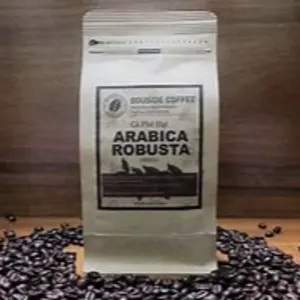
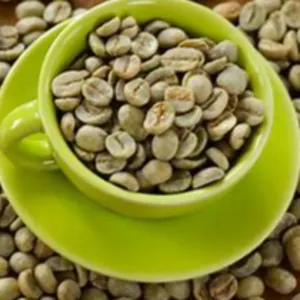
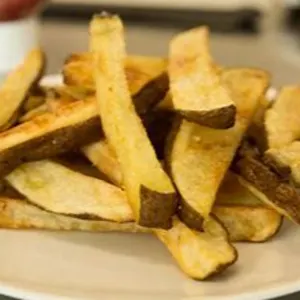
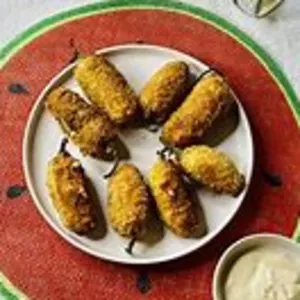
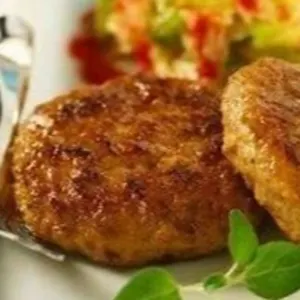
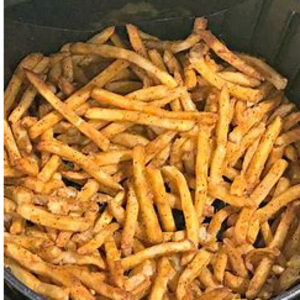
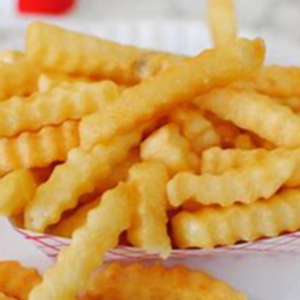
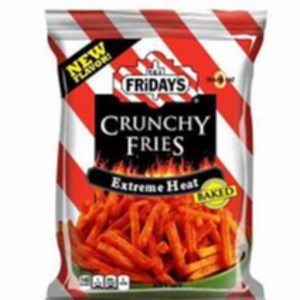
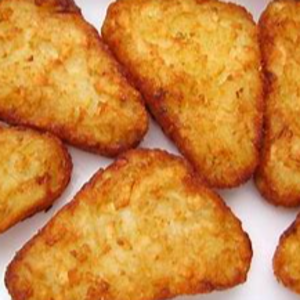
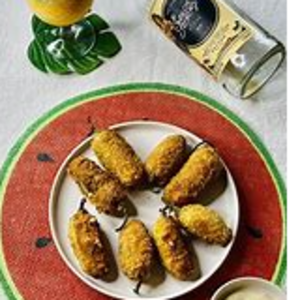
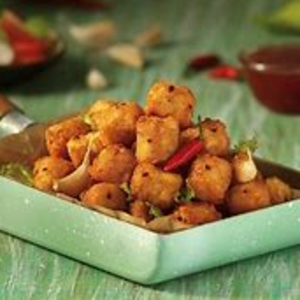
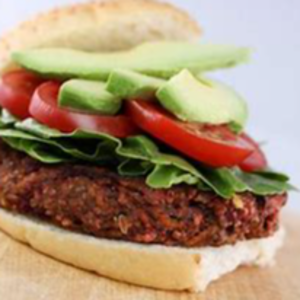
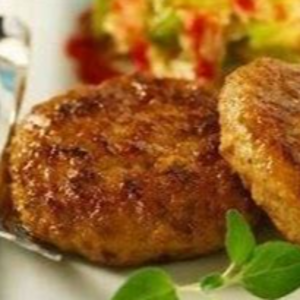
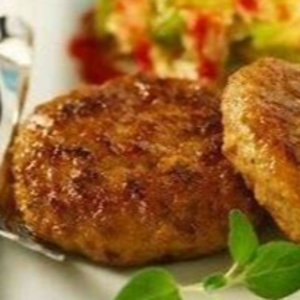
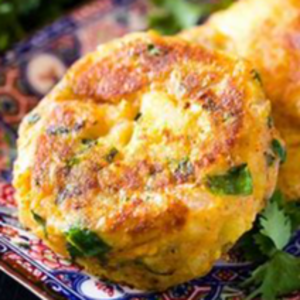
The frozen potato line includes frozen french fries, crinkle fries, crunchy fries, super crispy fries, hash brown and potato‑based puffets, all classified under HS 2004.x. Snack extensions comprise Tater Shotz (HS 1904.90), Jalapeno Cheesy Pops (HS 1905.90) and vegetable burger patty (HS 2106.90). Additional items such as Cheesy Paneer Patty (HS 1901.90) and Soy Patty (HS 6814.10) broaden the range. The coffee segment lists raw green Arabica/Robusta beans under HS 0901.11.
Product Range and Specialties of BD Export
The catalogue lists a variety of frozen potato products that in the industry are typically offered in standard thicknesses of 6‑9 mm, with a moisture content of 30‑35 % and frozen at - 18 °C to preserve texture. Quality grades often reference color (golden‑brown after frying), crispness measured by breaking force (≈2‑3 MPa) and oil uptake below 5 % for pre‑fried items. Snack items such as Tater Shotz or Jalapeno Cheesy Pops are usually produced with wheat‑based doughs, seasoned to a salt level of 1‑2 % and packaged in 10 kg bulk bags or 25 kg cartons for export. Coffee beans from Australia are commonly graded to ICUMSA 45, have moisture below 12 % and defect counts under 10 per 100 g, with origins disclosed on the certificate of analysis.
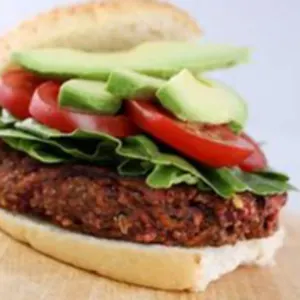
Vegetable‑based products like Cripsy Vaggie Bites or veg burger patty follow typical vegetable snack specifications: a blend of carrots, peas, corn and potatoes with a binding agent, a moisture range of 20‑25 % and a final product density of 0.4‑0.5 g/cm³. Soy‑based patties are produced from soy protein isolate with a protein content of at least 50 % and are often certified under non‑GMO standards. These industry benchmarks help buyers compare BD Export’s offerings against global snack standards.
Trade and Export Information - BD Export
Australian exporters of frozen potato products and ready‑to‑eat snacks generally ship to markets in East Asia, the Middle East and the European Union, where demand for convenient, shelf‑stable foods is strong. HS 2004 items are subject to phytosanitary certificates and, where applicable, HACCP or BRC food safety audits. Coffee beans under HS 0901 require a fumigation certificate for certain destination countries and are often accompanied by an organic certification if the beans are marketed as such. Shipping is typically performed in refrigerated containers (40 ft reefer) for frozen items, while dry snacks and coffee are packed in standard dry containers and may be shipped on CIF or FOB terms.
Australia’s strict biosecurity regime mandates pre‑export inspection by the Department of Agriculture, especially for fresh or minimally processed vegetables. Exporters therefore need to provide a phytosanitary certificate, a certificate of origin and, where required, an organic or halal certificate. Buyers should expect documentation that aligns with the importing country’s customs tariff (HS 2004.x, 1904.x, 0901.x) and any additional compliance such as EU food law or US FDA requirements.
Sourcing from BD Export - Buyer Guidance
Buyers should request a detailed product specification sheet that lists size distribution, moisture content, oil uptake (for fried items), and cooking or reheating instructions. For coffee, a certificate of analysis showing origin, bean grade (ICUMSA), moisture and defect count is standard. Verify that the HS code on the commercial invoice matches the product description and that the supplier can provide HACCP, ISO 22000 or BRC audit reports if food safety certification is required by the buyer’s market.
Before placing a large order, ask for a physical sample to assess texture, flavor and appearance, and confirm that packaging (e.g., 10 kg bulk bags for frozen fries, 25 kg cartons for snacks, 1 kg jute bags for coffee) meets the buyer’s logistics plan. Clarify the minimum order quantity, which for frozen items is often a full 20 ft container (≈20‑22 tons) and for coffee a minimum of 500 kg. Lead times for frozen products typically range from 30 to 45 days after order confirmation, allowing time for production, blast‑freezing and loading into reefer containers.
Frequently Asked Questions About BD Export
What types of frozen potato products does BD Export offer?
The catalogue includes frozen french fries, crinkle fries, crunchy fries, super crispy fries, hash brown, potato‑based puffets and potato‑based snack bites, all classified under HS 2004.x.
Which HS codes are used for the snack items?
Snack items use HS 1904.90 for extruded potato‑based snacks, HS 1905.90 for cheese‑based pops, HS 2106.90 for vegetable burger patties and HS 2008.99 for mixed vegetable bites.
Does BD Export provide coffee beans?
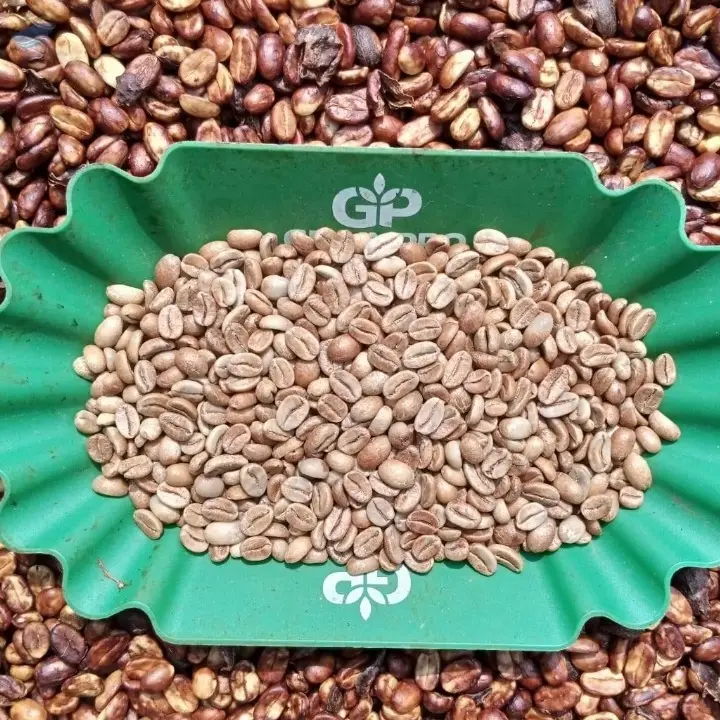
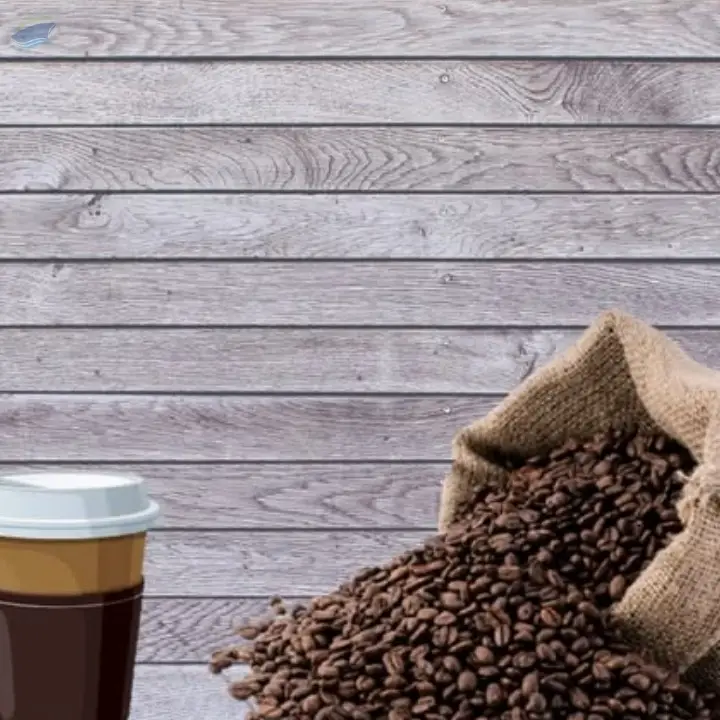
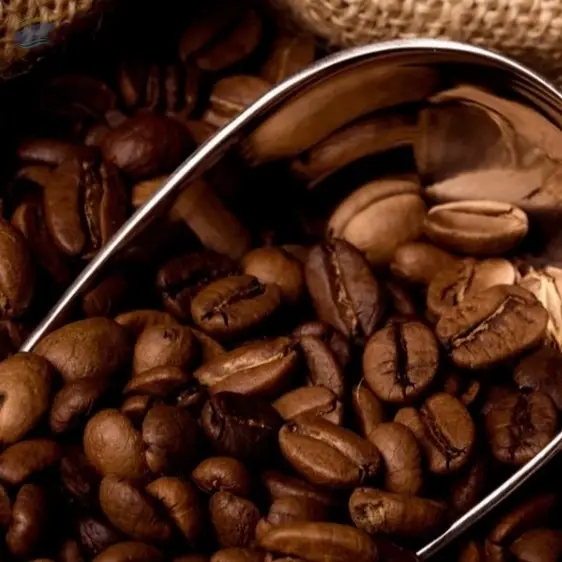
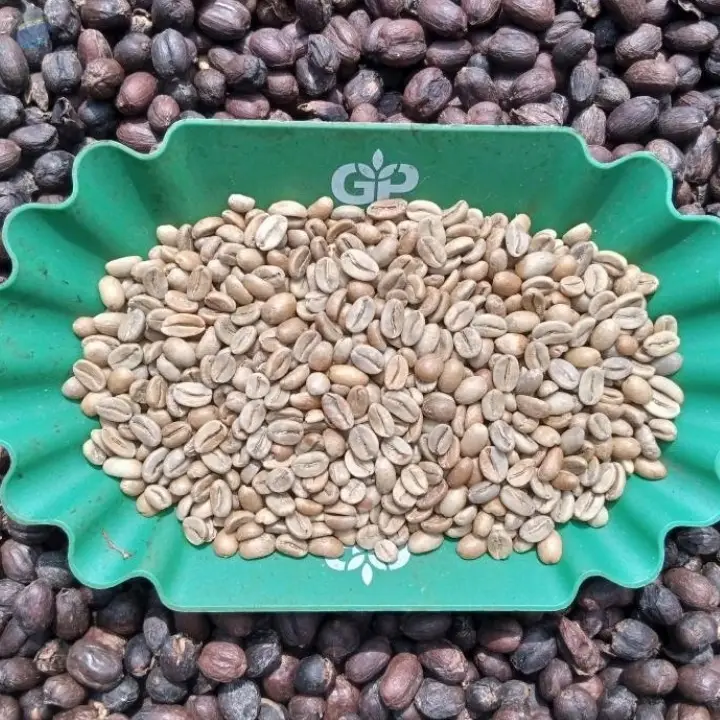
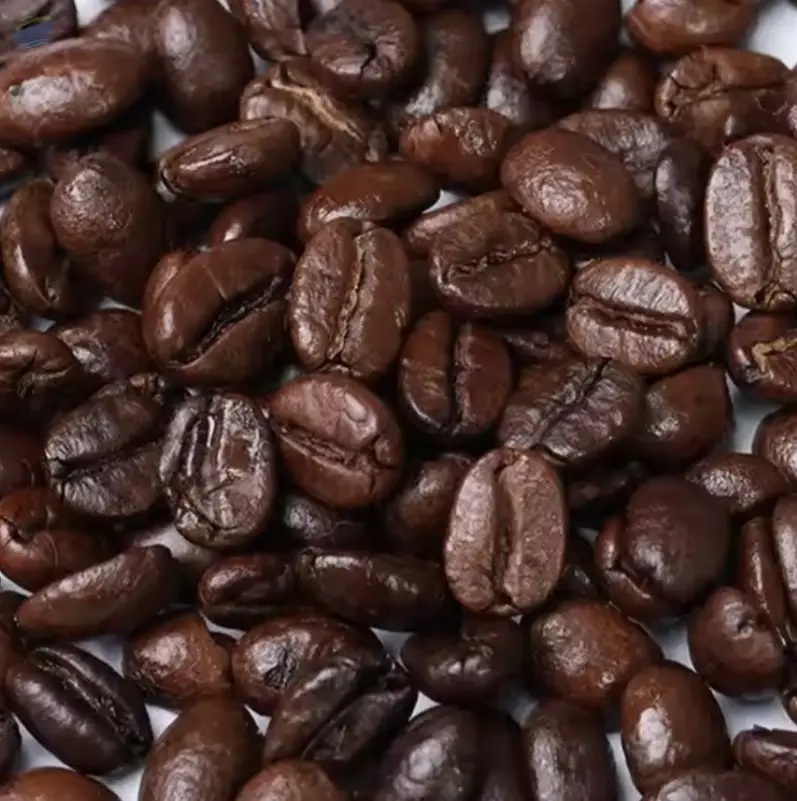
Yes, two coffee products are listed: Green Coffee and a Robusta‑Arabica blend, both under HS 0901.11 and sourced as raw, unroasted beans.
What certifications should a buyer request for these food products?
Buyers typically request HACCP or ISO 22000 food safety certificates, BRC audit reports for processed snacks, and organic certification if the product is marketed as organic. Phytosanitary certificates are required for fresh or minimally processed vegetable items.
What is the typical packaging for frozen fries?
Frozen fries are usually packed in insulated 10 kg bulk bags placed inside 20 ft refrigerated containers, with a total shipment weight of around 20‑22 tons per container.
What are the common minimum order quantities?
For frozen potato products the MOQ is generally one 20 ft reefer container (≈20‑22 tons). For dry snacks and coffee the MOQ is often 500 kg, shipped in standard dry containers.
What lead time should a buyer expect?
Lead time for frozen products is typically 30‑45 days after order confirmation, allowing for production, blast‑freezing and loading. Dry snack and coffee orders usually require 25‑35 days.
Which markets import Australian snack foods most frequently?
Key import markets include Japan, South Korea, Singapore, the United Arab Emirates and the European Union, where demand for convenient frozen and ready‑to‑eat snacks is high.




 , Australia