Guru Ji Traders — Verified Supplier

About Guru Ji Traders - Nuts & Seeds Supplier in India

Based in Kolkata, West Bengal, India, Guru Ji Traders lists five active products in its catalogue. The portfolio includes Makhana (fox‑nuts) classified under HS code 1212.99, Tea‑lranes under HS code 0902.40, Walnut under HS code 0802.32, Almonds under HS code 0802.12, and Kesar (saffron) under HS code 0910.20. Each entry specifies the material name that matches the product description, providing a clear reference for import documentation. The supplier’s tier is recorded as organic and its trust tier as voyage.

The product set focuses on edible nuts, seeds, tea leaves and a spice, reflecting common export categories from India. Walnut and Almonds fall under the broader “tree nuts” HS chapter 08, while Makhana is a water‑borne seed categorized in chapter 12. Tea‑lranes belong to chapter 09 tea products, and Kesar is listed under chapter 09 spices. The catalogue does not list additional items such as macadamia or garam masala, despite their presence in the broader category list.

Product Range and Specialties of Guru Ji Traders

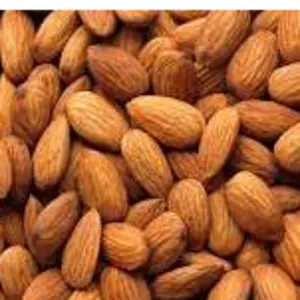
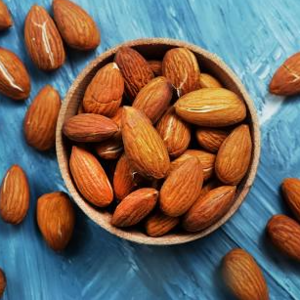
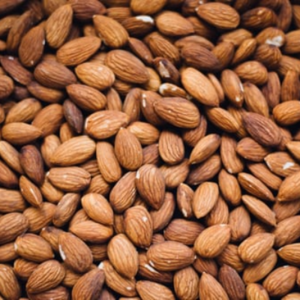
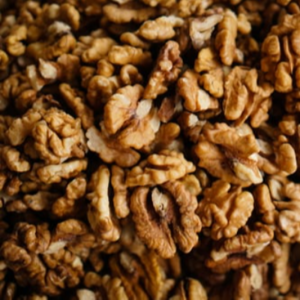
Walnut (HS 0802.32) is typically traded in kernel grades such as ‘English’ or ‘California’ with shell‑removal rates above 50 % and moisture below 5 %. Almonds (HS 0802.12) are commonly supplied in Grade A whole kernels, with a moisture content not exceeding 4 % and a shell‑to‑kernel ratio of about 0.5 kg per 1 kg kernel. Makhana (HS 1212.99) is usually exported as cleaned, dried seeds with a moisture level below 12 % and a size range of 4‑7 mm.

Tea‑lranes (HS 0902.40) are generally classified under orthodox or CTC grades, with leaf size specifications (e.g., BP1, PF1) and moisture limits of 4‑5 %. Kesar (HS 0910.20) is evaluated against ISO 3632 standards, where a colour index above 120 and a moisture content below 12 % are common for premium export batches. Typical packaging includes 10 kg polypropylene bags for nuts and seeds, 25 kg bulk bags for tea, and 100 g or 250 g sealed tins for saffron, all suitable for container loading.

Trade and Export Information - Guru Ji Traders

India is a major exporter of nuts, tea and saffron, with primary markets in the United Arab Emirates, Saudi Arabia, the European Union and the United States. HS chapter 08 nuts and HS chapter 09 tea and spices are subject to phytosanitary inspection under the Plant Protection Agreement, and many importers require FSSAI registration or ISO 22000 food‑safety certification for Indian suppliers. Container loads typically use 20‑foot or 40‑foot units, with nuts packed in 10 kg bags placed in wooden crates, tea in bulk bags, and saffron in sealed tins to protect against moisture.

The common Incoterms used for these commodities are FOB Kolkata and CIF Dubai, reflecting the established shipping lanes from the Kolkata port to Gulf and European hubs. Buyers frequently request a Certificate of Origin, a Phytosanitary Certificate, and where applicable, an organic certification for the nuts listed as organic tier. Compliance with maximum residue limits for pesticides and aflatoxin testing for walnuts and almonds is standard practice in the importing countries.

Sourcing from Guru Ji Traders - Buyer Guidance

Importers should ask for a recent laboratory analysis report that includes moisture content, aflatoxin levels (for walnuts and almonds) and pesticide residue results, all expressed in ppm. For Makhana, a moisture test and a size distribution chart help verify compliance with typical export specifications of ≤12 % moisture and 4‑7 mm seed size. Tea‑lranes buyers usually request a tea grade certificate indicating leaf size and a moisture test below 5 %.

For Kesar, request an ISO 3632 colour index certificate and a purity assay confirming ≥90 % crocin content. Sample quantities of 1 kg for nuts, 5 kg for tea and 10 g for saffron are common for initial quality verification. Confirm the supplier’s ability to meet container loading requirements, such as 10 kg bags for nuts stacked in 20‑foot containers, and clarify lead times, which typically range from 25 to 45 days from order confirmation.

Frequently Asked Questions About Guru Ji Traders

What HS codes apply to the products offered by Guru Ji Traders?

The catalogue lists Makhana under HS 1212.99, Tea‑lranes under HS 0902.40, Walnut under HS 0802.32, Almonds under HS 0802.12, and Kesar (saffron) under HS 0910.20.

Which quality specifications are commonly required for the walnut and almond products?

Importers usually require whole kernel grades with moisture ≤5 %, shell‑to‑kernel ratio around 0.5 kg/kg, and aflatoxin levels below 10 µg/kg, supported by a recent lab report.

How is Makhana (fox‑nuts) typically packaged for export?

Export packs often consist of 10 kg polypropylene bags placed in wooden crates, allowing roughly 200 kg per 20‑foot container, with moisture content not exceeding 12 %.

What certifications should a buyer request for the tea leaves?

Buyers generally ask for a tea grade certificate (e.g., BP1, PF1), a moisture test ≤5 %, and, if organic, an organic certification such as India Organic (NPOP) or USDA Organic.

What documentation is needed for Kesar (saffron) shipments?

Required documents include a Certificate of Origin, a phytosanitary certificate, and an ISO 3632 colour index certificate confirming colour strength and purity.

Which markets commonly import the product categories supplied by Guru Ji Traders?

Major import destinations for Indian nuts, tea and saffron are the United Arab Emirates, Saudi Arabia, the European Union (especially the Netherlands and Germany) and the United States.

What are typical lead times and minimum order quantities for these products?

Lead times usually range from 25 to 45 days after order confirmation; minimum order quantities are often 500 kg for nuts, 2 metric tonnes for tea and 100 g for saffron, but can vary by product and packaging.

Other Suppliers in Walnuts

Top Trusted Suppliers

Related Products in Walnuts

Trending in Parent Category

More Suppliers in Parent Category

Related Products

Other Suppliers

EximNext
58.4K+ live requirements
Register Free🎁 5 free buy-lead credits
Post Requirement
🌍 Trusted by 224.4K+ businesses in 200+ countries|
58.4K+ active requirements right now
✉️ [email protected]
|
Sell on EximNextPost Requirement
EximNext
AgricultureApparelConstructionElectronicFoodHomeIndustrialMineralsMiscellaneous
🔥 Deals|✨ AI Match|🏭 Suppliers|📋 Buy Leads|💰 Trade Finance|⭐ Upgrade
58.4K+ live RFQs·194.4K+ suppliers
🎁 5 free credits →
EximNext
EximNext
Register Free
🎁 5 free buy-lead credits
Sign In
📋Post Requirement💬Get QuotesAI Match📋RFQ Marketplace
All Categories
Services & Tools
🏭Supplier Directory🔥Today's Deals💰Trade FinanceMembership
Sell on EximNext
AboutContactBlogHelp
🏭

Guru Ji Traders

🚢 Voyage
Country flag Kolkata, India
🛡️
64/100
Trust Score

Guru Ji Traders Product Catalog

Showing 5 of 5 products
View all products →
Kesar
🚢 Voyage
Kesar
Contact
MOQ: 1 Unit
Almonds
🚢 Voyage
Almonds
Contact
MOQ: 1 Unit
Walnut
🚢 Voyage
Walnut
Contact
MOQ: 1 Unit
Tea-lranes
🚢 Voyage
Tea-lranes
Contact
MOQ: 1 Unit
Makhana(fox-nuts)
🚢 Voyage
Makhana(fox-nuts)
Contact
MOQ: 1 Unit

About Guru Ji Traders - Nuts & Seeds Supplier in India

Based in Kolkata, West Bengal, India, Guru Ji Traders lists five active products in its catalogue. The portfolio includes Makhana (fox‑nuts) classified under HS code 1212.99, Tea‑lranes under HS code 0902.40, Walnut under HS code 0802.32, Almonds under HS code 0802.12, and Kesar (saffron) under HS code 0910.20. Each entry specifies the material name that matches the product description, providing a clear reference for import documentation. The supplier’s tier is recorded as organic and its trust tier as voyage.

The product set focuses on edible nuts, seeds, tea leaves and a spice, reflecting common export categories from India. Walnut and Almonds fall under the broader “tree nuts” HS chapter 08, while Makhana is a water‑borne seed categorized in chapter 12. Tea‑lranes belong to chapter 09 tea products, and Kesar is listed under chapter 09 spices. The catalogue does not list additional items such as macadamia or garam masala, despite their presence in the broader category list.

Product Range and Specialties of Guru Ji Traders

Walnut (HS 0802.32) is typically traded in kernel grades such as ‘English’ or ‘California’ with shell‑removal rates above 50 % and moisture below 5 %. Almonds (HS 0802.12) are commonly supplied in Grade A whole kernels, with a moisture content not exceeding 4 % and a shell‑to‑kernel ratio of about 0.5 kg per 1 kg kernel. Makhana (HS 1212.99) is usually exported as cleaned, dried seeds with a moisture level below 12 % and a size range of 4‑7 mm.

Tea‑lranes (HS 0902.40) are generally classified under orthodox or CTC grades, with leaf size specifications (e.g., BP1, PF1) and moisture limits of 4‑5 %. Kesar (HS 0910.20) is evaluated against ISO 3632 standards, where a colour index above 120 and a moisture content below 12 % are common for premium export batches. Typical packaging includes 10 kg polypropylene bags for nuts and seeds, 25 kg bulk bags for tea, and 100 g or 250 g sealed tins for saffron, all suitable for container loading.

Trade and Export Information - Guru Ji Traders

India is a major exporter of nuts, tea and saffron, with primary markets in the United Arab Emirates, Saudi Arabia, the European Union and the United States. HS chapter 08 nuts and HS chapter 09 tea and spices are subject to phytosanitary inspection under the Plant Protection Agreement, and many importers require FSSAI registration or ISO 22000 food‑safety certification for Indian suppliers. Container loads typically use 20‑foot or 40‑foot units, with nuts packed in 10 kg bags placed in wooden crates, tea in bulk bags, and saffron in sealed tins to protect against moisture.

The common Incoterms used for these commodities are FOB Kolkata and CIF Dubai, reflecting the established shipping lanes from the Kolkata port to Gulf and European hubs. Buyers frequently request a Certificate of Origin, a Phytosanitary Certificate, and where applicable, an organic certification for the nuts listed as organic tier. Compliance with maximum residue limits for pesticides and aflatoxin testing for walnuts and almonds is standard practice in the importing countries.

Sourcing from Guru Ji Traders - Buyer Guidance

Importers should ask for a recent laboratory analysis report that includes moisture content, aflatoxin levels (for walnuts and almonds) and pesticide residue results, all expressed in ppm. For Makhana, a moisture test and a size distribution chart help verify compliance with typical export specifications of ≤12 % moisture and 4‑7 mm seed size. Tea‑lranes buyers usually request a tea grade certificate indicating leaf size and a moisture test below 5 %.

For Kesar, request an ISO 3632 colour index certificate and a purity assay confirming ≥90 % crocin content. Sample quantities of 1 kg for nuts, 5 kg for tea and 10 g for saffron are common for initial quality verification. Confirm the supplier’s ability to meet container loading requirements, such as 10 kg bags for nuts stacked in 20‑foot containers, and clarify lead times, which typically range from 25 to 45 days from order confirmation.

Frequently Asked Questions About Guru Ji Traders

What HS codes apply to the products offered by Guru Ji Traders?

The catalogue lists Makhana under HS 1212.99, Tea‑lranes under HS 0902.40, Walnut under HS 0802.32, Almonds under HS 0802.12, and Kesar (saffron) under HS 0910.20.

Which quality specifications are commonly required for the walnut and almond products?

Importers usually require whole kernel grades with moisture ≤5 %, shell‑to‑kernel ratio around 0.5 kg/kg, and aflatoxin levels below 10 µg/kg, supported by a recent lab report.

How is Makhana (fox‑nuts) typically packaged for export?

Export packs often consist of 10 kg polypropylene bags placed in wooden crates, allowing roughly 200 kg per 20‑foot container, with moisture content not exceeding 12 %.

What certifications should a buyer request for the tea leaves?

Buyers generally ask for a tea grade certificate (e.g., BP1, PF1), a moisture test ≤5 %, and, if organic, an organic certification such as India Organic (NPOP) or USDA Organic.

What documentation is needed for Kesar (saffron) shipments?

Required documents include a Certificate of Origin, a phytosanitary certificate, and an ISO 3632 colour index certificate confirming colour strength and purity.

Which markets commonly import the product categories supplied by Guru Ji Traders?

Major import destinations for Indian nuts, tea and saffron are the United Arab Emirates, Saudi Arabia, the European Union (especially the Netherlands and Germany) and the United States.

What are typical lead times and minimum order quantities for these products?

Lead times usually range from 25 to 45 days after order confirmation; minimum order quantities are often 500 kg for nuts, 2 metric tonnes for tea and 100 g for saffron, but can vary by product and packaging.

About Guru Ji Traders - Nuts & Seeds Supplier in India

Based in Kolkata, West Bengal, India, Guru Ji Traders lists five active products in its catalogue. The portfolio includes Makhana (fox‑nuts) classified under HS code 1212.99, Tea‑lranes under HS code 0902.40, Walnut under HS code 0802.32, Almonds under HS code 0802.12, and Kesar (saffron) under HS code 0910.20. Each entry specifies the material name that matches the product description, providing a clear reference for import documentation. The supplier’s tier is recorded as organic and its trust tier as voyage.

The product set focuses on edible nuts, seeds, tea leaves and a spice, reflecting common export categories from India. Walnut and Almonds fall under the broader “tree nuts” HS chapter 08, while Makhana is a water‑borne seed categorized in chapter 12. Tea‑lranes belong to chapter 09 tea products, and Kesar is listed under chapter 09 spices. The catalogue does not list additional items such as macadamia or garam masala, despite their presence in the broader category list.

Product Range and Specialties of Guru Ji Traders

Walnut (HS 0802.32) is typically traded in kernel grades such as ‘English’ or ‘California’ with shell‑removal rates above 50 % and moisture below 5 %. Almonds (HS 0802.12) are commonly supplied in Grade A whole kernels, with a moisture content not exceeding 4 % and a shell‑to‑kernel ratio of about 0.5 kg per 1 kg kernel. Makhana (HS 1212.99) is usually exported as cleaned, dried seeds with a moisture level below 12 % and a size range of 4‑7 mm.

Tea‑lranes (HS 0902.40) are generally classified under orthodox or CTC grades, with leaf size specifications (e.g., BP1, PF1) and moisture limits of 4‑5 %. Kesar (HS 0910.20) is evaluated against ISO 3632 standards, where a colour index above 120 and a moisture content below 12 % are common for premium export batches. Typical packaging includes 10 kg polypropylene bags for nuts and seeds, 25 kg bulk bags for tea, and 100 g or 250 g sealed tins for saffron, all suitable for container loading.

Trade and Export Information - Guru Ji Traders

India is a major exporter of nuts, tea and saffron, with primary markets in the United Arab Emirates, Saudi Arabia, the European Union and the United States. HS chapter 08 nuts and HS chapter 09 tea and spices are subject to phytosanitary inspection under the Plant Protection Agreement, and many importers require FSSAI registration or ISO 22000 food‑safety certification for Indian suppliers. Container loads typically use 20‑foot or 40‑foot units, with nuts packed in 10 kg bags placed in wooden crates, tea in bulk bags, and saffron in sealed tins to protect against moisture.

The common Incoterms used for these commodities are FOB Kolkata and CIF Dubai, reflecting the established shipping lanes from the Kolkata port to Gulf and European hubs. Buyers frequently request a Certificate of Origin, a Phytosanitary Certificate, and where applicable, an organic certification for the nuts listed as organic tier. Compliance with maximum residue limits for pesticides and aflatoxin testing for walnuts and almonds is standard practice in the importing countries.

Sourcing from Guru Ji Traders - Buyer Guidance

Importers should ask for a recent laboratory analysis report that includes moisture content, aflatoxin levels (for walnuts and almonds) and pesticide residue results, all expressed in ppm. For Makhana, a moisture test and a size distribution chart help verify compliance with typical export specifications of ≤12 % moisture and 4‑7 mm seed size. Tea‑lranes buyers usually request a tea grade certificate indicating leaf size and a moisture test below 5 %.

For Kesar, request an ISO 3632 colour index certificate and a purity assay confirming ≥90 % crocin content. Sample quantities of 1 kg for nuts, 5 kg for tea and 10 g for saffron are common for initial quality verification. Confirm the supplier’s ability to meet container loading requirements, such as 10 kg bags for nuts stacked in 20‑foot containers, and clarify lead times, which typically range from 25 to 45 days from order confirmation.

Frequently Asked Questions About Guru Ji Traders
What HS codes apply to the products offered by Guru Ji Traders?
The catalogue lists Makhana under HS 1212.99, Tea‑lranes under HS 0902.40, Walnut under HS 0802.32, Almonds under HS 0802.12, and Kesar (saffron) under HS 0910.20.
Which quality specifications are commonly required for the walnut and almond products?
Importers usually require whole kernel grades with moisture ≤5 %, shell‑to‑kernel ratio around 0.5 kg/kg, and aflatoxin levels below 10 µg/kg, supported by a recent lab report.
How is Makhana (fox‑nuts) typically packaged for export?
Export packs often consist of 10 kg polypropylene bags placed in wooden crates, allowing roughly 200 kg per 20‑foot container, with moisture content not exceeding 12 %.
What certifications should a buyer request for the tea leaves?
Buyers generally ask for a tea grade certificate (e.g., BP1, PF1), a moisture test ≤5 %, and, if organic, an organic certification such as India Organic (NPOP) or USDA Organic.
What documentation is needed for Kesar (saffron) shipments?
Required documents include a Certificate of Origin, a phytosanitary certificate, and an ISO 3632 colour index certificate confirming colour strength and purity.
Which markets commonly import the product categories supplied by Guru Ji Traders?
Major import destinations for Indian nuts, tea and saffron are the United Arab Emirates, Saudi Arabia, the European Union (especially the Netherlands and Germany) and the United States.
What are typical lead times and minimum order quantities for these products?
Lead times usually range from 25 to 45 days after order confirmation; minimum order quantities are often 500 kg for nuts, 2 metric tonnes for tea and 100 g for saffron, but can vary by product and packaging.

🏭
Guru Ji Traders
Country flag Kolkata, India
🚢 Voyage
64/100
Trust Score
📦
5
Products
Free to contact — no commission
Escrow payment available
Verified business identity
Compare more suppliers
Post a requirement — get 10 quotes free
Let verified suppliers compete for your business. Free, fast, no commitment.
EximNext Verified Supplier
Business identity verified
Physical address confirmed
Financial history checked
Certifications authenticated
Trade references validated
Due Diligence
Verify this supplier's real shipping history.
Every shipment, every buyer, every port. Trade data that can't be faked.
Run due diligence →
Discover More

Related Suppliers & Products

Explore similar suppliers, related products and trending categories

Other Suppliers in Walnuts

Top Trusted Suppliers

Related Products in Walnuts

Trending in Parent Category

More Suppliers in Parent Category

Stay ahead in global trade
Weekly market insights & new supplier alerts.
EximNext
Exim Next is a leading global B2B marketplace, connecting over 205,000 verified suppliers and buyers across 200+ countries. As a trusted import export marketplace, it serves as the essential B2B portal for businesses worldwide, empowering them to expand their international reach. With Exim Next, businesses can trade smarter and grow faster.
SECURE PAYMENTS
VISAMastercardPayPalSWIFTL/CEscrow
Follow us
© 2026 EximNext