Apollosense Ltd. — Supplier

About Apollosense Ltd. - Electric Sensors Supplier in China

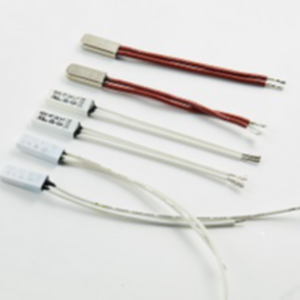
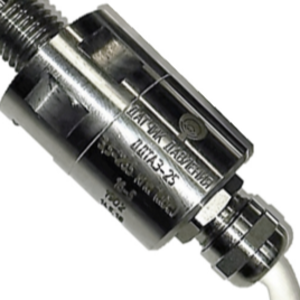
Apollosense Ltd. is registered in China and currently lists five active products in its catalogue. All entries belong to the electric sensor category, specifically humidity, temperature, optical particle and oxygen sensing devices, each classified under the broader HS‑6 heading 9026 for measuring and testing instruments. The listed items include Capacitive Humidity Sensors, Frequency Output Humidity Sensors model Htf3226lf, a low‑cost combined humidity and temperature sensor (HTU21D), an Optical Particle Sensor for PM2.5 (OPC‑N2) and an Oxygen Sensor KE‑25F3 with a screw‑thread connection. The catalogue does not provide individual HS codes, but the product types are typical of electronic sensor modules used in industrial and consumer equipment. The supplier is identified as an imported tier with a harbor trust rating, indicating standard verification by the hosting platform.

Product Range and Specialties of Apollosense Ltd.

The product list covers three main sensor families: relative humidity sensors (both capacitive and frequency‑output types), combined humidity‑temperature modules, and particulate‑matter optical sensors, plus a dedicated oxygen sensor with a mechanical thread interface. In the humidity sensor market, manufacturers often specify accuracy of ±2 % RH, response time under 10 s, and operating temperature ranges from - 40 °C to 125 °C, while frequency‑output versions may use linearization curves to simplify integration. Optical particle sensors for PM2.5 typically operate on laser scattering principles, offering detection limits near 1 µg/m³ and data output via UART or I²C. Oxygen sensors of the KE‑25F3 style are usually calibrated for 0‑25 % O₂, with response times under 30 s and stainless‑steel thread fittings for process‑line installation. Industry standards such as IEC 60730 for environmental testing, IEC 60529 for ingress protection, and IEC 61326 for electromagnetic compatibility are commonly referenced for these device classes.

Trade and Export Information - Apollosense Ltd.

Exporters of electronic sensors from China commonly ship to equipment manufacturers in Europe, North America and Southeast Asia, where demand is driven by HVAC, air‑quality monitoring, and industrial process control applications. The HS‑6 heading 9026 is subject to customs scrutiny for electronic measurement devices, and buyers often request CE marking, RoHS compliance and, where applicable, FCC certification for electromagnetic emissions. Typical packaging involves anti‑static poly‑bags within corrugated cartons, sized to fit 20‑ft or 40‑ft containers with a gross weight around 1 t per container for the listed five SKUs. Incoterms such as FOB Shanghai or CIF Shanghai are frequently used, with buyers arranging forward‑er freight to ports in Hamburg, Los Angeles or Singapore. Chinese exporters of sensor modules also provide test reports from accredited labs to satisfy import‑country regulatory bodies, especially for safety‑critical installations.

Sourcing from Apollosense Ltd. - Buyer Guidance

When sourcing from Apollosense Ltd., request the latest datasheet for each sensor model, including accuracy, tolerance, operating temperature and humidity ranges, and electrical interface specifications. Ask for calibration certificates or test reports that verify compliance with IEC 60730 or IEC 60529, as well as evidence of CE and RoHS conformity for electronic components. Verify the mechanical specifications of the oxygen sensor thread (size, pitch, material) to ensure compatibility with downstream equipment. Request a sample unit before committing to larger volumes to assess signal stability and integration ease, and confirm the packaging dimensions and container loading plan to avoid unexpected freight costs.

Frequently Asked Questions About Apollosense Ltd.

What types of humidity sensors does Apollosense Ltd. offer?

The catalogue lists a capacitive humidity sensor, a frequency‑output humidity sensor model Htf3226lf, and a combined humidity‑temperature sensor (HTU21D), each designed for relative humidity measurement in industrial or consumer environments.

Does the supplier provide specifications for the optical particle sensor?

Yes, the OPC‑N2 optical particle sensor is listed for PM2.5 detection and typically includes laser‑scattering measurement, data output via UART/I²C, and a detection limit near 1 µg/m³ as standard for this class of devices.

What are the common certifications required for these sensors?

Buyers usually request CE marking, RoHS compliance and IEC test reports (e.g., IEC 60730 for environmental testing, IEC 60529 for ingress protection) to satisfy import regulations and equipment integration standards.

How should I verify the oxygen sensor’s mechanical fit?

Ask for the thread dimensions, material (often stainless steel), and pressure rating; the KE‑25F3 model uses a standard screw‑thread connection that can be cross‑checked against the target system’s specifications.

What is a typical minimum order quantity and lead time for these sensor modules?

Lead times for electronic sensor modules from China range from 2 to 6 weeks after order confirmation, and minimum order quantities often start at 500 units per SKU, though exact figures depend on the specific model and packaging requirements.

Which packaging and shipping methods are standard for these products?

Sensors are usually packed in anti‑static bags placed inside reinforced corrugated cartons, then loaded into 20‑ft or 40‑ft containers under FOB or CIF terms, with freight routes commonly directed to major ports in Europe, North America or Southeast Asia.


Other Suppliers in Electric Sensors

Top Trusted Suppliers

Related Products in Electric Sensors

Trending in Parent Category

More Suppliers in Parent Category

Related Products

Other Suppliers

EximNext
7.1K+ live requirements
Register Free🎁 Reach global buyers
Post Requirement
🌍 Trusted by 225K+ businesses in 200+ countries|
7.1K+ active requirements right now
✉️ [email protected]
|
Sell on EximNextPost Requirement
EximNext
AgricultureApparelConstructionElectronicFoodHomeIndustrialMineralsMiscellaneous
🔥 Deals|✨ AI Match|🏭 Suppliers|📋 Buy Leads|💰 Trade Finance
7.1K+ live RFQs·194.8K+ suppliers
🎁 Reach global buyers →
EximNext
EximNext
Register Free
🎁 Reach global buyers
Sign In
📋Post Requirement💬Get Quotes✨AI Match📋RFQ Marketplace
All Categories
Services & Tools
🏭Supplier Directory🔥Today's Deals💰Trade Finance
Sell on EximNext →
AboutContactBlogHelp
Electronics  ·  China
5
products listed

Apollosense Ltd.

⚓ Harbor
Country flag , ChinaNew supplier / no reviews yet
🛡️
56/100
Trust Score

Apollosense Ltd. Product Catalog

Showing 5 of 5 products
View all products →
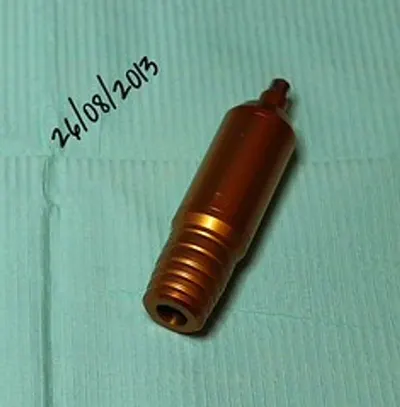
Oxygen Sensor KE-25F3 Screw Thread Connection
⚓ Harbor
Oxygen Sensor KE-25F3 Screw Thread Connection
Contact
MOQ: 1 Unit
Optical Particle Sensor PM2.5  OPC-N2
⚓ Harbor
Optical Particle Sensor PM2.5 OPC-N2
Contact
MOQ: 1 Unit
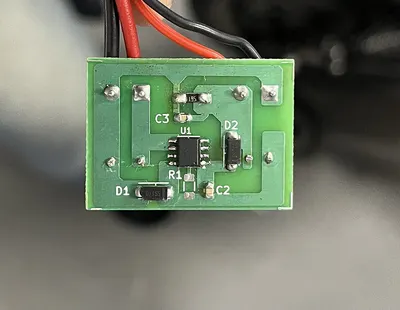
Low cost Humidity and Temperature sensor- HTU21D
⚓ Harbor
Low cost Humidity and Temperature sensor- HTU21D
Contact
MOQ: 1 Unit
Frequency Output Humidity Sensors Htf3226lf
⚓ Harbor
Frequency Output Humidity Sensors Htf3226lf
Contact
MOQ: 1 Unit
Capacitive Humidity Sensors
⚓ Harbor
Capacitive Humidity Sensors
Contact
MOQ: 1 Unit

About Apollosense Ltd. - Electric Sensors Supplier in China

Apollosense Ltd. is registered in China and currently lists five active products in its catalogue. All entries belong to the electric sensor category, specifically humidity, temperature, optical particle and oxygen sensing devices, each classified under the broader HS‑6 heading 9026 for measuring and testing instruments. The listed items include Capacitive Humidity Sensors, Frequency Output Humidity Sensors model Htf3226lf, a low‑cost combined humidity and temperature sensor (HTU21D), an Optical Particle Sensor for PM2.5 (OPC‑N2) and an Oxygen Sensor KE‑25F3 with a screw‑thread connection. The catalogue does not provide individual HS codes, but the product types are typical of electronic sensor modules used in industrial and consumer equipment. The supplier is identified as an imported tier with a harbor trust rating, indicating standard verification by the hosting platform.

Product Range and Specialties of Apollosense Ltd.

The product list covers three main sensor families: relative humidity sensors (both capacitive and frequency‑output types), combined humidity‑temperature modules, and particulate‑matter optical sensors, plus a dedicated oxygen sensor with a mechanical thread interface. In the humidity sensor market, manufacturers often specify accuracy of ±2 % RH, response time under 10 s, and operating temperature ranges from - 40 °C to 125 °C, while frequency‑output versions may use linearization curves to simplify integration. Optical particle sensors for PM2.5 typically operate on laser scattering principles, offering detection limits near 1 µg/m³ and data output via UART or I²C. Oxygen sensors of the KE‑25F3 style are usually calibrated for 0‑25 % O₂, with response times under 30 s and stainless‑steel thread fittings for process‑line installation. Industry standards such as IEC 60730 for environmental testing, IEC 60529 for ingress protection, and IEC 61326 for electromagnetic compatibility are commonly referenced for these device classes.

Trade and Export Information - Apollosense Ltd.

Exporters of electronic sensors from China commonly ship to equipment manufacturers in Europe, North America and Southeast Asia, where demand is driven by HVAC, air‑quality monitoring, and industrial process control applications. The HS‑6 heading 9026 is subject to customs scrutiny for electronic measurement devices, and buyers often request CE marking, RoHS compliance and, where applicable, FCC certification for electromagnetic emissions. Typical packaging involves anti‑static poly‑bags within corrugated cartons, sized to fit 20‑ft or 40‑ft containers with a gross weight around 1 t per container for the listed five SKUs. Incoterms such as FOB Shanghai or CIF Shanghai are frequently used, with buyers arranging forward‑er freight to ports in Hamburg, Los Angeles or Singapore. Chinese exporters of sensor modules also provide test reports from accredited labs to satisfy import‑country regulatory bodies, especially for safety‑critical installations.

Sourcing from Apollosense Ltd. - Buyer Guidance

When sourcing from Apollosense Ltd., request the latest datasheet for each sensor model, including accuracy, tolerance, operating temperature and humidity ranges, and electrical interface specifications. Ask for calibration certificates or test reports that verify compliance with IEC 60730 or IEC 60529, as well as evidence of CE and RoHS conformity for electronic components. Verify the mechanical specifications of the oxygen sensor thread (size, pitch, material) to ensure compatibility with downstream equipment. Request a sample unit before committing to larger volumes to assess signal stability and integration ease, and confirm the packaging dimensions and container loading plan to avoid unexpected freight costs.

Frequently Asked Questions About Apollosense Ltd.

What types of humidity sensors does Apollosense Ltd. offer?

The catalogue lists a capacitive humidity sensor, a frequency‑output humidity sensor model Htf3226lf, and a combined humidity‑temperature sensor (HTU21D), each designed for relative humidity measurement in industrial or consumer environments.

Does the supplier provide specifications for the optical particle sensor?

Yes, the OPC‑N2 optical particle sensor is listed for PM2.5 detection and typically includes laser‑scattering measurement, data output via UART/I²C, and a detection limit near 1 µg/m³ as standard for this class of devices.

What are the common certifications required for these sensors?

Buyers usually request CE marking, RoHS compliance and IEC test reports (e.g., IEC 60730 for environmental testing, IEC 60529 for ingress protection) to satisfy import regulations and equipment integration standards.

How should I verify the oxygen sensor’s mechanical fit?

Ask for the thread dimensions, material (often stainless steel), and pressure rating; the KE‑25F3 model uses a standard screw‑thread connection that can be cross‑checked against the target system’s specifications.

What is a typical minimum order quantity and lead time for these sensor modules?

Lead times for electronic sensor modules from China range from 2 to 6 weeks after order confirmation, and minimum order quantities often start at 500 units per SKU, though exact figures depend on the specific model and packaging requirements.

Which packaging and shipping methods are standard for these products?

Sensors are usually packed in anti‑static bags placed inside reinforced corrugated cartons, then loaded into 20‑ft or 40‑ft containers under FOB or CIF terms, with freight routes commonly directed to major ports in Europe, North America or Southeast Asia.

About Apollosense Ltd. - Electric Sensors Supplier in China

Apollosense Ltd. is registered in China and currently lists five active products in its catalogue. All entries belong to the electric sensor category, specifically humidity, temperature, optical particle and oxygen sensing devices, each classified under the broader HS‑6 heading 9026 for measuring and testing instruments. The listed items include Capacitive Humidity Sensors, Frequency Output Humidity Sensors model Htf3226lf, a low‑cost combined humidity and temperature sensor (HTU21D), an Optical Particle Sensor for PM2.5 (OPC‑N2) and an Oxygen Sensor KE‑25F3 with a screw‑thread connection. The catalogue does not provide individual HS codes, but the product types are typical of electronic sensor modules used in industrial and consumer equipment. The supplier is identified as an imported tier with a harbor trust rating, indicating standard verification by the hosting platform.

Product Range and Specialties of Apollosense Ltd.

The product list covers three main sensor families: relative humidity sensors (both capacitive and frequency‑output types), combined humidity‑temperature modules, and particulate‑matter optical sensors, plus a dedicated oxygen sensor with a mechanical thread interface. In the humidity sensor market, manufacturers often specify accuracy of ±2 % RH, response time under 10 s, and operating temperature ranges from - 40 °C to 125 °C, while frequency‑output versions may use linearization curves to simplify integration. Optical particle sensors for PM2.5 typically operate on laser scattering principles, offering detection limits near 1 µg/m³ and data output via UART or I²C. Oxygen sensors of the KE‑25F3 style are usually calibrated for 0‑25 % O₂, with response times under 30 s and stainless‑steel thread fittings for process‑line installation. Industry standards such as IEC 60730 for environmental testing, IEC 60529 for ingress protection, and IEC 61326 for electromagnetic compatibility are commonly referenced for these device classes.

Trade and Export Information - Apollosense Ltd.

Exporters of electronic sensors from China commonly ship to equipment manufacturers in Europe, North America and Southeast Asia, where demand is driven by HVAC, air‑quality monitoring, and industrial process control applications. The HS‑6 heading 9026 is subject to customs scrutiny for electronic measurement devices, and buyers often request CE marking, RoHS compliance and, where applicable, FCC certification for electromagnetic emissions. Typical packaging involves anti‑static poly‑bags within corrugated cartons, sized to fit 20‑ft or 40‑ft containers with a gross weight around 1 t per container for the listed five SKUs. Incoterms such as FOB Shanghai or CIF Shanghai are frequently used, with buyers arranging forward‑er freight to ports in Hamburg, Los Angeles or Singapore. Chinese exporters of sensor modules also provide test reports from accredited labs to satisfy import‑country regulatory bodies, especially for safety‑critical installations.

Sourcing from Apollosense Ltd. - Buyer Guidance

When sourcing from Apollosense Ltd., request the latest datasheet for each sensor model, including accuracy, tolerance, operating temperature and humidity ranges, and electrical interface specifications. Ask for calibration certificates or test reports that verify compliance with IEC 60730 or IEC 60529, as well as evidence of CE and RoHS conformity for electronic components. Verify the mechanical specifications of the oxygen sensor thread (size, pitch, material) to ensure compatibility with downstream equipment. Request a sample unit before committing to larger volumes to assess signal stability and integration ease, and confirm the packaging dimensions and container loading plan to avoid unexpected freight costs.

Frequently Asked Questions About Apollosense Ltd.
What types of humidity sensors does Apollosense Ltd. offer?
The catalogue lists a capacitive humidity sensor, a frequency‑output humidity sensor model Htf3226lf, and a combined humidity‑temperature sensor (HTU21D), each designed for relative humidity measurement in industrial or consumer environments.
Does the supplier provide specifications for the optical particle sensor?
Yes, the OPC‑N2 optical particle sensor is listed for PM2.5 detection and typically includes laser‑scattering measurement, data output via UART/I²C, and a detection limit near 1 µg/m³ as standard for this class of devices.
What are the common certifications required for these sensors?
Buyers usually request CE marking, RoHS compliance and IEC test reports (e.g., IEC 60730 for environmental testing, IEC 60529 for ingress protection) to satisfy import regulations and equipment integration standards.
How should I verify the oxygen sensor’s mechanical fit?
Ask for the thread dimensions, material (often stainless steel), and pressure rating; the KE‑25F3 model uses a standard screw‑thread connection that can be cross‑checked against the target system’s specifications.
What is a typical minimum order quantity and lead time for these sensor modules?
Lead times for electronic sensor modules from China range from 2 to 6 weeks after order confirmation, and minimum order quantities often start at 500 units per SKU, though exact figures depend on the specific model and packaging requirements.
Which packaging and shipping methods are standard for these products?
Sensors are usually packed in anti‑static bags placed inside reinforced corrugated cartons, then loaded into 20‑ft or 40‑ft containers under FOB or CIF terms, with freight routes commonly directed to major ports in Europe, North America or Southeast Asia.

Apollosense Ltd.
Country flag China

⚓ HarborElectronics
56/100
Trust Score
5
Products
✓ Free to contact — no commission
✓ Escrow payment available
✓ Verified business identity
Compare more suppliers
Post a requirement — get 10 quotes free
Let verified suppliers compete for your business. Free, fast, no commitment.
Due Diligence
Verify this supplier's real shipping history.
Every shipment, every buyer, every port. Trade data that can't be faked.
Run due diligence →
Discover More

Related Suppliers & Products

Explore similar suppliers, related products and trending categories

Other Suppliers in Electric Sensors

Top Trusted Suppliers

Related Products in Electric Sensors

Trending in Parent Category

More Suppliers in Parent Category

Stay ahead in global trade
Weekly market insights & new supplier alerts.
EximNext
Exim Next is a leading global B2B marketplace, connecting over 220,000 registered suppliers and buyers across 200+ countries. As a trusted import export marketplace, it serves as the essential B2B portal for businesses worldwide, empowering them to expand their international reach. With Exim Next, businesses can trade smarter and grow faster.
SECURE PAYMENTS
VISAMastercardPayPalSWIFTL/CEscrow
Follow us
© 2026 EximNext