JKKB Natures Duo India Private Limited — Verified Manufacturer & Wholesale Supplier
About JKKB Natures Duo India Private Limited - Mushroom Supplier in India
JKKB Natures Duo India Private Limited is based in Coimbatore, Tamil Nadu, India and lists seven active products in its catalogue. The company was established in 2024 and focuses on mushroom commodities, offering fresh, dehydrated and canned formats under the HS‑code families 0712.31, 0712.32, 0712.33, 0712.39 and 2003.10.
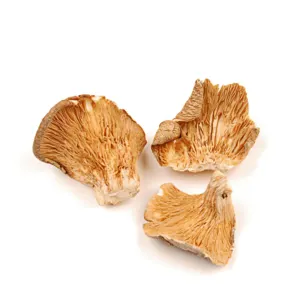
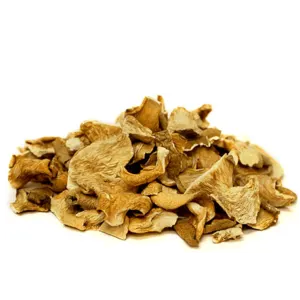
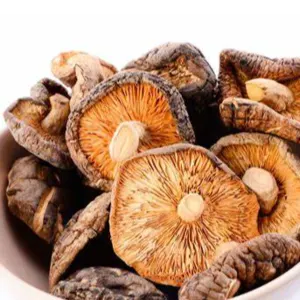
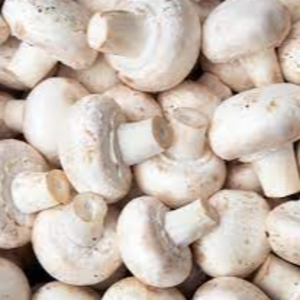
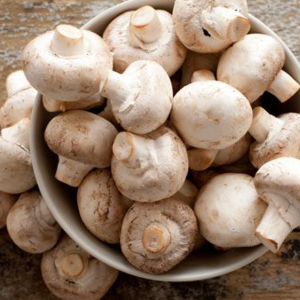
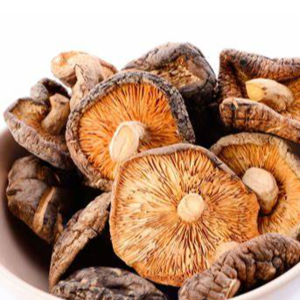
The product list comprises Fresh Button Mushroom (HS 0712.31), Fresh Oyster Mushroom (HS 0712.33), Dried Button Mushroom (HS 0712.39), Dried Oyster Mushroom (HS 0712.39), Dried Shiitake Mushroom (HS 0712.32), Dried Porcini Mushroom (HS 0712.39) and Canned Button Mushroom (HS 2003.10). Each entry specifies the botanical material - Agaricus bisporus for button, Pleurotus ostreatus for oyster, Lentinula edodes for shiitake and Boletus edulis for porcini - and the processing state (fresh, dehydrated, canned).
Product Range and Specialties of JKKB Natures Duo India Private Limited
The catalogue covers three processing categories: fresh whole mushrooms (button and oyster), dehydrated sliced or whole mushrooms (button, oyster, shiitake, porcini) and canned whole or sliced button mushrooms. In the dried segment, industry practice targets a final moisture content of 8‑12 % and a water activity below 0.60, with grade distinctions based on cap size and colour uniformity. Fresh mushrooms are typically graded A when caps are intact, moisture 90‑92 % and stored at 0‑4 °C in ventilated crates of 5‑10 kg. Canned mushrooms fall under HS 2003.10 and are usually sterilised, packed in metal cans of 400‑500 g, and labelled according to local food‑safety regulations.
Trade and Export Information - JKKB Natures Duo India Private Limited
India is a recognised exporter of edible fungi, with the European Union, United States and Middle‑East markets accounting for the majority of demand. HS 0712 covers fresh and dehydrated mushrooms, while HS 2003 applies to preserved products; customs authorities often require a phytosanitary certificate and, for organic claims, a certified organic document. Buyers typically request ISO 22000 or FSSC 22000 compliance, HACCP plans and, where applicable, organic certification such as India’s National Programme for Organic Production. Fresh mushrooms are shipped in refrigerated containers (20 ft or 40 ft) with a payload of roughly 10‑12 tonnes, whereas dehydrated varieties can fill a 20 ft container with 20‑22 tonnes due to lower moisture weight. Canned goods are palletised on wooden or Euro pallets and loaded under FOB or CIF terms.
Sourcing from JKKB Natures Duo India Private Limited - Buyer Guidance
When sourcing from JKKB Natures Duo, buyers should ask for a Certificate of Analysis that details moisture content, microbial limits (E. coli < 10 CFU/g, Salmonella absent) and pesticide residues. A phytosanitary certificate confirming the product meets the importing country’s plant‑health requirements is standard for fresh and dried mushrooms. Requesting an organic certificate is essential if the buyer needs certified organic material; otherwise, verify the supplier’s ISO 22000 or HACCP documentation. Typical minimum order quantities are 500 kg for fresh mushrooms, 200 kg for each dried variety and 10 000 cans for the canned line, with lead times of 30‑45 days after order confirmation.
Frequently Asked Questions About JKKB Natures Duo India Private Limited
What HS codes are used for the mushroom products listed by JKKB Natures Duo?
Fresh Button Mushroom is classified under HS 0712.31, Fresh Oyster Mushroom under HS 0712.33, Dried Button, Oyster and Porcini mushrooms under HS 0712.39, Dried Shiitake under HS 0712.32, and Canned Button Mushroom under HS 2003.10.
Which quality parameters are typical for dehydrated mushrooms?
Dehydrated mushrooms are usually required to have a moisture content of 8‑12 % and a water activity below 0.60. Grade A specimens have uniform colour, intact caps and a size range of 30‑70 mm for button types.
What certifications should a buyer request for these mushroom products?
Buyers should request a Certificate of Analysis, a phytosanitary certificate, and evidence of ISO 22000 or FSSC 22000 compliance. If organic status is needed, an organic certification from an accredited body is also required.
How are fresh mushrooms typically packaged for export?
Fresh mushrooms are packed in ventilated crates or corrugated boxes, usually in 5‑kg or 10‑kg units, and shipped in refrigerated containers maintained at 0‑4 °C.
What are the common container loads for dried mushroom shipments?
A standard 20‑ft container can accommodate 20‑22 tonnes of dehydrated mushrooms, depending on packaging density and moisture level.
What is the usual lead time for orders from JKKB Natures Duo?
Lead times are generally 30‑45 days from order confirmation, covering processing, quality testing and preparation for shipment.
Are there specific import documentation requirements for canned mushrooms?
Canned mushrooms under HS 2003.10 typically require a sanitary certificate, a product specification sheet, and compliance with the destination country’s food‑safety regulations, such as the EU’s Food Information Regulation or the US FDA’s food‑code.
What minimum order quantities apply to the different mushroom formats?
The supplier’s standard minimum order is 500 kg for fresh mushrooms, 200 kg for each dried variety, and 10 000 cans for the canned product line.





 Coimbatore, India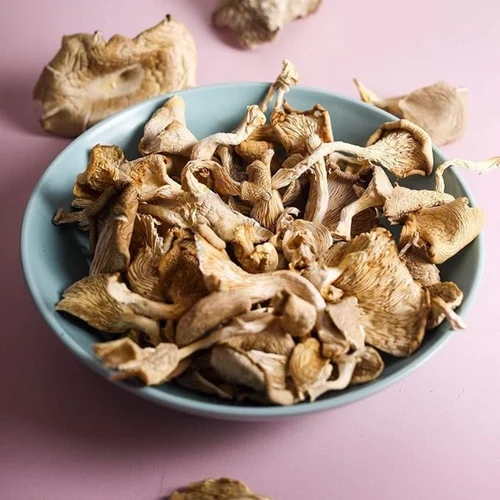



.jpg.png)