Weaves And Hues — Supplier
About Weaves And Hues - Apparel and Textile Supplier in India
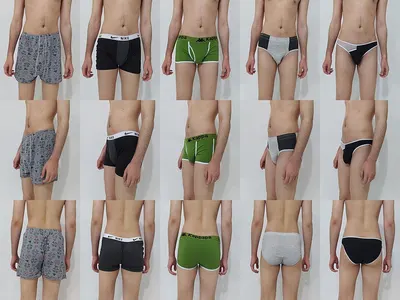
Weaves And Hues is an India-based supplier operating with 68 active product listings that span woven and knit apparel, accessories, and a small leather goods line. The catalogue is anchored in eight primary categories: Polo Shirts and T Shirts, Scarves and Stoles, Shirts and T-Shirts, Leather Jackets, Shawls, Mens Undergarments, Shirts, and Trousers and Shorts, with additional listings in women's outerwear, babywear, caps, and tote bags. Indian textile exporters in this segment typically operate from manufacturing clusters such as Tirupur and Ludhiana for knitwear, Noida and Gurgaon for shirts and formalwear, and Kashmir and Ludhiana for shawls and stoles, supplying both domestic retailers and overseas buyers. The supplier's mix of casual basics, formal shirts, baby knits, and heritage textiles reflects the broad product breadth commonly seen among Indian garment exporters serving multi-category private label programmes.
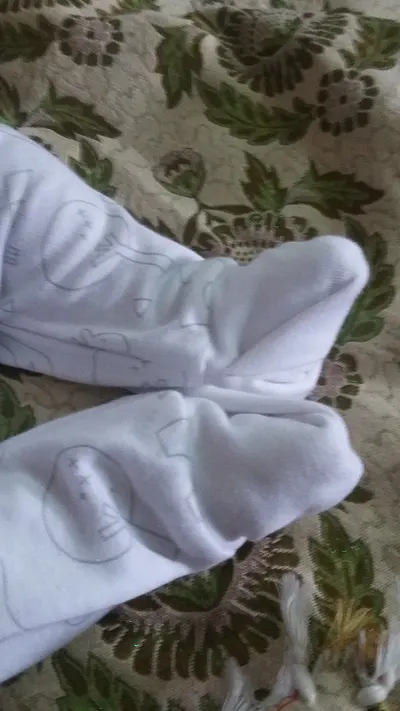
Product-specific HS code families in the catalogue include 4202.92 for the Canvas Tool Bag (travel goods and similar containers) and 6111.20 for both Baby Onesies and the 100% Bamboo Cotton Baby Romper (babies' garments and clothing accessories of knitted or crocheted textiles). The remaining apparel listings fall under the broader knit (Chapter 61) and woven (Chapter 62) families of the Harmonized System, which together cover the bulk of India's ready-made garment exports. Materials documented across the listings range from heavy-duty cotton canvas with reinforced stitching (for the tool bag) and 100% cotton or cotton/polyester soft-finish knit (for baby onesies) to bamboo-cotton blends, pure linen jersey, organic cotton, and pure mulberry silk used in the reversible stoles. This fibre and construction mix is consistent with the diversified raw material base that Indian apparel manufacturers draw on, including GOTS-certified organic cotton, bamboo-derived viscose, Indian mulberry silk, and pashmina wool.
Product Range and Specialties of Weaves And Hues
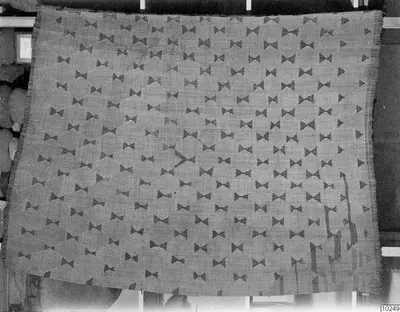
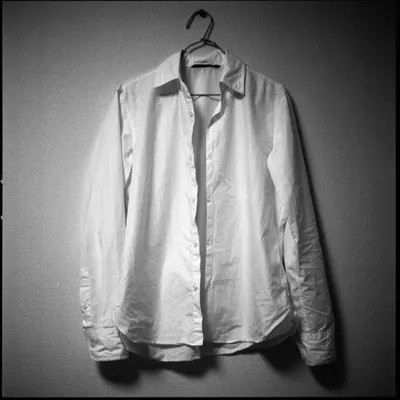
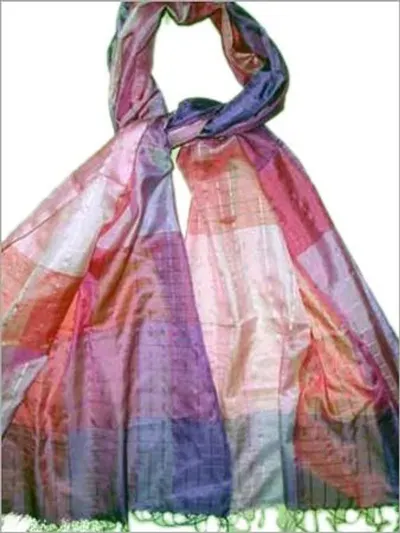
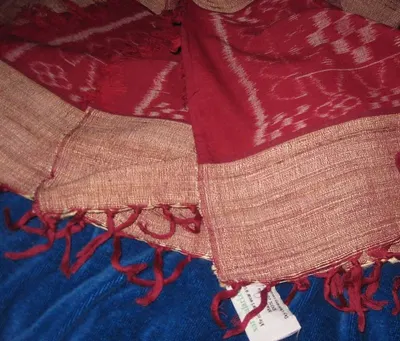
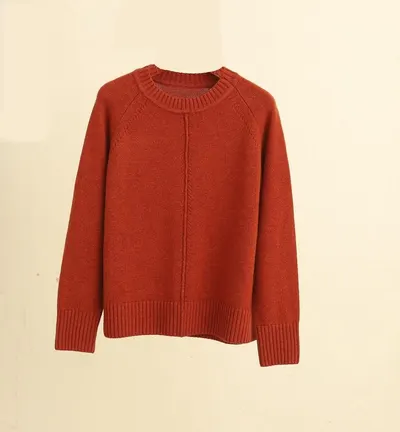
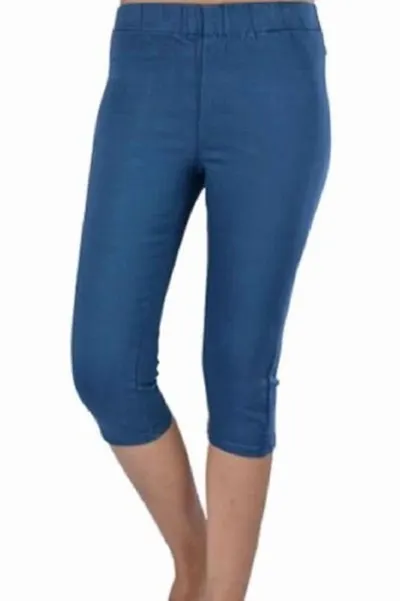
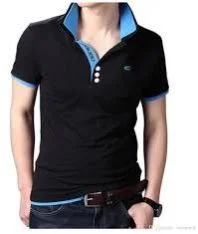
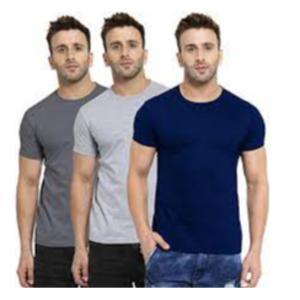
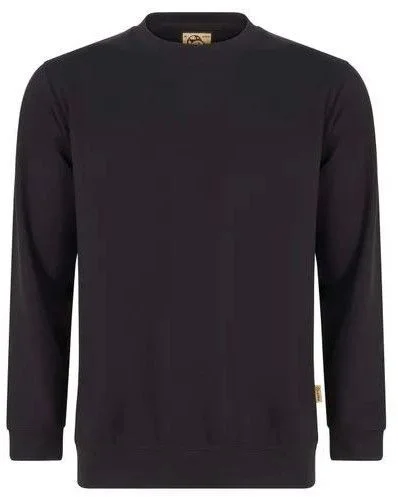
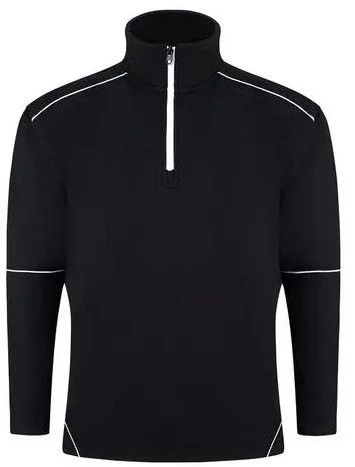
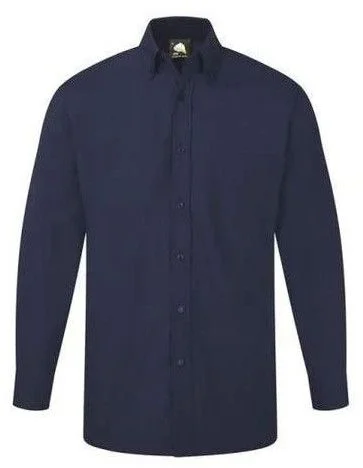
Weaves And Hues lists 30 distinct products covering men's, women's, and children's wear alongside select accessories. The men's range includes round neck, V-neck, and plain T-shirts, formal shirts, formal trousers, jackets, hoodies, sweatshirts, sweaters, undershirts, boxer shorts, shorts, and pajamas. The women's and unisex listings feature tunics, shirts, trench coats, maternity leggings, and scarves/stoles, while the kids segment covers baby onesies, a bamboo cotton baby romper, and kids bamboo T-shirts. Accessories round out the catalogue with a flat peak cap, a casual tote bag, an embroidered T-shirt line, and a canvas tool bag constructed from heavy-duty cotton canvas with reinforced stitching. Two heritage textile products stand out: Pure Mulberry Silk Reversible Stoles and an Authentic Pashmina Shawl, both of which sit in the premium natural-fibre segment.
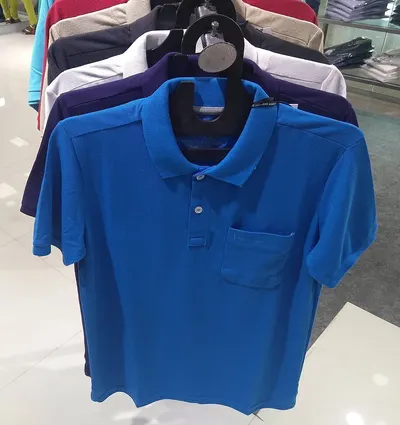
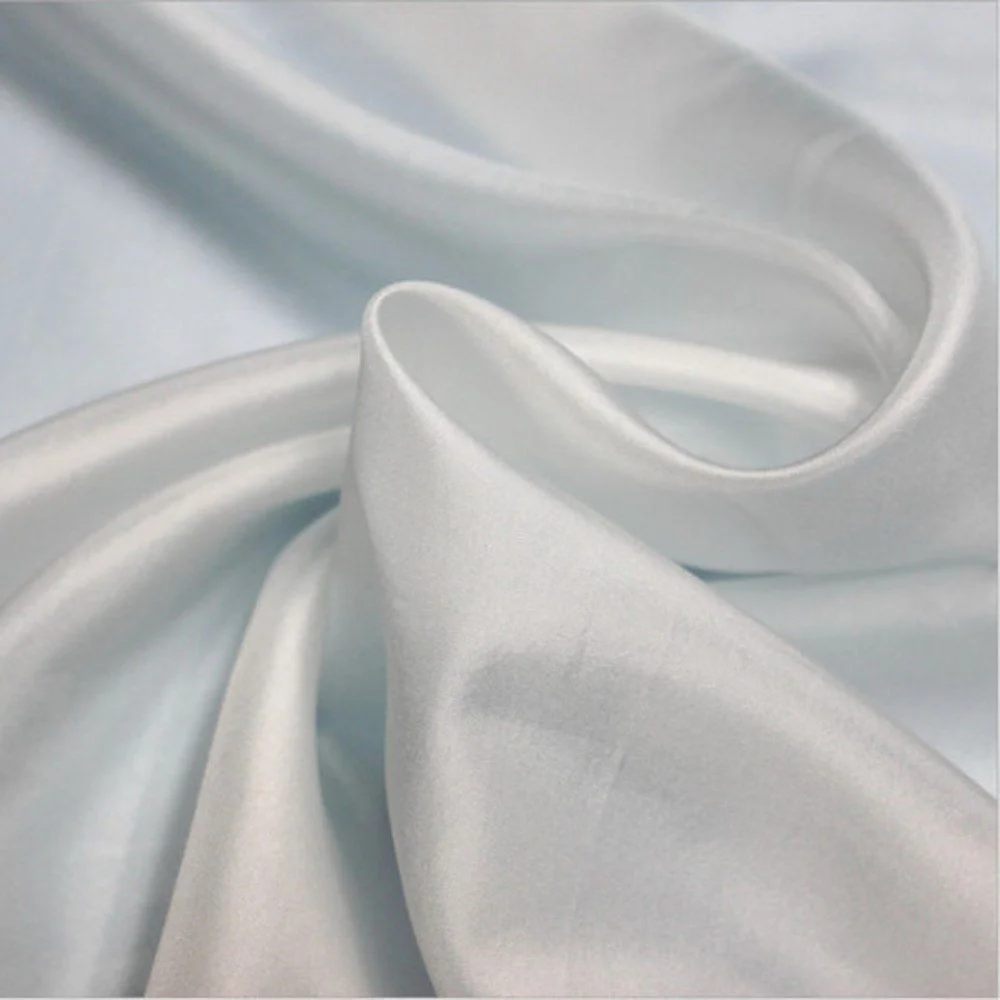
Buyers sourcing from Indian apparel exporters typically evaluate T-shirts and polo shirts on fabric GSM (commonly 140-220 GSM for single jersey, 220-280 GSM for pique), yarn count, and stitch density (stitches per inch), along with colour fastness to washing (ISO 105 C06) and perspiration (ISO 105 E04). Linen jersey products are usually specified by linen percentage, pre-shrunk treatment, and GSM in the 150-200 range. Pashmina shawls are graded by fibre content (Cashmere/Pashmina under the Indian GI framework), ply, and hand-feel, with authentic pieces typically tested for fibre diameter (fineness below 16 microns for Grade A cashmere). Silk stoles are graded by momme weight (8-16 mm for lightweight fashion stoles, 16-25 mm for premium), weave (satin, twill, chiffon), and dye fastness. Babywear under HS 6111.20 must conform to restricted substance limits such as OEKO-TEX Standard 100 Class I for infants, with bamboo-cotton blends often tested for formaldehyde, pH, and azo dyes per ISO 14184, ISO 3071, and EN 14362-1.
Trade and Export Information - Weaves And Hues
India is the world's third-largest exporter of textiles and apparel, with ready-made garments contributing the majority of shipments under HS Chapters 61 (knitted) and 62 (woven). The categories represented in this catalogue - knit T-shirts, woven shirts, shawls, scarves, leather jackets, and undergarments - are core items in India's apparel export basket, typically shipped in 20 ft and 40 ft containers with packing norms of around 25-50 kg per carton for shirts and T-shirts and 10-20 pieces per polybag for shawls. Indian exporters in these segments typically serve buyers in the European Union (Germany, UK, Spain, France), the United States, the United Arab Emirates, and African markets, with shawls and pashmina additionally flowing to Japan, South Korea, and the Middle East. The canvas tool bag listed under HS 4202.92 sits in the travel goods and luggage family, an area where Indian exporters compete primarily on price and customization rather than premium leather construction.
For these product categories, buyers typically request or confirm compliance with specific standards: GOTS (Global Organic Textile Standard) for organic cotton items, OEKO-TEX Standard 100 for skin-contact garments, the EU REACH regulation for chemical substances, and the US CPSIA for children's apparel. Pashmina and cashmere shawls exported from India often require a Certificate of Origin from the Textiles Committee and, for shipments to the EU under the Kashmiri GI regime, documentation supporting authenticity claims. Leather jackets generally require REACH compliance, restricted substance testing (chromium VI, azo dyes, formaldehyde), and CITES permits if exotic leathers are used. Common Incoterms used by Indian garment exporters are FOB, CIF, and EXW, with payment terms typically by T/T, LC at sight, or LC 30/70. Pre-shipment inspection by agencies such as SGS, Bureau Veritas, or Intertek is standard practice for first-time orders, and buyers should expect production lead times of 30-60 days for knitwear and 45-75 days for woven shirts and shawls after sample approval.
Sourcing from Weaves And Hues - Buyer Guidance
Buyers evaluating Weaves And Hues should request the catalogue items' specific fabric composition percentages, GSM, yarn count, and stitch density rather than relying on generic category names. For the organic cotton and bamboo-cotton items, valid GOTS or OEKO-TEX certificates with the supplier's license number and scope should be requested and cross-checked on the certifying body's public database. For the Authentic Pashmina Shawl, buyers should ask for a fibre analysis report (micron count and cashmere/wool ratio) and, where relevant, a Textiles Committee Certificate of Origin. For babywear under HS 6111.20, OEKO-TEX Standard 100 Class I certification or equivalent test reports for harmful substances should be requested before order confirmation. Pre-production samples, size sets, and lab dips or handloom swatches for shawls and stoles are standard verification steps, and a third-party pre-shipment inspection covering AQL 2.5 sampling for visual defects is advisable for first orders.
Verification of responsiveness and reliability can be gauged through sample turnaround time (typically 7-15 days for knitwear, 10-20 days for woven and shawl samples), clarity of documentation provided, and willingness to share mill and factory references. Buyers should confirm MOQ per style and per colour, as Indian knitwear exporters often set MOQs at 100-300 pieces per colour per size for T-shirts and 500-1,000 pieces for formal shirts, while shawls and stoles may carry lower MOQs of 50-100 pieces. Payment terms, lead time after sample approval, and the supplier's experience with the buyer's destination market (labeling, packaging, and documentation requirements for the EU, US, or Middle East) should all be clarified in writing before any commitment. For leather jackets, confirm the leather type (genuine leather vs. split vs. bonded), lining material, and any metal hardware compliance with destination-market nickel-release and REACH limits.
Frequently Asked Questions About Weaves And Hues
What product categories does Weaves And Hues supply?
The supplier lists 68 active products across knit T-shirts, woven shirts, formal trousers, jackets, hoodies, sweatshirts, undergarments, shawls, silk stoles, women's tunics and outerwear, babywear, caps, and tote bags. The catalogue spans HS Chapters 61 (knitted apparel), 62 (woven apparel), and 4202.92 (the canvas tool bag). Two items are explicitly coded under 6111.20 for babies' knitted garments.
Which certifications should buyers request for the organic cotton and bamboo items?
Buyers should ask for valid GOTS (Global Organic Textile Standard) certificates for organic cotton T-shirts and shirts, and OEKO-TEX Standard 100 reports covering the bamboo-cotton baby romper and kids bamboo T-shirts. For babywear specifically, OEKO-TEX Class I (for infants up to 3 years) is the relevant safety tier and should be requested with the certificate number for verification.
How is authenticity verified for the pashmina shawl and mulberry silk stoles?
Request a fibre analysis report showing cashmere percentage and micron count (Grade A cashmere typically measures below 16 microns), and a Textiles Committee Certificate of Origin for pashmina shipments. For the mulberry silk reversible stoles, ask for momme weight, weave type (satin, twill, or chiffon), and dye fastness test results per ISO 105 standards.
What packaging and container norms apply to these apparel shipments from India?
Knit T-shirts and polo shirts are typically packed at 25-50 kg per export carton with 10-25 pieces per polybag, while shawls and stoles are usually folded, wrapped in tissue, and packed 10-20 pieces per carton. A standard 40 ft container holds roughly 25,000-30,000 knit T-shirts or about 15,000 woven shirts, depending on GSM and packing density. Buyers should confirm individual polybag and master carton specifications before order confirmation.
What MOQ and lead time should buyers expect?
Indian knitwear exporters commonly set MOQs of 100-300 pieces per colour per size for T-shirts and 500-1,000 pieces for formal shirts, while shawls and stoles often start at 50-100 pieces. Sample development typically takes 7-15 days for knits and 10-20 days for woven or shawl samples, with bulk production lead times of 30-60 days for knitwear and 45-75 days for woven shirts and shawls after sample approval.
Which documents are typically required for exporting these goods from India?
Standard export documentation includes a commercial invoice, packing list, bill of lading or airway bill, certificate of origin (often from the Textiles Committee or FIEO), and GSP or preferential origin certificates for EU and US destinations depending on the agreement. For pashmina, a Textiles Committee Certificate of Origin supporting GI claims is commonly issued, and for organic or OEKO-TEX labelled goods, the relevant scope certificates should accompany the shipment.
Which regions typically import these categories from India?
Indian apparel and textile exporters in these segments typically serve the European Union (Germany, UK, Spain, France, Italy), the United States, the United Arab Emirates, Saudi Arabia, and growing African markets. Pashmina and silk shawls additionally flow to Japan, South Korea, and the wider Middle East, where heritage textiles command premium positioning. Buyers in colder climates drive stronger demand for shawls, stoles, sweaters, and sweatshirts, while tropical markets pull higher volumes of lightweight cotton and linen T-shirts.
What inspection and quality checks are standard for these products?
Pre-shipment inspection by agencies such as SGS, Bureau Veritas, or Intertek at AQL 2.5 (general inspection level II) is standard for first orders. For T-shirts and shirts, buyers should verify GSM, stitch density, dimensional measurements against the approved size set, and colour fastness to washing and perspiration per ISO 105. For shawls and stoles, hand-feel, ply count, edge finishing (hand-rolled or machine-hemmed), and fibre composition should be checked against the approved handloom or sample swatch.




 , India