Agriculture›
 Apparel and fashion accessories›
 Construction & real estate›💡Electronic & Electrical›🍎Food & Beverages›🛋️Home furnishing & supplies›⚗️Industrial goods & chemical›🪨Minerals & metals›📦Miscellaneous›Agriculture›Apparel and fashion accessories›Construction & real estate›💡Electronic & Electrical›🍎Food & Beverages›🛋️Home furnishing & supplies›⚗️Industrial goods & chemical›🪨Minerals & metals›📦Miscellaneous›
Expo Dress Marketing Product Catalog

About Expo Dress Marketing - Apparel Supplier in Bangladesh
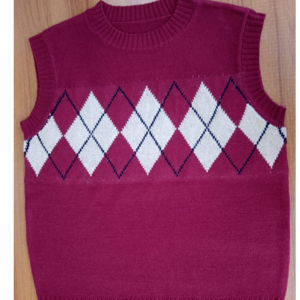
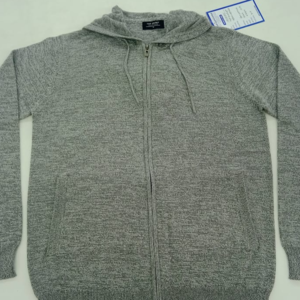
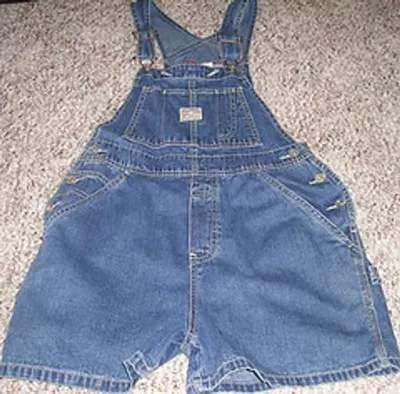
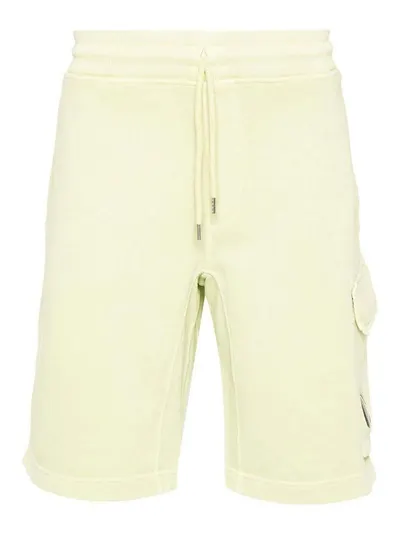
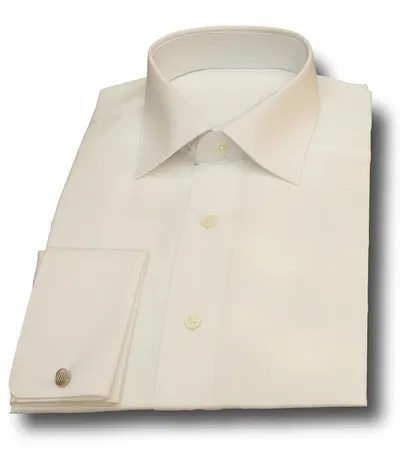
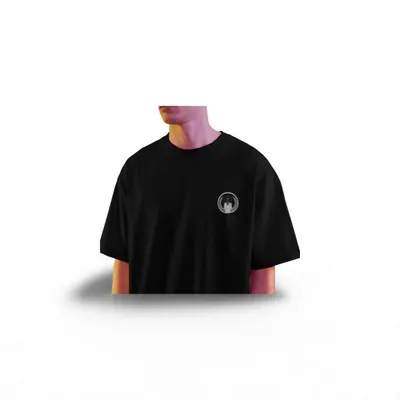
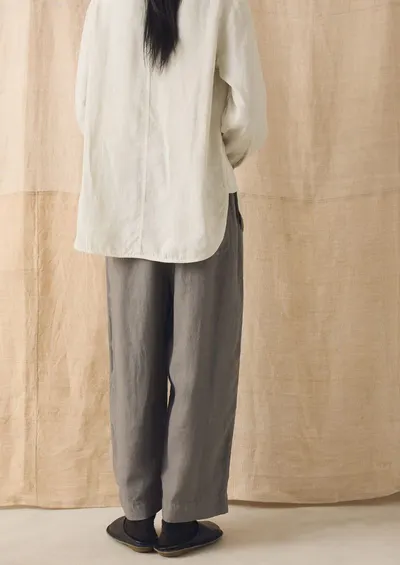
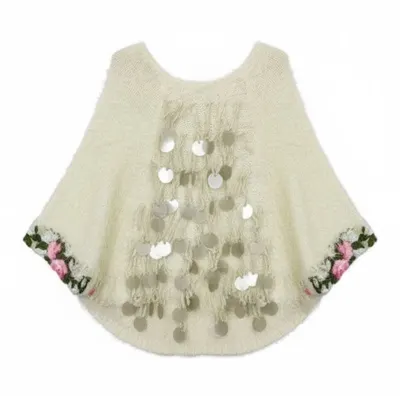
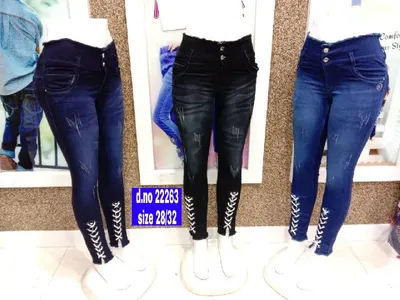
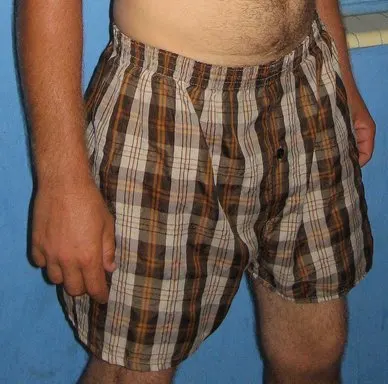
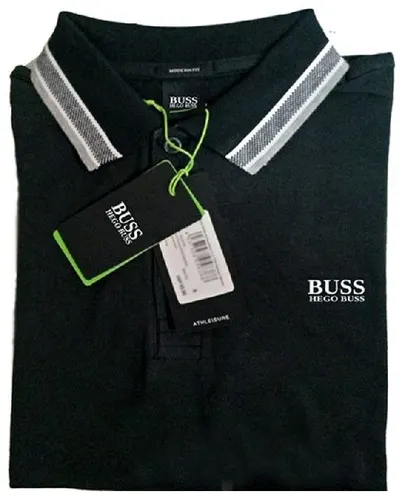
Bangladesh‑based Expo Dress Marketing lists 21 active garment SKUs across a spectrum of casual and sport‑wear categories. The catalogue includes multiple polo‑shirt models (e.g., EDMP‑004, EDMP‑012, EDMP‑014, EDMP‑001), fleece jackets (EDMH‑001, EDMH‑011, EDMH‑025), a range of shirts (EDMS‑001, EDMS‑022, Men’s shirt), a cardigan (EDMSC‑004), children’s clothing (EDO‑002), shorts and denim trousers (EDMJ‑014, EDMCS‑001, EDMCS‑025, Mens camo print cargo short), a pullover sweater (EDMSP‑001), and basic men’s t‑shirts and jeans. Each entry is identified by an internal product code that aligns with the supplier’s internal inventory system.
The product set reflects common HS‑code families for ready‑made garments, such as 6105 for knitted T‑shirts, 6106 for polo shirts, 6201 for men’s shirts, 6203 for jackets, 6204 for trousers and denim, and 6205 for shorts. While the supplier does not publish specific HS codes, the items fall within these internationally recognised tariff headings, which are routinely used by customs authorities when importing apparel from Bangladesh.
Product Range and Specialties of Expo Dress Marketing
Expo Dress Marketing’s catalogue covers knitwear (polo shirts, T‑shirts), woven shirts, fleece jackets, cardigans, children’s garments, shorts, denim trousers, and pull‑over sweaters. In the global market, polo shirts are typically supplied in cotton‑poplin or cotton‑polyester blends with a weight of 150‑180 gsm, while fleece jackets are commonly 260‑300 gsm polyester fleece with a brushed interior. Shirts are often 100 % cotton poplin (120‑150 gsm) or a cotton‑linen mix, and denim trousers usually meet a 12‑16 oz (≈340‑450 gsm) twill specification. Shorts and cargo shorts are generally 150‑180 gsm cotton‑polyester blends, and cardigans are offered in 180‑210 gsm knit fabrics. These grades align with buyer expectations for durability, comfort and seasonal suitability.
Typical industry standards for these categories include ISO 9001 quality management, Oeko‑Tex Standard 100 for harmful substance testing, and compliance with the EU REACH and US CPSIA regulations for children’s wear. Buyers frequently request material composition certificates, wash‑fastness test reports, and size‑specification sheets that reference standard measurements (e.g., chest, sleeve length for shirts; inseam, waist for trousers).
Frequently Asked Questions About Expo Dress Marketing
What apparel categories are available from Expo Dress Marketing?
The supplier lists polo shirts, T‑shirts, fleece jackets, shirts, cardigans, children’s clothing, shorts, denim trousers, pull‑over sweaters, camo cargo shorts and jeans. Each product is identified by a unique catalogue code.
Which markets does Expo Dress Marketing primarily export to?
While specific destination markets are not listed, Bangladeshi garment exporters commonly serve the European Union, United States, Canada, and Middle‑East regions. Buyers in these markets typically require compliance with local labeling and safety regulations.
How can I request a sample of a specific product?
Contact the supplier through the platform’s messaging system, specify the catalogue code (e.g., EDMP‑004 for a polo shirt) and indicate the desired size and colour. Samples are usually shipped by air freight and may require a nominal cost reimbursement.
Which certifications should I ask for when importing these garments?
Typical certifications for Bangladeshi apparel include Oeko‑Tex Standard 100, ISO 9001 quality management, and third‑party inspection reports from SGS or Intertek. For children’s garments, request compliance with CPSIA and REACH.
What are the common minimum order quantities (MOQs) for these items?
MOQs vary by product type; knitwear such as polo shirts often start at 200‑300 pieces per colour, while woven items like denim trousers may require 150‑250 pieces per style. Confirm the exact MOQ for each catalogue code with the supplier.
 Bangladesh
Related Suppliers & Products
Explore similar suppliers, related products and trending categories